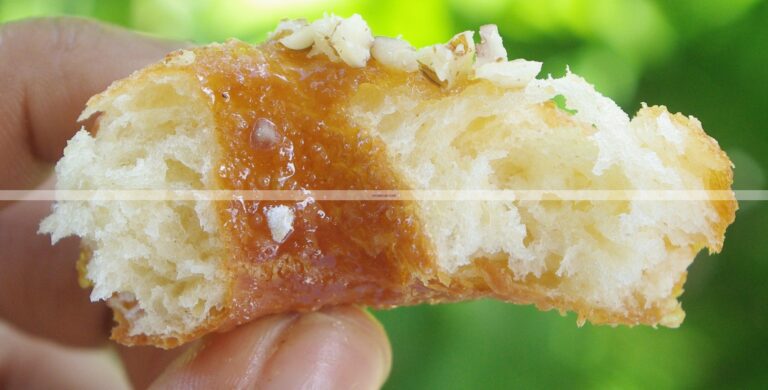
Making yeast-raised donuts at home is easier than you might think, and this recipe will guide you through the process step by step. You’ll learn how to create fluffy, light donuts that are perfect for glazing, filling, or enjoying plain. Get ready to impress your friends and family with this delightful treat!
Yeast-raised donuts are not only a delicious indulgence but also a gratifying culinary project. With the right ingredients and a bit of patience, anyone can create these heavenly treats that rival those from your favorite bakery. This guide will take you through the essential steps, from ingredient selection to frying and glazing, ensuring that your homemade donuts are truly exceptional.
Ingredients You’ll Need

– Flour: Use all-purpose flour for the best texture. It provides the necessary gluten structure that gives the donuts their light and fluffy consistency.
– Yeast: Active dry yeast or instant yeast will work well. Yeast is crucial for the leavening process, allowing the donuts to rise and create a light texture.
– Milk: Warm milk helps activate the yeast. Make sure it’s not too hot, as excessive heat can kill the yeast. Ideally, the temperature should be between 100°F and 110°F.
– Sugar: Provides sweetness and feeds the yeast. Sugar not only enhances flavor but also supports fermentation, contributing to the overall rise of the dough.
Preparing the Dough

– Combine dry ingredients: In a large bowl, mix the flour, yeast, sugar, and salt. This step is vital as it evenly distributes the yeast and sugar, ensuring a consistent rise throughout the dough.
– Add wet ingredients: Slowly incorporate the warm milk, eggs, and melted butter into the dry mixture. The warmth of the milk will help activate the yeast, while the eggs and butter add richness and flavor.
– Knead: Work the dough until it’s smooth and elastic, which should take about 5-10 minutes. This process strengthens the gluten network, essential for trapping air bubbles and creating a light donut.
First Rise
– Cover: Place the dough in a greased bowl and cover it with a damp cloth. This prevents the surface from drying out and helps maintain moisture during the rising process.
– Let it rise: Allow the dough to rise in a warm place until it doubles in size, approximately 1-2 hours. A warm oven (turned off) or a sunny spot in your kitchen can provide the perfect environment for rising.
Shaping the Donuts
– Roll out: Once the dough has risen, transfer it to a floured surface and roll it out to about 1/2 inch thick. This thickness ensures that your donuts are fluffy and not too dense.
– Cut shapes: Use a donut cutter or two round cutters (one larger and one smaller) to create donut shapes. Don’t forget to cut out the holes; these can be fried separately for mini donuts!
– Rerise: Let the shaped donuts rise again for about 30-45 minutes. This second rise is crucial, as it allows the donuts to puff up even more, resulting in a light texture.
Frying the Donuts
– Heat oil: Use a deep fryer or a heavy saucepan with enough oil for frying. The oil should be heated to about 350°F to 375°F for optimal frying.
– Fry: Carefully place the donuts in hot oil, frying until golden brown on both sides, which typically takes about 1-2 minutes per side. Avoid overcrowding the pan, as this can lower the oil temperature and result in greasy donuts.
– Drain: Remove donuts and let them drain on paper towels to absorb excess oil. This step is essential to keeping your donuts light and not overly greasy.
Glazing and Toppings
– Prepare glaze: For a simple glaze, mix powdered sugar with milk or water until you reach your desired consistency. You can also infuse flavors like vanilla or almond extract for added depth.
– Add toppings: Consider sprinkles, chocolate glaze, or cinnamon sugar for extra flavor. Get creative with your toppings; you can even fill your donuts with jam, cream, or custard for a delightful surprise inside.
Top 7 Donut Flavors and Their Popularity (2024)
| # | Flavor | Popularity (%) | Customer Rating |
|---|---|---|---|
| 1 | Glazed | 35% | ★★★★☆ |
| 2 | Chocolate Frosted | 25% | ★★★★★ |
| 3 | Boston Cream | 15% | ★★★★☆ |
| 4 | Maple Bar | 10% | ★★★☆☆ |
| 5 | Cinnamon Sugar | 8% | ★★★★☆ |
| 6 | Jelly-Filled | 5% | ★★★☆☆ |
| 7 | Powdered Sugar | 2% | ★★☆☆☆ |
Frying Time for Donuts (Minutes)
Storage Tips
– Cool completely: Allow donuts to cool before storing to prevent sogginess. This ensures they maintain their texture and don’t become gummy.
– Airtight container: Store in an airtight container at room temperature for 1-2 days. If you need to store them longer, consider freezing them. To freeze, place them in a single layer on a baking sheet, freeze until solid, then transfer to a freezer bag. Thaw them at room temperature before enjoying.
Making yeast-raised donuts at home is not only rewarding but also a delicious way to treat yourself and your loved ones. By following this simple recipe, you can enjoy fresh, fluffy donuts that are customizable to your liking. Gather your ingredients, roll up your sleeves, and get ready to indulge in these delightful creations! Whether glazed, filled, or topped with your favorite sprinkles, your homemade donuts will surely be a hit.
Frequently Asked Questions
What ingredients do I need for a yeast raised donut recipe?
To make delicious yeast raised donuts, you’ll need all-purpose flour, active dry yeast, sugar, milk, eggs, butter, and a pinch of salt. These key ingredients create a fluffy texture and rich flavor in the donuts. For frying, vegetable oil is recommended, and you can also include toppings like powdered sugar or glaze for added sweetness.
How long does it take to make yeast raised donuts from scratch?
Making yeast raised donuts typically takes about 3 to 4 hours, including preparation and rising time. The dough needs to rise for about 1 to 1.5 hours until it doubles in size, and after shaping the donuts, an additional proofing time of 30 minutes is required before frying. However, the actual hands-on time is around 30 to 45 minutes.
Why is my yeast raised donut dough not rising properly?
If your yeast raised donut dough isn’t rising, it could be due to expired yeast or incorrect water temperature; yeast thrives in warm, not hot, environments. Ensure that you’re using fresh yeast and that the liquid is around 110°F (43°C). Additionally, factors like humidity and the dough’s environment can impact rising, so make sure to place the dough in a warm, draft-free area.
What is the best way to fry yeast raised donuts at home?
The best way to fry yeast raised donuts at home is to use a deep fryer or a heavy-bottomed pot filled with at least 2 inches of oil, heated to 350°F (175°C). This temperature ensures that the donuts cook evenly and achieve a golden-brown color, while also preventing them from absorbing too much oil. Always monitor the temperature and avoid overcrowding the pot to ensure proper frying.
Which toppings work best for yeast raised donuts?
The best toppings for yeast raised donuts include classic options like powdered sugar, chocolate glaze, and vanilla icing, which add sweetness and flavor. You can also experiment with toppings like cinnamon sugar, sprinkles, or even fruit preserves for a unique twist. Customizing your toppings allows you to create a variety of flavors that cater to different tastes.
References
- Doughnut
https://en.wikipedia.org/wiki/Donut - Google Scholar Google Scholar
https://scholar.google.com/scholar?q=yeast+raised+donut+recipe - https://www.brown.edu/academics/science/food-science/yeast-donuts
https://www.brown.edu/academics/science/food-science/yeast-donuts - Google Scholar Google Scholar
https://scholar.google.com/scholar?q=yeast+raised+donut - https://pubmed.ncbi.nlm.nih.gov/28124923/
https://pubmed.ncbi.nlm.nih.gov/28124923/ - https://www.verywellfit.com/what-is-a-doughnut-4151140
https://www.verywellfit.com/what-is-a-doughnut-4151140 - https://www.ncbi.nlm.nih.gov/pmc/articles/PMC7200787/
https://www.ncbi.nlm.nih.gov/pmc/articles/PMC7200787/ - https://www.sciencedirect.com/topics/food-science/doughnut
https://www.sciencedirect.com/topics/food-science/doughnut - https://www.bbc.com/food/recipes/doughnuts_31220
https://www.bbc.com/food/recipes/doughnuts_31220 - https://www.nytimes.com/2021/06/16/dining/doughnut-recipe.html
https://www.nytimes.com/2021/06/16/dining/doughnut-recipe.html