Making jelly donuts at home is simple and rewarding. With just a few ingredients and steps, you can create fluffy, sweet donuts filled with your favorite fruit preserves. This guide will walk you through the process, ensuring you enjoy fresh jelly donuts right from your kitchen.
Ingredients You’ll Need

To create delightful jelly donuts, you need to gather some basic ingredients. The essential components include flour, sugar, yeast, milk, and eggs, which together form the dough base. Flour is the primary ingredient, providing structure, while sugar adds sweetness and helps with browning during frying. Yeast is crucial for leavening, giving the donuts their fluffy texture. Milk contributes moisture and richness, while eggs enhance the dough’s structure and flavor.
For the filling, you can choose your favorite jelly or jam. Popular options include raspberry, strawberry, or apricot preserves, each offering a unique flavor profile. The choice of filling can significantly affect the overall taste experience, so consider experimenting with different fruit preserves to find your perfect match.
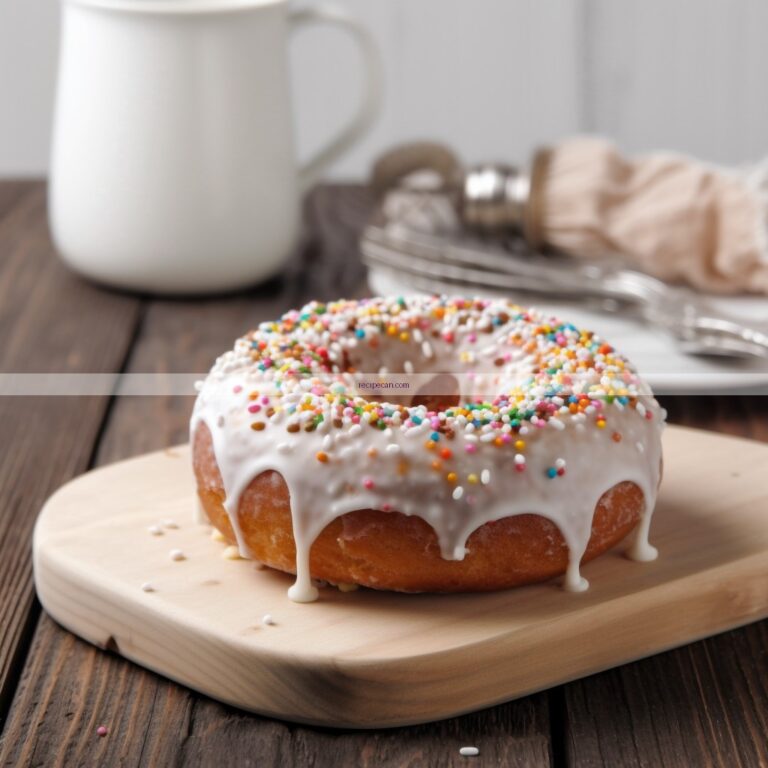
Lastly, consider topping ideas. A light dusting of powdered sugar or granulated sugar adds a sweet finish, enhancing the visual appeal and flavor of the donuts. You might also opt for a glaze or chocolate dip for a decadent touch.
Preparing the Dough

The first step in making jelly donuts is preparing the dough. Start by mixing the dry ingredients. In a large bowl, combine all-purpose flour, granulated sugar, and active dry yeast. It’s essential to ensure that these dry ingredients are well combined to promote even yeast activation.
Next, incorporate the wet ingredients. Gradually add warm milk (about 110°F) and beaten eggs to the dry mixture. The warmth of the milk activates the yeast, helping the dough to rise properly. Mix until the ingredients are combined, forming a sticky yet soft dough.
Once the dough comes together, it’s time to knead. Transfer the dough onto a floured countertop and knead it for approximately 8-10 minutes. This process develops the gluten, giving the donuts their desired elasticity. The dough should become smooth and elastic, which indicates it’s ready for the next step.
Letting the Dough Rise
After kneading, it’s crucial to let the dough rise for proper fermentation. Cover the dough with a clean kitchen towel and place it in a warm, draft-free area. The dough should rise until it has doubled in size, which typically takes about 1 to 1.5 hours.
For a time-saving tip, consider using a warm oven. Preheat your oven to 200°F for a few minutes, then turn it off and place the covered dough inside. The residual heat creates an ideal environment for the dough to rise quickly.
Nutritional Information of Jelly Donuts (Per Serving)
| # | Nutrient | Amount | % Daily Value |
|---|---|---|---|
| 1 | Calories | 200 | 10% |
| 2 | Total Fat | 10g | 15% |
| 3 | Saturated Fat | 2g | 10% |
| 4 | Cholesterol | 30mg | 10% |
| 5 | Sodium | 200mg | 9% |
| 6 | Total Carbohydrates | 26g | 9% |
| 7 | Dietary Fiber | 1g | 4% |
| 8 | Sugars | 8g | 16% |
| 9 | Protein | 2g | 4% |
| 10 | Vitamin D | 0mcg | 0% |
Shaping the Donuts
Once the dough has risen, it’s time to shape the donuts. Start by rolling out the dough on a floured surface. Use a rolling pin to roll the dough to about half an inch thick. The thickness is crucial as it influences the final texture of the donuts.
Next, use a round cutter to cut out the outer shape of the donuts. You can also use a smaller cutter to create the hole in the center if you’re making traditional ring donuts. For filled donuts, simply cut out circles without a hole.
After cutting, place the shaped donuts on a floured baking sheet and allow them to rest for another 30 minutes. This second rise will make them even fluffier when fried.
Frying and Filling the Donuts
Now it’s time for the most exciting part—frying the donuts! Begin by heating oil in a deep skillet or fryer to around 350°F (175°C). It’s essential to maintain this temperature for optimal frying; too low, and the donuts will absorb too much oil, making them greasy.
Carefully place a few donuts in the hot oil, frying them until they are golden brown on both sides, which usually takes about 2-3 minutes per side. Use a slotted spoon to remove the donuts and place them on a paper towel-lined plate to drain excess oil.
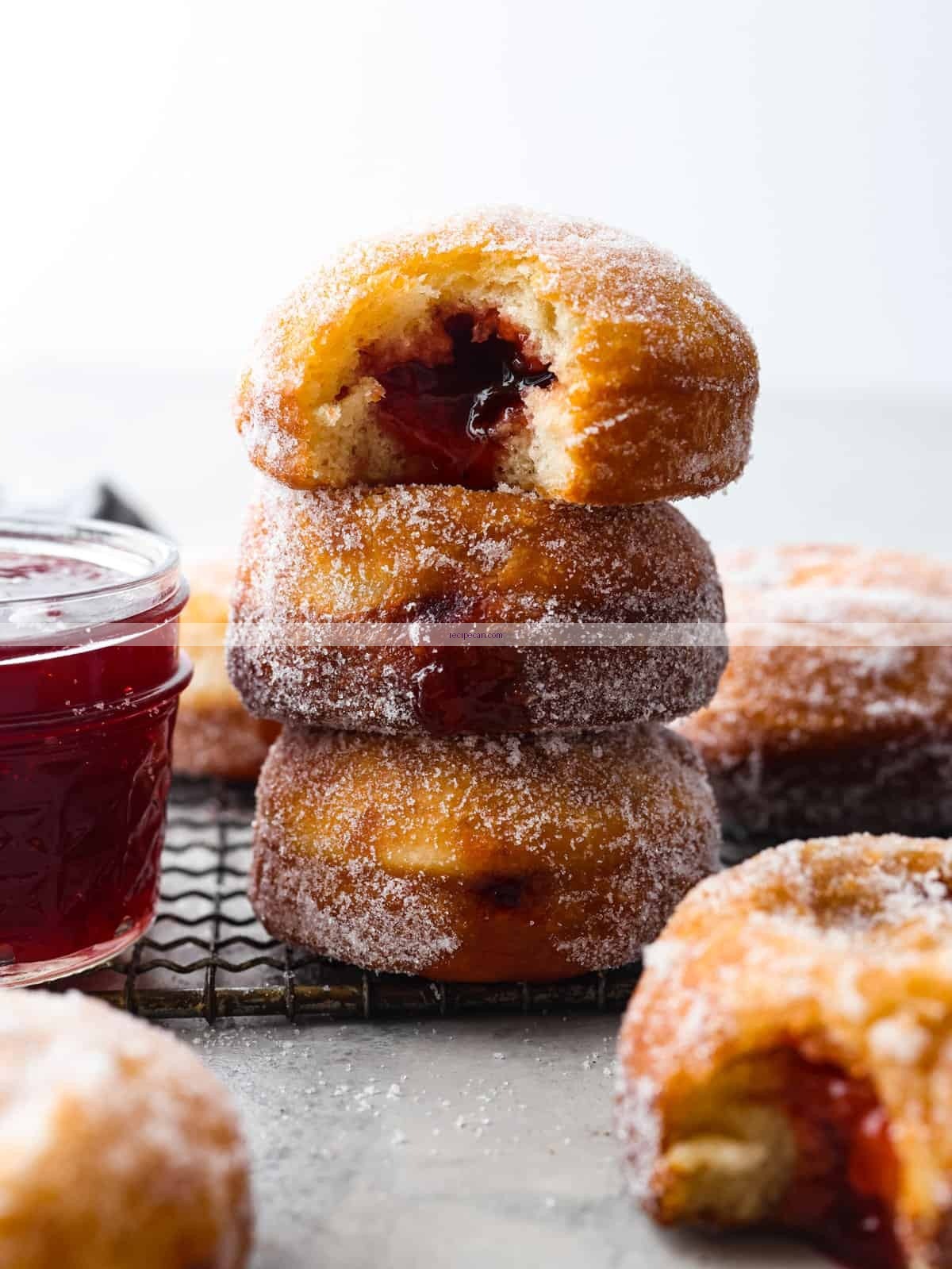
Once cooled slightly, it’s time to fill the donuts with jelly. Using a piping bag fitted with a long, narrow tip, inject your chosen jelly into the center of each donut. Be generous with the filling, but avoid overfilling, which can cause the donut to burst.
Topping and Serving Suggestions
For the finishing touch, dust your fresh donuts with powdered sugar or granulated sugar. This simple coating adds a delightful sweetness and enhances their visual appeal. For a more decadent option, consider drizzling chocolate glaze or rolling the donuts in cinnamon sugar.
Jelly donuts are best enjoyed warm, making them an excellent accompaniment to a cup of coffee or tea. They can also be served as a delightful dessert after a meal or at special occasions like birthdays or holiday gatherings. Consider presenting them on a beautiful platter to impress your guests.
Frying Temperature Impact on Donut Quality
Storing Your Jelly Donuts
To keep your jelly donuts fresh, store them in an airtight container at room temperature. This method helps maintain their softness and flavor. It’s best to consume them within two days for optimal taste.
If you want to keep them longer, consider freezing the donuts. Place them in a single layer on a baking sheet to freeze, then transfer them to a freezer-safe bag or container. They can be frozen for up to three months. When you’re ready to enjoy them, simply reheat in the oven or microwave until warmed through.
Conclusion
Making jelly donuts at home is not only an enjoyable culinary project but also a rewarding treat that can be shared with family and friends. With simple ingredients and straightforward steps, you can create fluffy, flavorful donuts filled with your favorite jelly. Don’t hesitate to try different fillings and toppings to customize your experience. Whether enjoyed fresh or stored for later, these homemade jelly donuts are sure to bring joy to any occasion. Try the recipe today and indulge in the satisfaction of creating this delicious treat from scratch!
Frequently Asked Questions
What are the essential ingredients for a classic jelly donuts recipe?
A classic jelly donuts recipe typically requires all-purpose flour, granulated sugar, yeast, milk, eggs, butter, and a fruit jelly or jam of your choice for filling. Additionally, you’ll need a pinch of salt and powdered sugar for dusting after frying. These ingredients come together to create soft, fluffy donuts with a sweet and flavorful filling.
How do you make jelly donuts from scratch?
To make jelly donuts from scratch, start by mixing warm milk, sugar, and yeast to activate it. Then combine this mixture with flour, eggs, melted butter, and salt to form a dough. Allow the dough to rise until doubled in size, roll it out, cut into circles, fill with jelly, and fry until golden brown. Finally, dust with powdered sugar for that perfect finishing touch.
Why did my jelly donuts turn out greasy?
Greasy jelly donuts often result from frying at too low a temperature, causing the donuts to absorb excess oil. To achieve perfectly fried donuts, ensure your oil is between 350°F to 375°F (175°C to 190°C) before adding the dough. Additionally, avoid overcrowding the frying pan, as this can lower the oil temperature further.
What is the best type of jelly for filling homemade donuts?
The best type of jelly for filling homemade donuts is one that complements the sweetness of the donut while adding a fruity burst. Popular choices include raspberry, strawberry, or grape jelly, as these provide a nice balance of tartness and sweetness. Experimenting with different flavors can also lead to exciting variations in your jelly donuts recipe.
Which tools are necessary for making jelly donuts effectively?
To make jelly donuts effectively, you will need basic kitchen tools such as a mixing bowl, a rolling pin, a donut cutter or round cookie cutter, and a deep-frying thermometer to monitor oil temperature. A slotted spoon or spider is also helpful for safely removing the donuts from the hot oil. These tools will streamline the process and ensure successful results.
References
- Jelly doughnut
https://en.wikipedia.org/wiki/Jelly_doughnut - https://www.verywellfit.com/jelly-doughnuts-recipe-4157156
https://www.verywellfit.com/jelly-doughnuts-recipe-4157156 - https://www.nytimes.com/recipes/1019821/jelly-doughnuts.html
https://www.nytimes.com/recipes/1019821/jelly-doughnuts.html - https://www.theguardian.com/food/2021/dec/13/how-to-make-jam-doughnuts-recipe
https://www.theguardian.com/food/2021/dec/13/how-to-make-jam-doughnuts-recipe - https://www.seriouseats.com/jelly-doughnuts-recipe-5115661
https://www.seriouseats.com/jelly-doughnuts-recipe-5115661 - Google Scholar Google Scholar
https://scholar.google.com/scholar?q=jelly+donuts+recipe - Google Scholar Google Scholar
https://scholar.google.com/scholar?q=jelly+doughnut+history - Google Scholar Google Scholar
https://scholar.google.com/scholar?q=traditional+jelly+donut+recipe - jelly donuts recipe – Search results
https://en.wikipedia.org/wiki/Special:Search?search=jelly+donuts+recipe - https://www.ncbi.nlm.nih.gov/search/research-articles/?term=jelly+donuts+recipe
https://www.ncbi.nlm.nih.gov/search/research-articles/?term=jelly+donuts+recipe