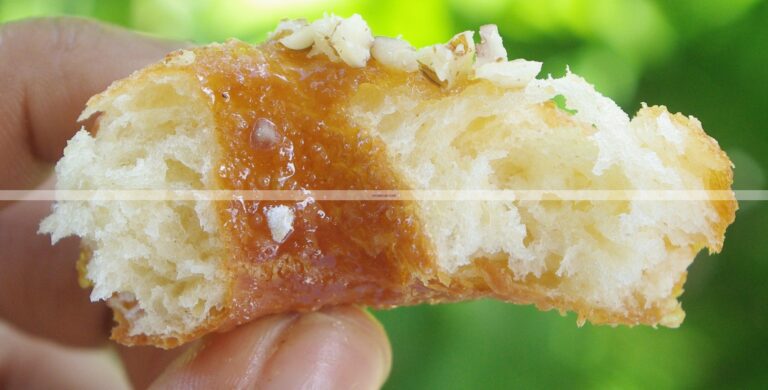
Making donut-filled treats at home is easier than you think! This guide will provide you with a simple and delicious recipe to create your own filled donuts, perfect for any occasion. You’ll learn about the essential ingredients, preparation steps, and filling options to satisfy your sweet tooth. With a bit of patience and creativity, you can craft these delightful confections that are sure to impress family and friends.
Essential Ingredients for Donut Filling

To create delicious filled donuts, you’ll need a few essential ingredients that form the base of the donut dough. The primary ingredients include:
– Flour: All-purpose flour is typically used, providing the necessary structure and texture to the donuts.
– Sugar: Granulated sugar is essential for sweetness, but you can also use brown sugar for a deeper flavor.
– Yeast: Active dry yeast or instant yeast is necessary for leavening, giving the donuts their fluffy and airy quality.
Once you have the base ingredients, the fun begins with the filling. Here are some popular filling options:
– Jam or Fruit Preserves: Strawberry, raspberry, or blueberry jams add a fruity burst.
– Cream Fillings: Vanilla pastry cream or whipped cream can create a rich and decadent treat.
– Chocolate Ganache: Melted chocolate mixed with cream creates a smooth and indulgent filling.
– Custard: A classic choice that adds a delightful creaminess to the donut.
Choosing the right filling can transform a simple donut into a gourmet experience.
Preparing the Donut Dough

The preparation of the donut dough is a crucial step that requires attention to detail. Here’s how to do it:
1. Combine Dry Ingredients: In a large mixing bowl, whisk together the flour, sugar, yeast, and a pinch of salt. The salt is essential as it balances the sweetness and enhances the overall flavor.
2. Activate the Yeast: If using active dry yeast, dissolve it in warm milk (around 110°F) with a bit of sugar for about 5-10 minutes until it becomes frothy. This step is essential for ensuring that the yeast is active and ready to leaven the dough.
3. Mix Wet Ingredients: In a separate bowl, combine warm milk, eggs, and melted butter. Once the yeast is activated, mix the wet ingredients into the dry ingredients.
4. Knead the Dough: Transfer the mixture onto a floured surface and knead it for approximately 8-10 minutes until it becomes smooth and elastic. This process develops the gluten, which provides structure to the donuts.
5. Let it Rise: Place the dough in a lightly greased bowl, cover it with a clean cloth, and let it rise in a warm environment until it doubles in size, typically about 1-2 hours.
Shaping and Frying Donuts
Once your dough has risen, it’s time to shape and fry your donuts. Here’s how you can achieve the perfect shape and texture:
1. Roll and Cut: Roll out the dough to about ½ inch thickness on a floured surface. Use a round cutter to cut out circles and a smaller cutter for the holes. You can also choose to make filled donuts without holes by simply shaping them into balls.
2. Second Rise: Allow the cut donuts to rise for an additional 30 minutes. This step ensures they are light and fluffy after frying.
3. Heat the Oil: In a deep skillet or fryer, heat oil to 350°F (175°C). The right temperature is crucial for achieving that golden-brown exterior.
4. Fry the Donuts: Carefully place the donuts in the hot oil, frying them for about 1-2 minutes on each side until they are golden brown. Use a slotted spoon to remove them and place them on paper towels to drain excess oil.
📋 Ingredients Comparison Table
Essential Ingredients for Donuts
| # | Ingredient | Quantity | Purpose |
|---|---|---|---|
| 1 | All-Purpose Flour | 4 cups | Structure |
| 2 | Granulated Sugar | 1/2 cup | Sweetness |
| 3 | Active Dry Yeast | 2 1/4 tsp | Leavening |
| 4 | Milk | 1 cup | Moisture |
| 5 | Eggs | 2 large | Richness |
| 6 | Butter | 1/4 cup | Flavor |
| 7 | Salt | 1/2 tsp | Flavor Enhancer |
Creating the Perfect Filling
Now that your donuts are fried, it’s time to prepare the filling. Here are some tips for creating the perfect filling:
1. Prepare Ahead: If you’re making a homemade filling, do this ahead of time so it can cool and thicken. For instance, if you’re making pastry cream, allow it to chill in the fridge.
2. Use a Piping Bag: Once your donuts have cooled slightly, fit a piping bag with a filling tip to ensure that your filling is both neat and evenly distributed. You can also use a squeeze bottle for more control.
3. Fill the Donuts: Insert the piping tip into the side of the donut and gently squeeze the filling into the donut until you feel it becoming heavy. Be careful not to overfill, as this may cause the donut to burst.
4. Taste Test: Always make a small test filling to gauge the sweetness and texture. Adjust your filling recipe if necessary.
Glazing and Finishing Touches
The final steps involve glazing and adding finishing touches to your donuts, which can elevate their appearance and flavor:
1. Glazing: A simple glaze can be made by mixing powdered sugar with milk or cream until smooth. Dip the tops of the donuts into the glaze and let it set on a wire rack.
2. Powdered Sugar or Cinnamon Sugar: For a classic touch, dust your donuts with powdered sugar or roll them in a mixture of sugar and cinnamon for added flavor.
3. Toppings: Enhance the visual appeal with toppings such as colorful sprinkles, chopped nuts, or coconut flakes. These additions not only look great but can also add texture and flavor.
4. Presentation: Arrange your finished donuts on a decorative plate or in a box to present them beautifully. Donuts are not just a treat; they can be a centerpiece for any gathering.
📈 Donut Popularity Bar Chart
Popularity of Donut Fillings (2024)
Storage and Serving Suggestions
After you’ve filled, glazed, and decorated your donuts, proper storage is essential to maintain their freshness. Here are some tips:
1. Storage: Place your filled donuts in an airtight container. This will help retain moisture and prevent them from becoming stale. Ideally, they should be consumed within 2-3 days. If you need to keep them longer, consider freezing them.
2. Serving: Donuts are best served warm. If they have cooled, you can reheat them briefly in the oven at 350°F (175°C) for 5-7 minutes to restore their delightful texture.
3. Presentation: When serving donuts, consider arranging them on a decorative platter or in individual boxes. This not only enhances their appeal but also provides convenience for guests.
Making these delicious donut-filled treats is not only fun but also a great way to impress family and friends. With this recipe, you have everything you need to create mouthwatering donuts at home. Enjoy your baking adventure and don’t forget to share your creations!
Frequently Asked Questions
What are the best fillings for donut filled recipes?
The best fillings for donut filled recipes include classic options like raspberry jam, Bavarian cream, and chocolate ganache. For a unique twist, consider using flavored custards, fresh fruit preserves, or even savory options like cream cheese. Experimenting with different fillings can elevate your homemade donuts and cater to various taste preferences.
How do I make a donut filled recipe from scratch?
To make a donut filled recipe from scratch, start by preparing a basic dough using flour, sugar, yeast, milk, and eggs. After allowing the dough to rise, roll it out and cut it into rounds. Fry the donuts until golden brown, then fill them with your chosen filling using a piping bag. Allow them to cool slightly before glazing or dusting with powdered sugar.
Why do my filled donuts come out soggy?
Soggy filled donuts often result from excess moisture in the filling or undercooking the donuts. Ensure that the filling is not too liquidy and consider using thicker options like pastry cream. Additionally, frying the donuts at the correct temperature will help create a crisp outer layer, preventing sogginess.
Which type of dough is best for filled donuts?
A yeast-based dough is typically the best choice for filled donuts, as it creates a light and airy texture that complements the fillings well. Alternatively, a cake donut dough can be used for a denser, sweeter option. Ultimately, the choice depends on your personal preference and the type of filling you plan to use.
What can I do if my donut filling leaks out during frying?
If your donut filling leaks out during frying, it may be due to overfilling or insufficient sealing of the donut. To prevent this, fill the donuts only about halfway and ensure the edges are well sealed before frying. Additionally, frying the donuts at the right temperature can help maintain their integrity while cooking.
References
- Doughnut
https://en.wikipedia.org/wiki/Doughnut - https://www.sciencedirect.com/topics/food-science/doughnut
https://www.sciencedirect.com/topics/food-science/doughnut - https://www.ncbi.nlm.nih.gov/pmc/articles/PMC7021349/
https://www.ncbi.nlm.nih.gov/pmc/articles/PMC7021349/ - https://www.jstor.org/stable/10.5325/jpankreat.21.1.0017
https://www.jstor.org/stable/10.5325/jpankreat.21.1.0017 - Reactive hypoglycemia: What causes it? – Mayo Clinic
https://www.mayoclinic.org/healthy-lifestyle/nutrition-and-healthy-eating/expert-answers/doughnuts/faq-20057778 - Google Scholar Google Scholar
https://scholar.google.com/scholar?q=donut+filled+recipe - Google Scholar Google Scholar
https://scholar.google.com/scholar?q=doughnut+recipes - Google Scholar Google Scholar
https://scholar.google.com/scholar?q=filled+doughnut+preparation - Doughnut | Definition, History, Types, & Origins | Britannica
https://www.britannica.com/topic/doughnut - donut filled recipe – Search results
https://en.wikipedia.org/wiki/Special:Search?search=donut+filled+recipe