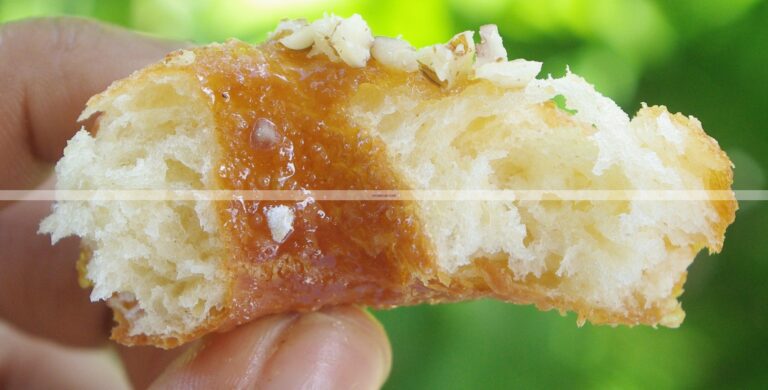
Creating filled donuts at home is easier than you think! In this guide, you’ll learn how to make fluffy, delicious filled donuts from scratch, complete with a variety of filling options. With just a few simple ingredients and steps, you can impress friends and family with your baking skills. This step-by-step approach not only simplifies the process but also ensures that you achieve the perfect balance of flavor and texture in every bite.
Essential Ingredients for Filled Donuts

The foundation of any great filled donut begins with the essential ingredients. You will need:
– Flour: All-purpose flour works best for a balanced texture and fluffiness.
– Sugar: Granulated sugar adds sweetness and helps with the dough’s browning during frying.
– Yeast: Active dry yeast is crucial for leavening, giving your donuts that airy quality.
– Eggs: Eggs enrich the dough, contributing to a tender crumb and a richer flavor.
– Butter: For a delightful richness and flavor, unsalted butter is preferred.
– Milk: Warm milk helps activate the yeast and brings moisture to the dough.
In addition to these foundational components, you can explore a variety of filling options. Common choices include:
– Jam: Raspberry or strawberry jam adds a fruity sweetness.
– Cream: A whipped cream filling for a light, airy texture.
– Custard: Rich vanilla custard for a decadent experience.
– Chocolate: Melted chocolate or chocolate ganache for a rich, indulgent filling.
These fillings can be customized based on your preferences, ensuring that your donuts are a unique treat.
Step-by-Step Dough Preparation

To achieve the perfect filled donut, the dough preparation is crucial. Follow these steps closely:
1. Mix Dry Ingredients: In a large mixing bowl, combine 3 cups of flour, 1/4 cup of granulated sugar, 1 packet (2 1/4 teaspoons) of active dry yeast, and a pinch of salt. Whisk these ingredients together until evenly mixed.
2. Add Wet Ingredients: Gradually add 1/2 cup of warm milk (about 110°F), 2 beaten eggs, and 1/4 cup of melted unsalted butter. Mix until a shaggy dough forms.
3. Knead the Dough: Transfer the dough onto a floured surface and knead it for about 8-10 minutes until it becomes smooth and elastic. This step is critical as it develops the gluten structure, giving the donuts their desired texture.
4. Rest the Dough: Place the kneaded dough in a lightly greased bowl, cover it with a damp cloth or plastic wrap, and let it rest in a warm area for about 1-2 hours, or until it doubles in size.
Perfecting the Rising Process
The rising process is where the magic happens. To ensure your donuts are light and fluffy:
– Warm Environment: Find a warm spot in your kitchen, like near a preheated oven or a sunny window. Yeast thrives in warmth, helping the dough to rise effectively.
– Check the Volume: The dough should approximately double in size. A good tip is to lightly press your finger into the dough; if the indentation remains, it’s ready to proceed.
📋 DATA
Top 7 Filling Choices for Filled Donuts
| # | Filling Type | Popularity Rating | Flavor Profile |
|---|---|---|---|
| 1 | Chocolate | ★★★★★ | Rich, Sweet |
| 2 | Vanilla Custard | ★★★★ | Creamy, Sweet |
| 3 | Raspberry Jam | ★★★★ | Tart, Sweet |
| 4 | Lemon Curd | ★★★ | Citrusy, Sweet |
| 5 | Whipped Cream | ★★★ | Light, Sweet |
| 6 | Peanut Butter | ★★★ | Nutty, Sweet |
| 7 | Apple Pie Filling | ★★★ | Spiced, Sweet |
📈 CHART
Popularity of Donut Fillings
Shaping and Frying Your Donuts
Once your dough has risen, it’s time to shape and fry your donuts. Here’s how:
1. Roll Out the Dough: On a floured surface, roll out the dough to about 1/2 inch thick. Use a doughnut cutter or two round cookie cutters (one larger and one smaller) to cut out the donut shapes.
2. Create a Hole: For filled donuts, you can either make a hole in the center or form them into balls. If making filled balls, ensure they’re smooth and rounded.
3. Second Rise: Let the shaped donuts rest for about 30 minutes until they puff up slightly.
4. Frying: Heat oil in a deep fryer or heavy pot to 350°F (175°C). Carefully place the donuts into the hot oil, frying them in batches. Fry for about 1-2 minutes on each side until golden brown. Use a slotted spoon to remove them and place them on paper towels to drain excess oil.
Filling Your Donuts
Filling your donuts can be done in two primary ways:
– Injecting: Use a pastry bag fitted with a filling tip to inject your desired filling into the center of each donut. This method ensures a generous amount of filling.
– Rolling: Alternatively, you can roll your donuts in a bowl of granulated sugar after frying and then cut them open to add filling manually.
Regardless of your method, ensure that your filling is at room temperature to make the process easier and to avoid melting the donuts.
Glazing and Finishing Touches
To elevate your filled donuts, glazing and toppings can make a significant difference. Here’s how to do it:
1. Make the Glaze: Combine 1 cup of powdered sugar with 2-3 tablespoons of milk until smooth. You can adjust the consistency by adding more sugar or milk as needed.
2. Glazing: Dip the tops of each donut into the glaze or use a pastry brush to apply it.
3. Add Toppings: Consider adding colorful sprinkles, shredded coconut, or chopped nuts for added texture and flavor. Be creative and make each donut unique!
Storing Your Filled Donuts
Proper storage is crucial to maintain the quality of your filled donuts:
– Airtight Container: Store cooled donuts in an airtight container to prevent them from drying out.
– Refrigeration: If you have custard or cream fillings, it’s best to refrigerate them. For other fillings like jam or chocolate, they can be stored at room temperature.
– Enjoying Fresh: Filled donuts are best enjoyed fresh, but if stored correctly, they can last for a few days. For longer storage, consider freezing them. To freeze, wrap each donut tightly in plastic wrap and place them in a freezer bag. They can be thawed at room temperature when you’re ready to enjoy.
By following these steps, you’ll have beautifully made filled donuts that are sure to delight anyone who tries them. Gather your ingredients, roll up your sleeves, and start baking! Whether for a special occasion or just a treat for yourself, filled donuts are a fantastic choice. Enjoy the process, and don’t forget to share your delicious creations with family and friends!
Frequently Asked Questions
What are the key ingredients for a filled donut recipe?
The essential ingredients for a filled donut recipe include all-purpose flour, sugar, yeast, eggs, milk, and butter. For the filling, popular choices are jam, cream, or custard. Using high-quality ingredients ensures a fluffy texture and rich flavor, which enhances the overall taste of your filled donuts.
How do I make the dough for filled donuts?
To make the dough for filled donuts, start by activating yeast in warm milk with a bit of sugar. Combine this mixture with flour, eggs, and melted butter to form a soft dough. Knead the dough until it becomes smooth, then let it rise until it doubles in size, which usually takes about an hour.
Why do my filled donuts turn out greasy after frying?
Greasy filled donuts are often a result of frying at too low a temperature or overcooking them. If the oil temperature is not high enough, the donuts will absorb excess oil, leading to a greasy texture. Use a thermometer to maintain the oil at 350°F (175°C) for optimal frying results.
What is the best filling for homemade donuts?
The best filling for homemade donuts depends on personal preference, with options like fruit preserves, chocolate ganache, or pastry cream being popular choices. For a classic taste, raspberry or custard fillings are recommended, while chocolate lovers might enjoy Nutella or cream cheese filling for a rich twist.
Which type of oil is best for frying filled donuts?
The best type of oil for frying filled donuts is one with a high smoke point, such as vegetable oil, canola oil, or peanut oil. These oils can withstand high temperatures without breaking down, resulting in perfectly cooked donuts that are golden brown and not overly greasy.
References
- Doughnut
https://en.wikipedia.org/wiki/Doughnut - https://www.sciencedirect.com/topics/food-science/doughnut
https://www.sciencedirect.com/topics/food-science/doughnut - https://www.ncbi.nlm.nih.gov/pmc/articles/PMC7151303/
https://www.ncbi.nlm.nih.gov/pmc/articles/PMC7151303/ - Google Scholar Google Scholar
https://scholar.google.com/scholar?q=filled+donut+recipe - https://www.nytimes.com/2019/02/20/dining/doughnuts-recipes.html
https://www.nytimes.com/2019/02/20/dining/doughnuts-recipes.html - https://www.verywellfit.com/how-to-make-filled-doughnuts-4165308
https://www.verywellfit.com/how-to-make-filled-doughnuts-4165308 - Doughnut | Definition, History, Types, & Origins | Britannica
https://www.britannica.com/topic/doughnut - Google Scholar Google Scholar
https://scholar.google.com/scholar?q=doughnut+recipes - https://www.mayoclinic.org/healthy-lifestyle/nutrition-and-healthy-eating/in-depth/doughnuts/art-20045057
https://www.mayoclinic.org/healthy-lifestyle/nutrition-and-healthy-eating/in-depth/doughnuts/art-20045057 - filled donut recipe – Search results
https://en.wikipedia.org/wiki/Special:Search?search=filled+donut+recipe