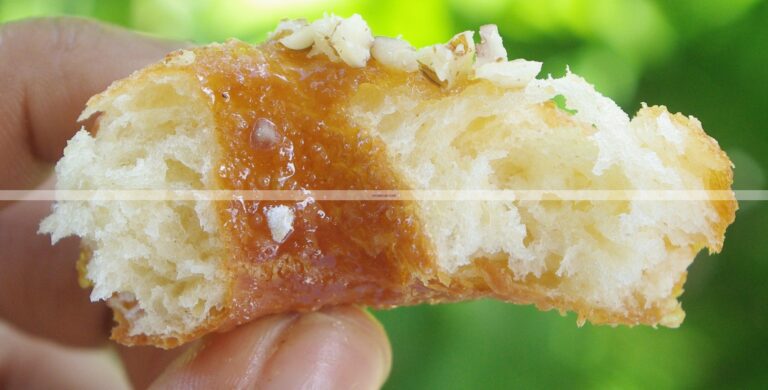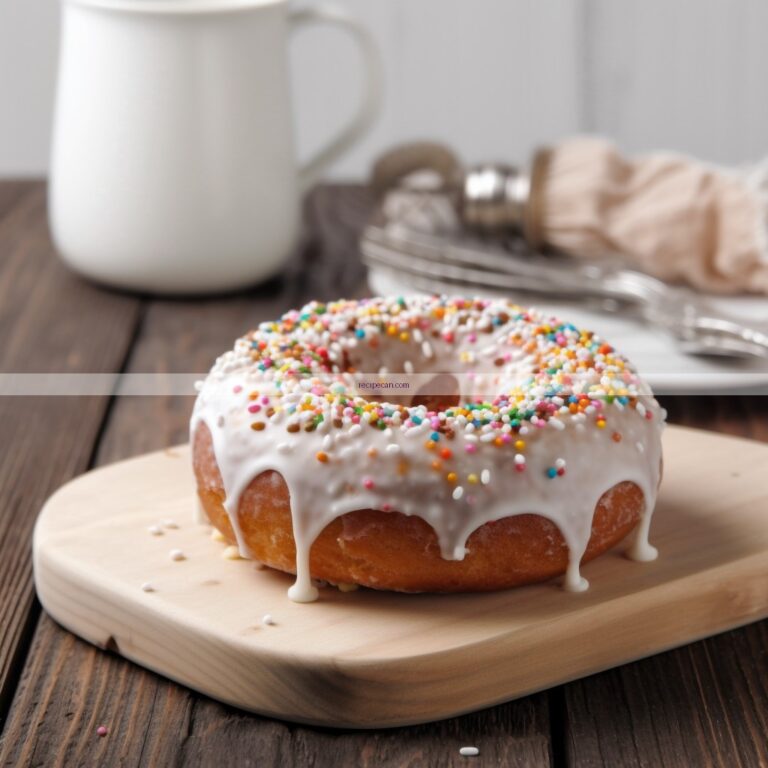
Get ready to enjoy your favorite Dunkin’ Donuts treats right in your own kitchen! This article will guide you through a simple and delicious recipe to recreate iconic Dunkin’ donuts. You’ll learn about the ingredients, step-by-step instructions, and tips for achieving that perfect donut texture and flavor.
Essential Ingredients for Dunkin’ Donuts

To recreate the delightful experience of Dunkin’ Donuts at home, you’ll need a few essential ingredients that form the backbone of any good donut recipe.
– Flour: All-purpose flour is the primary ingredient, providing the structure and base for your donuts.
– Sugar: Granulated sugar sweetens the dough and enhances the flavor, while powdered sugar can be used later for glazes.
– Yeast: Active dry yeast is crucial for that fluffy, airy texture that Dunkin’ donuts are known for.
– Eggs and Milk: These ingredients add richness and moisture to the dough, contributing to its softness and flavor.
– Flavorings: Don’t forget to include essential flavorings like vanilla extract for sweetness or nutmeg for a hint of spice. These ingredients elevate the overall taste profile of your donuts.
By carefully selecting fresh, high-quality ingredients, you can ensure that your homemade donuts taste as good as the ones from your favorite Dunkin’ shop.
Step-by-Step Dough Preparation

Creating the perfect donut starts with the dough. Follow these steps for a smooth and pliable dough that rises beautifully:
1. Activate the Yeast: In a bowl, combine warm milk (about 110°F) and sugar. Sprinkle the yeast over the milk and let it sit for about 5 to 10 minutes, or until it becomes frothy. This indicates that your yeast is active and ready to rise.
2. Mix Dry Ingredients: In a separate bowl, whisk together the flour, salt, and any additional spices or flavorings. This step ensures that the dry ingredients are evenly distributed.
3. Combine Wet and Dry Ingredients: Gradually add the yeast mixture and beaten eggs to the bowl of dry ingredients. Stir until a shaggy dough forms.
4. Knead the Dough: Transfer the dough to a floured surface and knead it for about 8-10 minutes. You want the dough to become smooth and elastic. If it’s too sticky, add small amounts of flour as needed, but avoid adding too much.
5. First Rise: Place the dough in a greased bowl, cover it with a clean cloth, and let it rise in a warm area until it doubles in size, which usually takes about 1 hour.
Shaping and Proofing the Donuts
Once your dough has risen beautifully, it’s time to shape and proof your donuts:
1. Roll Out the Dough: After the first rise, punch down the dough and transfer it to a floured surface. Roll it out to about ½ inch thick.
2. Cut Into Shapes: Use a donut cutter or two round cutters of different sizes to cut out your donuts. Make sure to press down firmly to ensure clean edges.
3. Second Rise: Place the shaped donuts on a parchment-lined baking sheet, cover them with a cloth, and let them rise again until they double in size—this may take about 30-45 minutes. This step is critical for achieving that light and airy texture.
4. Keep Warm: Ensure that the donuts are kept in a warm environment during this proofing process as it aids in the yeast activation.
Key Ingredients for Dunkin’ Donuts (2023)
| # | Ingredient | Amount | Purpose |
|---|---|---|---|
| 1 | All-purpose Flour | 4 cups | Base for dough |
| 2 | Granulated Sugar | ½ cup | Sweetener |
| 3 | Active Dry Yeast | 2¼ tsp | Leavening agent |
| 4 | Whole Milk | 1 cup | Moisture & richness |
| 5 | Eggs | 2 large | Richness |
| 6 | Salt | ½ tsp | Flavor enhancer |
| 7 | Vanilla Extract | 1 tsp | Flavoring |
Frying or Baking: Choosing Your Method
When it comes to cooking your donuts, you have two primary methods: frying or baking. Each method has its advantages and can yield delicious results.
– Frying: This is the traditional approach that creates that iconic Dunkin’ texture—crispy on the outside and fluffy on the inside. To fry, heat oil to about 350°F. Carefully place your donuts in the hot oil, frying until golden brown on each side. Ensure you don’t overcrowd the pan, as this can lower the oil temperature and result in greasy donuts.
– Baking: If you prefer a healthier option, baking your donuts is a viable alternative. Preheat your oven to 350°F and place the shaped donuts in a greased donut pan. Bake for about 10-12 minutes or until they are lightly golden. While they won’t have the same texture as fried donuts, they can still be delicious and guilt-free.
Choosing between frying and baking ultimately depends on your personal preference and dietary considerations.
Frying vs. Baking Donuts: Key Differences
Delicious Glazes and Toppings
No donut is complete without a delightful glaze or topping! Here are some classic and creative options to consider:
– Classic Glaze: For a simple glaze, whisk together powdered sugar and milk until smooth. Dip the cooled donuts in the glaze and let them set on a wire rack.
– Chocolate Glaze: Melt chocolate with a bit of butter and corn syrup, then dip your donuts for a rich chocolatey finish.
– Cinnamon Sugar: After frying or baking, toss the warm donuts in a mixture of granulated sugar and cinnamon for a sweet, aromatic coating.
– Sprinkles: For a festive touch, add colorful sprinkles to any glaze while it’s still wet.
Achieving the perfect coating is all about timing; ensure your donuts are still warm when applying the glaze or topping to allow for better adherence.
Serving Suggestions
Homemade Dunkin’ donuts can be enjoyed in various delightful ways:
1. Pair with Coffee: Serve your donuts with a freshly brewed cup of coffee or hot chocolate for a satisfying treat.
2. Creative Displays: For gatherings, consider arranging your donuts on a tiered stand or serving them in a decorative box to impress your guests.
3. Storage Tips: To maintain freshness, store leftovers in an airtight container at room temperature for up to 2 days. For longer storage, they can be frozen and reheated in the oven.
Making your own Dunkin’ donuts at home is a rewarding experience that brings the joy of this beloved treat right to your kitchen. By following these recipes and tips, you can enjoy fresh donuts anytime. Grab your apron, gather your ingredients, and start your donut-making adventure today!
Frequently Asked Questions
What is the basic Dunkin’ Donuts recipe for their classic glazed donuts?
The basic Dunkin’ Donuts recipe for classic glazed donuts includes simple ingredients such as all-purpose flour, sugar, yeast, milk, eggs, and butter. To achieve that signature taste, the dough is typically fried until golden brown and then coated with a sweet glaze made from powdered sugar and water. Following the right temperature and timing during frying is crucial for that perfect texture.
How can I replicate Dunkin’ Donuts’ coffee flavor at home?
To replicate Dunkin’ Donuts’ coffee flavor, start with high-quality coffee beans, preferably a medium roast similar to their Original Blend. Use a drip coffee maker or French press to brew your coffee, ensuring the water temperature is between 195°F and 205°F for optimal extraction. For added authenticity, consider adding cream and sugar to achieve the same rich, creamy taste.
Why are my homemade Dunkin’ Donuts not rising properly?
If your homemade Dunkin’ Donuts are not rising properly, it could be due to inactive yeast, inadequate proofing time, or incorrect temperatures. Ensure your yeast is fresh and activated by mixing it with warm water and sugar before adding it to the dough. Additionally, allow the dough to rise in a warm, draft-free area until it doubles in size, which is essential for achieving that light and fluffy texture.
What is the best way to store homemade Dunkin’ Donuts to keep them fresh?
The best way to store homemade Dunkin’ Donuts is to place them in an airtight container at room temperature for up to two days. For longer storage, consider freezing them; simply wrap each donut in plastic wrap and place them in a freezer-safe bag. When ready to enjoy, thaw at room temperature or warm briefly in the microwave for that fresh-out-of-the-fryer taste.
Which ingredients are essential for making Dunkin’ Donuts’ famous blueberry muffins?
Essential ingredients for making Dunkin’ Donuts’ famous blueberry muffins include all-purpose flour, sugar, baking powder, salt, eggs, milk, and fresh blueberries. The combination of these ingredients, along with a touch of vanilla extract, creates a moist and flavorful muffin. To enhance the texture, consider adding a crumb topping made from butter, flour, and sugar before baking.
References
- Dunkin’ Donuts
https://en.wikipedia.org/wiki/Dunkin%27 - https://www.britannica.com/topic/Dunkin-Donuts
https://www.britannica.com/topic/Dunkin-Donuts - https://pubmed.ncbi.nlm.nih.gov/
https://pubmed.ncbi.nlm.nih.gov/ - https://www.ncbi.nlm.nih.gov/pmc/articles/PMC6763920/
https://www.ncbi.nlm.nih.gov/pmc/articles/PMC6763920/ - https://www.sciencedirect.com/topics/food-science/dunkin-donuts
https://www.sciencedirect.com/topics/food-science/dunkin-donuts - Google Scholar Google Scholar
https://scholar.google.com/scholar?q=dunkin+donuts+recipe - Google Scholar Google Scholar
https://scholar.google.com/scholar?q=Dunkin+Donuts+history - Google Scholar Google Scholar
https://scholar.google.com/scholar?q=Dunkin+Donuts+nutritional+information - https://www.bbc.com/news/topics/cywd23g1d2wt/dunkin-donuts
https://www.bbc.com/news/topics/cywd23g1d2wt/dunkin-donuts - https://www.nytimes.com/2020/10/16/business/dunkin-donuts-coffee.html
https://www.nytimes.com/2020/10/16/business/dunkin-donuts-coffee.html