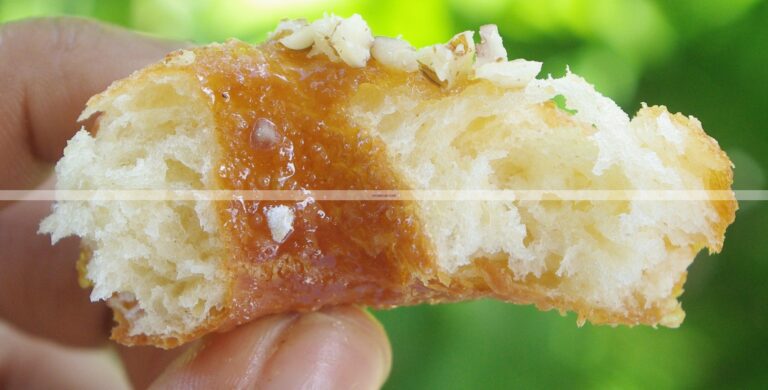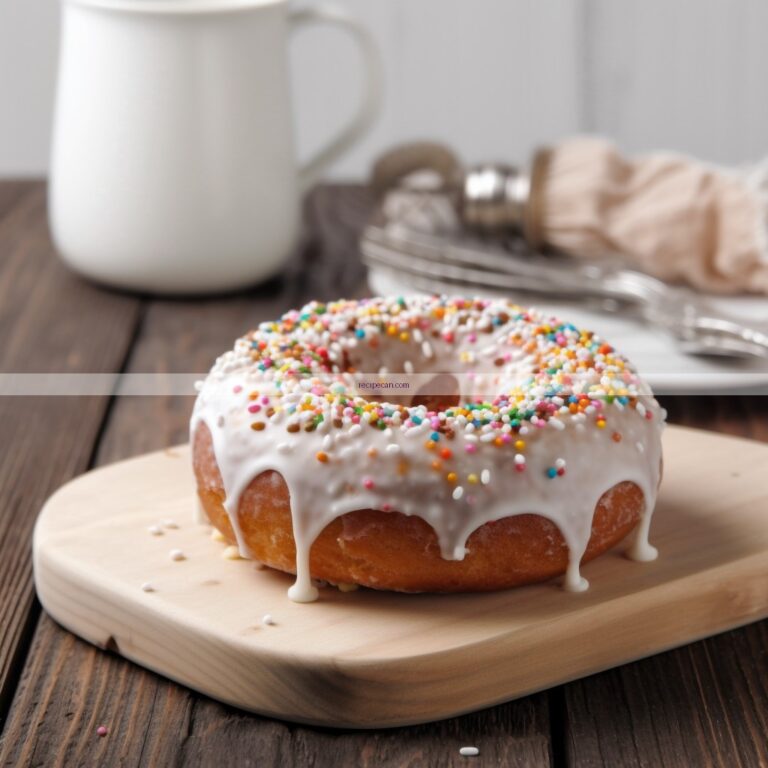
Making gluten free donuts at home is not only simple but also results in a delicious treat that everyone can enjoy. With the right ingredients and a few easy steps, you can whip up a batch of soft, fluffy donuts that are completely gluten-free. In this article, you’ll learn how to create these delightful donuts from scratch, along with tips for customization and storage.
Essential Ingredients for Gluten Free Donuts

The key to crafting delicious gluten-free donuts lies in selecting the right ingredients. Here are some essential components to get you started:
– Gluten-free flour blend: Opt for a high-quality gluten-free flour blend that includes a mix of rice flour, potato starch, and tapioca flour. This combination mimics the texture of traditional wheat flour and helps achieve the desired fluffiness in your donuts.
– Baking powder and baking soda: These leavening agents are crucial for creating that light and airy texture. Ensure that your baking powder is gluten-free, as some brands may contain gluten as a filler.
– Sweeteners: Granulated sugar is a classic choice, but you can also experiment with alternatives like coconut sugar or maple syrup for a healthier option. These sweeteners can add unique flavors while still keeping your donuts gluten-free.
– Eggs: Eggs play a vital role in binding the ingredients together and providing moisture. If you are looking for an egg-free alternative, consider using flaxseed meal mixed with water.
– Dairy or dairy alternatives: Milk, whether dairy or plant-based, adds richness to the batter. Almond milk or oat milk are great substitutes if you prefer a non-dairy option.
Step-by-Step Preparation Instructions

Creating gluten-free donuts is a straightforward process. Follow these steps to ensure your donuts turn out perfectly every time:
– Mixing the batter: Begin by whisking together your dry ingredients—gluten-free flour, baking powder, baking soda, and sweeteners—in a large mixing bowl. In a separate bowl, combine the wet ingredients, such as eggs, milk, and melted butter. Gradually add the wet mixture to the dry ingredients, stirring until a smooth batter forms.
– Donut shaping: For uniform shapes, use a piping bag to pipe the batter into a donut pan or silicone molds, filling each cavity about halfway. If you don’t have a piping bag, you can use a zip-top bag with the corner snipped off.
– Frying or baking: Decide whether you want fried or baked donuts. For fried donuts, heat oil in a deep fryer or heavy pot to 350°F (175°C) and carefully drop in the batter, cooking until golden brown. For baked donuts, preheat your oven to 350°F (175°C) and bake for 10-12 minutes, or until a toothpick inserted comes out clean.
Top Gluten-Free Flour Brands (2024)
| # | Brand | Type | Main Ingredients | Rating |
|---|---|---|---|---|
| 1 | Bob’s Red Mill | All-Purpose | Rice Flour, Tapioca, Potato Starch | ★★★★☆ |
| 2 | King Arthur | Baking | Rice Flour, Tapioca, Xanthan Gum | ★★★★★ |
| 3 | Pamela’s | Baking | Brown Rice Flour, Tapioca, Potato Starch | ★★★★☆ |
| 4 | Cup 4 Cup | All-Purpose | Rice Flour, Potato Starch, Xanthan Gum | ★★★☆☆ |
| 5 | Schar | All-Purpose | Rice Flour, Potato Starch, Tapioca | ★★★★☆ |
| 6 | Better Batter | All-Purpose | Brown Rice Flour, Potato Starch, Tapioca | ★★★★☆ |
| 7 | Anthony’s Goods | All-Purpose | Brown Rice Flour, Tapioca, Potato Starch | ★★★☆☆ |
Flavor Variations to Try
Once you’ve mastered the basic gluten-free donut recipe, you can explore various flavor variations to suit your palate:
– Chocolate glaze: Melt dark chocolate with a teaspoon of coconut oil for a rich, velvety glaze that pairs wonderfully with the lightness of the donuts.
– Fruit flavors: Incorporate pureed fruits such as bananas, apples, or blueberries directly into the batter for a fruity twist. Adding citrus zest, like lemon or orange, can also brighten the flavor profile.
– Spices: Enhance the flavor with spices such as cinnamon, nutmeg, or cardamom. A teaspoon of vanilla extract can also elevate the overall taste, making your donuts even more delightful.
Popular Donut Flavor Preferences (2024)
Toppings and Glazes
Toppings and glazes can elevate your homemade gluten-free donuts to a new level of indulgence. Here are some popular options to consider:
– Classic powdered sugar: A simple yet effective topping. Dust your donuts lightly with powdered sugar for a sweet finish that complements any flavor.
– Creamy glaze: Combine powdered sugar with a splash of milk (or dairy-free alternatives) to create a smooth glaze. This can be flavored with vanilla or almond extract for added depth.
– Sprinkles: For a fun and festive touch, add sprinkles of your choice. They not only enhance the visual appeal but also add a delightful crunch.
Storage Tips for Freshness
To keep your gluten-free donuts fresh and delicious, consider the following storage tips:
– Room temperature: Store your donuts in an airtight container at room temperature for up to two days. This will help retain their softness.
– Freezing: For longer storage, freeze unglazed donuts individually. Once frozen, you can transfer them to a zip-top bag. When you’re ready to enjoy, thaw them at room temperature and glaze as desired.
Troubleshooting Common Issues
Baking gluten-free donuts can sometimes present challenges. Here are some common issues and their solutions:
– Dense donuts: Ensure you are accurately measuring your ingredients. Sifting your gluten-free flour can also help aerate the mixture, resulting in lighter donuts.
– Sticking to the pan: To prevent sticking, use non-stick spray or opt for silicone molds, which release donuts easily without the need for additional grease.
– Overcooking: Keep a close eye on your baking or frying times. Overcooked donuts can become dry, so it’s essential to check for doneness early.
By following these guidelines, you can ensure that your gluten-free donuts are consistently delicious and enjoyable.
In summary, we’ve covered essential ingredients, step-by-step preparation, flavor variations, toppings, storage tips, and troubleshooting for making gluten-free donuts. Now it’s time to get started on your delicious homemade gluten-free donuts! Don’t forget to share your creations with friends and family, and enjoy your baking adventures!
Frequently Asked Questions
What are the best gluten free flours to use for making donuts?
The best gluten free flours for making donuts include almond flour, coconut flour, and gluten free all-purpose flour blends. These flours provide the right texture and flavor needed for delicious gluten free donuts. Look for blends that contain xanthan gum or guar gum, as they help mimic the elasticity of gluten.
How can I make gluten free donuts rise properly?
To ensure your gluten free donuts rise properly, use a combination of baking powder and baking soda in your recipe. Additionally, including eggs or a flaxseed meal substitute can help create a light and airy texture. Make sure to let the batter rest for a few minutes before baking to enhance the rise.
Why do gluten free donuts sometimes turn out dense?
Gluten free donuts can turn out dense if the wrong flour is used or if there isn’t enough binding agent in the recipe. Using too much flour or not enough moisture can also lead to a heavy texture. To prevent this, follow a trusted gluten free donut recipe and measure ingredients accurately.
Which gluten free donut recipe is the easiest for beginners?
A simple gluten free baked donut recipe is ideal for beginners, as it typically requires fewer ingredients and no frying. Look for recipes that use gluten free all-purpose flour and straightforward mixing methods. Recipes that include common pantry staples like eggs, yogurt, and baking powder are great starting points.
What can I add to enhance the flavor of gluten free donuts?
To enhance the flavor of gluten free donuts, consider adding vanilla extract, cinnamon, or nutmeg to the batter. Incorporating ingredients like cocoa powder or citrus zest can also elevate the taste. Toppings such as a glaze, powdered sugar, or sprinkles can add a delightful finish to your gluten free donuts.
References
- Gluten-free diet
https://en.wikipedia.org/wiki/Gluten-free_diet - https://www.ncbi.nlm.nih.gov/pmc/articles/PMC4333901/
https://www.ncbi.nlm.nih.gov/pmc/articles/PMC4333901/ - https://www.mayoclinic.org/healthy-lifestyle/nutrition-and-healthy-eating/in-depth/gluten-free-diet/art-20045408
https://www.mayoclinic.org/healthy-lifestyle/nutrition-and-healthy-eating/in-depth/gluten-free-diet/art-20045408 - https://www.cdc.gov/nutrition/articles/gluten-free-foods.html
https://www.cdc.gov/nutrition/articles/gluten-free-foods.html - https://www.sciencedirect.com/topics/food-science/gluten-free-products
https://www.sciencedirect.com/topics/food-science/gluten-free-products - https://www.bbc.com/news/health-30298329
https://www.bbc.com/news/health-30298329 - https://www.nhlbi.nih.gov/health-topics/celiac-disease
https://www.nhlbi.nih.gov/health-topics/celiac-disease - https://www.theguardian.com/lifeandstyle/2016/apr/28/gluten-free-diet-recipes-doughnuts
https://www.theguardian.com/lifeandstyle/2016/apr/28/gluten-free-diet-recipes-doughnuts - Google Scholar Google Scholar
https://scholar.google.com/scholar?q=gluten+free+donuts+recipe - Google Scholar Google Scholar
https://scholar.google.com/scholar?q=gluten+free+baking+recipes