Making homemade donuts is simpler than you might think, and with this easy recipe, you can enjoy fresh, warm donuts in no time. Whether you prefer glazed, powdered, or filled, you’ll find the perfect method to satisfy your sweet tooth right here. This guide provides a comprehensive look at the ingredients, preparation steps, and variations that will help you create delightful donuts in your kitchen.
Ingredients You’ll Need

To start your donut-making journey, it’s essential to gather the right ingredients. The foundation of any classic donut recipe includes the following basic components:
– Flour: All-purpose flour is the most commonly used type, providing the necessary structure.
– Sugar: Granulated sugar adds sweetness to the dough and balances flavors.
– Yeast: Active dry yeast helps the donuts rise and gives them that light, airy texture.
– Milk: Whole milk contributes richness and moisture, leading to a softer donut.
– Eggs: Eggs act as binders, adding richness and helping the dough rise.
– Butter: Melted butter enhances flavor and adds moisture to the donut.
Additionally, you may wish to enhance the flavor of your donuts with optional ingredients such as:
– Vanilla extract: For a classic flavor boost.
– Nutmeg or cinnamon: These spices can add a warm, aromatic touch.
Preparation Steps

Once you have all your ingredients, it’s time to start the preparation process. Follow these steps carefully to ensure you create delicious donuts.
Mixing the dough
Begin by combining all your dry ingredients in a large mixing bowl. This includes flour, sugar, and yeast. Make sure the yeast is activated by dissolving it in a warm liquid before mixing. Gradually add your wet ingredients—milk, eggs, and melted butter—to the dry mixture. Stir until a sticky dough forms.
Kneading
The next step is kneading the dough, which is crucial for developing gluten, giving your donuts their characteristic chewy texture. Transfer the dough onto a floured surface and begin kneading for about 5-10 minutes. The dough should become smooth and elastic. If it’s too sticky, sprinkle a little more flour as you knead.
Shaping Your Donuts
Once your dough has risen and doubled in size, it’s time to shape your donuts.
Rolling out the dough
Using a rolling pin, roll out the dough on a floured surface until it is approximately ½ inch thick. Be sure to keep the thickness consistent to ensure even cooking.
Cutting shapes
To create the classic donut shape, use a donut cutter or two round cookie cutters of different sizes. First, cut out the outer circle, then use the smaller cutter to remove the center. Place the shaped donuts on a parchment-lined baking sheet and let them rise again for about 30 minutes.
Frying Techniques
Frying is where the magic happens, transforming your dough into golden, fluffy donuts.
Choosing oil
Select a neutral oil with a high smoke point, like vegetable or canola oil, for frying. Heat the oil in a deep skillet or fryer to around 375°F. Use a thermometer to ensure the oil is at the right temperature; too hot can burn the donuts, while too cool can result in greasy treats.
Frying process
Carefully drop the donuts into the hot oil, being careful not to overcrowd the pan. Fry each donut for about 1-2 minutes on each side or until they are golden brown. Remove them from the oil with a slotted spoon and place them on paper towels to drain excess oil.
Glazing and Toppings
Now that your donuts are fried and cooled, it’s time to add some delicious finishes.
Simple glaze
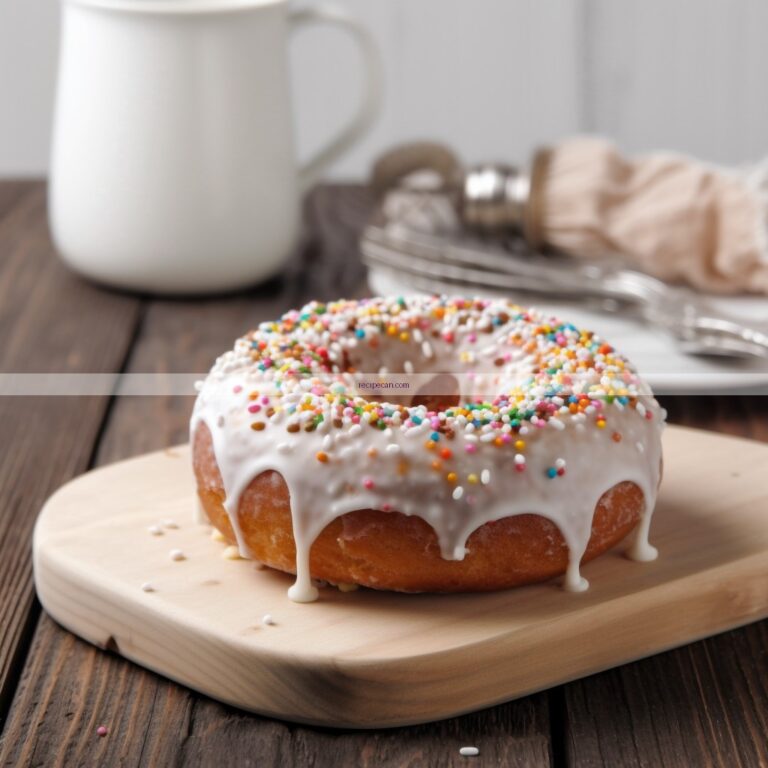
A basic glaze can be made by mixing powdered sugar with a small amount of milk and vanilla extract. Dip the top of each donut into the glaze, allowing excess to drip off. For a thicker coating, repeat the dipping process after the first layer has set.
Creative toppings
For an added flair, consider various toppings such as:
– Sprinkles: Colorful sprinkles can be added immediately after glazing for a festive look.
– Chocolate glaze: Melt chocolate chips with a bit of butter or cream for a rich chocolate coating.
– Filled donuts: Use a piping bag to fill your donuts with jelly, custard, or cream for an indulgent twist.
Popular Donut Flavors and Preferences
| # | Flavor | Popularity (%) | Calories | Rating |
|---|---|---|---|---|
| 1 | Glazed | 40% | 200 | ★★★★ |
| 2 | Chocolate | 30% | 250 | ★★★★☆ |
| 3 | Jelly Filled | 15% | 220 | ★★★★ |
| 4 | Powdered Sugar | 10% | 180 | ★★★ |
| 5 | Maple Glazed | 5% | 230 | ★★★★☆ |
| 6 | Cinnamon Sugar | 5% | 210 | ★★★ |
| 7 | Others | 5% | 200 | ★★★ |
Storage Tips
After all your hard work, you’ll want to ensure your donuts stay fresh for as long as possible.
Short-term storage
For short-term storage, simply keep your donuts in an airtight container at room temperature. They will remain fresh for about one to two days. If you find that they are getting stale, consider toasting them lightly in the oven to revive their texture before serving.
Freezing
If you want to store your donuts for a longer period, freezing is the best option. Wrap each donut individually in plastic wrap, and then place them in a freezer-safe bag or container. They can be frozen for up to a month. When you’re ready to enjoy them, simply thaw at room temperature or warm them in the oven for a few minutes.
Variations to Try
Donuts are a versatile treat, and there are countless ways to customize them to suit your taste.
Flavor adaptations
Experimenting with different flavors can lead to delightful surprises. Consider adding pumpkin spice for a seasonal twist, lemon zest for a refreshing flavor, or cocoa powder for chocolate donuts.
Healthier options
If you’re looking for a healthier twist, you might consider baking your donuts instead of frying. Baked donuts can be made using whole wheat flour and less sugar for a guilt-free approach.
Homemade Donut Variations Popularity
Homemade donuts are not just a delicious treat; they are a fun and rewarding baking project that you can enjoy with family and friends. By following this easy and straightforward recipe, you can create a variety of flavors and styles to cater to everyone’s preferences. Remember to experiment with different toppings and fillings to make your donuts uniquely yours. So grab your ingredients, roll up your sleeves, and start frying up some sweet treats today!
Frequently Asked Questions
What are the basic ingredients needed for a homemade donut recipe?
The basic ingredients for a homemade donut recipe typically include all-purpose flour, sugar, yeast, milk, eggs, butter, and a pinch of salt. For added flavor, you may also consider vanilla extract or nutmeg. Using high-quality ingredients will ensure your donuts have the best texture and taste.
How do you make donuts from scratch without a deep fryer?
You can make donuts from scratch without a deep fryer by baking them in the oven. Simply prepare your donut dough, shape it into rings, and place them on a baking sheet. Bake at 350°F (175°C) for about 10-12 minutes until they are golden brown, and then glaze or sprinkle them with sugar to finish.
Why do my homemade donuts turn out dense instead of fluffy?
Dense homemade donuts may result from not allowing the dough to rise adequately or overworking the dough. Ensure you let the yeast activate properly and give the dough enough time to rise until it has doubled in size. Additionally, be gentle when kneading and shaping the dough to keep the air bubbles intact.
What is the best way to glaze homemade donuts?
The best way to glaze homemade donuts is to prepare a simple glaze using powdered sugar, milk, and vanilla extract. Dip the warm donuts directly into the glaze for a smooth finish, allowing any excess to drip off. For a variety of flavors, you can add cocoa powder for chocolate glaze or fruit purees for a fruity twist.
Which type of flour is best for making donuts?
All-purpose flour is commonly used for making donuts, providing a good balance of structure and tenderness. However, for a lighter, fluffier texture, you can also use cake flour, which has a lower protein content. Experimenting with different flours can help you achieve the perfect donut consistency for your taste.
References
- Doughnut
https://en.wikipedia.org/wiki/Donut - https://www.ncbi.nlm.nih.gov/pmc/articles/PMC5012356/
https://www.ncbi.nlm.nih.gov/pmc/articles/PMC5012356/ - https://www.sciencedirect.com/science/article/pii/S0958694619302041
https://www.sciencedirect.com/science/article/pii/S0958694619302041 - https://www.mayoclinic.org/healthy-lifestyle/nutrition-and-healthy-eating/expert-answers/donuts/faq-20058556
https://www.mayoclinic.org/healthy-lifestyle/nutrition-and-healthy-eating/expert-answers/donuts/faq-20058556 - https://www.bbc.com/food/recipes/doughnuts_87085
https://www.bbc.com/food/recipes/doughnuts_87085 - Doughnut | Definition, History, Types, & Origins | Britannica
https://www.britannica.com/topic/doughnut - https://www.nytimes.com/2020/06/12/dining/doughnuts-recipe.html
https://www.nytimes.com/2020/06/12/dining/doughnuts-recipe.html - Google Scholar Google Scholar
https://scholar.google.com/scholar?q=recipe+for+donuts - Google Scholar Google Scholar
https://scholar.google.com/scholar?q=donut+nutrition - Google Scholar Google Scholar
https://scholar.google.com/scholar?q=doughnut+history