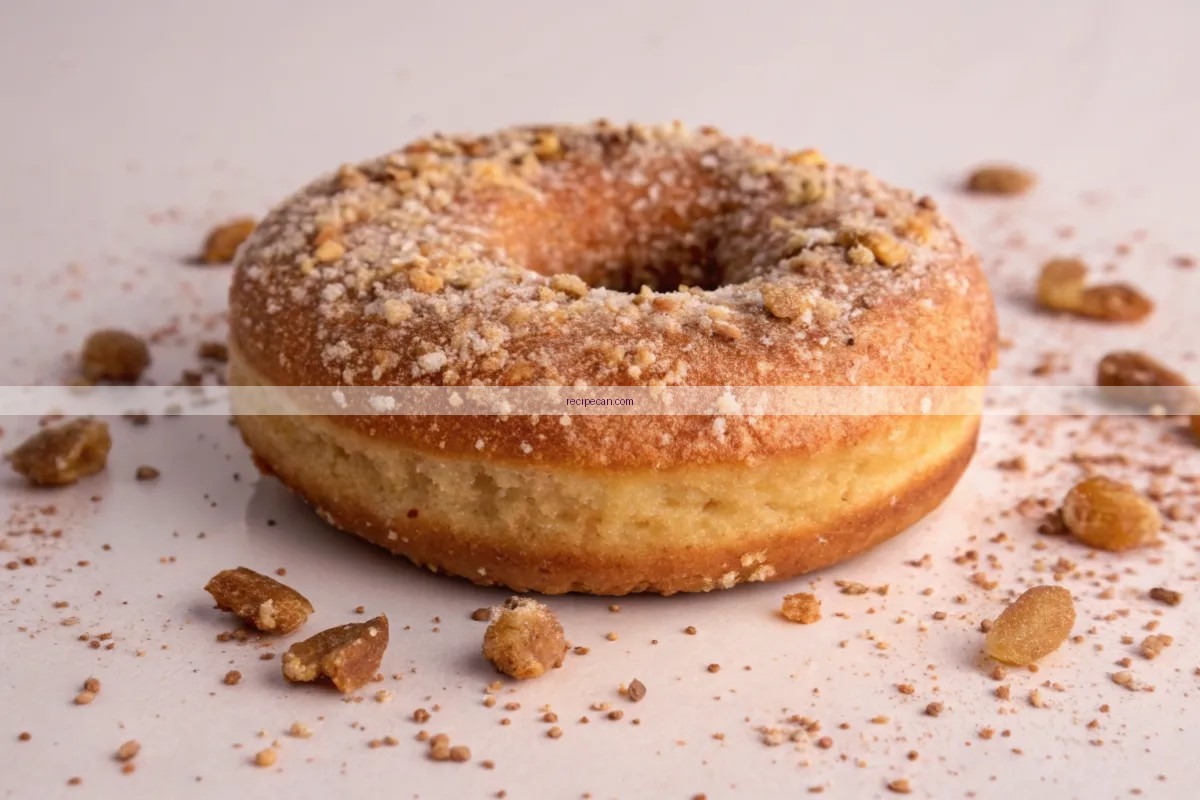
Making protein donuts at home is a fantastic way to enjoy a sweet treat while still fueling your body with nutritious ingredients. This article will guide you through the process of creating delicious protein donuts that are easy to prepare, making them perfect for a post-workout snack or a guilt-free dessert. With the right ingredients and a few simple steps, you can indulge in a sweet treat that supports your nutritional goals.
Ingredients You’ll Need

To create your protein donuts, gather the following ingredients:
– Protein Powder Options: You can choose between different types of protein powders to suit your dietary preferences. Some popular options include:
– Whey Protein: Known for its high biological value and quick absorption.
– Plant-Based Proteins: Such as pea protein or brown rice protein, suitable for vegans and those with lactose intolerance.
– Casein Protein: A slower-digesting option that can keep you feeling full longer.
– Key Baking Ingredients: Essential components include:
– Flour: Use whole wheat flour, almond flour, or oat flour for added nutrition.
– Sweeteners: Opt for natural sweeteners like honey, maple syrup, or stevia to reduce refined sugar intake.
– Eggs: These provide structure and moisture; you can also use flax eggs for a vegan alternative.
– Flavoring Options: Enhance the taste of your donuts with:
– Vanilla Extract: Adds a warm flavor profile.
– Cocoa Powder: Perfect for chocolate lovers.
– Spices: Consider cinnamon or nutmeg for an aromatic touch.
Step-by-Step Instructions

1. Preheat Your Oven: Set your oven to 350°F (175°C) to ensure even baking.
2. Mix Dry and Wet Ingredients Separately:
– In a large bowl, combine your chosen protein powder, flour, sweetener, and any spices.
– In another bowl, whisk together the eggs, vanilla extract, and any liquids (like milk or yogurt).
3. Combine Ingredients: Gradually mix the wet ingredients into the dry ingredients until just combined. Be careful not to over-mix, as this can lead to dense donuts.
4. Use a Donut Pan: Lightly grease a donut pan and pour the batter into each mold, filling them about 2/3 full to allow for rising.
5. Bake: Place the pan in the preheated oven and bake for approximately 10-12 minutes, or until the donuts spring back when lightly pressed.
6. Cool and Enjoy: Allow the donuts to cool in the pan for a few minutes before transferring them to a wire rack.
Customization Ideas
To make your protein donuts uniquely yours, consider these customization options:
– Toppings: Enhance the visual appeal and flavor of your donuts with various toppings such as:
– Glaze: A simple glaze made from powdered sugar and milk can add sweetness.
– Sprinkles: Colorful sprinkles can make these treats fun, especially for children.
– Nuts: Chopped nuts or seeds can add a satisfying crunch.
– Flavor Variations: Experiment with different flavors to keep things interesting:
– Chocolate Chip: Fold in dark chocolate chips for a rich, sweet addition.
– Berry-Infused: Add fresh or frozen berries like blueberries or raspberries for a fruity twist.
– Incorporating Different Protein Sources:
– Greek Yogurt: Substitute some of the wet ingredients with Greek yogurt for added creaminess and protein.
– Nut Butter: Swirl in your favorite nut butter for a boost of healthy fats and flavor.
Nutritional Benefits
These protein donuts offer numerous health benefits compared to traditional donut options:
– Protein Content: Each donut can pack a significant amount of protein, depending on the protein powder used. For instance, one donut can contain around 10-15 grams of protein, aiding muscle recovery and satiety.
– Whole Ingredients: Using whole food ingredients like nut flours, natural sweeteners, and eggs means you are avoiding the refined sugars and unhealthy fats often found in commercial donuts.
– Caloric Comparison: A traditional donut can range from 200-400 calories, with high sugar content. In contrast, a homemade protein donut can be under 150 calories, with less sugar and more nutritional value.
Tips for Perfect Protein Donuts
To ensure your protein donuts turn out perfectly every time, keep these tips in mind:
– Common Mistakes to Avoid:
– Over-mixing the batter can result in dense donuts. Mix just until combined.
– Not greasing the pan adequately can lead to sticking; use non-stick spray or oil.
– Storing Your Donuts:
– Keep your protein donuts in an airtight container at room temperature for up to 3 days, or refrigerate them for up to a week. They can also be frozen for longer storage.
– Achieving the Right Texture:
– Adding a little bit of baking powder can help create fluffier donuts. Adjust the amount based on your flour type and desired texture.
Serving Suggestions
These protein donuts can be enjoyed in various ways:
– Pairing with Beverages: Enjoy your donuts alongside a cup of coffee or a smoothie for a balanced snack.
– Meal Prepping: Make a batch at the beginning of the week for a quick on-the-go breakfast or snack option.
– Breakfast Recipes: Crumble donuts over Greek yogurt or oats for a delightful breakfast treat.
Variations for Dietary Restrictions
If you or your loved ones have dietary restrictions, here are some alternatives:
– Gluten-Free Options: Use almond flour or coconut flour to create gluten-free protein donuts without sacrificing taste.
– Vegan Substitutions: Replace eggs with flax eggs (1 tablespoon of ground flaxseed mixed with 2.5 tablespoons of water per egg) and use plant-based milk.
– High-Fiber Additions: Incorporating chia seeds or ground flaxseed can boost the fiber content, making these donuts even more filling.
These protein donuts are a delightful treat that satisfies your cravings while keeping your nutritional goals on track. Whether you share them with friends or keep them all to yourself, these donuts are sure to impress! Try making a batch today and feel the difference in your snacking habits.
Homemade Protein Donuts: Nutritional Comparison
| # | Ingredient | Calories | Protein (g) | Sugar (g) |
|---|---|---|---|---|
| 1 | Whey Protein Donut | 150 | 12 | 5 |
| 2 | Plant-Based Donut | 140 | 10 | 4 |
| 3 | Casein Protein Donut | 160 | 15 | 3 |
| 4 | Traditional Donut | 300 | 3 | 15 |
| 5 | Gluten-Free Donut | 170 | 10 | 5 |
| 6 | Vegan Donut | 130 | 9 | 4 |
| 7 | Nut-Free Donut | 140 | 12 | 3 |
Protein Donut Flavor Popularity
In summary, these delicious protein donuts present an excellent opportunity to indulge in a sweet treat without sacrificing health. By using wholesome ingredients and customizing to your taste, you can enjoy a guilt-free dessert that aligns with your fitness goals. Happy baking!
Frequently Asked Questions
What are the key ingredients needed for a protein donut recipe?
To make a protein donut recipe, you’ll need protein powder, almond flour or oats, eggs or a flax egg for binding, a sweetener like honey or stevia, baking powder, and your choice of flavorings such as vanilla or cocoa powder. Optional ingredients can include Greek yogurt for moisture and additional protein, as well as toppings like nuts or chocolate chips for extra flavor.
How can I make my protein donuts taste better?
To enhance the flavor of your protein donuts, consider adding spices like cinnamon or nutmeg, or using flavored protein powder such as chocolate or vanilla. Additionally, incorporating ingredients like mashed bananas, applesauce, or yogurt can add moisture and natural sweetness, making the donuts more enjoyable without compromising their health benefits.
Why should I choose protein donuts over regular donuts?
Choosing protein donuts over regular donuts offers several health benefits, including higher protein content that helps with muscle recovery and satiety, making them a better snack option. Additionally, they typically contain less sugar and unhealthy fats, aligning better with fitness goals and dietary preferences.
What is the best way to store protein donuts to maintain freshness?
The best way to store protein donuts is to keep them in an airtight container at room temperature for up to three days. For longer storage, consider refrigerating them for up to a week or freezing them for up to three months. Just be sure to wrap them individually in plastic wrap before freezing to prevent freezer burn.
Which protein powder works best for making protein donuts?
The best protein powder for making protein donuts is one that complements the flavor you’re aiming for, such as whey protein for a creamy texture or plant-based protein for a dairy-free option. Look for protein powders with minimal additives and sugars to ensure your donuts remain healthy and delicious.
References
- Doughnut
https://en.wikipedia.org/wiki/Donut - https://www.ncbi.nlm.nih.gov/pmc/articles/PMC6772709/
https://www.ncbi.nlm.nih.gov/pmc/articles/PMC6772709/ - https://www.ncbi.nlm.nih.gov/pmc/articles/PMC5610050/
https://www.ncbi.nlm.nih.gov/pmc/articles/PMC5610050/ - https://www.mayoclinic.org/healthy-lifestyle/nutrition-and-healthy-eating/in-depth/protein/art-20045473
https://www.mayoclinic.org/healthy-lifestyle/nutrition-and-healthy-eating/in-depth/protein/art-20045473 - https://pubmed.ncbi.nlm.nih.gov/30027334/
https://pubmed.ncbi.nlm.nih.gov/30027334/ - https://www.sciencedirect.com/topics/food-science/donut
https://www.sciencedirect.com/topics/food-science/donut - Google Scholar Google Scholar
https://scholar.google.com/scholar?q=protein+donut+recipe - Google Scholar Google Scholar
https://scholar.google.com/scholar?q=high+protein+baked+donuts - Google Scholar Google Scholar
https://scholar.google.com/scholar?q=nutritional+value+of+donuts - Doughnut | Definition, History, Types, & Origins | Britannica
https://www.britannica.com/topic/doughnut