Making donuts at home is simpler than you might think, and with this easy basic donut recipe, you can create fluffy, delicious treats in no time. This article will guide you through the essential ingredients, preparation steps, and tips for perfecting your homemade donuts, enabling you to impress your friends and family with your baking prowess.
Essential Ingredients for Basic Donuts

The foundation of any great donut lies in its ingredients. Using the right components ensures that your homemade donuts are not only fluffy but also flavorful. Here’s what you need:
– Flour: All-purpose flour is the go-to choice for donut recipes. It provides the right texture and structure necessary for a fluffy, light donut. For a richer flavor, consider using a blend of all-purpose flour with cake flour.
– Sugar: Granulated sugar is essential for sweetening the batter and enhancing the overall flavor profile. You can experiment with different sugars, such as brown sugar or even honey, for added depth.
– Yeast: Active dry yeast is crucial for achieving that fluffy rise that characterizes classic yeast donuts. The yeast ferments the sugars in the dough, producing carbon dioxide bubbles that make the donuts light and airy.
Each ingredient plays a pivotal role in the final product, making it important to measure accurately and choose quality components for the best results.
Preparing the Dough

Creating the perfect donut dough involves a few straightforward steps. Here’s how to do it:
– Mix dry ingredients: Begin by sifting together the flour, sugar, and yeast in a large mixing bowl. Sifting helps to aerate the ingredients, which is particularly beneficial for achieving a light texture.
– Add wet ingredients: In a separate bowl, combine milk, eggs, and melted butter. The milk should be warm (around 110°F) to activate the yeast. Once combined, gently fold the wet ingredients into the dry mixture until a sticky dough forms.
– Kneading: Transfer the dough onto a floured surface and knead it for about 8-10 minutes until it becomes smooth and elastic. This step is crucial as it develops the gluten, contributing to the donuts’ structure and chewiness.
Kneading can be a workout, but it’s essential for achieving that perfect donut texture. If you find it too sticky, feel free to add a little more flour, but be cautious not to overdo it.
Shaping the Donuts
Once your dough is ready, it’s time to shape your donuts:
– Rolling out the dough: Use a rolling pin to flatten the dough to about ½ inch thick. This thickness is ideal for donuts, allowing them to rise properly while frying.
– Cutting shapes: Utilize a donut cutter or two round cookie cutters (one larger and one smaller) to cut out your donut shapes. If you don’t have a donut cutter, you can easily improvise with a glass for the outer shape and a bottle cap for the inner hole.
– Donut holes: Don’t discard the leftover dough! Roll it into small balls to create delicious donut holes. These bite-sized treats are perfect for snacking and can be glazed or coated in sugar just like their larger counterparts.
Shaping the donuts can be a fun activity, especially if you’re involving family or friends in the process.
Frying the Donuts
Frying is the most critical part of making donuts, and it requires careful attention to detail:
– Heat the oil: Use a deep fryer or a heavy pot and fill it with oil, heating it to 375°F. A thermometer is essential here to ensure the oil is at the right temperature; too hot, and the donuts will cook too quickly on the outside while remaining raw inside.
– Frying tips: Fry the donuts for about 2-3 minutes on each side until they turn a golden brown color. Avoid overcrowding the pot, as this can lower the oil temperature and result in greasy donuts.
– Draining: Once fried, use a slotted spoon to remove the donuts and place them on paper towels to absorb excess oil. This step is crucial for preventing sogginess and ensuring that your donuts are light and airy.
Frying can be intimidating, but practice will make you more adept at achieving that perfect golden color.
Glazing and Topping Options
After frying, it’s time to enhance your donuts with delicious toppings:
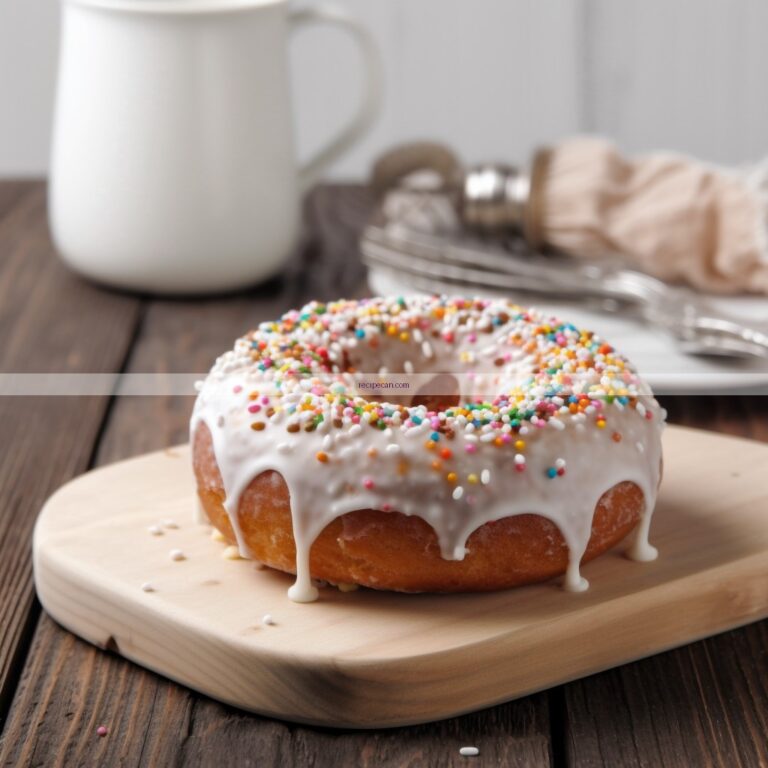
– Basic glaze: For a simple glaze, mix powdered sugar with a few tablespoons of milk until you achieve a smooth consistency. Dip the warm donuts into the glaze and let them sit briefly to allow the glaze to set.
– Topping ideas: The possibilities are endless! You can add colorful sprinkles, drizzle with melted chocolate, or coat them in cinnamon sugar for a classic touch. Consider flavoring your glaze with vanilla extract, almond extract, or even citrus zest for an innovative twist.
Experimenting with different glazes and toppings can make each batch of donuts unique and exciting.
Storage Tips for Fresh Donuts
Once you’ve made your delicious homemade donuts, proper storage is essential to keep them fresh:
– Keep them fresh: Store your donuts in an airtight container at room temperature for up to 2 days. This will help maintain their softness and flavor.
– Freezing: For longer storage, you can freeze donuts. Place them in a single layer on a baking sheet to freeze them individually before transferring them to a freezer-safe bag. When ready to eat, thaw them at room temperature or pop them in the microwave for a few seconds.
Proper storage techniques will ensure that your homemade donuts remain as delightful as the day they were made.
Popular Donut Varieties and Their Ingredients
| # | Donut Type | Main Ingredients | Popularity (%) |
|---|---|---|---|
| 1 | Glazed | Flour, Sugar, Yeast, Milk | 35% |
| 2 | Chocolate Frosted | Flour, Sugar, Cocoa, Milk | 25% |
| 3 | Boston Cream | Flour, Sugar, Custard, Cocoa | 15% |
| 4 | Jelly-Filled | Flour, Sugar, Jelly, Yeast | 10% |
| 5 | Cinnamon Sugar | Flour, Sugar, Cinnamon, Yeast | 10% |
| 6 | Maple Bar | Flour, Sugar, Maple Syrup | 5% |
| 7 | Old-Fashioned | Flour, Sugar, Buttermilk | 5% |
Donut Frying Times Comparison
Enjoy your homemade donuts with family and friends! With this easy recipe, you can impress everyone with your baking skills. Now that you have the steps, gather your ingredients and start frying up some delicious treats!
Frequently Asked Questions
What are the basic ingredients for a homemade donut recipe?
The basic ingredients for a homemade donut recipe typically include all-purpose flour, sugar, baking powder, salt, eggs, milk, and butter. These ingredients create a simple yet delicious base for various types of donuts. You can also customize the flavor by adding vanilla extract or nutmeg for extra taste.
How do I make donuts fluffy and light?
To make donuts fluffy and light, it’s essential to correctly measure your flour and not overmix the batter. Use baking powder for leavening and ensure your oil is at the right temperature for frying. Frying at the correct heat allows the donuts to cook evenly and helps achieve that desirable airy texture.
Why did my homemade donuts come out dense?
Dense homemade donuts are often the result of overmixing the batter or using too much flour. It’s important to mix just until combined and to spoon the flour into your measuring cup rather than scooping, which can compact it. Additionally, ensure that your baking powder is fresh, as expired leavening agents can also lead to density issues.
What is the best frying oil for donuts?
The best frying oil for donuts is one with a high smoke point, such as vegetable oil, canola oil, or peanut oil. These oils can handle the high temperatures needed for frying without burning, ensuring your donuts come out crispy on the outside and tender on the inside. Avoid using olive oil, as it can impart unwanted flavors and has a lower smoke point.
Which type of donuts are easiest to make at home?
The easiest type of donuts to make at home are baked donuts or cake donuts, as they require less technical skill than yeast donuts. Baked donuts use a simple batter that can be mixed quickly, while cake donuts don’t require yeast or frying, making them a convenient option for beginners. You can easily experiment with flavors and toppings to customize your creation.
References
- Doughnut
https://en.wikipedia.org/wiki/Donut - Doughnut recipes | Good Food
https://www.bbcgoodfood.com/recipes/collection/doughnut-recipes - https://www.nytimes.com/2014/09/10/dining/what-is-the-most-popular-doughnut.html
https://www.nytimes.com/2014/09/10/dining/what-is-the-most-popular-doughnut.html - https://www.sciencedirect.com/topics/food-science/doughnut
https://www.sciencedirect.com/topics/food-science/doughnut - Doughnut | Definition, History, Types, & Origins | Britannica
https://www.britannica.com/topic/doughnut - Google Scholar Google Scholar
https://scholar.google.com/scholar?q=basic+donut+recipe - Google Scholar Google Scholar
https://scholar.google.com/scholar?q=doughnut+recipes - Google Scholar Google Scholar
https://scholar.google.com/scholar?q=donut+making+process - https://www.journalofethnicfoods.biomedcentral.com/articles/10.1016/j.jef.2018.03.001
https://www.journalofethnicfoods.biomedcentral.com/articles/10.1016/j.jef.2018.03.001 - https://www.ncbi.nlm.nih.gov/pmc/articles/PMC7941600/
https://www.ncbi.nlm.nih.gov/pmc/articles/PMC7941600/