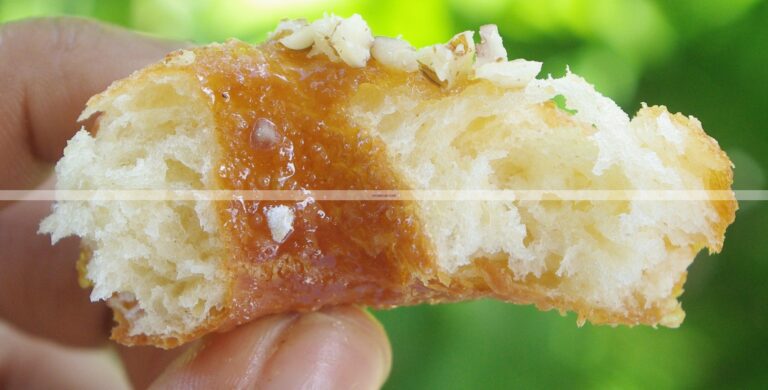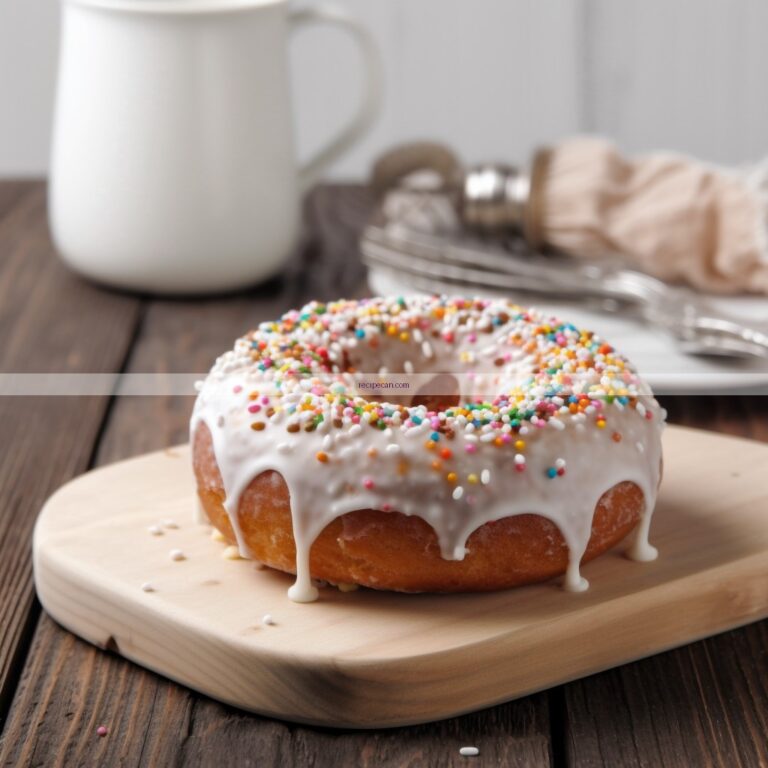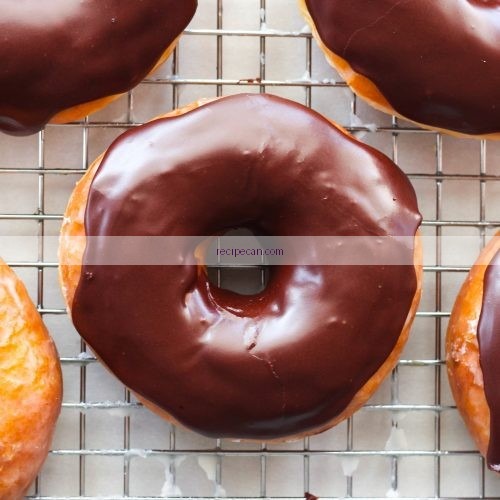
Making delicious yeast donuts at home is easier than you think! With the right ingredients and a little patience, you can whip up fluffy, soft donuts that rival your favorite bakery. In this article, you’ll learn a straightforward recipe along with tips to ensure your yeast donuts turn out perfect every time.
Understanding Yeast in Donut Making

Yeast is the key ingredient that transforms simple dough into light, airy donuts. It acts as a leavening agent, producing carbon dioxide as it ferments, which causes the dough to rise. This process is essential for achieving the fluffy texture characteristic of yeast donuts. Both active dry yeast and instant yeast can be used in making donuts, but they have different activation requirements. Active dry yeast typically needs to be dissolved in warm water or milk before mixing with other ingredients, while instant yeast can be added directly to the dry ingredients. Understanding the type of yeast you are using and how it functions will significantly impact your donut-making success.
Essential Ingredients for Yeast Donuts
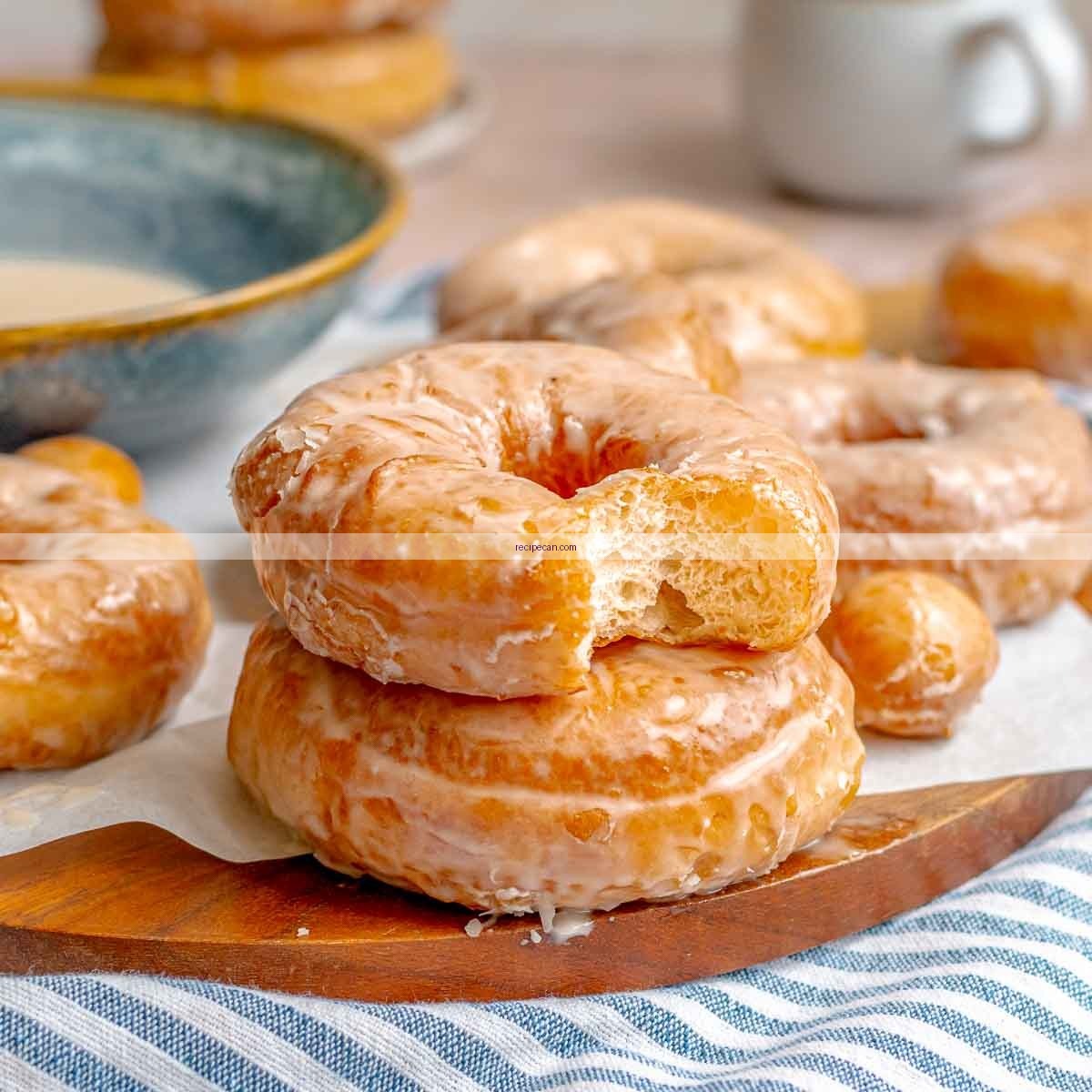
To create the perfect yeast donuts, you’ll need a few common ingredients:
– Flour: All-purpose flour is the most commonly used, but bread flour can also be utilized for a chewier texture.
– Sugar: Granulated sugar adds sweetness and helps feed the yeast, enhancing the rising process.
– Milk: Warm milk helps activate the yeast and adds moisture to the dough.
– Eggs: Eggs enrich the dough, providing structure and enhancing flavor.
– Butter: Softened butter contributes to the richness and tenderness of the donuts.
– Yeast: As discussed, the choice of yeast is crucial for the dough’s texture and rise.
Using fresh ingredients, especially yeast, is vital for the best results. Stale or expired yeast can lead to flat donuts that lack the desired fluffiness.
Step-by-Step Donut Preparation
To prepare your yeast donuts, follow these straightforward steps:
1. Activate the Yeast: In a bowl, combine warm milk (around 110°F or 43°C) with sugar and sprinkle the yeast on top. Let it sit for about 5-10 minutes until it becomes frothy.
2. Mix the Ingredients: In a large mixing bowl, combine the flour and salt. Create a well in the center and add the yeast mixture, eggs, and softened butter.
3. Knead the Dough: Mix until a dough forms, then knead on a floured surface for about 8-10 minutes until the dough is smooth and elastic. If using a stand mixer, knead on medium speed for the same duration.
4. First Rise: Place the dough in a greased bowl and cover it with a damp cloth. Allow it to rise in a warm place for about 1 hour or until it doubles in size.
Top 7 Essential Ingredients in Yeast Donuts
| # | Ingredient | Usage (grams) | Importance |
|---|---|---|---|
| 1 | All-Purpose Flour | 500 | Base Ingredient |
| 2 | Granulated Sugar | 100 | Flavor Enhancer |
| 3 | Warm Milk | 240 | Activates Yeast |
| 4 | Eggs | 2 | Richness |
| 5 | Butter | 50 | Tenderness |
| 6 | Active Dry Yeast | 7 | Leavening Agent |
| 7 | Salt | 5 | Enhances Flavor |
The Importance of Proper Rising
Allowing your dough to rise properly is crucial for achieving the desired texture and flavor in your donuts. After the first rise, gently punch down the dough to release any trapped air and shape it into donuts. This is typically done using a donut cutter or by hand. Once shaped, let the donuts rise again for about 30-45 minutes in a warm environment until they puff up. This second rise is essential as it allows the donuts to develop their structure and achieve that delightful fluffiness once fried.
Frying and Glazing Your Donuts
Frying is the final step that brings your yeast donuts to life. Heat oil to around 350°F (175°C) in a deep fryer or a wide pot. A few test drops of dough can be added to ensure the oil is at the right temperature; they should float to the surface and bubble gently. Fry the donuts until they turn a golden brown, about 1-2 minutes on each side. After frying, consider glazing your donuts for added sweetness. A simple glaze can be made from powdered sugar and milk, or you can opt for a rich chocolate glaze for a decadent treat.
Frying Time vs. Donut Texture
Tips for Donut Variations
Donuts are incredibly versatile, allowing you to experiment with various flavors and fillings. Here are some suggestions to elevate your donut-making experience:
– Flavor Variations: Enhance your dough by adding spices like cinnamon, nutmeg, or vanilla extract. This can give your donuts a warm, aromatic quality.
– Filled Donuts: After frying, you can inject jelly, cream, or custard into the center of your donuts for a delightful surprise. Simply use a piping bag or a syringe to fill them with your desired filling.
– Topping Ideas: Beyond glazing, consider rolling your donuts in sugar or adding toppings such as sprinkles, chopped nuts, or coconut flakes for additional texture and flavor.
Conclusion
In summary, making yeast donuts at home is an achievable and rewarding endeavor. By understanding the role of yeast, using quality ingredients, and allowing proper rising time, you can create perfectly fluffy treats that will impress everyone. Don’t hesitate to experiment with flavors and fillings to make your donuts unique. Try this recipe, share your results, and subscribe for more delicious recipes that will inspire your home baking journey!
Frequently Asked Questions
What are the key ingredients needed for a yeast donut recipe?
The key ingredients for a yeast donut recipe include all-purpose flour, active dry yeast, sugar, milk, eggs, butter, and salt. These ingredients work together to create a light, fluffy texture and a slightly sweet flavor that is characteristic of traditional yeast donuts.
How long does it take to make yeast donuts from scratch?
Making yeast donuts from scratch typically takes around 2 to 3 hours, including the time for dough preparation and rising. The dough needs to rise for about 1 to 1.5 hours to double in size, followed by a brief resting period after shaping the donuts before frying.
Why do my yeast donuts not rise properly?
If your yeast donuts are not rising properly, it could be due to several factors, including inactive yeast, incorrect water temperature, or insufficient rising time. Make sure your yeast is fresh and check that the water used for activating it is warm (not hot), ideally around 110°F to 115°F, to encourage optimal fermentation.
What is the best method for frying yeast donuts at home?
The best method for frying yeast donuts at home is to use a deep fryer or a heavy-bottomed pot filled with oil heated to about 350°F to 375°F. Fry the donuts in small batches to maintain the oil temperature, and be sure to drain them on paper towels after frying to remove excess oil.
Which toppings work best for homemade yeast donuts?
The best toppings for homemade yeast donuts include classic options like powdered sugar, glaze, or chocolate icing, as well as creative choices like sprinkles, coconut, or chopped nuts. Experimenting with different toppings can enhance the flavor and presentation of your yeast donuts, making them even more delightful.
References
- Doughnut
https://en.wikipedia.org/wiki/Donut - https://www.sciencedirect.com/topics/food-science/yeast-doughnuts
https://www.sciencedirect.com/topics/food-science/yeast-doughnuts - https://www.ncbi.nlm.nih.gov/pmc/articles/PMC6770331/
https://www.ncbi.nlm.nih.gov/pmc/articles/PMC6770331/ - https://www.nature.com/articles/s41598-019-48291-y
https://www.nature.com/articles/s41598-019-48291-y - https://www.jstor.org/stable/10.5325/jafracultures.10.1.0171
https://www.jstor.org/stable/10.5325/jafracultures.10.1.0171 - Google Scholar Google Scholar
https://scholar.google.com/scholar?q=yeast+donut+recipe - Google Scholar Google Scholar
https://scholar.google.com/scholar?q=yeast+doughnut+science - Google Scholar Google Scholar
https://scholar.google.com/scholar?q=yeast+baking+process - https://www.verywellfit.com/what-are-yeast-doughnuts-5186396
https://www.verywellfit.com/what-are-yeast-doughnuts-5186396 - yeast donut recipe – Search results
https://en.wikipedia.org/wiki/Special:Search?search=yeast+donut+recipe