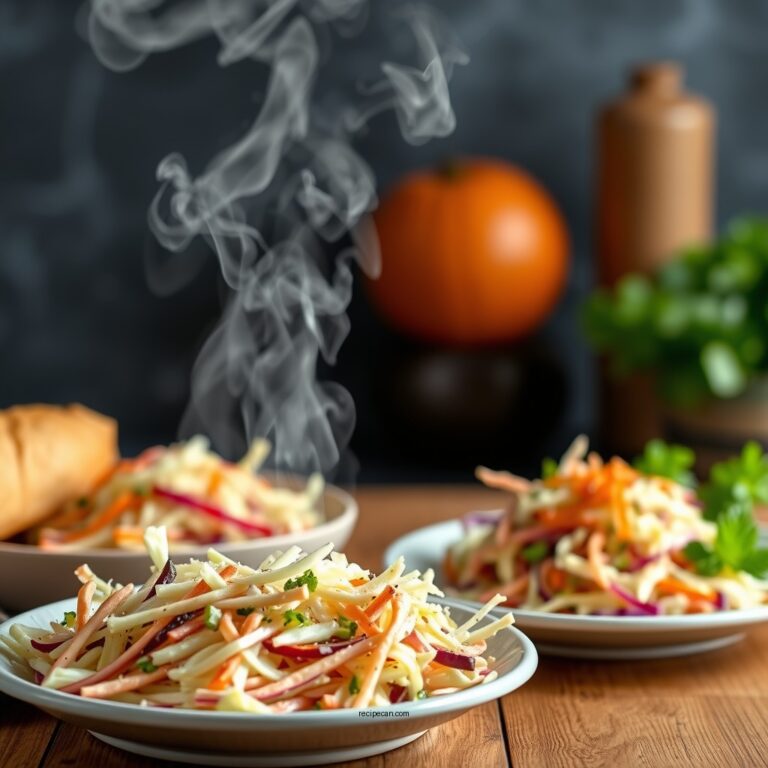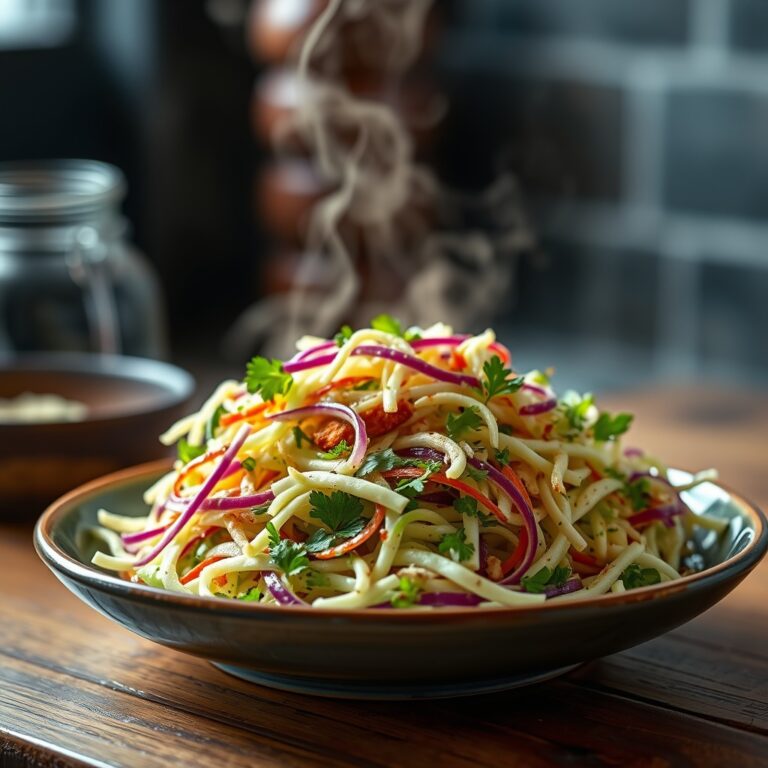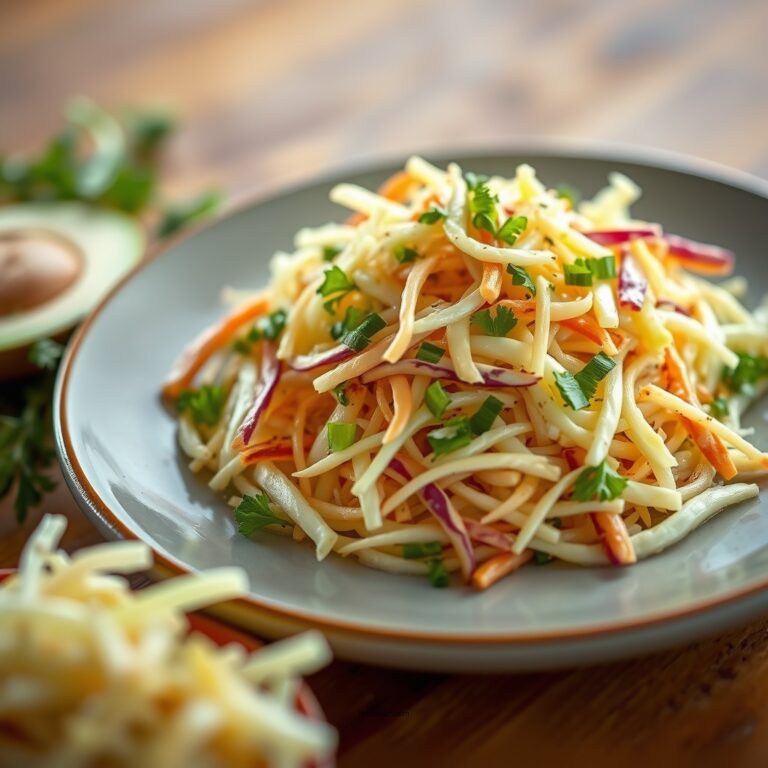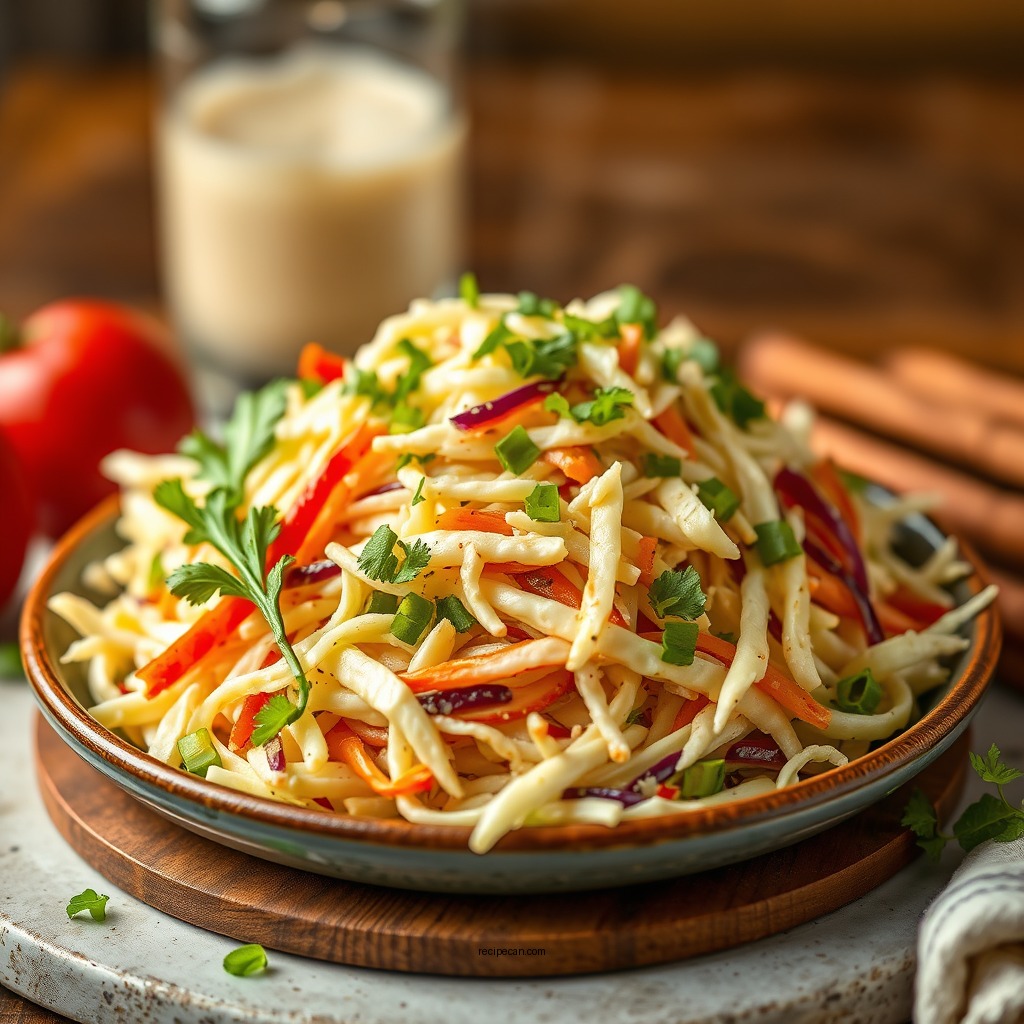
To make a delicious coleslaw with vinegar and mayo, combine shredded cabbage and carrots with a tangy dressing made from mayonnaise, vinegar, and a few simple seasonings. This creamy yet zesty dish is perfect for barbecues, picnics, or as a side for any meal. In this article, you’ll discover the steps to create the perfect coleslaw, as well as tips for variations and serving suggestions.
Ingredients You’ll Need
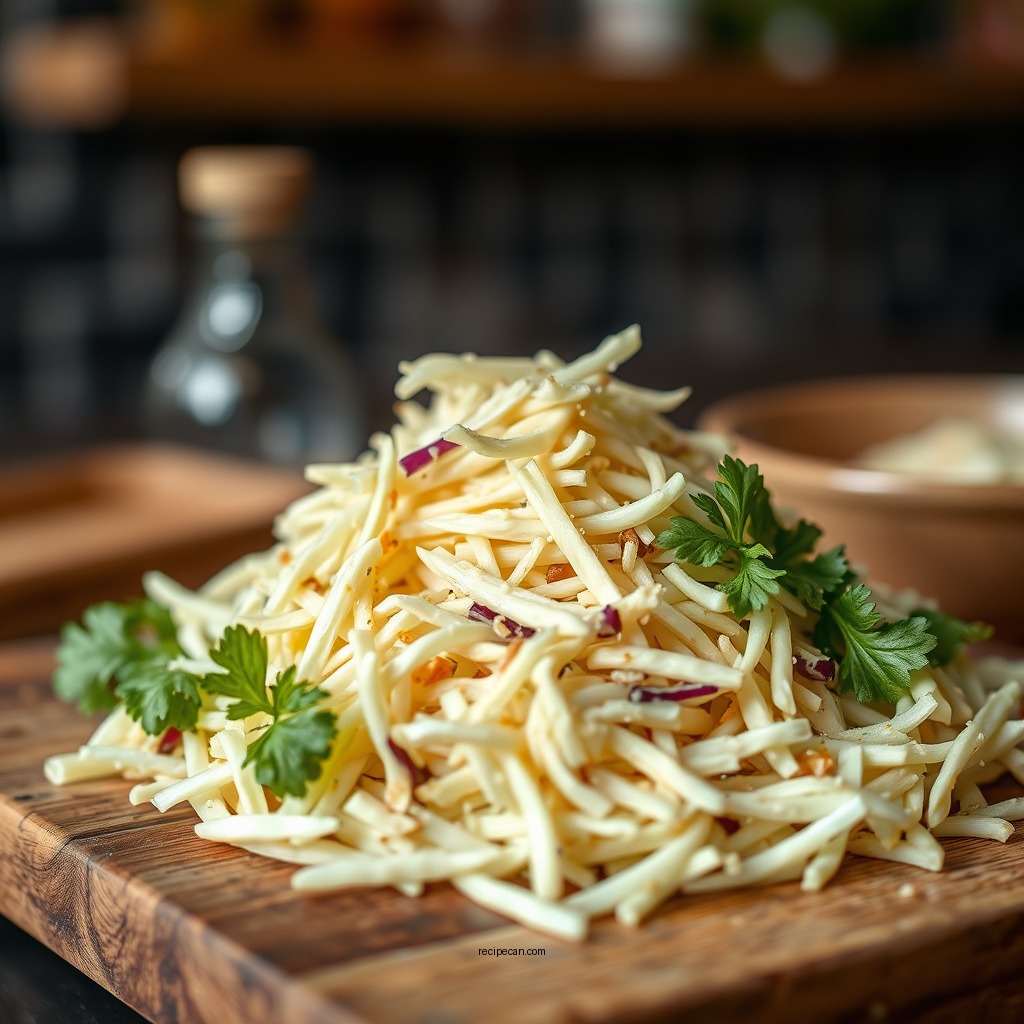
To create a classic coleslaw that highlights the flavors of both vinegar and mayonnaise, you’ll need the following ingredients:
– Shredded green cabbage and carrots: The base of your coleslaw, these vegetables provide crunch and freshness.
– Mayonnaise and vinegar: Use apple cider vinegar or white wine vinegar for a tangy kick; both complement the creaminess of the mayo beautifully.
– Optional add-ins: Consider adding sugar to balance the acidity, mustard for a hint of spice, or celery seeds for an added layer of flavor.
Preparing the Vegetables
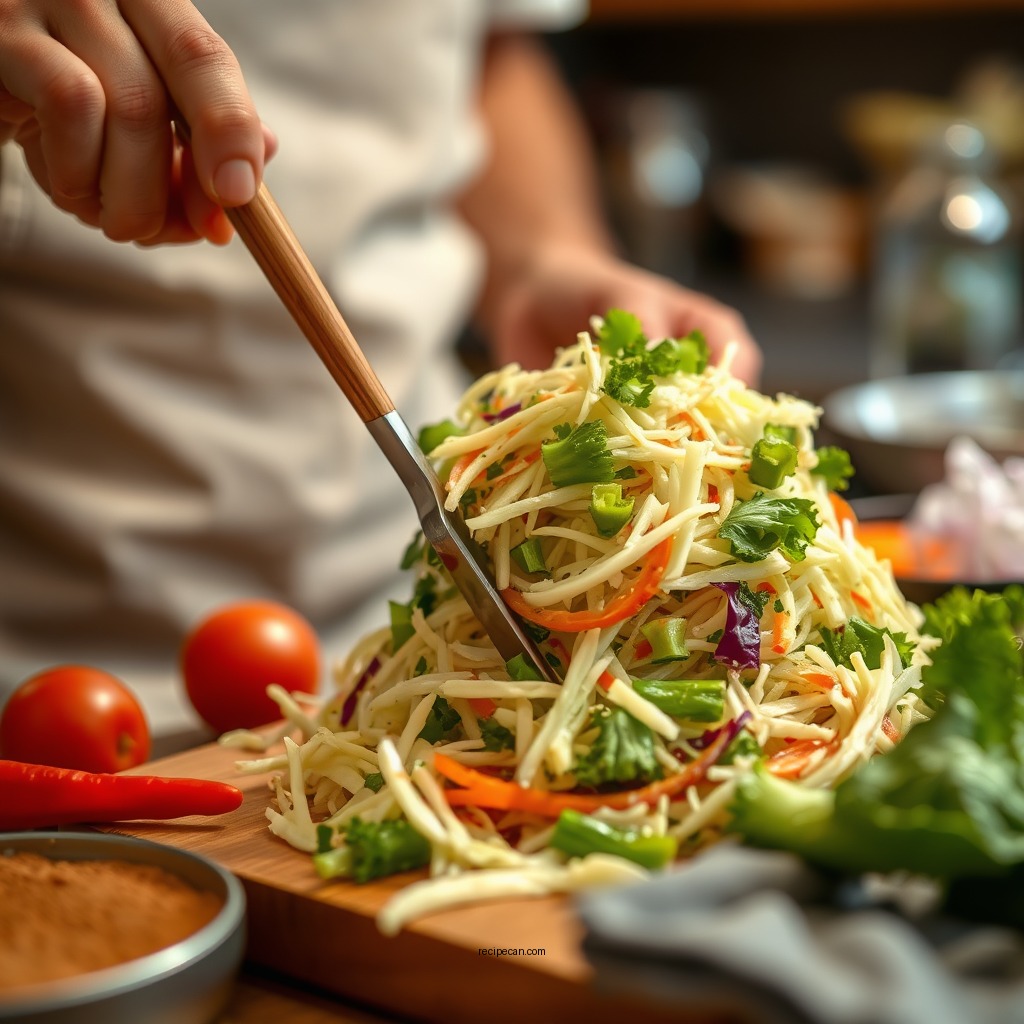
The key to a successful coleslaw lies in the preparation of the vegetables. Start by thoroughly washing the cabbage and carrots to remove any dirt or pesticides. For the ideal texture, shred the cabbage and carrots finely; this allows them to absorb the dressing better and makes for easier consumption.
Using a food processor can significantly speed up the shredding process and ensure uniformity. If you prefer a more rustic approach, a sharp knife or box grater can work just as well. Aim for a mix of both cabbage and carrots in a 3:1 ratio for a balanced flavor and color profile.
Making the Dressing
The dressing is where the magic happens. Begin by mixing together mayonnaise with your chosen vinegar in a medium-sized bowl. A common ratio is about 1 cup of mayonnaise to 2 tablespoons of vinegar, but feel free to adjust this based on your personal taste. The goal is to achieve a creamy yet tangy dressing that complements the vegetables.
To enhance the flavor, season with salt and pepper, and add a touch of sugar if desired. The sugar not only balances the acidity of the vinegar but also enhances the overall flavor profile. Whisk the ingredients together until smooth and creamy.
Nutritional Comparison of Common Coleslaw Ingredients
| # | Ingredient | Calories (per 100g) | Fat (g) | Sugar (g) |
|---|---|---|---|---|
| 1 | Green Cabbage | 25 | 0.1 | 3.2 |
| 2 | Carrots | 41 | 0.2 | 4.7 |
| 3 | Mayonnaise | 680 | 75 | 2.0 |
| 4 | Apple Cider Vinegar | 22 | 0.0 | 0.0 |
| 5 | Sugar | 387 | 0.0 | 100.0 |
| 6 | Mustard | 66 | 3.6 | 0.0 |
| 7 | Celery Seeds | 25 | 1.0 | 0.0 |
Combining the Ingredients
Once your dressing is prepared, it’s time to bring everything together. In a large mixing bowl, toss the shredded cabbage and carrots with the dressing until they are evenly coated. This is crucial for ensuring that every bite of coleslaw is flavorful.
For the best results, allow the coleslaw to chill in the refrigerator for at least 30 minutes before serving. This resting period not only enhances the flavors but also allows the vegetables to soften slightly, making for a more enjoyable texture.
Variations to Try
While the classic coleslaw recipe is a beloved staple, there are numerous variations to explore:
– Vinegar Variations: Experiment with different types of vinegar such as rice vinegar, balsamic vinegar, or even flavored vinegars like raspberry or garlic-infused for unique taste profiles.
– Add-Ins: Consider incorporating chopped apples for sweetness, raisins for a chewy texture, or nuts such as almonds or walnuts for a satisfying crunch. Each of these additions can elevate your coleslaw to new culinary heights.
Serving Suggestions
Coleslaw is a versatile dish that pairs well with many meals. Here are a few serving suggestions:
– Side Dish: Serve coleslaw as a refreshing side at barbecues, picnics, or gatherings. Its crisp texture and tangy flavor can complement a variety of grilled meats and sandwiches.
– Topping: Use coleslaw as a crunchy topping on burgers, pulled pork sandwiches, or fish tacos. The creamy dressing will add a delightful contrast to the savory flavors of the main dish.
Ingredient Ratios for Coleslaw Dressing
Storing Leftovers
If you find yourself with leftover coleslaw, proper storage is key to maintaining its freshness. Store any remaining coleslaw in an airtight container in the refrigerator. It’s best consumed within three days for optimal taste and texture; after that, the vegetables may begin to lose their crunch and the dressing may separate.
To refresh leftover coleslaw, you can add a splash of vinegar or a dollop of mayonnaise to revive the flavors before serving.
In summary, making a coleslaw with vinegar and mayo is straightforward and quick. By following these steps, you can enjoy a refreshing side dish that’s versatile and satisfying. Don’t hesitate to try different variations and find your favorite twist on this classic recipe! With the right ingredients and techniques, you can create a coleslaw that wins over any crowd at your next gathering.
Frequently Asked Questions
What are the key ingredients for a coleslaw recipe with vinegar and mayo?
A classic coleslaw recipe featuring vinegar and mayo typically includes shredded green cabbage, carrots, and a dressing made from mayonnaise, apple cider vinegar, sugar, salt, and pepper. The vinegar adds a tangy flavor that balances the creaminess of the mayo, resulting in a deliciously crunchy side dish.
How can I make a coleslaw with vinegar and mayo that stays crunchy?
To ensure your coleslaw remains crunchy, it’s essential to salt the shredded cabbage and let it sit for about 30 minutes before mixing it with the dressing. This process draws out excess moisture, preventing the coleslaw from becoming soggy. Additionally, add the dressing just before serving to maintain that fresh, crisp texture.
Why is vinegar important in a coleslaw recipe with mayo?
Vinegar plays a crucial role in a coleslaw recipe with mayo as it adds acidity and brightness, which counteracts the richness of the mayonnaise. This balance enhances the overall flavor profile, making the coleslaw more enjoyable and stimulating the palate, especially when served alongside heavier dishes.
What is the best type of vinegar to use in a coleslaw recipe with mayo?
The best type of vinegar for a coleslaw recipe with mayo is apple cider vinegar, as it offers a mild sweetness and fruity flavor that complements the ingredients well. However, white vinegar or rice vinegar can also be used for a sharper taste, depending on your personal preference and desired flavor profile.
Which variations of coleslaw can I try using vinegar and mayo?
There are several delicious variations of coleslaw that incorporate vinegar and mayo. For a zesty twist, try adding ingredients like diced apples, raisins, or chopped nuts. You can also experiment with different seasonings or add spicy elements like jalapeños to create a unique flavor experience while keeping the classic vinegar and mayo base.
References
- Coleslaw
https://en.wikipedia.org/wiki/Coleslaw - https://www.ncbi.nlm.nih.gov/pmc/articles/PMC6347782/
https://www.ncbi.nlm.nih.gov/pmc/articles/PMC6347782/ - https://www.mayoclinic.org/healthy-lifestyle/nutrition-and-healthy-eating/in-depth/healthy-eating/art-20047731
https://www.mayoclinic.org/healthy-lifestyle/nutrition-and-healthy-eating/in-depth/healthy-eating/art-20047731 - https://www.cdc.gov/nutrition/index.html
https://www.cdc.gov/nutrition/index.html - https://www.sciencedirect.com/topics/agricultural-and-biological-sciences/coleslaw
https://www.sciencedirect.com/topics/agricultural-and-biological-sciences/coleslaw - https://www.bbc.co.uk/food/recipes/coleslaw_85414
https://www.bbc.co.uk/food/recipes/coleslaw_85414 - https://www.theguardian.com/lifeandstyle/2021/jul/09/the-best-coleslaw-recipe
https://www.theguardian.com/lifeandstyle/2021/jul/09/the-best-coleslaw-recipe - Google Scholar Google Scholar
https://scholar.google.com/scholar?q=coleslaw+recipe+vinegar+and+mayo - Google Scholar Google Scholar
https://scholar.google.com/scholar?q=coleslaw+vinegar+mayo+health+benefits - Google Scholar Google Scholar
https://scholar.google.com/scholar?q=coleslaw+recipes+vinegar+mayo+ingredients