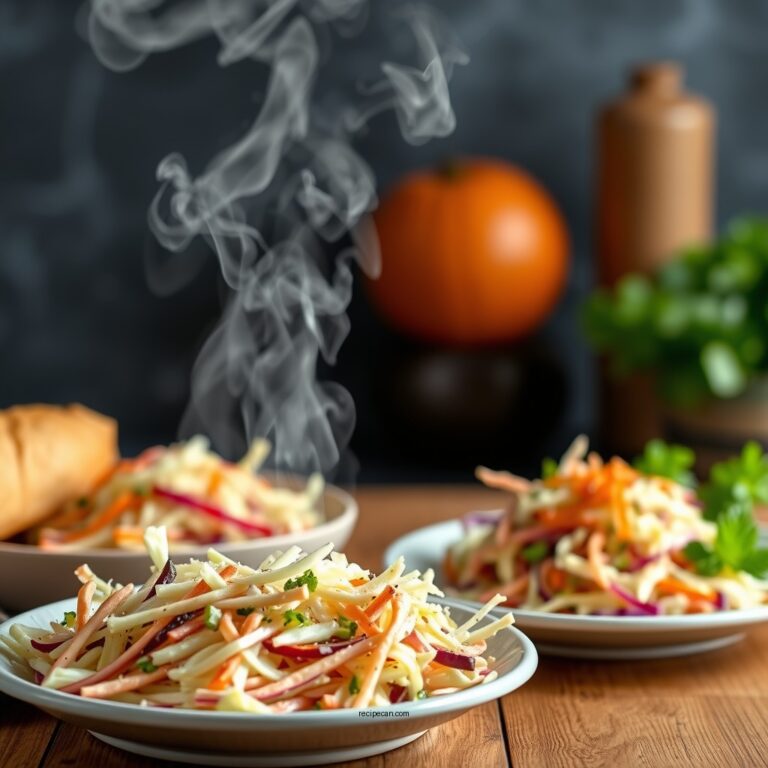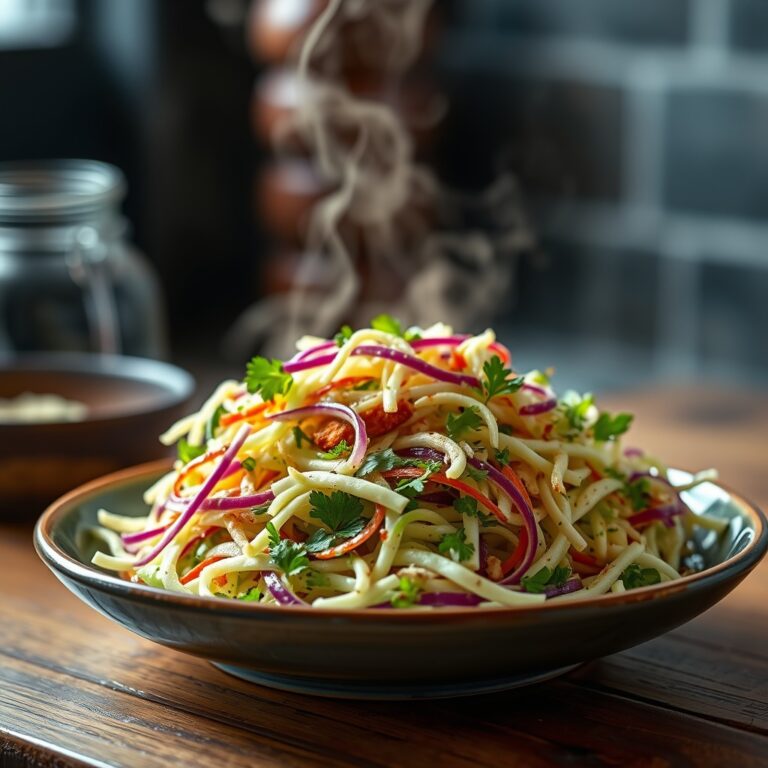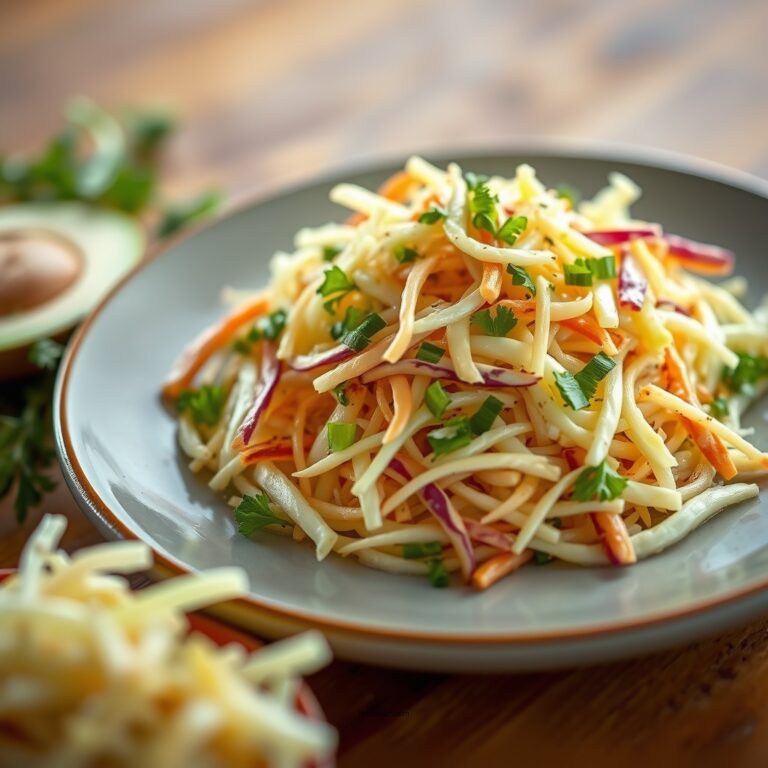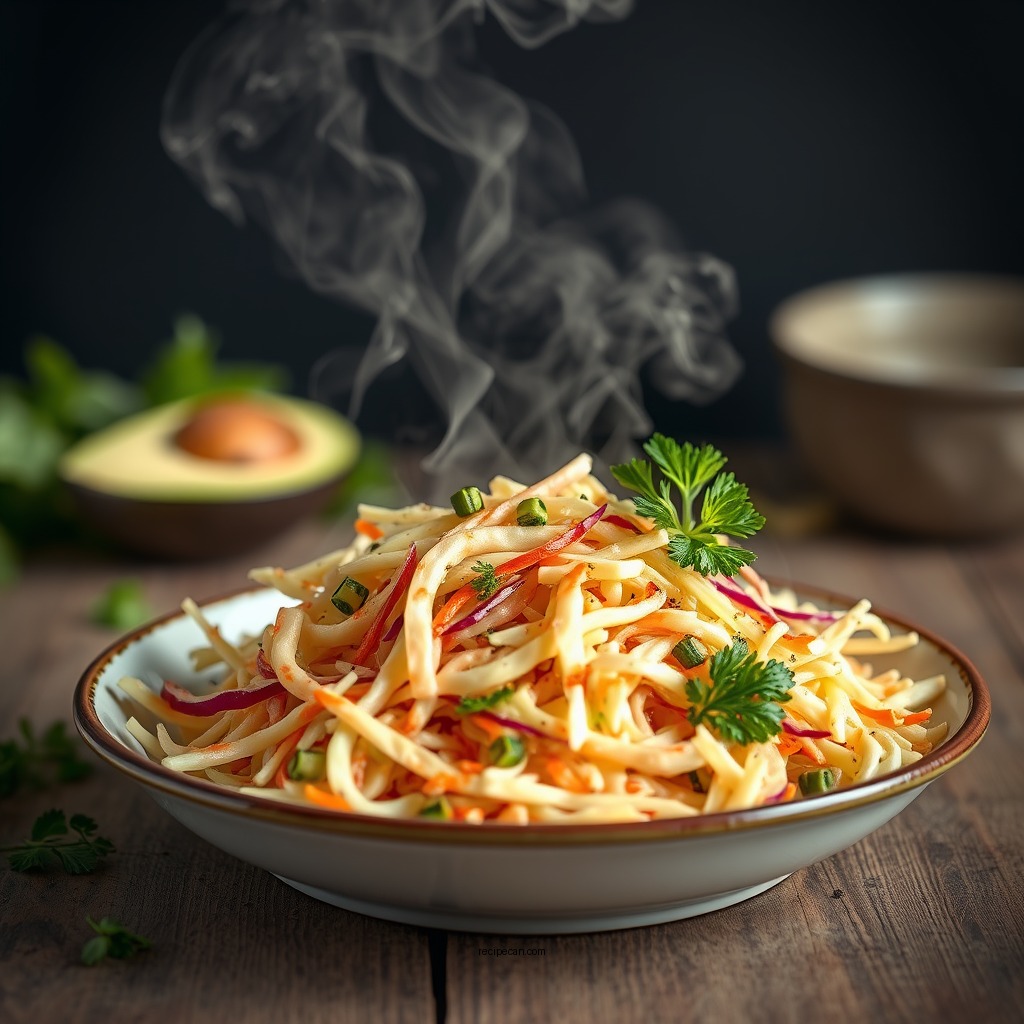
The no sugar coleslaw recipe offers a deliciously refreshing alternative to traditional coleslaw by eliminating added sugars while enhancing the natural sweetness of vegetables. This recipe is perfect for health-conscious eaters who still crave vibrant flavors and textures. In this blog post, you will learn about the benefits of no sugar coleslaw, the essential ingredients, how to prepare the vegetables, make the dressing, combine everything, serving suggestions, and tips for storing leftovers.
Why Choose No Sugar Coleslaw?
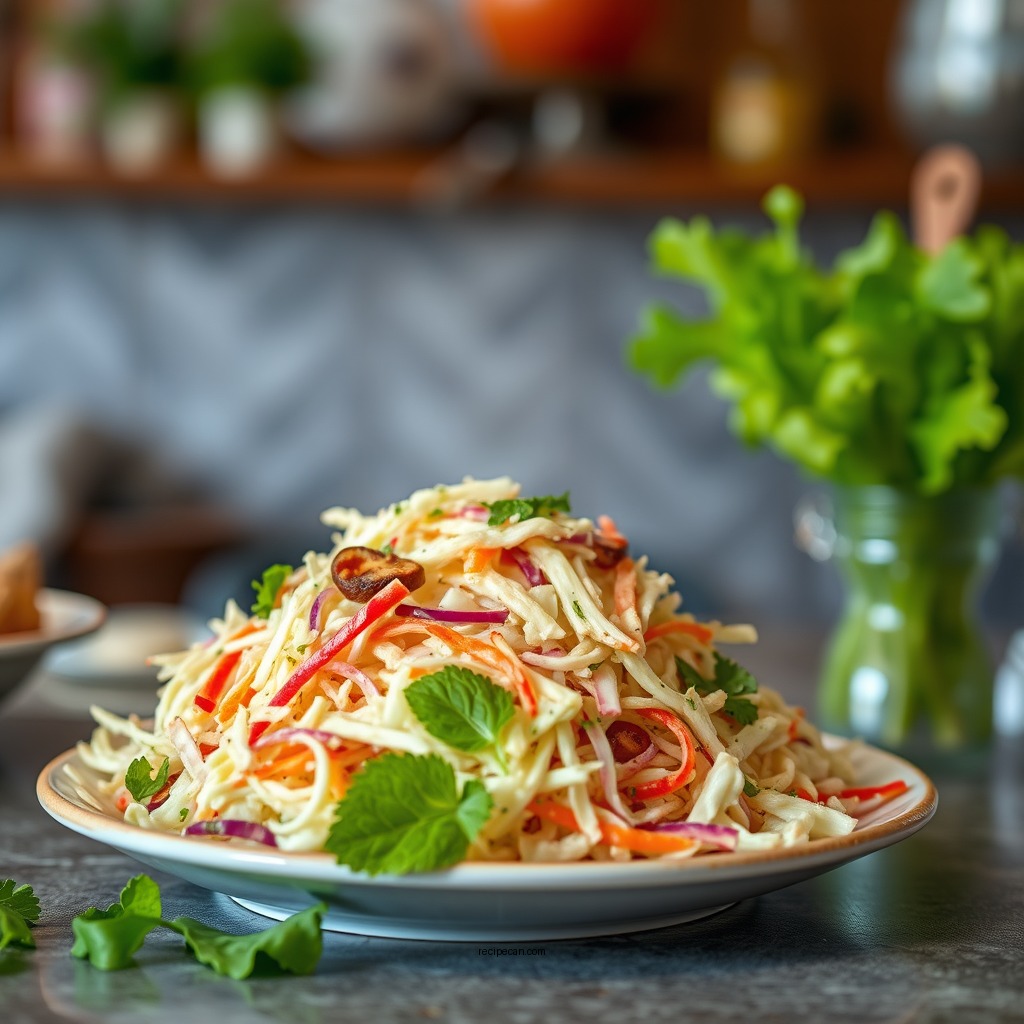
Choosing no sugar coleslaw is a wise decision for several reasons. First, it helps reduce unnecessary calories and sugar intake, making it a healthier option for those watching their diets. Excessive sugar consumption has been linked to various health issues, including obesity, diabetes, and heart disease. By making coleslaw without sugar, you can enjoy a tasty side dish without the worry of added sugars affecting your health.
Additionally, no sugar coleslaw retains the natural sweetness of its ingredients. Fresh vegetables like cabbage, carrots, and bell peppers have their inherent flavors that shine through without the need for sugar. This approach not only elevates the taste but also allows you to appreciate the benefits of fresh produce, rich in vitamins and minerals. Ultimately, no sugar coleslaw is a nutritious, flavorful alternative that can complement a variety of meals.
Essential Ingredients
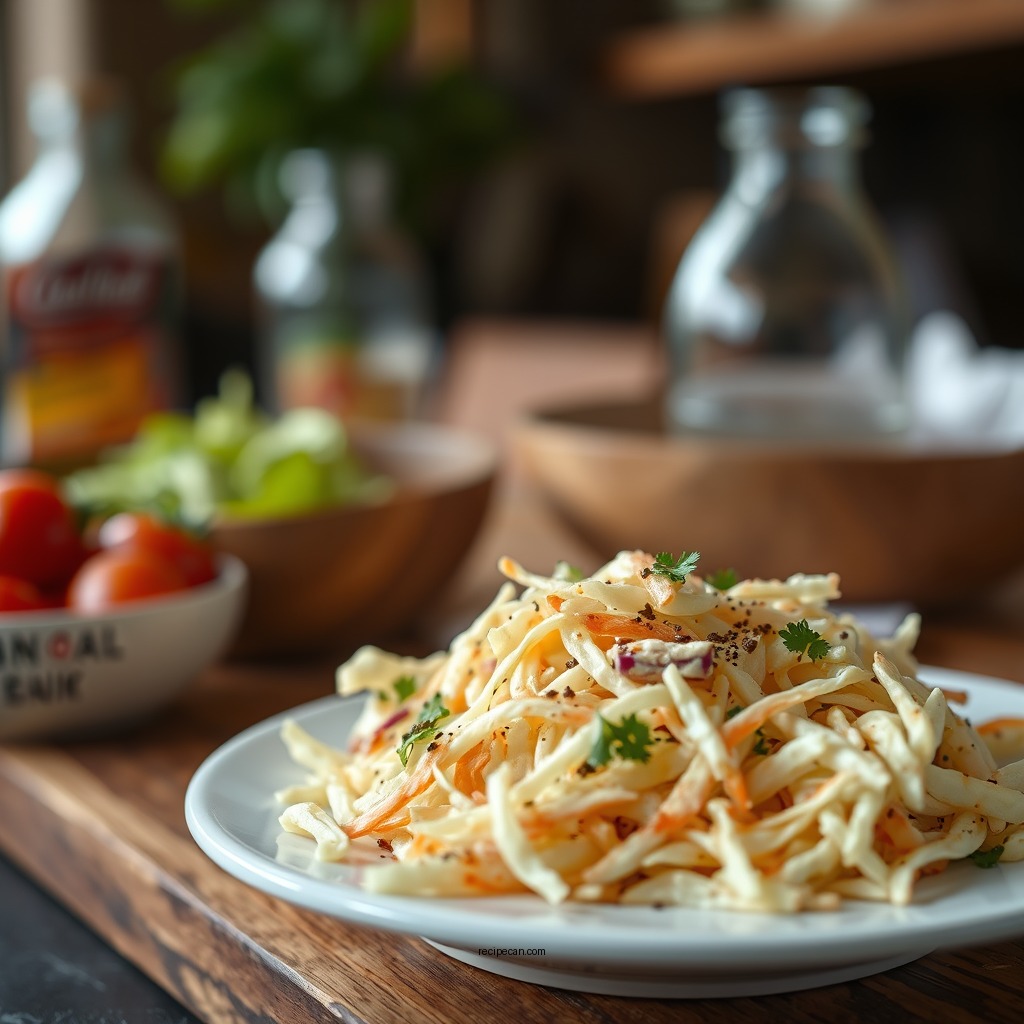
To create a fresh and flavorful no sugar coleslaw, you will need the following essential ingredients:
– Shredded Cabbage: Use either green cabbage, red cabbage, or a combination of both for a colorful and nutritious base.
– Fresh Vegetables: Adding vegetables like carrots and bell peppers not only enhances the flavor but also adds crunch and color.
– Sugar-Free Dressing: A simple dressing made from vinegar, mustard, and spices is key to bringing the dish together without the use of sugar.
Ingredient Breakdown
| Ingredient | Purpose |
|———————|————————————————–|
| Shredded Cabbage | Base of the coleslaw, providing crunch and nutrition |
| Carrots | Adds natural sweetness and vibrant color |
| Bell Peppers | Contributes crunch and a slight tang |
| Vinegar | Provides acidity to balance flavors |
| Mustard | Adds depth and a hint of spice |
| Spices | Enhances the overall flavor profile |
Preparing the Vegetables
Proper preparation of the vegetables is essential for a successful no sugar coleslaw. Start by washing and drying all the vegetables thoroughly to ensure freshness and remove any contaminants. Use a sharp knife or a food processor to shred the cabbage, carrots, and bell peppers uniformly. Uniform shreds not only improve the texture but also ensure that every bite is flavorful and satisfying.When shredding cabbage, consider cutting it into quarters and removing the core before slicing it into thin shreds. For carrots, peeling them first will enhance their texture and flavor. Bell peppers should be deseeded and sliced into thin strips or diced, depending on your preference. This attention to detail in vegetable preparation will enhance the overall presentation and taste of your coleslaw.
Making the Dressing
Creating a sugar-free dressing is simple and can be tailored to your taste preferences. In a mixing bowl, combine the following ingredients:
– Vinegar: Choose between apple cider vinegar or white vinegar for a tangy base.
– Olive Oil: This adds richness and helps emulsify the dressing.
– Mustard: Use Dijon or yellow mustard for a kick of flavor.
– Spices: Incorporate salt, pepper, garlic powder, and any additional spices you enjoy.
Mix these ingredients thoroughly until well combined. Adjust the flavors to your liking, ensuring that no sugar is added. The result will be a zesty dressing that enhances the freshness of the vegetables without overpowering their natural flavors.
Combining Ingredients
Once the vegetables are prepared and the dressing is made, it’s time to combine everything. In a large mixing bowl, toss the shredded vegetables with the dressing until they are well-coated. This step is crucial to ensure that every bite of the coleslaw is bursting with flavor.
For best results, let the coleslaw sit for a few minutes before serving. This resting period allows the flavors to meld together, creating a more cohesive dish. The combination of fresh vegetables and zesty dressing will provide a satisfying crunch perfect for any meal.
Nutritional Comparison Chart
Nutritional Comparison of Common Coleslaw Ingredients
| # | Ingredient | Calories | Sugars (g) | Fiber (g) |
|---|---|---|---|---|
| 1 | Green Cabbage (1 cup) | 22 | 2.4 | 2.2 |
| 2 | Carrots (1 medium) | 25 | 5.8 | 1.5 |
| 3 | Bell Pepper (1 medium) | 24 | 3.2 | 1.5 |
| 4 | Apple Cider Vinegar (1 tbsp) | 3 | 0 | 0 |
| 5 | Olive Oil (1 tbsp) | 119 | 0 | 0 |
| 6 | Dijon Mustard (1 tsp) | 5 | 0.1 | 0 |
| 7 | Garlic Powder (1 tsp) | 5 | 0.1 | 0 |
Serving Suggestions
No sugar coleslaw is versatile and can be served in various ways. It is perfect as a chilled side dish for barbecues, picnics, or summer gatherings. The crispness of the vegetables combined with the zesty dressing makes it an excellent complement to grilled meats such as chicken, pork, or beef.
Additionally, consider using no sugar coleslaw as a fresh topping for sandwiches or wraps. The crunch and flavor can elevate a simple turkey or veggie sandwich, adding both texture and health benefits. For a unique twist, serve it alongside tacos or as a filling in lettuce wraps for a low-carb option.
Storing Leftovers
If you find yourself with leftover no sugar coleslaw, proper storage is essential to maintain its freshness. Place the coleslaw in an airtight container and store it in the refrigerator. It is best consumed within 2-3 days to ensure optimal freshness and crunchiness. After this time, the vegetables may begin to soften and lose their appealing texture. Before serving leftovers, give the coleslaw a quick toss to redistribute the dressing and refresh its flavors.
In conclusion, no sugar coleslaw is an excellent addition to any health-conscious meal plan, offering a refreshing taste without the downsides of added sugars. With its simple preparation process and versatile serving options, it is sure to become a favorite in your kitchen. Try making this recipe today, share your experiences, and feel free to explore variations by adding your favorite vegetables or spices to suit your taste preferences. Enjoy the freshness and flavor of this guilt-free side dish!
Frequently Asked Questions
What are the best ingredients for a no sugar coleslaw recipe?
The best ingredients for a no sugar coleslaw recipe include fresh green cabbage, shredded carrots, and red cabbage for color. You can enhance the flavor by adding ingredients like apple cider vinegar, olive oil, and a pinch of salt and pepper, along with optional add-ins like celery seeds or onions for extra crunch and taste.
How do I make a creamy no sugar coleslaw dressing?
To make a creamy no sugar coleslaw dressing, mix Greek yogurt with apple cider vinegar, Dijon mustard, and a pinch of salt. This combination offers a tangy flavor while keeping the recipe healthy and sugar-free. Adjust the proportions to achieve your desired creaminess and taste.
Why should I avoid sugar in my coleslaw recipe?
Avoiding sugar in your coleslaw recipe is beneficial for maintaining a healthier diet, as it helps reduce calorie intake and prevents blood sugar spikes. Using natural flavor enhancers like vinegar and spices not only keeps the dish tasty but also aligns with dietary preferences such as low-carb or diabetic-friendly eating.
What are some variations of no sugar coleslaw I can try?
Some delicious variations of no sugar coleslaw include adding fruits like apples or pineapple for natural sweetness, or using different vegetables such as broccoli or bell peppers for added nutrition. You can also experiment with different types of vinegar or add nuts and seeds for an extra crunch without the sugar.
Which types of cabbage are best for a no sugar coleslaw?
The best types of cabbage for a no sugar coleslaw are green cabbage and red cabbage, which provide a nice crunch and vibrant color. Napa cabbage is another excellent option, as it has a slightly sweeter taste and a more tender texture, making it a great base for a healthy, sugar-free coleslaw.
References
- https://www.ncbi.nlm.nih.gov/pmc/articles/PMC6349053/
https://www.ncbi.nlm.nih.gov/pmc/articles/PMC6349053/ - https://www.ncbi.nlm.nih.gov/pmc/articles/PMC6516963/
https://www.ncbi.nlm.nih.gov/pmc/articles/PMC6516963/ - https://www.ncbi.nlm.nih.gov/pmc/articles/PMC6893536/
https://www.ncbi.nlm.nih.gov/pmc/articles/PMC6893536/ - https://pubmed.ncbi.nlm.nih.gov/24439225/
https://pubmed.ncbi.nlm.nih.gov/24439225/ - https://www.health.harvard.edu/staying-healthy/how-to-make-a-healthy-coleslaw
https://www.health.harvard.edu/staying-healthy/how-to-make-a-healthy-coleslaw - https://www.cdc.gov/nutrition/resources-publications/what-is-a-healthy-diet.html
https://www.cdc.gov/nutrition/resources-publications/what-is-a-healthy-diet.html - Google Scholar Google Scholar
https://scholar.google.com/scholar?q=coleslaw+recipe+no+sugar - Google Scholar Google Scholar
https://scholar.google.com/scholar?q=healthy+coleslaw+recipes - Google Scholar Google Scholar
https://scholar.google.com/scholar?q=coleslaw+without+sugar - coleslaw recipe no sugar – Search results
https://en.wikipedia.org/wiki/Special:Search?search=coleslaw+recipe+no+sugar