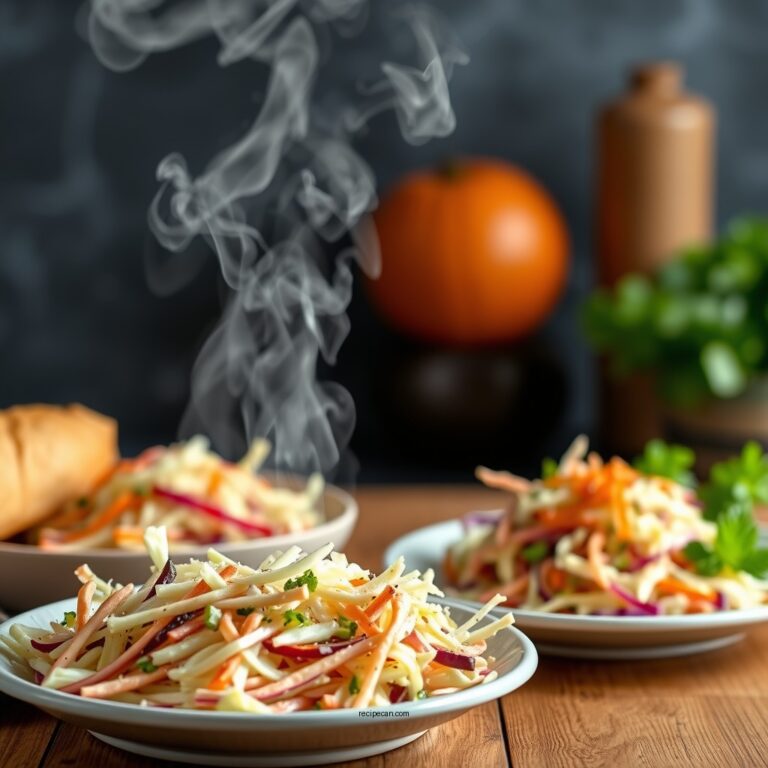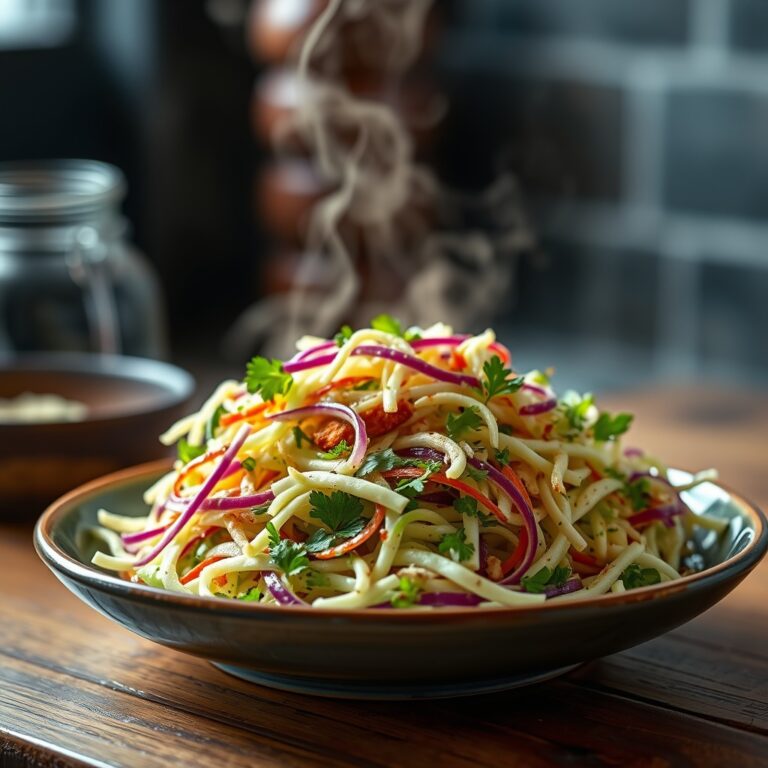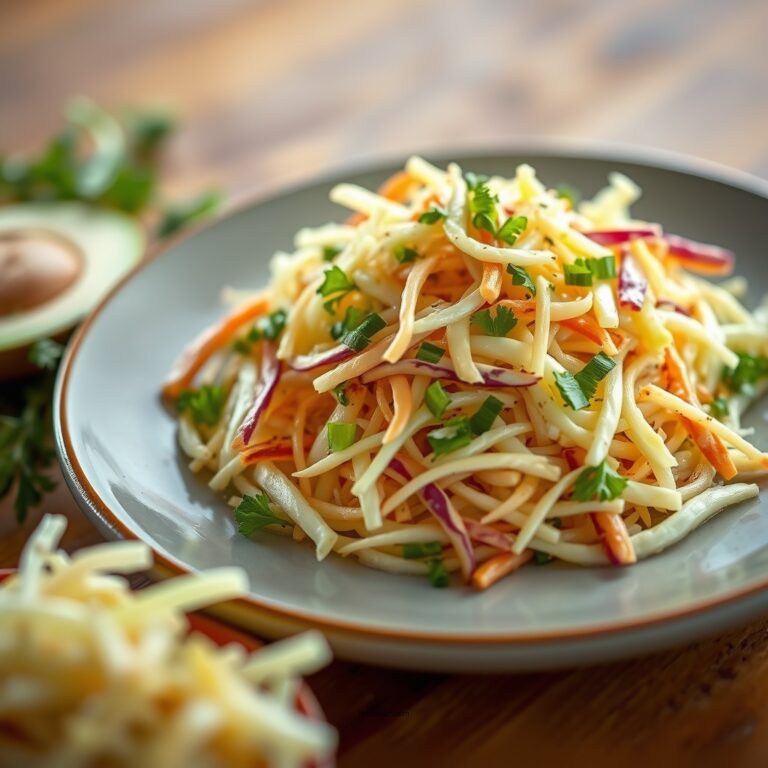
A low calorie coleslaw recipe is an excellent way to enjoy a classic side dish without the guilt. This refreshing salad is not only light on calories but also packed with flavor and crunch. In this article, you will discover a simple recipe along with tips to customize it to your taste and nutritional needs. Whether you are watching your calorie intake or simply seeking a healthier alternative to traditional coleslaw, this recipe provides a satisfying and nutritious option for any meal.
Ingredients for Low Calorie Coleslaw
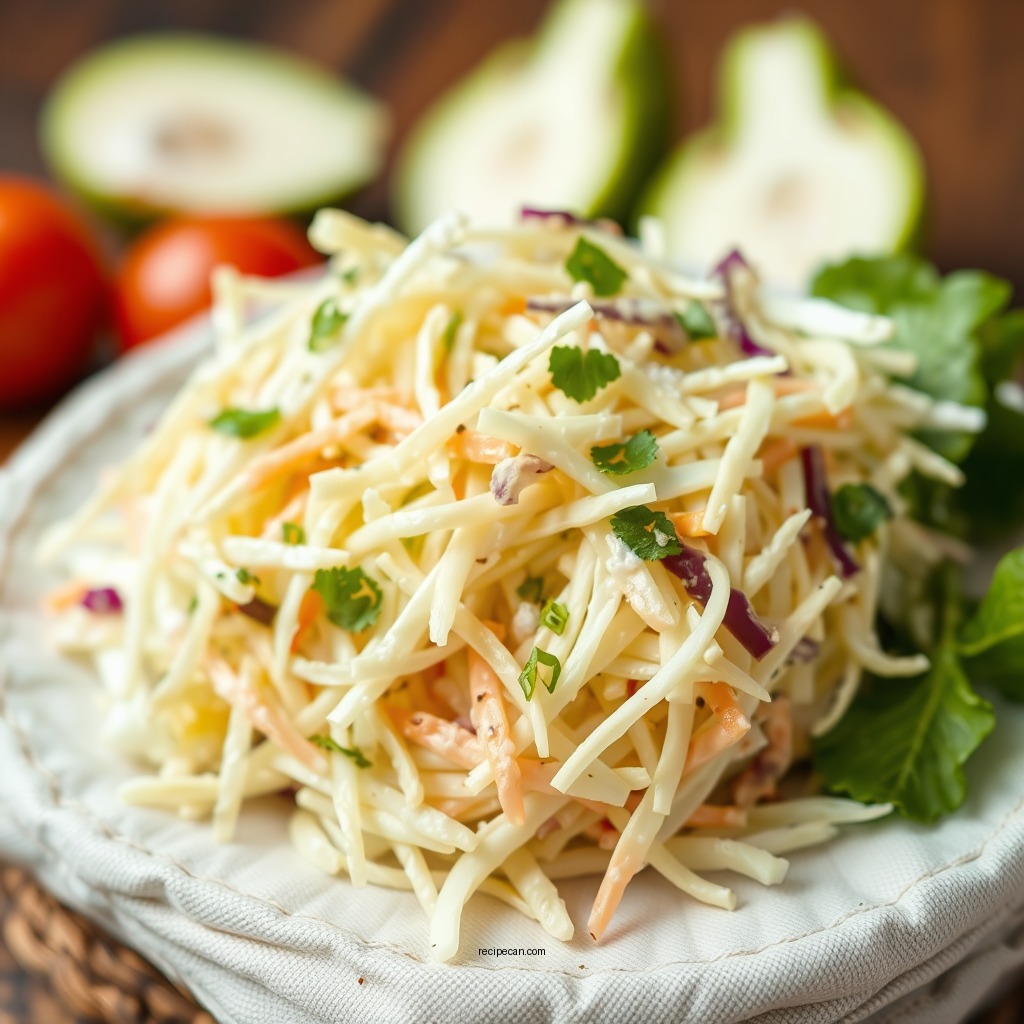
To create a low calorie coleslaw, begin with the right base ingredients. Shredded cabbage and carrots serve as the foundation, imparting a delightful crunch and vibrant color to the dish. Cabbage, particularly green cabbage, is low in calories and high in fiber, making it an ideal choice for those looking to manage their weight.
For the dressing, instead of using the traditional mayonnaise, opt for low-fat yogurt or a light vinaigrette. Low-fat yogurt offers a creamy texture while keeping the calories in check, whereas a light vinaigrette made from olive oil and vinegar adds a refreshing zest without compromising flavor.
Suggested Ingredients:
– Cabbage: 4 cups shredded green cabbage
– Carrots: 1 cup shredded carrots
– Low-Fat Yogurt: 1 cup (or substitute with ½ cup of olive oil-based vinaigrette)
– Apple Cider Vinegar: 2 tablespoons
– Honey or Agave Syrup: 1 tablespoon (optional for sweetness)
– Salt and Pepper: to taste
– Optional Add-ins: Celery seeds or chopped parsley for added flavor
Step-by-Step Preparation

1. Prepare the Vegetables: Start by thoroughly washing the cabbage and carrots. Use a sharp knife or a food processor to shred the cabbage finely, and grate the carrots. This ensures even mixing and a uniform texture in the coleslaw.
2. Make the Dressing: In a separate bowl, whisk together the low-fat yogurt, apple cider vinegar, honey (if using), salt, and pepper. This allows the flavors to meld together before combining with the vegetables. If you prefer a vinaigrette, mix olive oil, vinegar, and any additional spices or herbs.
3. Combine: In a large mixing bowl, combine the shredded cabbage and carrots. Pour the dressing over the vegetables and toss until everything is well coated.
4. Chill: To enhance the flavors, let the coleslaw sit in the refrigerator for at least 30 minutes before serving. This allows the ingredients to marry and the cabbage to soften slightly.
Customization Options
One of the best aspects of coleslaw is its versatility. You can tailor this low calorie recipe to suit your dietary preferences or to incorporate seasonal ingredients.
– Fruits: Consider adding diced apples or crushed pineapple for a subtle sweetness that beautifully contrasts with the tangy dressing. Dried cranberries can also add a burst of flavor and a pop of color.
– Herbs and Spices: Fresh herbs such as dill or cilantro can elevate the taste profile. For a bit of heat, a dash of cayenne pepper or a sprinkle of black pepper can add complexity without additional calories.
– Nuts and Seeds: For those looking to add crunch and healthy fats, a handful of sunflower seeds or chopped walnuts can be an excellent addition.
Nutritional Comparison of Common Coleslaw Ingredients (per serving)
| # | Ingredient | Calories | Fiber (g) | Sugar (g) |
|---|---|---|---|---|
| 1 | Green Cabbage | 22 | 1.0 | 3.2 |
| 2 | Carrots | 41 | 1.2 | 4.7 |
| 3 | Low-Fat Yogurt | 60 | 0.0 | 6.0 |
| 4 | Honey | 64 | 0.0 | 17.3 |
| 5 | Apple Cider Vinegar | 3 | 0.0 | 0.0 |
| 6 | Sunflower Seeds | 64 | 2.4 | 0.0 |
| 7 | Dried Cranberries | 123 | 0.2 | 25.6 |
Nutritional Benefits
The nutritional benefits of this low calorie coleslaw are significant. Cabbage is a powerhouse of nutrients, being low in calories while high in dietary fiber, which helps promote digestive health and keeps you feeling full longer. One serving of cabbage contains about 22 calories and 1 gram of fiber, making it a fantastic choice for those on a weight management journey.
Moreover, carrots provide a wealth of vitamins, particularly vitamin A, crucial for eye health. They also add a natural sweetness that complements the tangy dressing. When combined with low-fat yogurt, you gain additional protein and probiotics, supporting gut health.
The inclusion of fruits like apples or pineapple can increase the vitamin C content, bolstering your immune system. Overall, this coleslaw offers a balanced mix of vitamins, minerals, and antioxidants that contribute to overall health and well-being.
Serving Suggestions
Low calorie coleslaw is incredibly versatile and can be served alongside various dishes. It pairs beautifully with grilled meats, making it an excellent accompaniment to barbecued chicken or fish. Additionally, it can be used as a crunchy topping for sandwiches or tacos, adding texture and freshness.
For meal prep enthusiasts, this coleslaw can be made ahead of time and stored in an airtight container in the refrigerator for up to three days. To maintain its crispness, consider keeping the dressing separate until serving.
Tips for Making the Best Coleslaw
To get the most flavor out of your coleslaw, allow it to sit in the refrigerator for at least 30 minutes after mixing. This resting period lets the flavors meld and the cabbage soften slightly, enhancing the overall taste.
When it comes to the dressing, feel free to adjust the ingredients based on your preferences. If you enjoy a sweeter coleslaw, increase the amount of honey or add more fruits. Conversely, for a tangier flavor, add extra vinegar or a squeeze of lemon juice.
Lastly, don’t be afraid to experiment with different vegetables. Adding bell peppers, radishes, or even broccoli can diversify your coleslaw and provide additional nutrients and flavor.
Popularity of Coleslaw Variations Among Consumers (2023)
In summary, this low calorie coleslaw recipe is a delightful and nutritious alternative to traditional coleslaw. Its versatility allows for customization to fit your personal preferences, making it suitable for various meals and occasions. By focusing on fresh ingredients and healthier dressings, you can enjoy a guilt-free side dish that is both satisfying and delicious. We encourage you to try this recipe and share your unique variations and feedback in the comments below. Enjoy your healthy eating journey!
Frequently Asked Questions
What are the ingredients for a low calorie coleslaw recipe?
A simple low calorie coleslaw recipe typically includes shredded cabbage, carrots, and a light dressing made from Greek yogurt, apple cider vinegar, and a touch of honey or a sugar substitute. You can also add seasonings like salt, pepper, and mustard for extra flavor while keeping the calorie count low.
How can I make my coleslaw dressing lower in calories?
To create a low-calorie coleslaw dressing, substitute mayonnaise with Greek yogurt or a light vinaigrette. You can also use low-calorie sweeteners instead of sugar and add fresh herbs or lemon juice to enhance the flavor without adding extra calories.
Why is coleslaw considered a healthy side dish?
Coleslaw is considered a healthy side dish primarily because it contains raw vegetables, which are low in calories and high in nutrients. When made with a light dressing, it can provide essential vitamins and minerals while being a refreshing addition to meals, especially during warmer months.
What is the best way to store low calorie coleslaw?
The best way to store low calorie coleslaw is in an airtight container in the refrigerator. This helps maintain its crunch and freshness; however, it’s recommended to keep the dressing separate until you’re ready to serve to prevent the cabbage from wilting.
Which vegetables can I add to my low calorie coleslaw for extra nutrition?
To boost the nutrition of your low calorie coleslaw, consider adding vegetables like bell peppers, broccoli, or radishes. These additions not only enhance the flavor and texture but also increase the fiber and vitamin content, making your coleslaw even healthier.
References
- https://www.ncbi.nlm.nih.gov/pmc/articles/PMC6723664/
https://www.ncbi.nlm.nih.gov/pmc/articles/PMC6723664/ - https://www.sciencedirect.com/topics/food-science/coleslaw
https://www.sciencedirect.com/topics/food-science/coleslaw - https://www.ncbi.nlm.nih.gov/pmc/articles/PMC6110671/
https://www.ncbi.nlm.nih.gov/pmc/articles/PMC6110671/ - https://www.mayoclinic.org/healthy-lifestyle/nutrition-and-healthy-eating/in-depth/low-calorie-diets/art-20045354
https://www.mayoclinic.org/healthy-lifestyle/nutrition-and-healthy-eating/in-depth/low-calorie-diets/art-20045354 - https://www.healthline.com/nutrition/coleslaw-nutrition-facts
https://www.healthline.com/nutrition/coleslaw-nutrition-facts - Healthy coleslaw recipe | Good Food
https://www.bbcgoodfood.com/recipes/healthy-coleslaw - https://www.nutrition.gov/topics/whats-food/nutrition-basics/healthy-eating
https://www.nutrition.gov/topics/whats-food/nutrition-basics/healthy-eating - Google Scholar Google Scholar
https://scholar.google.com/scholar?q=low+calorie+coleslaw+recipe - Google Scholar Google Scholar
https://scholar.google.com/scholar?q=coleslaw+nutrition+recipe - Google Scholar Google Scholar
https://scholar.google.com/scholar?q=healthy+coleslaw+recipe