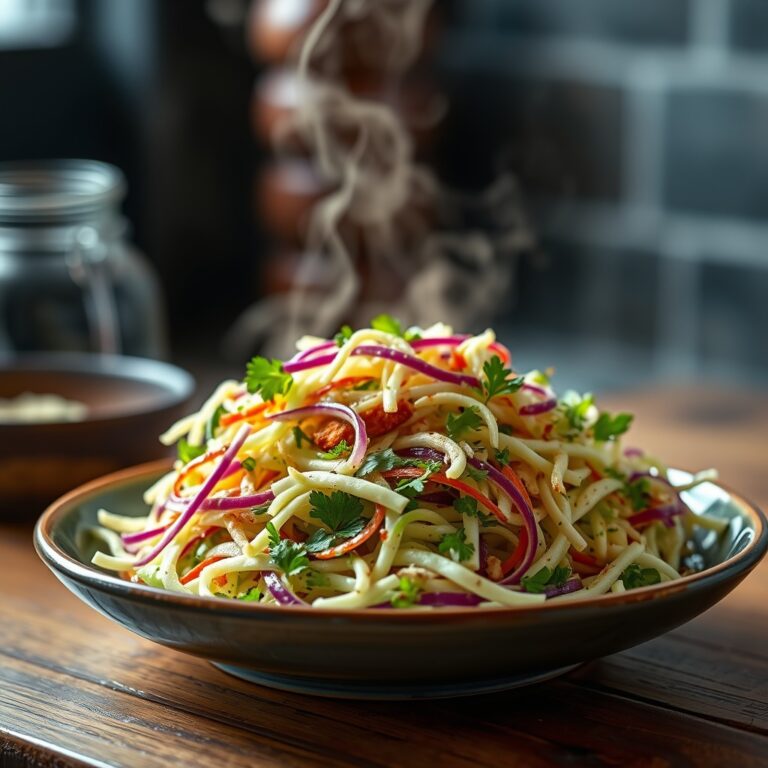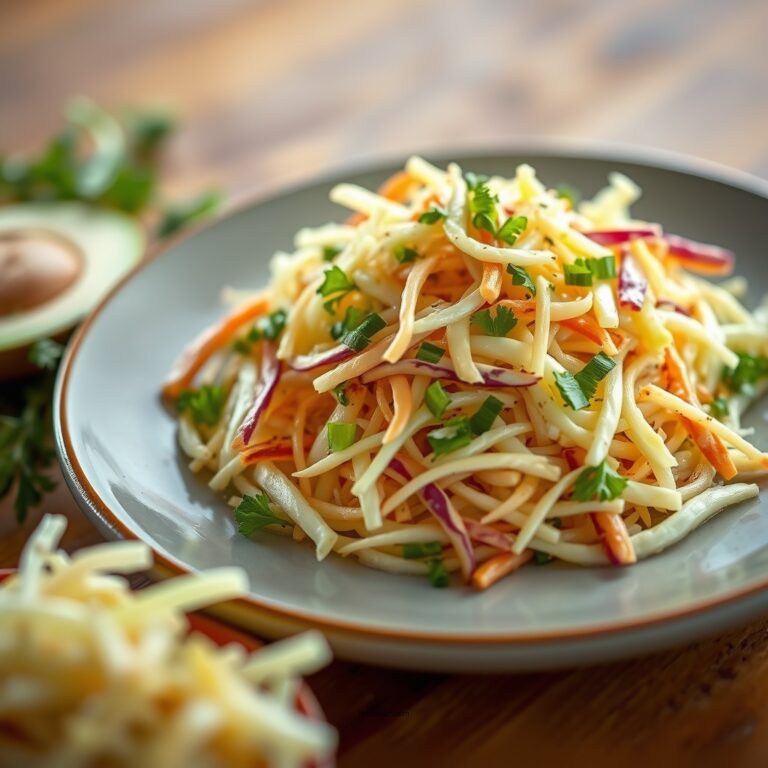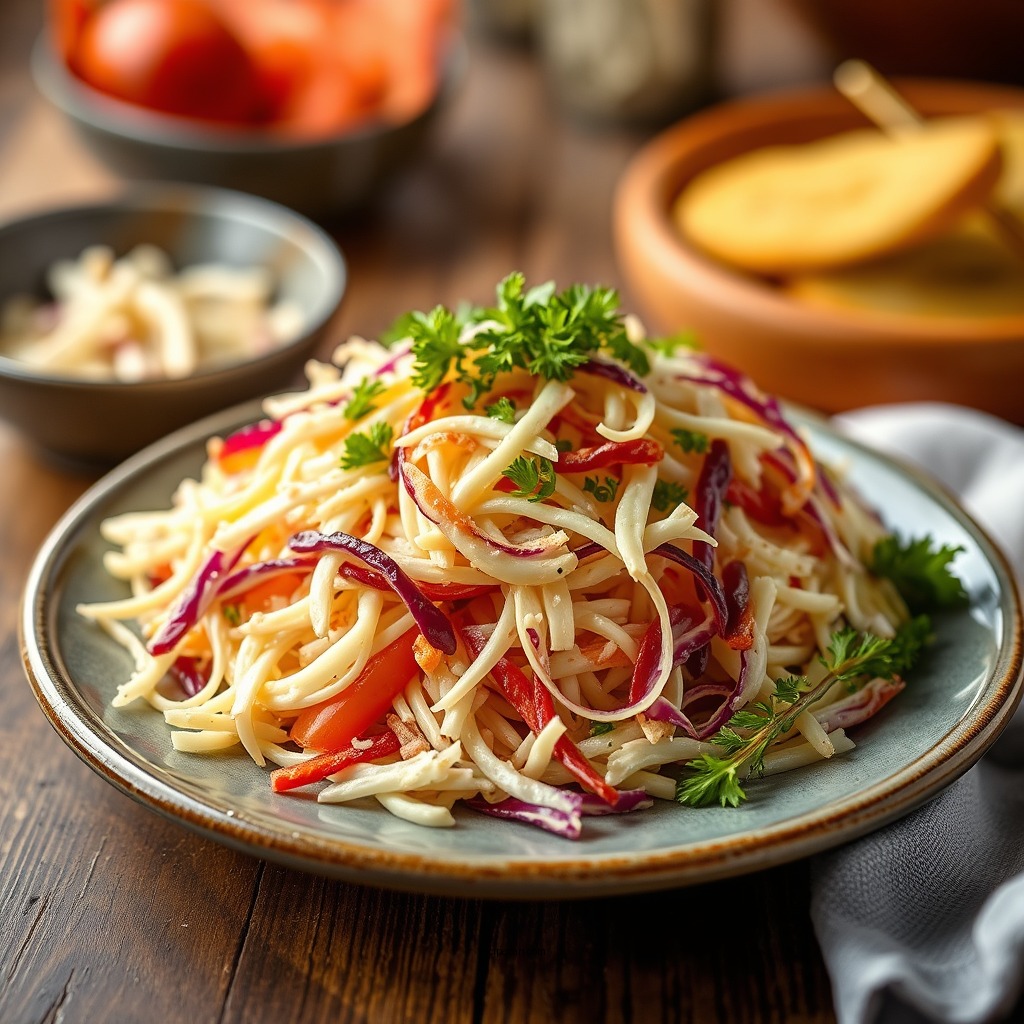
Ready to make a delicious coleslaw? This easy coleslaw recipe combines fresh ingredients with a simple dressing for a crunchy, tangy side dish that’s perfect for barbecues, picnics, or any meal. You’ll learn how to create a classic coleslaw that’s not only tasty but also quick to prepare, allowing you to impress your guests with minimal effort.
Coleslaw is a versatile dish that can complement a variety of meals. Its refreshing flavors and crisp textures make it a favorite choice for summer gatherings and family dinners. With the right ingredients and dressing, you can create a coleslaw that not only enhances your meal but also contributes to your overall health with its nutritious components.
Fresh Ingredients for Your Coleslaw
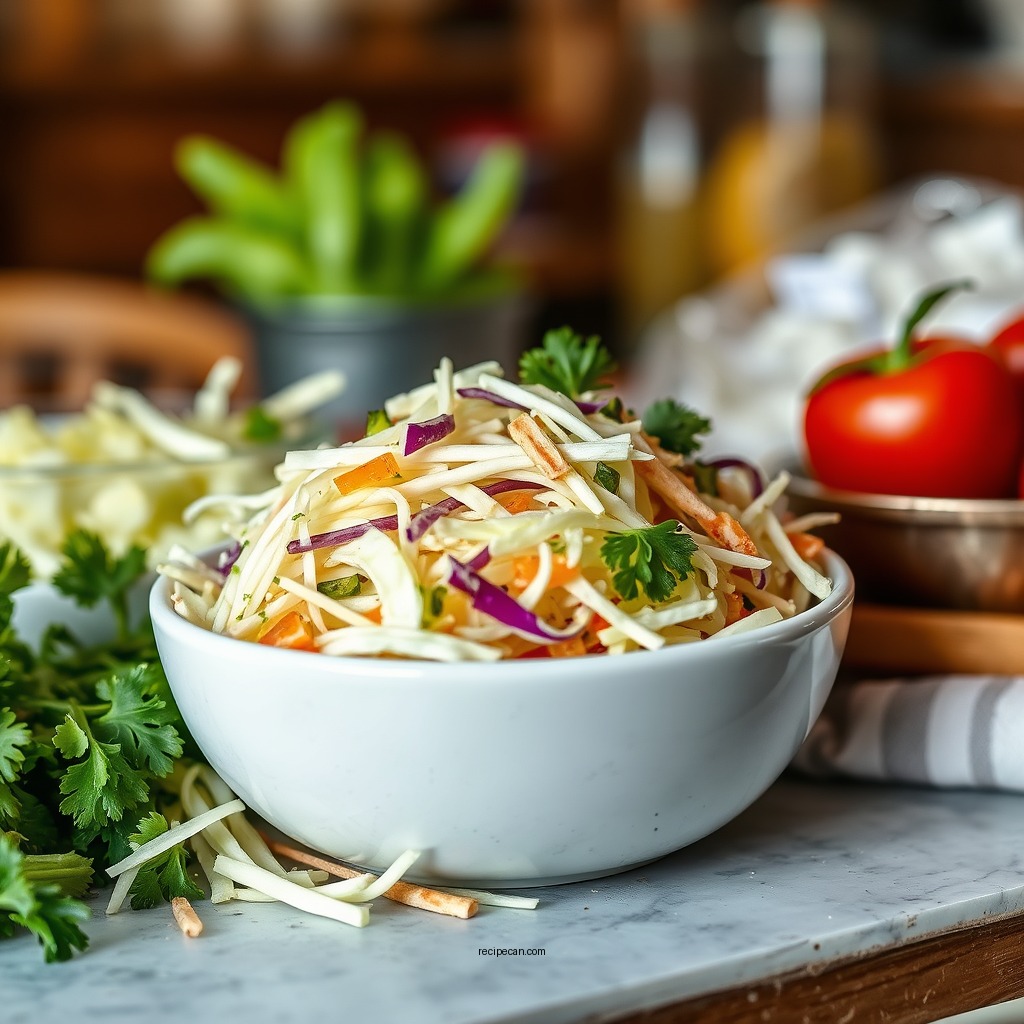
The foundation of any great coleslaw lies in its fresh ingredients. For an authentic taste and vibrant presentation, consider the following:
– Cabbage Varieties: A mix of green cabbage and purple cabbage not only provides a beautiful color contrast but also adds different textures. Green cabbage is crunchy, while purple cabbage offers a slightly sweeter flavor and is rich in antioxidants.
– Carrots: Shredded carrots are essential for adding sweetness and crunch. They also bring a bright orange hue that enhances the overall visual appeal of the coleslaw.
– Additional Vegetables: Feel free to experiment with other vegetables, such as bell peppers for a sweet crunch, or red onions for a more pungent flavor. These additions can elevate the flavor profile and make your coleslaw uniquely yours.
Choosing high-quality, fresh ingredients is crucial for maximizing flavor and nutrition. Opt for organic produce when possible, as this can reduce pesticide exposure and enhance the overall taste.
The Perfect Dressing
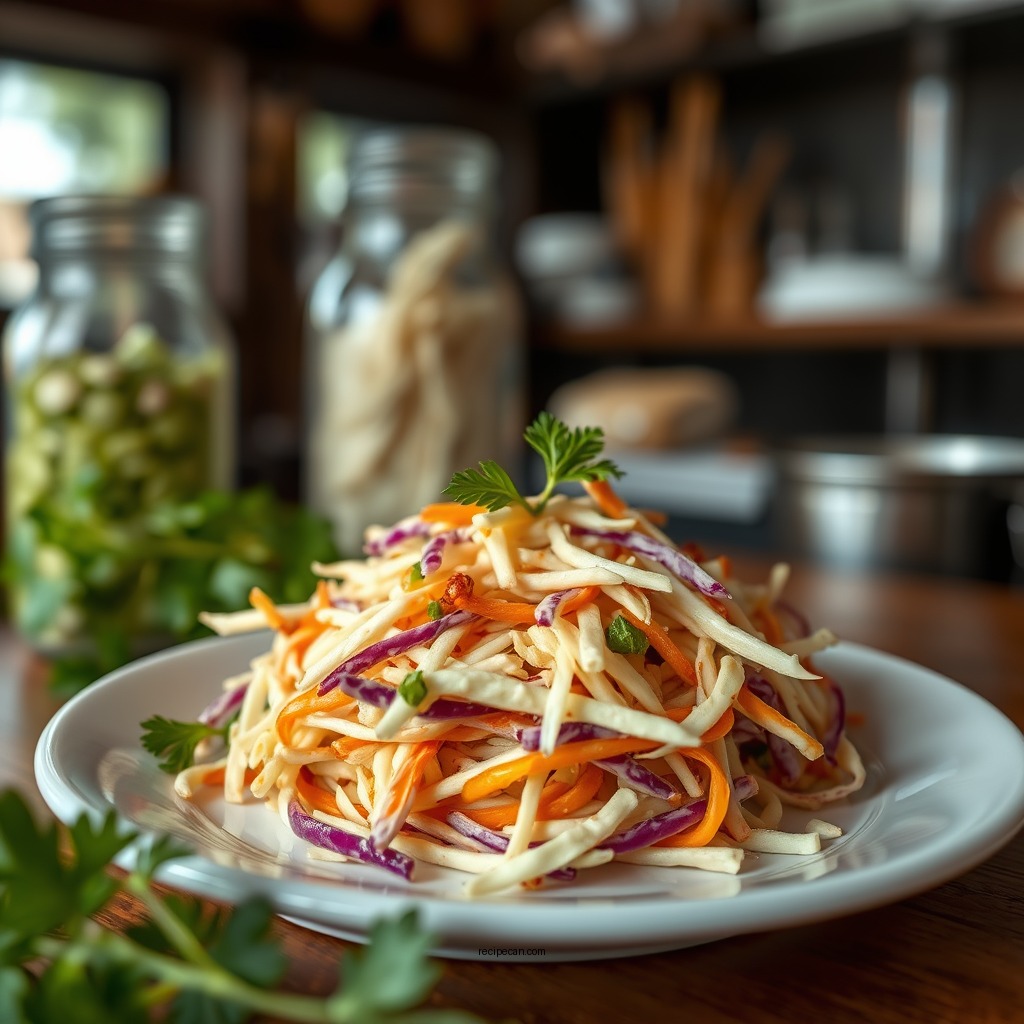
The dressing is what brings your coleslaw to life. Here’s how to create the perfect balance of flavors:
– Base Ingredients: A classic coleslaw dressing typically consists of mayonnaise, apple cider vinegar, and a touch of sugar. The mayonnaise provides creaminess, while the vinegar adds tanginess that cuts through the richness.
– Seasonings: Adjust the seasonings with salt and pepper to taste. A little salt can enhance the flavor of the vegetables, while pepper adds just the right amount of heat.
– Healthier Alternatives: For a lighter version, consider substituting Greek yogurt for mayonnaise. This not only reduces calories but also adds protein to your dish. Alternatively, you can create a vinaigrette using olive oil and vinegar for a fresh, zesty flavor.
Experimenting with the dressing allows you to customize your coleslaw to suit your preferences and dietary restrictions.
Mixing Your Coleslaw
Once you have your fresh ingredients and dressing ready, it’s time to put everything together:
– Combine Vegetables: In a large bowl, mix the shredded cabbage, carrots, and any additional vegetables you’ve chosen. This ensures even distribution of flavors.
– Add the Dressing: Pour the dressing over the vegetables and toss gently to coat all the ingredients evenly. Be careful not to overmix, as this can bruise the vegetables and affect their texture.
– Resting Time: For optimal flavor, let the coleslaw sit for at least 30 minutes in the refrigerator. This resting period allows the vegetables to soften slightly and the flavors to meld together beautifully.
Nutritional Breakdown of Common Coleslaw Ingredients
| # | Ingredient | Calories (per 100g) | Fiber (g) | Vitamin C (%) |
|---|---|---|---|---|
| 1 | Green Cabbage | 25 | 2.5 | 61 |
| 2 | Purple Cabbage | 31 | 2.1 | 85 |
| 3 | Carrots | 41 | 2.8 | 7 |
| 4 | Mayonnaise | 680 | 0.0 | 0 |
| 5 | Greek Yogurt | 59 | 0.6 | 5 |
| 6 | Apple Cider Vinegar | 22 | 0.0 | 0 |
| 7 | Sugar | 387 | 0.0 | 0 |
Variations to Try
One of the best aspects of coleslaw is its versatility. You can easily modify the basic recipe to suit different tastes and occasions:
– Fruity Additions: Consider adding fruits like pineapple or apples for a refreshing twist. The sweetness of the fruits can complement the tanginess of the dressing, creating a delightful contrast.
– Spicy Kick: If you enjoy a little heat, add jalapeños or diced chili peppers to your coleslaw. This addition can provide a surprising kick that elevates the dish.
– Herbs for Freshness: Fresh herbs like dill, parsley, or cilantro can bring a burst of freshness. Adding them right before serving enhances the aroma and flavor profile significantly.
By experimenting with different variations, you can create a coleslaw that aligns perfectly with your meal or personal preference.
Serving Suggestions
Coleslaw is a highly adaptable side dish that pairs well with a variety of main courses:
– Accompaniment to Grilled Meats: Coleslaw is a classic side for grilled meats such as burgers, chicken, and ribs, providing a refreshing contrast to the smoky flavors.
– Sandwiches and Tacos: Use coleslaw as a topping for sandwiches or tacos. Its crunch can add texture and balance to rich fillings.
– Presentation: Serve coleslaw chilled to enhance its refreshing taste. Consider garnishing with fresh herbs or additional shredded carrots for a colorful and appealing presentation.
When serving coleslaw, remember to provide a serving spoon to encourage guests to help themselves, making it easy to enjoy alongside their meal.
Storing Leftovers
If you find yourself with leftover coleslaw, proper storage is key to maintaining its freshness:
– Airtight Containers: Store any leftover coleslaw in an airtight container in the fridge. This helps preserve its crunch and flavor.
– Shelf Life: It’s best consumed within 2-3 days for optimal freshness. As time passes, the vegetables may soften, affecting the texture.
– Dressing Considerations: If you plan to store leftovers, consider dressing only the portion you plan to consume immediately. This prevents the entire batch from becoming soggy and unappetizing.
By following these storage tips, you can enjoy your homemade coleslaw for days without compromising its quality.
With this easy coleslaw recipe, you can enjoy a fresh and flavorful side dish that complements any meal. Gather your ingredients, follow these simple steps, and impress your friends and family with your homemade coleslaw! Whether served at a summer barbecue or as part of a weekday dinner, this coleslaw is sure to be a hit.
Frequently Asked Questions
What are the essential ingredients for a classic coleslaw recipe?
A classic coleslaw recipe typically includes finely shredded green cabbage, carrots, and a creamy dressing made from mayonnaise, vinegar, sugar, salt, and pepper. You can also add ingredients like onion or celery seeds for extra flavor. This simple combination creates a refreshing side dish that perfectly complements barbecues and sandwiches.
How do I make a tangy vinegar-based coleslaw instead of a creamy one?
To make a tangy vinegar-based coleslaw, start by mixing shredded cabbage and carrots in a bowl. For the dressing, whisk together apple cider vinegar, olive oil, sugar, salt, and pepper, then pour it over the vegetables. Toss well to combine and let it sit for at least 30 minutes to allow the flavors to meld, giving you a lighter, zesty alternative to creamy coleslaw.
Why does my coleslaw turn watery, and how can I prevent it?
Coleslaw can turn watery when the salt in the dressing draws moisture from the vegetables, causing them to release water. To prevent this, you can sprinkle salt over the shredded cabbage and let it sit for 10-15 minutes before rinsing and drying it. This technique helps maintain the crunchiness of the cabbage and ensures a fresher coleslaw.
What is the best way to store leftover coleslaw for maximum freshness?
To store leftover coleslaw and maintain its freshness, place it in an airtight container and refrigerate it. It’s best to consume it within 3-5 days, as the dressing can cause the vegetables to wilt over time. For optimal texture, consider storing the dressing separately and mixing it in just before serving.
Which types of cabbage are best for making coleslaw?
The best types of cabbage for making coleslaw are green cabbage and red cabbage, as they provide a crunchy texture and balance of flavors. Green cabbage is the classic choice for its mild taste, while red cabbage adds vibrant color and a slightly peppery flavor. You can also mix both types for a visually appealing and tasty coleslaw.
References
- Coleslaw
https://en.wikipedia.org/wiki/Coleslaw - https://www.bbc.co.uk/food/recipes/coleslaw_1641
https://www.bbc.co.uk/food/recipes/coleslaw_1641 - Red Wine Cranberry Sauce With Honey Recipe
https://www.nytimes.com/recipes/1015626/coleslaw.html - https://www.sciencedirect.com/topics/food-science/coleslaw
https://www.sciencedirect.com/topics/food-science/coleslaw - https://www.mayoclinic.org/healthy-lifestyle/nutrition-and-healthy-eating/expert-answers/coleslaw/faq-20057608
https://www.mayoclinic.org/healthy-lifestyle/nutrition-and-healthy-eating/expert-answers/coleslaw/faq-20057608 - Coleslaw | Description, Food, Barbecue, History, Ingredients, & Facts | Britannica
https://www.britannica.com/topic/coleslaw - https://www.healthline.com/nutrition/coleslaw-recipe
https://www.healthline.com/nutrition/coleslaw-recipe - https://scholar.google.com/scholar?q=coleslaw+recipe Google Scholar
https://scholar.google.com/scholar?q=coleslaw+recipe - Google Scholar Google Scholar
https://scholar.google.com/scholar?q=coleslaw+nutrition - Google Scholar Google Scholar
https://scholar.google.com/scholar?q=coleslaw+history