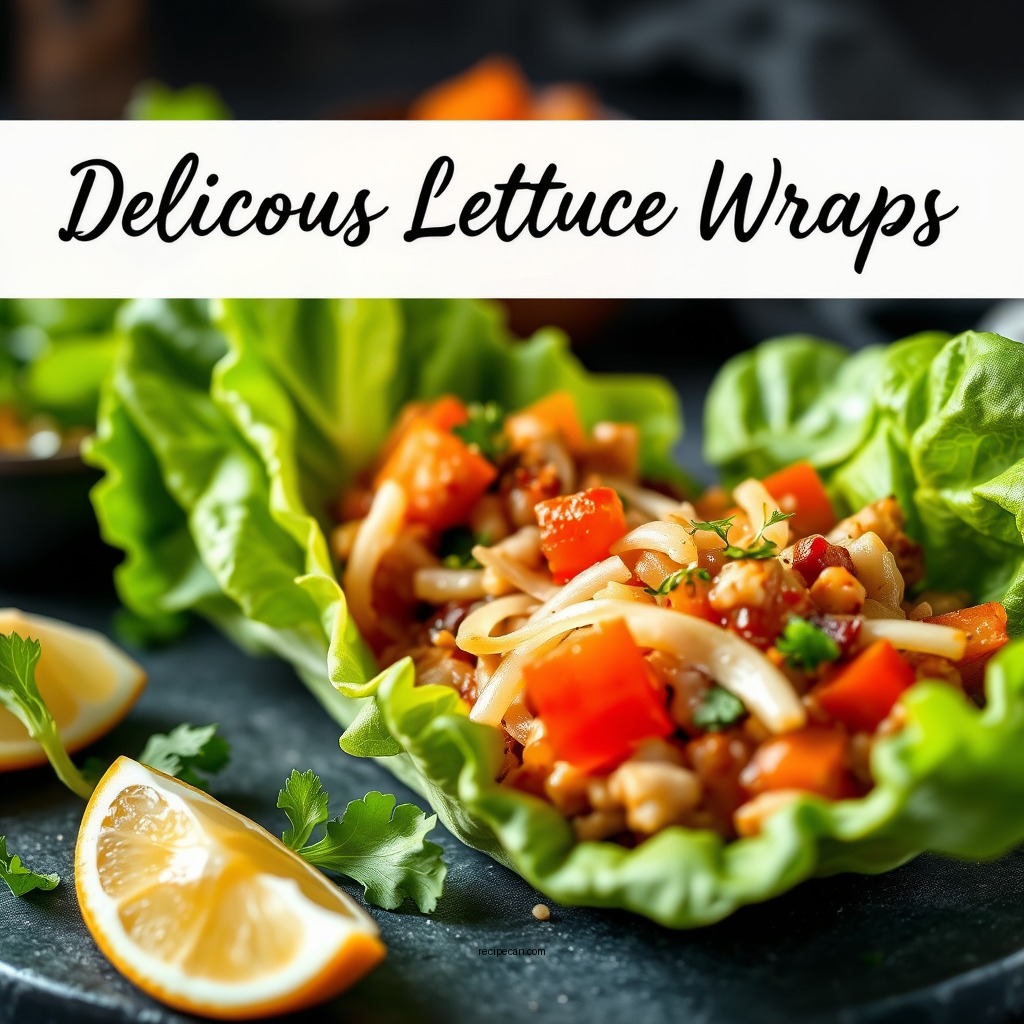
Lettuce wraps are a fresh and healthy alternative to traditional sandwiches or tacos, providing a low-carb option that’s both satisfying and delicious. These versatile creations can be filled with a variety of ingredients, making them perfect for any dietary preference. In this article, you’ll learn how to create a variety of lettuce wraps that are simple to prepare and packed with flavor. From classic fillings to innovative combinations, we’ll cover everything you need for a delightful meal.
Choosing the Right Lettuce
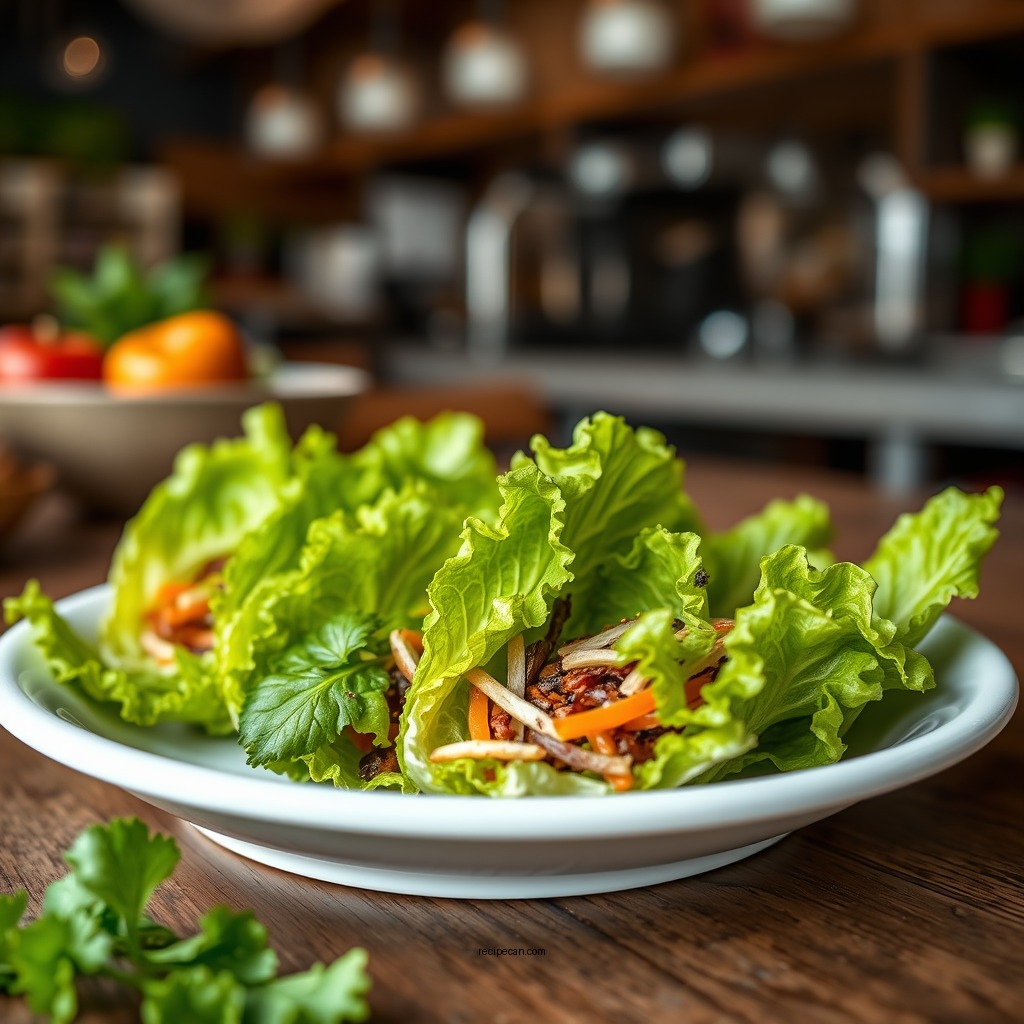
When it comes to creating the perfect lettuce wrap, selecting the right type of lettuce is crucial. Iceberg, romaine, and butter lettuce are popular choices due to their sturdy leaves, which can hold fillings without tearing.
– Iceberg Lettuce: Known for its crunch, iceberg lettuce provides a refreshing bite and can be easily shaped into cups for your fillings. It’s widely available and also offers a mild flavor that complements various ingredients.
– Romaine Lettuce: Romaine is slightly more robust than iceberg, with elongated leaves that are perfect for wrapping. The texture is crisp, and the slightly bitter flavor can add depth to your wraps.
– Butter Lettuce: Butter lettuce has a softer, more delicate texture and a slightly sweet flavor. Its leaves are pliable, making them easy to wrap around a variety of fillings, though they may require a gentler hand during assembly.
Consider the size of the leaves for easy wrapping and filling. Larger leaves can accommodate more ingredients, while smaller ones may be better for individual servings or appetizers.
Essential Ingredients for Filling
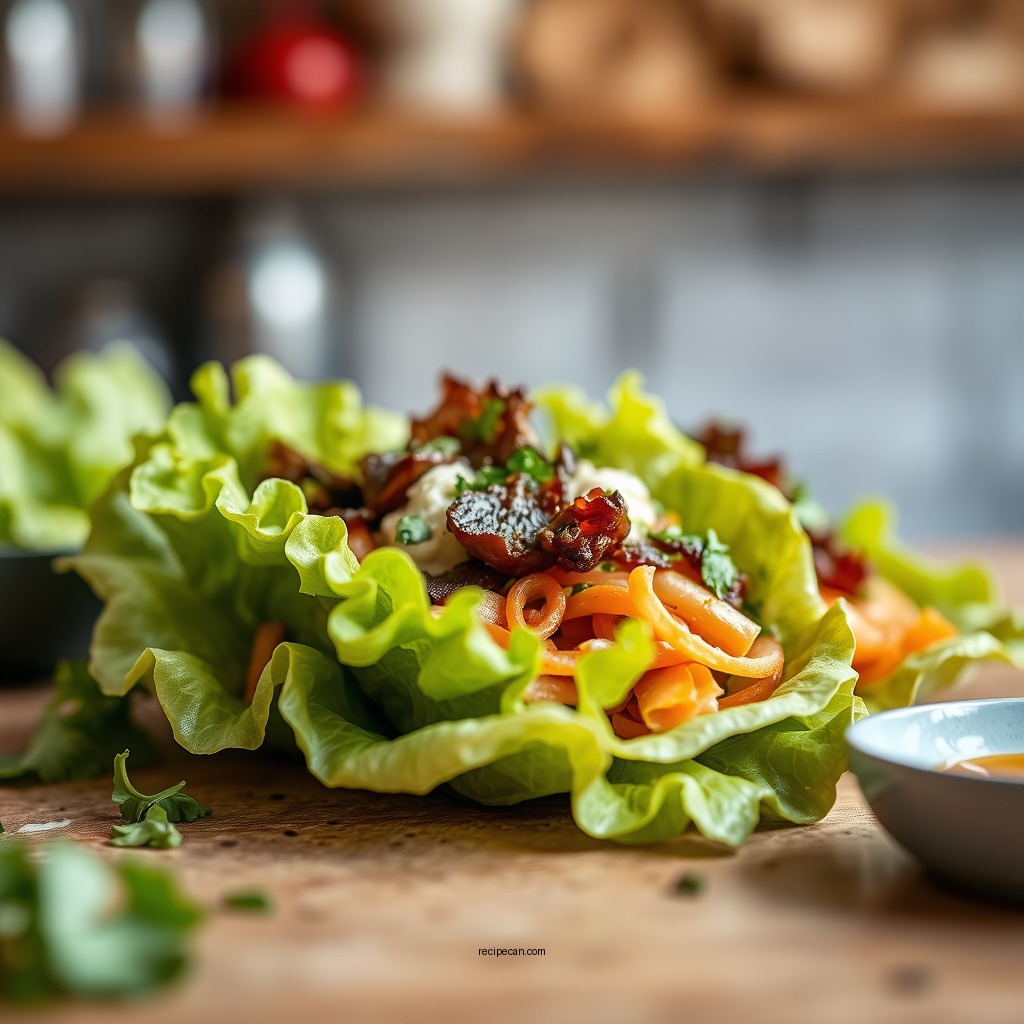
Choosing the right fillings is essential to crafting a satisfying and flavorful lettuce wrap. Here are several categories to consider:
– Protein Options: Start with your choice of protein. Chicken, beef, shrimp, or tofu are excellent choices. For example, diced grilled chicken can be marinated in a savory sauce, while crispy tofu can be seasoned and sautéed for a vegetarian twist.
– Fresh Vegetables: Fresh vegetables add crunch and flavor to your wraps. Consider bell peppers, carrots, cucumbers, and shredded cabbage. These ingredients not only enhance the taste but also contribute valuable nutrients.
– Herbs and Aromatics: Fresh herbs like cilantro, mint, and basil can elevate your wraps. Aromatics such as garlic and ginger can also be added to boost flavor profiles.
– Grains and Nuts: For a heartier option, consider adding quinoa, brown rice, or chopped nuts like peanuts or cashews. These ingredients can provide additional texture and nutrition.
Flavorful Sauces and Dressings
No lettuce wrap is complete without a delicious sauce or dressing to tie everything together. Here are some flavorful options:
– Soy Sauce: A classic option, soy sauce can be used as a base for marinades or drizzled directly onto your wraps for a savory finish.
– Peanut Sauce: This creamy, nutty sauce pairs well with chicken or tofu. It can be made quickly by combining peanut butter, soy sauce, lime juice, and a touch of honey or maple syrup.
– Spicy Mayo: For those who enjoy a kick, a mix of mayonnaise, sriracha, and lime juice can create a zesty condiment that complements a variety of fillings.
– Homemade Dressings: Experimenting with homemade dressings can be quick and easy to prepare. For instance, a simple vinaigrette made from olive oil, vinegar, and herbs can add a fresh touch to your wraps.
📋 MANDATORY DATA TABLE
Top 7 Protein Options for Lettuce Wraps
| # | Protein | Calories (per 100g) | Protein (g) | Fat (g) |
|---|---|---|---|---|
| 1 | Chicken Breast | 165 | 31 | 3.6 |
| 2 | Shrimp | 99 | 24 | 0.3 |
| 3 | Tofu | 144 | 16 | 8 |
| 4 | Ground Beef | 250 | 26 | 20 |
| 5 | Pork Tenderloin | 143 | 26 | 3.5 |
| 6 | Duck Breast | 337 | 24 | 25 |
| 7 | Lentils | 116 | 9 | 0.4 |
Step-by-Step Assembly Process
Creating lettuce wraps is a straightforward process that can be broken down into simple steps.
1. Prepare the Lettuce: Start by washing and drying the lettuce leaves thoroughly. This ensures that your wraps are fresh and free of any dirt or pesticides.
2. Choose Your Fillings: Select your desired protein and vegetables. For example, if you opt for grilled chicken, ensure it is sliced into bite-sized pieces.
3. Layer Your Ingredients: Begin layering your chosen filling and sauces onto the lettuce leaf. Be careful not to overfill, as this can make wrapping difficult.
4. Wrap It Up: Gently fold the sides of the lettuce leaf over the filling and then roll it up from the bottom.
5. Secure and Serve: If necessary, you can use a toothpick to hold your wraps together. Arrange them on a plate for serving.
Serving and Presentation Tips
Presentation plays a significant role in making your meal more enjoyable. Here are some tips for serving your lettuce wraps:
– Dipping Sauces: Serve with additional dipping sauces on the side for an interactive meal experience. This allows each person to customize their wraps according to their taste preferences.
– Garnishing: Garnish your lettuce wraps with fresh herbs like cilantro or green onions. This not only adds visual appeal but also enhances flavor.
– Plating: Consider using a large platter to serve the wraps, arranging them in a circular formation or in neat rows. This creates an inviting display that entices your guests.
📈 MANDATORY BAR CHART
Popular Lettuce Wrap Fillings (Per Serving)
Variations and Customizations
The beauty of lettuce wraps lies in their versatility. Here are some ways to experiment with different cuisines and seasonal ingredients:
– Thai-Inspired Wraps: Incorporate fresh basil and mint along with a spicy peanut sauce for a Thai twist. You can fill these wraps with shrimp or grilled chicken marinated in lime juice and fish sauce.
– Mediterranean Flavors: Use hummus as a base and fill your wraps with falafel, diced tomatoes, cucumbers, and olives. A drizzle of tahini sauce will enhance the flavors beautifully.
– Seasonal Ingredients: Take advantage of seasonal produce by incorporating vegetables that are fresh and vibrant. For example, during summer, consider adding grilled zucchini and bell peppers.
– Fusion Ideas: Don’t hesitate to mix and match. For example, a Korean BBQ-inspired wrap could feature bulgogi beef, kimchi, and a spicy gochujang sauce.
Wrap up your meal with a summary of your favorite combinations and encourage readers to try their own variations. Lettuce wraps are versatile and can be adapted to suit any taste or dietary preference. Get creative in the kitchen and enjoy your healthy creations!
Frequently Asked Questions
What ingredients do I need for a basic lettuce wraps recipe?
To make basic lettuce wraps, you’ll need fresh lettuce leaves, such as romaine or butter lettuce, along with a protein like ground chicken, turkey, or tofu. Additionally, include vegetables such as bell peppers, carrots, and onions, and season with soy sauce, garlic, and ginger for flavor. Optional toppings can include chopped peanuts, cilantro, or a squeeze of lime.
How do I prepare the lettuce for wraps?
To prepare lettuce for wraps, gently rinse the leaves under cold water to remove any dirt or debris, then pat them dry with a paper towel. Carefully separate the leaves, ensuring they remain intact, as you’ll use them to hold the filling. For added crispness, you can place the leaves in ice water for a few minutes before draining.
Why are lettuce wraps a healthy alternative to traditional wraps?
Lettuce wraps are a healthy alternative because they are low in calories and carbohydrates compared to traditional bread or tortilla wraps. They provide a great source of vitamins and minerals while allowing you to enjoy a delicious filling without the added carbs. This makes them an excellent choice for those following a low-carb or gluten-free diet.
What are the best fillings for lettuce wraps?
The best fillings for lettuce wraps often include a mix of proteins, vegetables, and sauces. Popular options are seasoned ground meat, shrimp, or grilled tofu, combined with crunchy veggies like cucumbers and carrots. For added flavor, consider using hoisin sauce, peanut sauce, or a spicy Sriracha drizzle to elevate the taste.
Which types of lettuce are best for making wraps?
The best types of lettuce for making wraps include butter lettuce, romaine, and iceberg lettuce. Butter lettuce offers a soft, pliable texture that wraps easily around fillings, while romaine provides a sturdy crunch. Iceberg is also a good choice for its crispness and ability to hold sauces without getting soggy.
References
- Lettuce sandwich
https://en.wikipedia.org/wiki/Lettuce_wrap - https://www.ncbi.nlm.nih.gov/pmc/articles/PMC7010180/
https://www.ncbi.nlm.nih.gov/pmc/articles/PMC7010180/ - Ovulation signs: When is conception most likely? – Mayo Clinic
https://www.mayoclinic.org/healthy-lifestyle/nutrition-and-healthy-eating/expert-answers/lettuce-wraps/faq-20058000 - lettuce wraps foods
https://www.nutritionvalue.org/lettuce_wraps_nutritional_value.html - https://www.sciencedirect.com/topics/food-science/lettuce-wrap
https://www.sciencedirect.com/topics/food-science/lettuce-wrap - https://www.healthline.com/nutrition/lettuce-wraps
https://www.healthline.com/nutrition/lettuce-wraps - Google Scholar Google Scholar
https://scholar.google.com/scholar?q=lettuce+wraps+recipe - Google Scholar Google Scholar
https://scholar.google.com/scholar?q=nutrition+lettuce+wraps - Google Scholar Google Scholar
https://scholar.google.com/scholar?q=health+benefits+of+lettuce+wraps - Google Scholar Google Scholar
https://scholar.google.com/scholar?q=recipe+for+lettuce+wraps