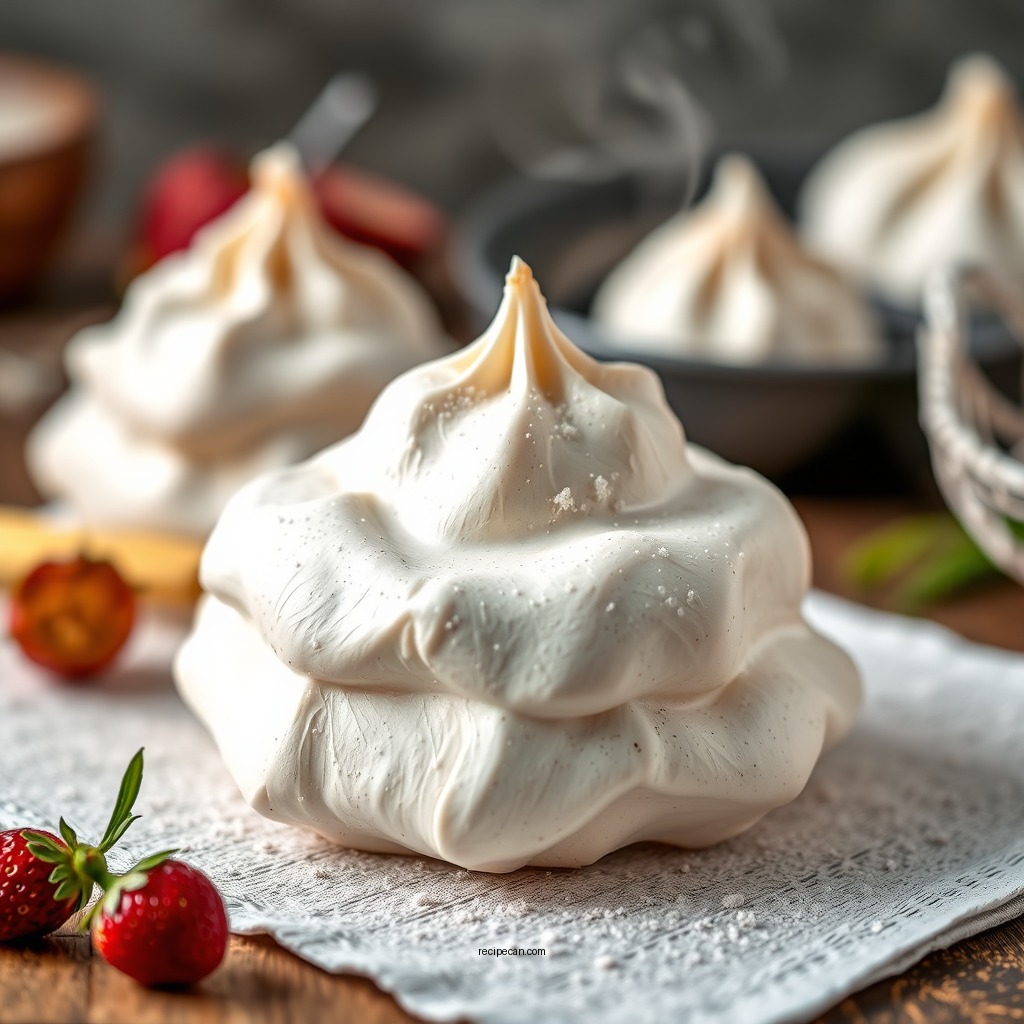
Making meringue without cream of tartar is entirely possible and can yield fluffy, delicious results. By using simple ingredients you likely already have at home, you can whip up this classic dessert topping or treat with ease. In this guide, you’ll learn how to make meringue without cream of tartar and discover tips for achieving the perfect texture.
Understanding Meringue
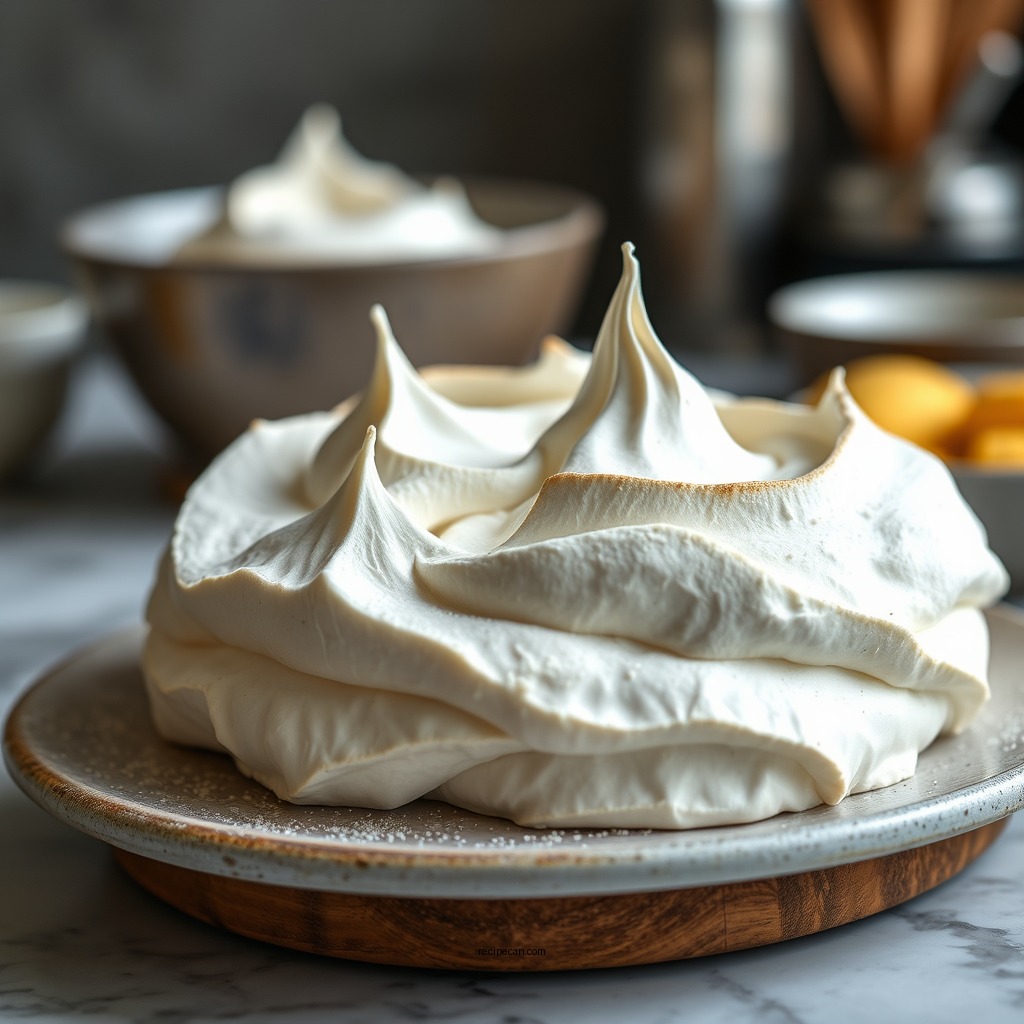
Meringue is a mixture of whipped egg whites and sugar, often used in desserts, such as pavlovas, pies, and cookies. The airy nature of meringue comes from the incorporation of air into the egg whites, creating a light and fluffy texture that can elevate any dessert. Cream of tartar is commonly added to stabilize the egg whites and help them maintain their structure while being whipped. However, it is not essential for making meringue; other methods and ingredients can effectively stabilize the mixture, allowing you to achieve the desired results without it.
Using alternatives like a pinch of salt or a few drops of lemon juice can provide similar stabilization benefits. This versatility allows you to enjoy homemade meringue even if you find yourself without cream of tartar in your pantry.
Ingredients Needed
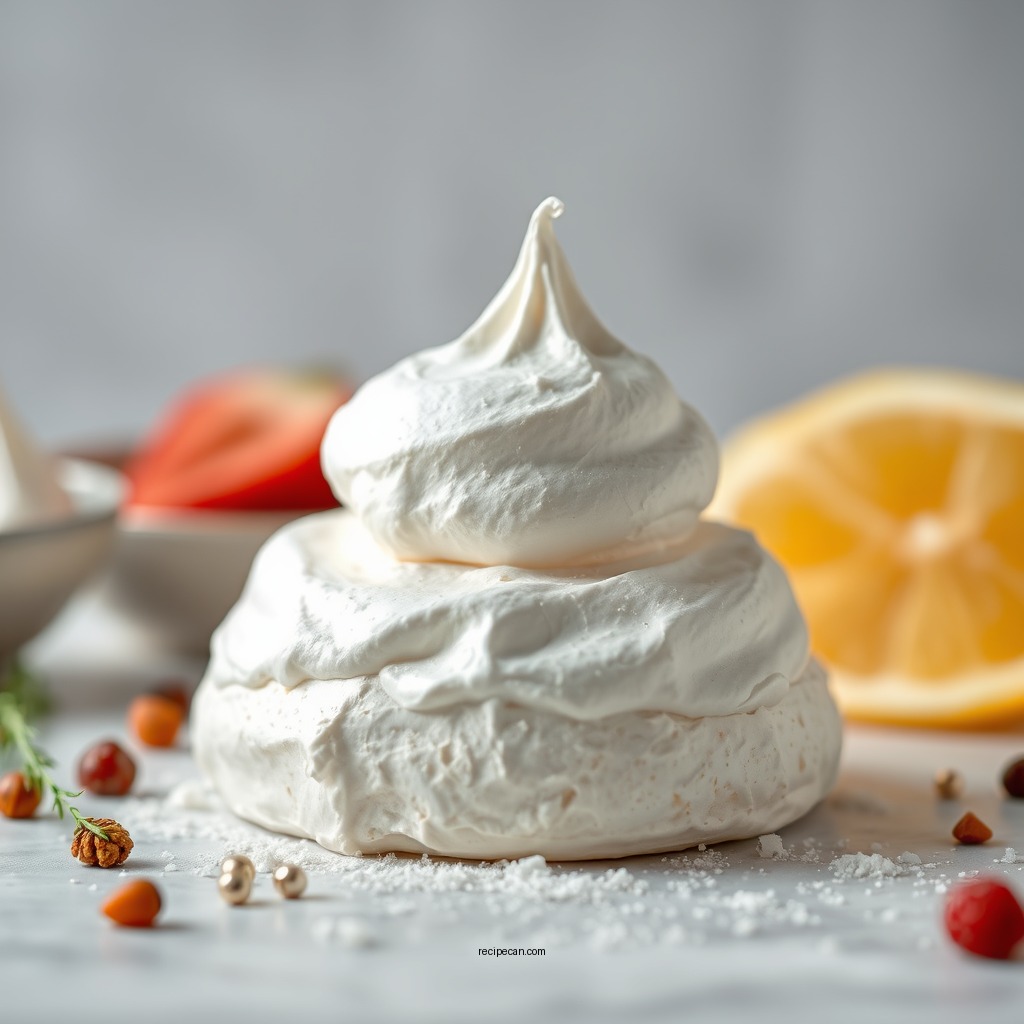
To create a successful meringue, you will need the following simple ingredients:
– 3 large egg whites at room temperature
– 1 cup granulated sugar
– A pinch of salt or lemon juice (optional for stabilization)
These basic ingredients can be easily found in most kitchens, making meringue a convenient dessert option. For best results, ensure that your egg whites are at room temperature, as this helps them whip up to their full volume.
Step-by-Step Instructions
1. Preheat the Oven: If you plan to bake the meringue, start by preheating your oven to 225°F (107°C). This low temperature is essential for drying the meringue rather than cooking it, leading to the perfect texture.
2. Prepare Your Equipment: Select a clean, dry mixing bowl, preferably glass or metal, as plastic bowls can retain grease that interferes with the whipping process. Also, ensure that your beaters or whisk are clean and free of residue.
3. Whip the Egg Whites: Begin by adding the egg whites to the bowl. Using an electric mixer, beat the egg whites on medium speed until soft peaks form. At this stage, the mixture should be frothy and slightly thickened.
4. Add Sugar Gradually: Once soft peaks are achieved, gradually add the sugar, a tablespoon at a time, while continuing to beat. This gradual incorporation allows the sugar to dissolve completely, preventing a gritty texture in your meringue.
5. Increase Speed and Check for Stiff Peaks: After adding all the sugar, increase the mixer speed to high and continue whipping until stiff peaks form. The meringue should be glossy and hold its shape well.
Whipping Technique
Achieving the right texture in your meringue is crucial. Here are some tips to perfect your whipping technique:
– Temperature Matters: Ensure that your egg whites are at room temperature. Cold egg whites take longer to whip and may not reach maximum volume.
– Avoid Fat: Any grease or fat can hinder the whipping process. Ensure your bowl and utensils are thoroughly cleaned.
– Monitor Your Whipping: Whipping too long can lead to a dry meringue that loses its shine. Stop whipping once you achieve stiff peaks where the meringue holds its shape without collapsing.
Baking the Meringue
Once your meringue is ready, it’s time to bake it to achieve that perfect texture.
1. Shape the Meringue: Using a piping bag or a spoon, pipe or spoon the meringue onto a lined baking sheet. You can create various shapes, such as nests for pavlovas or simple rounds for meringue cookies.
2. Bake: Place the baking sheet in the preheated oven and bake for 1 to 2 hours. The exact time will depend on the size of your meringues; smaller meringues will take less time. The goal is to dry them out completely without browning.
3. Cool in the Oven: After the baking time is up, turn off the oven and allow the meringues to cool inside. This gradual cooling helps prevent cracking and maintains the meringue’s structure.
Tips for Success
– Clean Equipment: Ensure all equipment is free from grease, as it can prevent egg whites from whipping properly. Rinse your mixing bowl with vinegar to remove any residual oils if needed.
– Use Fresh Eggs: Fresh eggs whip better than older ones, yielding a more stable meringue.
– Room Temperature: As mentioned earlier, room temperature egg whites will result in better volume and texture.
– Flavor Enhancements: Consider adding vanilla extract or almond extract for added flavor. However, be cautious not to introduce too much liquid, as it could affect the meringue’s stability.
Common Mistakes to Avoid
– Not Dissolving Sugar Fully: If the sugar is not fully dissolved, it can lead to a gritty texture in your meringue. Always taste a small amount to ensure no sugar crystals remain.
– Overbeating: While it’s important to whip the egg whites to stiff peaks, overbeating can lead to dry meringue that lacks the desired shine. Pay close attention to the texture as you whip.
– Moisture: Avoid making meringue on humid days, as moisture can affect the stability and texture of the meringue.
Common Ingredients in Meringue Recipes
| # | Ingredient | Purpose | Common Usage |
|---|---|---|---|
| 1 | Egg Whites | Structure | Base of meringue |
| 2 | Granulated Sugar | Sweetness | Stabilizes texture |
| 3 | Salt | Flavor | Enhances sweetness |
| 4 | Lemon Juice | Stabilization | Keeps meringue from weeping |
| 5 | Vanilla Extract | Flavor | Adds aroma |
| 6 | Cornstarch | Stabilization | Helps prevent weeping |
| 7 | Food Coloring | Visual Appeal | Enhances presentation |
Meringue Texture Quality Based on Ingredients
By following these steps, you can create a delightful meringue without needing cream of tartar. Whether you are topping a pie, creating a pavlova, or enjoying meringue cookies, the flexibility of this recipe allows for creativity in flavor and presentation. Remember to practice the techniques mentioned to avoid common pitfalls, and soon you’ll be crafting perfect meringue with confidence. Enjoy experimenting with flavors, shapes, and applications to make your desserts truly shine!
Frequently Asked Questions
What ingredients do I need for a meringue recipe without tartar?
To make a meringue without cream of tartar, you’ll need egg whites, granulated sugar, and a pinch of salt. Make sure to use fresh egg whites at room temperature for the best results, as they whip up more easily and create a stable structure.
How do I achieve stiff peaks in my meringue without using tartar?
To achieve stiff peaks in your meringue without cream of tartar, start by beating the egg whites on medium speed until they become frothy. Gradually add sugar while continuing to whip, and increase the speed to high once the sugar is fully incorporated; this will help stabilize the egg whites and create the desired texture.
Why is cream of tartar commonly used in meringue recipes?
Cream of tartar is often used in meringue recipes because it acts as an acid that stabilizes the egg whites and helps them achieve volume. However, if you don’t have cream of tartar, using fresh eggs and a clean mixing bowl can still yield a good meringue, although it may require more careful handling.
What are the best tips for baking meringue without tartar?
For the best results when baking meringue without tartar, ensure your mixing bowl and utensils are completely grease-free, as any fat can hinder the egg whites’ ability to whip. Bake the meringue at a low temperature (around 200°F) for a longer time to ensure it dries out properly, which will help prevent it from becoming chewy.
Which desserts can I make using meringue without tartar?
You can use meringue without tartar to create a variety of desserts, including pavlova, meringue cookies, and topping for pies like lemon meringue. This versatile ingredient can also be used to make meringue nests filled with fruit or whipped cream, allowing for a deliciously light and airy treat.
References
- Meringue
https://en.wikipedia.org/wiki/Meringue - https://www.bbc.co.uk/food/recipes/meringue_01241
https://www.bbc.co.uk/food/recipes/meringue_01241 - https://www.sciencedirect.com/science/article/pii/S2351978915000452
https://www.sciencedirect.com/science/article/pii/S2351978915000452 - https://pubmed.ncbi.nlm.nih.gov/29947667/
https://pubmed.ncbi.nlm.nih.gov/29947667/ - https://www.nytimes.com/2020/03/25/dining/meringue-recipe.html
https://www.nytimes.com/2020/03/25/dining/meringue-recipe.html - Meringue | Definition & Ingredients | Britannica
https://www.britannica.com/topic/meringue - Google Scholar Google Scholar
https://scholar.google.com/scholar?q=meringue+recipe+without+tartar - Google Scholar Google Scholar
https://scholar.google.com/scholar?q=meringue+without+cream+of+tartar - Google Scholar Google Scholar
https://scholar.google.com/scholar?q=meringue+recipe+egg+whites - https://www.sciencedirect.com/science/article/pii/S2351978915000453
https://www.sciencedirect.com/science/article/pii/S2351978915000453