Creating a delicious lemon curd for your tarts is easier than you might think. With just a few simple ingredients and a straightforward process, you can whip up a bright, tangy filling that elevates any tart. In this article, you’ll learn how to make lemon curd from scratch, tips for perfecting your recipe, and ideas for using it in various tart creations.
Ingredients for Lemon Curd
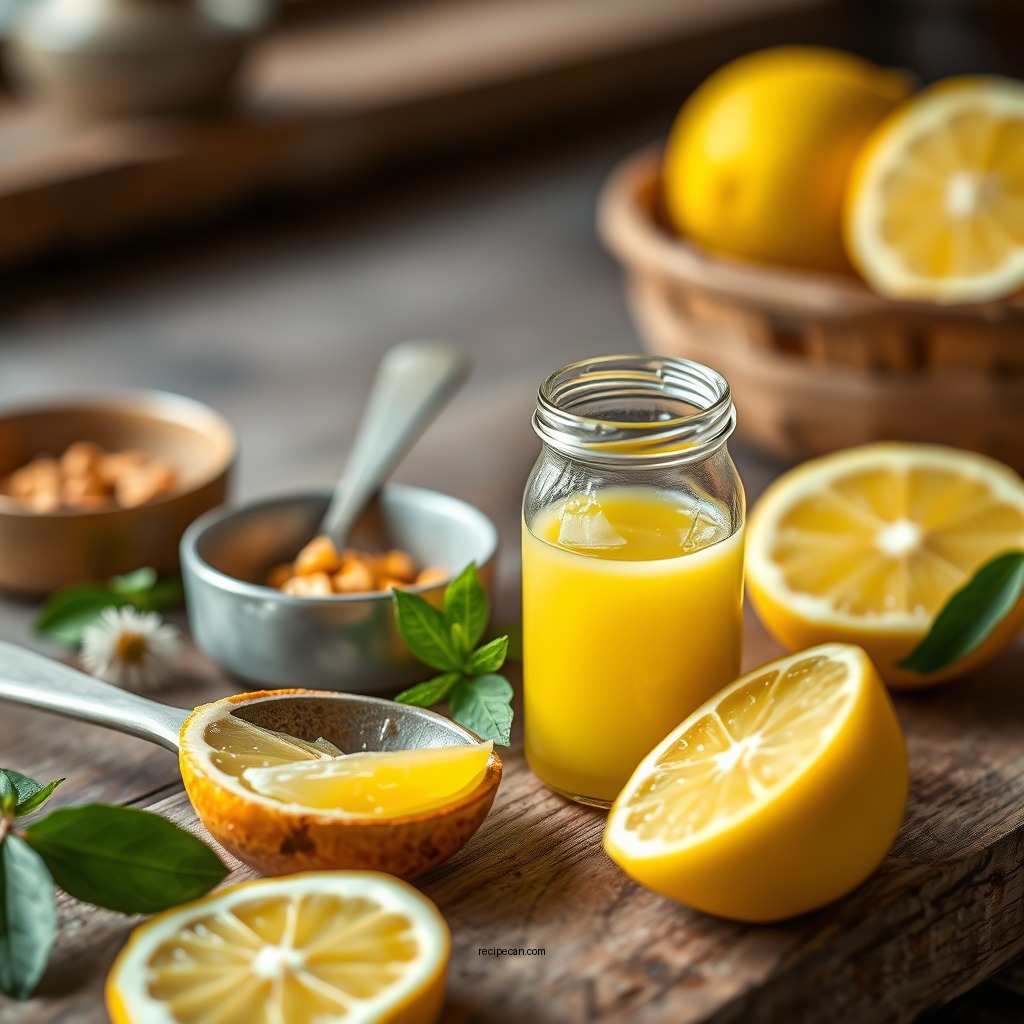
To craft the perfect lemon curd, you’ll need a handful of fresh ingredients that work harmoniously to deliver a burst of citrus flavor. Here’s what you’ll need:
– Fresh lemons: The zest and juice of fresh lemons are crucial for vibrant flavor. Aim for organic lemons if possible, as they usually have a more intense aroma and taste.
– Eggs: Whole eggs or a combination of whole eggs and egg yolks provide the structure and richness necessary for a creamy curd. The fat from the yolks contributes to the luxurious texture, while the whites help to stabilize the curd.
– Sugar: Granulated sugar balances the tartness of the lemons, ensuring that the curd is not overly sour. You can adjust the amount to suit your taste, but a typical range is between 3/4 to 1 cup.
– Butter: Unsalted butter is preferred as it adds creaminess and a smooth texture. The butter should be cubed and added at the end of the cooking process to create a silky finish.
Step-by-Step Instructions

Making lemon curd requires a gentle approach, but the process is straightforward. Follow these steps for a successful outcome:
1. Zest and juice the lemons: Begin by zesting the lemons using a microplane or zester. This step is crucial for maximizing flavor; the zest contains essential oils that contribute significantly to the curd’s aroma. After zesting, juice the lemons, straining out any seeds.
2. Combine ingredients: In a medium saucepan, whisk together the eggs, sugar, lemon juice, and zest until well combined. Ensure that the mixture is blended thoroughly to avoid any lumps.
3. Cook gently: Place the saucepan over low heat, stirring constantly with a wooden spoon or silicone spatula. It’s vital to keep the heat low to prevent the eggs from scrambling. Cook until the mixture thickens, which should take about 10-15 minutes. You’ll know it’s ready when it coats the back of a spoon.
4. Finish with butter: Once thickened, remove the saucepan from the heat and stir in the cubed butter until melted and fully incorporated. This step enriches the curd and adds a velvety texture.
5. Cool and store: Allow the lemon curd to cool slightly before transferring it to an airtight container. Let it cool to room temperature before refrigerating.
Tips for Perfect Lemon Curd
To ensure your lemon curd turns out perfectly every time, consider the following tips:
– Use fresh ingredients: Fresh lemons yield the best flavor and aroma. Avoid bottled lemon juice, as it lacks the vibrant taste and zest of fresh lemons.
– Monitor the heat: Cooking too quickly can scramble the eggs. Always use low heat and stir constantly to achieve a smooth texture.
– Strain for smoothness: For an ultra-smooth curd, strain the mixture through a fine sieve before cooling it. This step removes any bits of cooked egg and zest, resulting in a silky finish.
📋 Lemon Curd Nutritional Value Table
Nutritional Facts of Lemon Curd (per tablespoon)
| # | Nutrient | Amount | % Daily Value |
|---|---|---|---|
| 1 | Calories | 50 | 2% |
| 2 | Fat | 3g | 5% |
| 3 | Carbohydrates | 6g | 2% |
| 4 | Sugars | 5g | 5% |
| 5 | Protein | 1g | 2% |
| 6 | Calcium | 10mg | 1% |
| 7 | Iron | 0.1mg | 1% |
📈 Lemon Curd Cooking Time Chart
Lemon Curd Cooking Time Breakdown (in minutes)
Storing Your Lemon Curd
To ensure your lemon curd maintains its flavor and texture, proper storage is essential:
– Refrigeration: Lemon curd can be stored in an airtight container in the refrigerator for up to a week. When storing, press a piece of plastic wrap directly onto the surface of the curd to prevent a skin from forming.
– Freezing: For longer storage, lemon curd can be frozen. Transfer it to a freezer-safe container, leaving some space at the top for expansion. It can be frozen for up to three months. To use, simply thaw it in the refrigerator overnight before using.
Using Lemon Curd in Tarts
Lemon curd is incredibly versatile and can be used in various tart creations. Here are some delightful ideas:
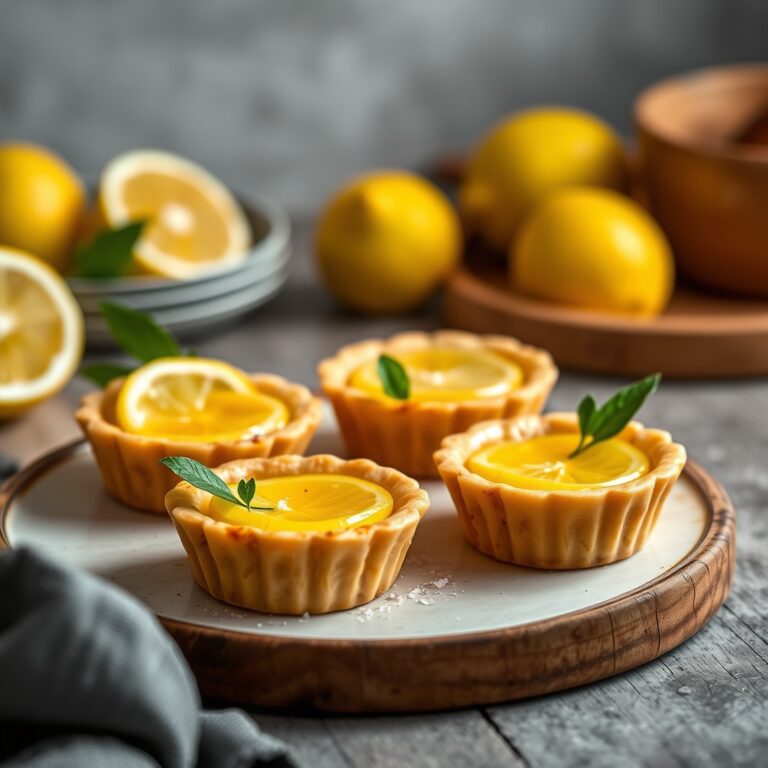
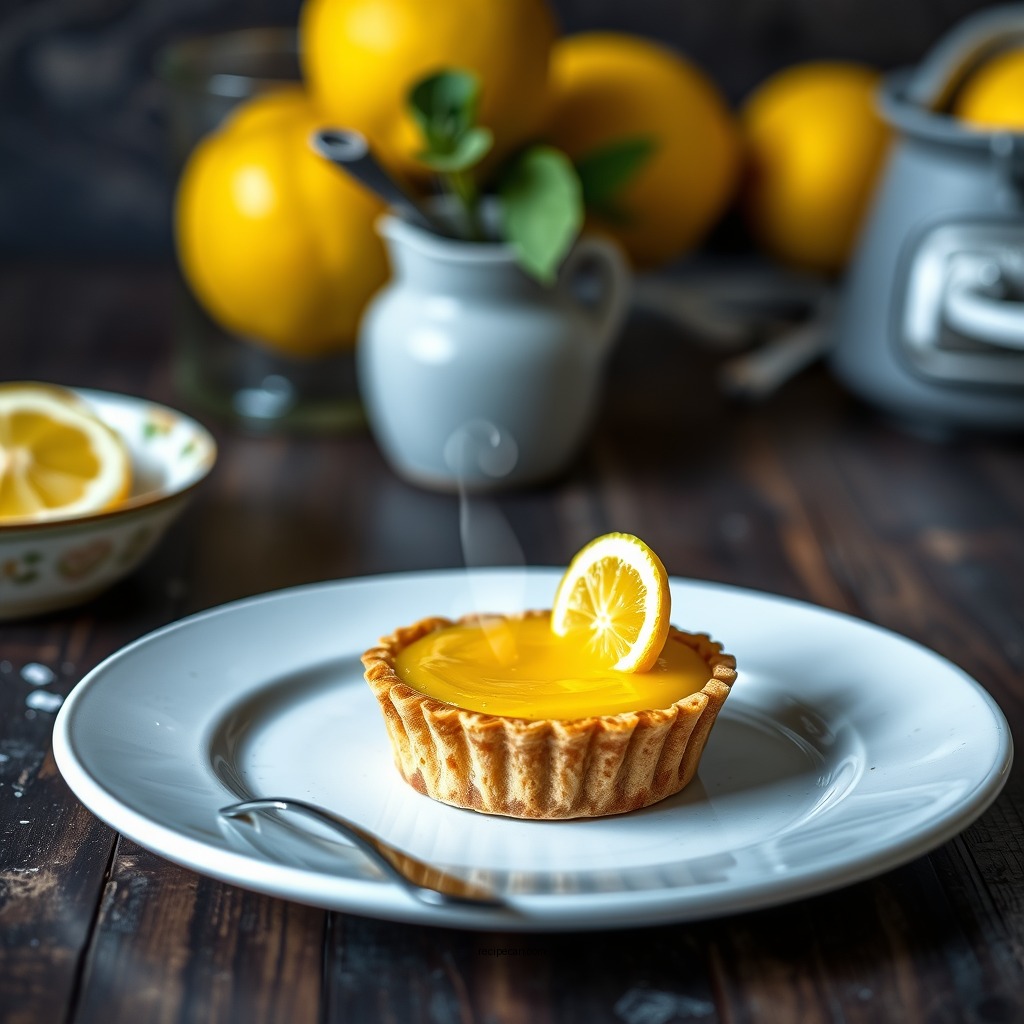
– Classic lemon tart: The most popular use for lemon curd is in a traditional lemon tart. Spread the curd into a pre-baked tart shell for a refreshing dessert that is sure to impress guests.
– Layered desserts: Lemon curd can also be used as a filling between layers of cake. Its bright flavor pairs exceptionally well with vanilla or almond cake, or it can be layered in parfaits with whipped cream and fresh fruit.
– Accompaniments: Serve lemon curd alongside whipped cream or fresh berries to add a burst of flavor to any dessert plate.
Variations on Lemon Curd
Once you’ve mastered the basic lemon curd, consider experimenting with these variations:
– Flavor additions: Add unique flavors by incorporating herbs like basil or lavender into the curd. Simply infuse the herbs in the lemon juice before straining for an unexpected twist.
– Fruit combinations: Mix in other citrus fruits like lime or orange for a different flavor profile. You can also use pureed fruits like passion fruit for a tropical version.
– Sweetness adjustment: Customize the sugar level according to your taste preferences. If you prefer a less sweet curd, reduce the sugar slightly while keeping the balance of flavors.
Summarizing the process of making lemon curd for tarts highlights how simple it can be to create a delightful filling. With fresh ingredients and a bit of patience, you can enhance your dessert offerings. Now that you have the recipe and tips, give it a try and impress your friends and family with a homemade lemon tart!
Frequently Asked Questions
What ingredients do I need for a lemon curd recipe for tarts?
To make a lemon curd for tarts, you will need fresh lemons for their juice and zest, granulated sugar, unsalted butter, eggs, and a pinch of salt. These ingredients combine to create a tangy and creamy filling that perfectly complements tart crusts.
How do I achieve the perfect consistency for my lemon curd tart filling?
To achieve the perfect consistency for your lemon curd tart filling, cook the mixture over low to medium heat while constantly whisking until it thickens, typically around 170°F to 175°F. Once thickened, strain the curd through a fine sieve to remove any lumps and ensure a smooth texture.
Why is my lemon curd too runny for my tart?
If your lemon curd is too runny, it may not have been cooked long enough to reach the proper temperature for thickening, or there may not have been enough eggs used in the recipe. Ensure you cook the curd until it coats the back of a spoon, and consider adding an extra egg yolk for added richness and firmness.
What is the best way to store leftover lemon curd for tarts?
The best way to store leftover lemon curd is in an airtight container in the refrigerator, where it can last for up to one week. For longer storage, you can freeze the curd in small portions, allowing you to thaw just what you need for future tart recipes.
Which tart crust pairs best with lemon curd filling?
A classic buttery shortcrust pastry pairs best with lemon curd filling, as its crisp texture complements the creamy tartness of the curd. Alternatively, a graham cracker crust adds a delightful sweetness that balances the tangy lemon flavor, making it a popular choice for lemon tarts.
References
- Fruit curd
https://en.wikipedia.org/wiki/Lemon_curd - Lemon curd recipe | Good Food
https://www.bbcgoodfood.com/recipes/lemon-curd - https://www.sciencedirect.com/topics/food-science/lemon-curd
https://www.sciencedirect.com/topics/food-science/lemon-curd - https://www.ncbi.nlm.nih.gov/pmc/articles/PMC4801011/
https://www.ncbi.nlm.nih.gov/pmc/articles/PMC4801011/ - https://www.journalofethnicfoods.org/article/S2352-650X(16)30007-1/fulltext
https://www.journalofethnicfoods.org/article/S2352-650X(16)30007-1/fulltext - https://www.cdc.gov/nutrition/food-safety.html
https://www.cdc.gov/nutrition/food-safety.html - https://www.nytimes.com/2021/03/03/dining/lemon-curd-recipe.html
https://www.nytimes.com/2021/03/03/dining/lemon-curd-recipe.html - Google Scholar Google Scholar
https://scholar.google.com/scholar?q=lemon+curd+recipe+tarts - Google Scholar Google Scholar
https://scholar.google.com/scholar?q=lemon+curd+dessert+sciences - Google Scholar Google Scholar
https://scholar.google.com/scholar?q=lemon+curd+culinary+techniques