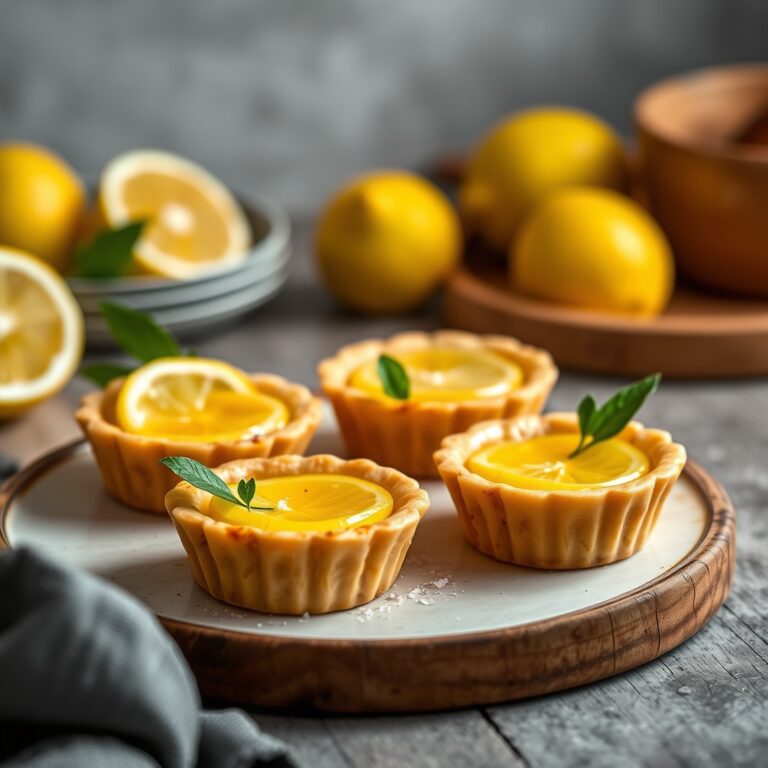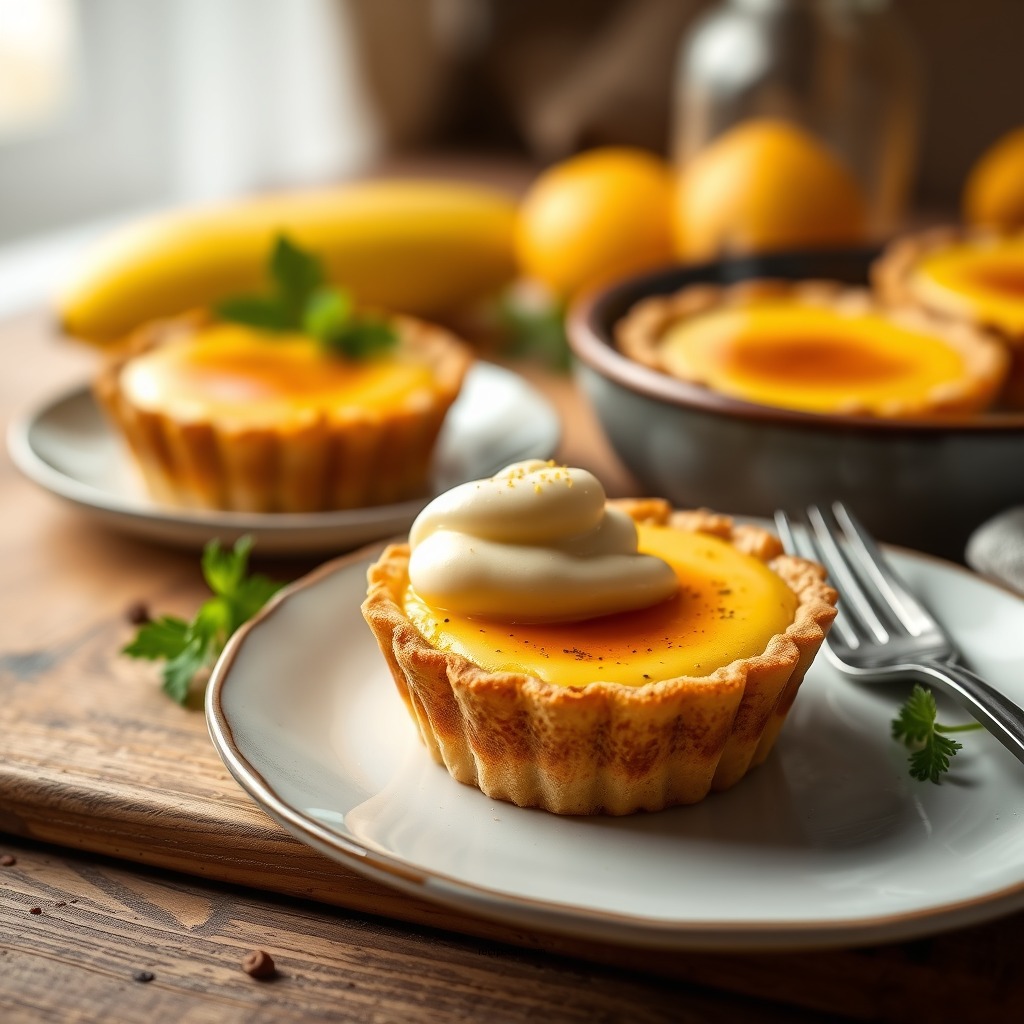
Get ready to indulge in the deliciousness of Portuguese custard tarts, or “pastéis de nata.” This easy recipe will guide you through creating these creamy, flaky treats that are sure to impress your friends and family. You’ll learn how to make the perfect custard filling and flaky pastry from scratch, bringing a taste of Portugal right to your kitchen.
Ingredients You’ll Need
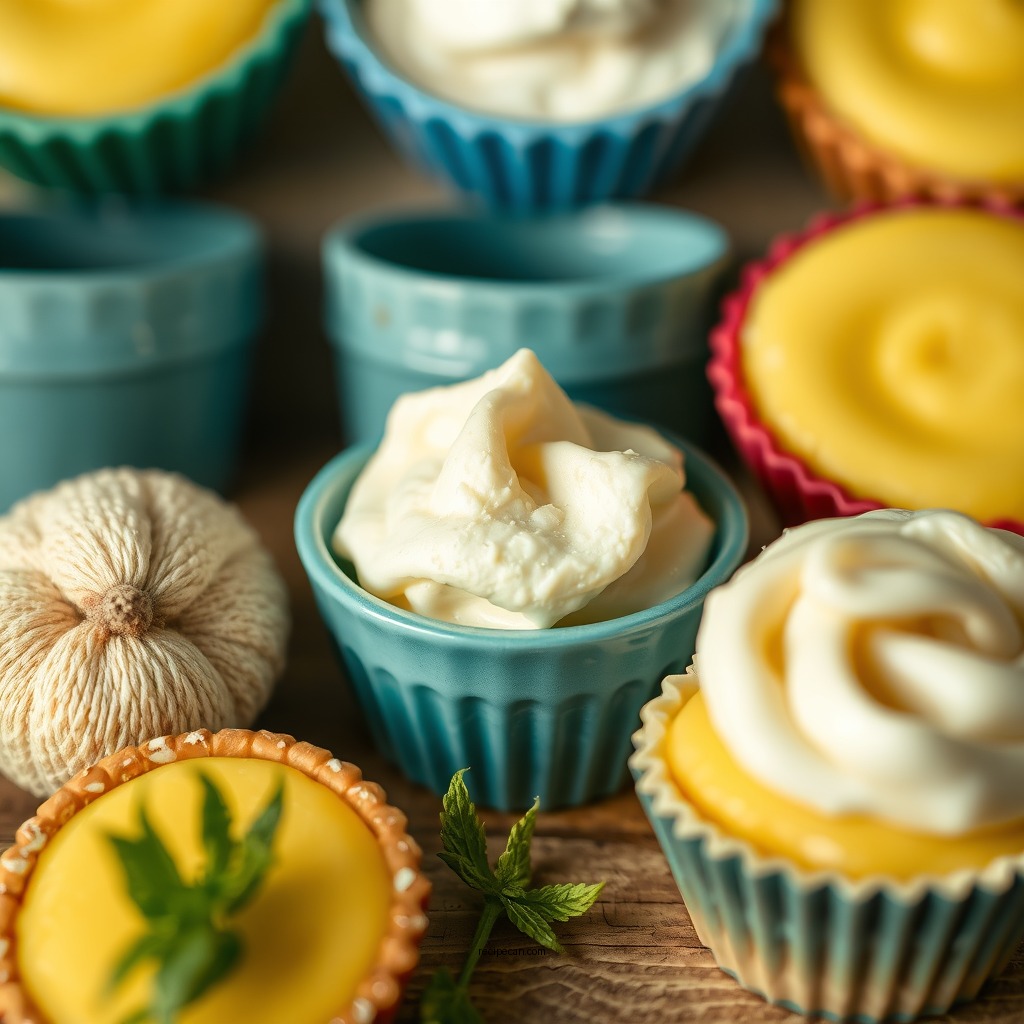
To create authentic pastéis de nata, you will need a combination of essential ingredients for both the pastry and the custard filling.
Essential Ingredients for the Pastry:
– Flour: All-purpose flour is ideal for achieving a tender yet flaky crust.
– Butter: Use unsalted butter for a rich flavor and better control over salt levels.
– Sugar: Granulated sugar sweetens the pastry and contributes to its caramelization during baking.
Key Ingredients for the Custard:
– Egg Yolks: These provide richness and creaminess to the custard, helping it set properly.
– Milk: Full-fat milk yields a creamier texture, but you can also use a mix of cream and milk for extra indulgence.
– Vanilla: Pure vanilla extract enhances the flavor profile of the custard, making it aromatic and delightful.
Preparing the Pastry
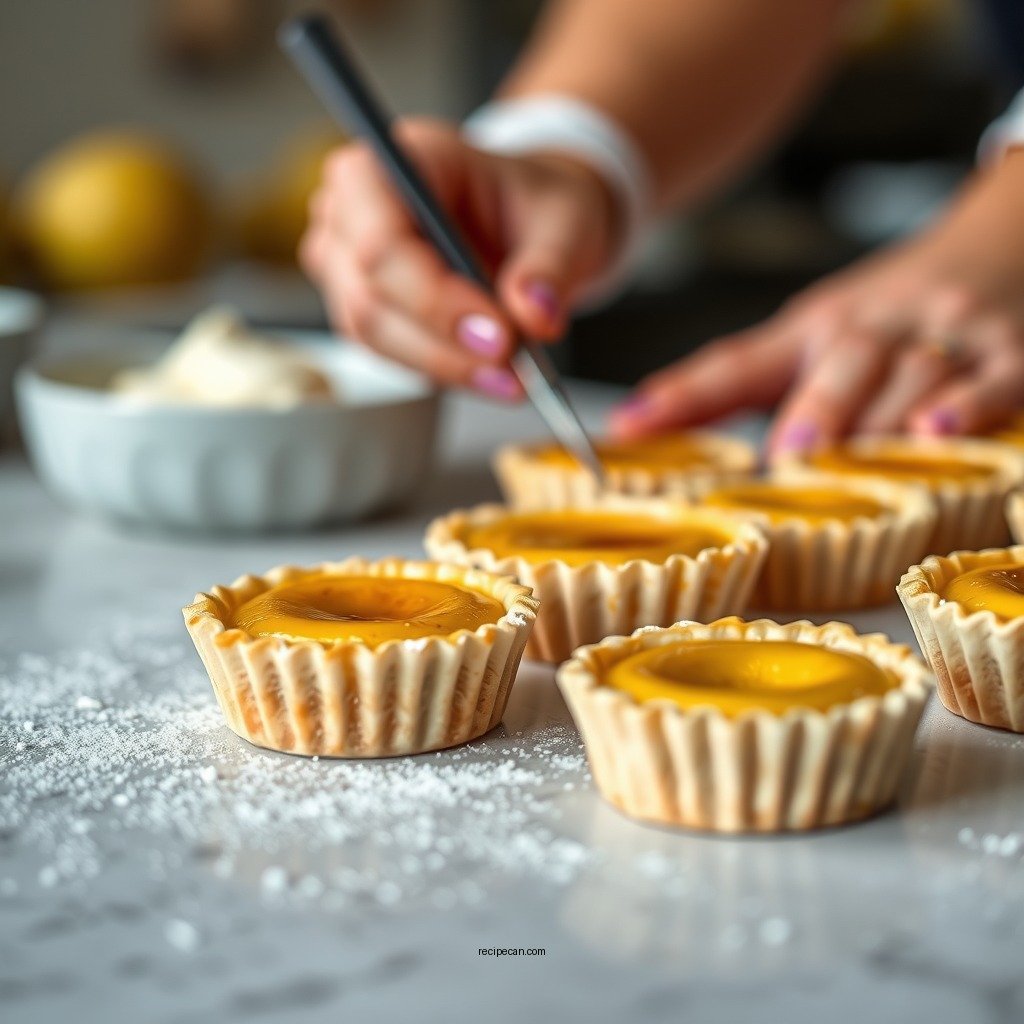
Creating the pastry dough is the first step to making these delectable tarts. Follow these detailed steps to ensure success:
1. Combine Dry Ingredients: In a large mixing bowl, whisk together 2 cups of all-purpose flour and 1 tablespoon of granulated sugar until well combined.
2. Cut in Butter: Add 1/2 cup of cold, unsalted butter, cut into small cubes. Use a pastry cutter or your fingers to work the butter into the flour until the mixture resembles coarse crumbs.
3. Add Water: Gradually add about 1/4 cup of ice water, mixing until the dough comes together. Be careful not to overwork the dough, as this can make it tough.
4. Chill the Dough: Form the dough into a disc, wrap it in plastic wrap, and refrigerate for at least 30 minutes. This allows the gluten to relax, making the pastry flaky.
5. Roll Out the Dough: Once chilled, lightly flour your work surface and roll out the dough to about 1/8-inch thickness. Use a round cutter or a glass to cut out circles that will fit into your tart molds.
6. Shape the Pastry Cups: Gently press the circles into the greased tart pans, ensuring there are no air pockets. Trim any excess dough hanging over the edges.
Tips:
– For a more intricate pastry, consider laminating the dough by folding and rolling it multiple times to incorporate layers of butter. This results in an even flakier crust.
– Ensure your butter is cold to maintain the integrity of the layers in the pastry.
Making the Custard Filling
Creating the custard filling is a crucial step that requires attention to detail. Here’s how to achieve the perfect custard:
1. Mix the Ingredients: In a medium saucepan, combine 1 cup of milk, 1/2 cup of sugar, and 1 tablespoon of vanilla extract. Heat over medium heat until the mixture is warm but not boiling.
2. Prepare Egg Yolks: In a separate bowl, whisk together 4 egg yolks. Once the milk mixture is warm, slowly pour it into the egg yolks while whisking constantly. This technique is known as tempering and prevents the yolks from curdling.
3. Thicken the Custard: Return the mixture to the saucepan and cook over low heat, stirring continuously, until it thickens enough to coat the back of a spoon, usually around 5-7 minutes. Do not let it boil.
4. Cool the Custard: Once thickened, remove from heat and strain the custard through a fine sieve to remove any cooked bits. Allow it to cool slightly before using.
Importance of Tempering:
Tempering the eggs helps maintain a smooth texture in your custard. If the egg yolks are added directly to the hot mixture, they can scramble, resulting in an undesirable texture.
Assembling the Tarts
Now that you have prepared both the pastry and custard filling, it’s time to bring them together:
1. Fill the Pastry Cups: Carefully ladle the warm custard into each tart shell, filling them about three-quarters full. This allows for expansion as they bake.
2. Distribute the Filling Evenly: To ensure even baking, tap the tart pan gently on the counter to settle the custard and remove any air bubbles.
Baking Tips for Perfect Tarts
Baking is where the magic happens. Follow these tips to achieve a perfect golden finish:
1. Oven Temperature: Preheat your oven to 475°F (245°C). This high temperature is crucial for achieving that characteristic caramelized top.
2. Baking Time: Bake the tarts for about 15-20 minutes or until the pastry is golden brown and the custard has puffed slightly. Keep an eye on them to prevent burning.
3. Achieving Caramelization: For that signature burnt top, consider using a broiler for the last minute of baking. Watch closely to avoid overcooking.
Serving Suggestions
Pastéis de nata can be enjoyed in various ways:
– Warm or Chilled: These tarts are delicious whether served warm straight from the oven or chilled after refrigeration. The choice is yours.
– Garnishing Ideas: Dust with powdered sugar or a sprinkle of cinnamon for an added touch. You can also serve them with fresh berries or a dollop of whipped cream for an extra indulgent treat.
Storing Leftovers
If you have any leftovers, proper storage is essential to maintain their freshness:
– Refrigeration: Store any uneaten tarts in an airtight container in the refrigerator for up to 3 days.
– Reheating: To enjoy the tarts warm again, preheat your oven to 350°F (175°C) and bake for about 10 minutes. This will help restore the crispiness of the pastry.
Top 7 Ingredients for Portuguese Custard Tarts
| # | Ingredient | Quantity Needed | Calories per Serving | Origin |
|---|---|---|---|---|
| 1 | All-Purpose Flour | 2 cups | 455 | Portugal |
| 2 | Unsalted Butter | 1/2 cup | 810 | Portugal |
| 3 | Granulated Sugar | 3/4 cup | 580 | Global |
| 4 | Egg Yolks | 4 | 320 | Global |
| 5 | Full-Fat Milk | 1 cup | 150 | Global |
| 6 | Vanilla Extract | 1 tbsp | 12 | Global |
| 7 | Cinnamon (optional) | For dusting | 0 | Global |
Custard Texture Quality by Preparation Method
Enjoy the delightful flavors of homemade Portuguese custard tarts with this straightforward recipe. Not only will you impress your guests, but you’ll also enjoy the satisfaction of creating these iconic desserts yourself. Gather your ingredients and start baking today!
Frequently Asked Questions
What ingredients do I need for a traditional Portuguese custard tarts recipe?
To make authentic Portuguese custard tarts, or “pastéis de nata,” you will need all-purpose flour, unsalted butter, whole milk, granulated sugar, egg yolks, cornstarch, vanilla extract, and a pinch of salt. These ingredients come together to create the flaky pastry and rich custard filling that characterizes this delicious dessert.
How do I achieve the perfect flaky crust for my custard tarts?
To achieve a perfectly flaky crust for your Portuguese custard tarts, it’s essential to use cold butter and incorporate it into the flour using a technique called “laminating.” This involves folding and rolling the dough multiple times to create layers, which will puff up beautifully during baking, resulting in a light and crispy texture.
Why do my custard tarts not set properly?
If your custard tarts are not setting properly, it could be due to insufficient cooking time or incorrect oven temperature. Ensure that the custard is cooked until it thickens slightly before pouring it into the pastry shells, and bake them at a high temperature to achieve that signature caramelized top while ensuring the filling is cooked through.
What is the best way to serve Portuguese custard tarts?
The best way to serve Portuguese custard tarts is warm or at room temperature, dusted with a sprinkle of cinnamon and powdered sugar for added flavor. Pairing them with a cup of coffee or tea enhances the experience, making it a delightful treat for breakfast or dessert.
Which type of milk is best for making custard filling in tarts?
Whole milk is the best choice for making custard filling in Portuguese custard tarts, as it provides a rich and creamy texture that is essential for the custard. You can also mix it with heavy cream for an even richer flavor, but using whole milk alone will yield delicious results while keeping the recipe simple.
References
- Pastel de nata
https://en.wikipedia.org/wiki/Pastéis_de_nata - https://www.bbc.co.uk/food/recipes/pasteis_de_nata_18687
https://www.bbc.co.uk/food/recipes/pasteis_de_nata_18687 - https://www.theguardian.com/food/2021/jun/10/pasteis-de-nata-recipe-portuguese-custard-tarts
https://www.theguardian.com/food/2021/jun/10/pasteis-de-nata-recipe-portuguese-custard-tarts - https://www.nytimes.com/recipe/pasteis-de-nata-portuguese-custard-tarts
https://www.nytimes.com/recipe/pasteis-de-nata-portuguese-custard-tarts - https://www.britannica.com/topic/pasteis-de-nata
https://www.britannica.com/topic/pasteis-de-nata - Google Scholar Google Scholar
https://scholar.google.com/scholar?q=portuguese+custard+tarts+recipe - Google Scholar Google Scholar
https://scholar.google.com/scholar?q=pasteis+de+nata+recipe - Google Scholar Google Scholar
https://scholar.google.com/scholar?q=portuguese+cuisine+custard+tarts - https://www.sciencedirect.com/topics/food-science/pasteis-de-nata
https://www.sciencedirect.com/topics/food-science/pasteis-de-nata - https://www.pubmed.ncbi.nlm.nih.gov/?term=portuguese+custard+tarts
https://www.pubmed.ncbi.nlm.nih.gov/?term=portuguese+custard+tarts