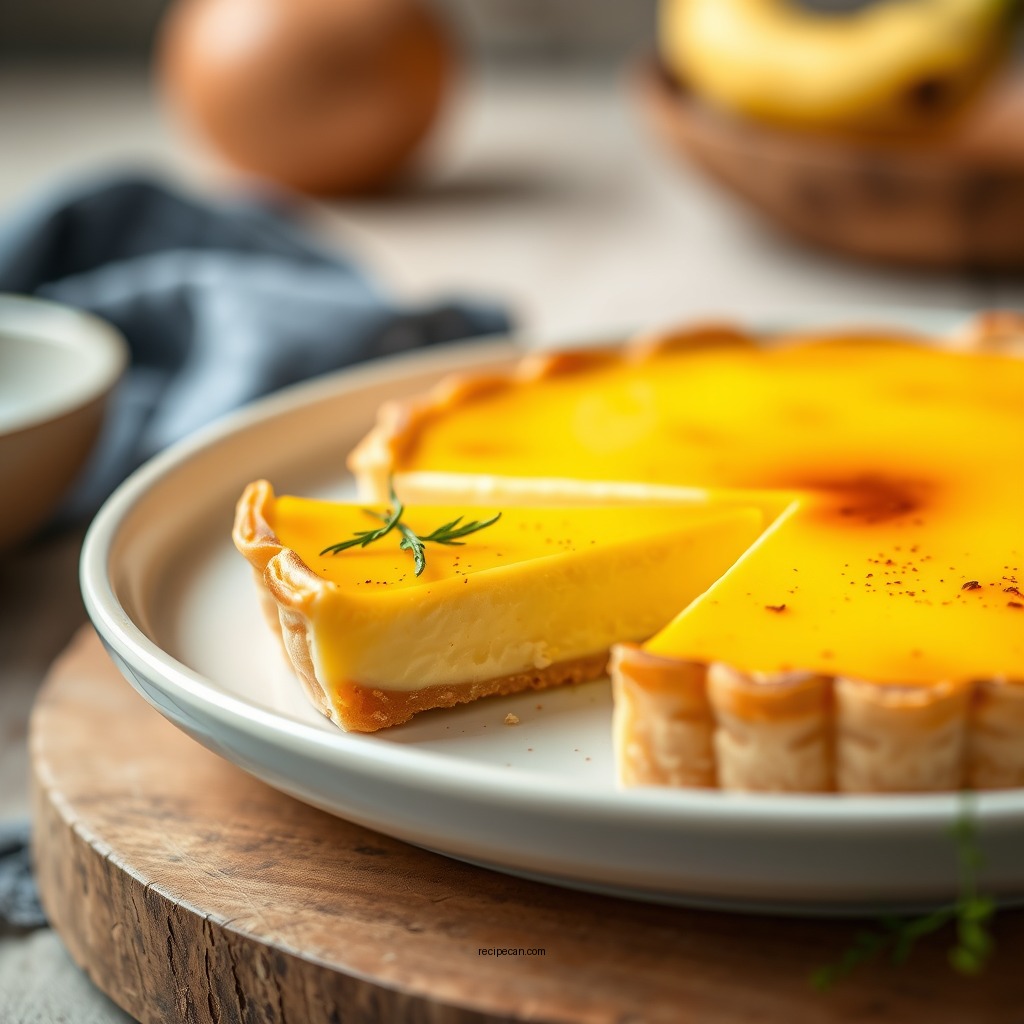
Creating a delicious egg custard tart is simpler than you might think! This classic dessert features a creamy, smooth filling nestled in a flaky pastry crust, making it a perfect treat for any occasion. In this article, you will learn how to make an egg custard tart from scratch, including the ingredients, preparation steps, and baking tips. Whether you’re a novice baker or an experienced cook, this recipe will guide you through each step to create a delightful dessert that will impress your family and friends.
Understanding the Ingredients
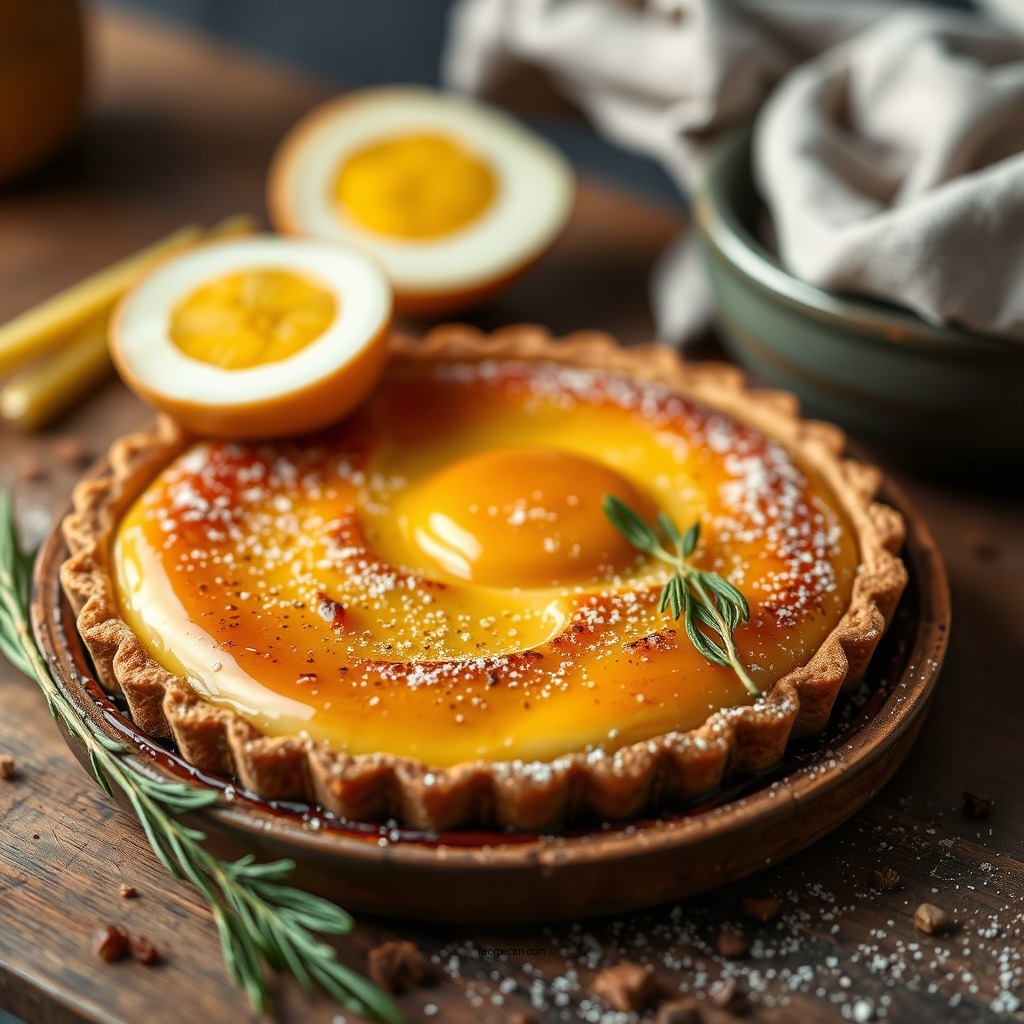
The foundation of any successful egg custard tart lies in its ingredients. Understanding their roles can help you achieve the perfect balance of flavor and texture.
– Eggs: The key ingredient that provides richness and structure to the custard. Eggs not only thicken the filling but also contribute to its creamy texture. It’s advisable to use large, fresh eggs for optimal results.
– Milk and Cream: These add creaminess and flavor; using a combination yields the best results. Whole milk contributes to the custard’s lightness, while heavy cream enhances the richness and smoothness. You can experiment with different ratios, but a common mix is two parts milk to one part cream.
– Sugar: A critical component for sweetness, granulated sugar is typically used. It balances the flavors and aids in the caramelization process during baking, enhancing the overall taste.
– Flavorings: Vanilla extract is the most popular choice, adding warmth and depth. A pinch of nutmeg or cinnamon can also provide a unique twist, adding layers of flavor that complement the custard.
By carefully selecting and understanding these ingredients, you can ensure that your egg custard tart will be both delicious and visually appealing.
Preparing the Pastry Crust
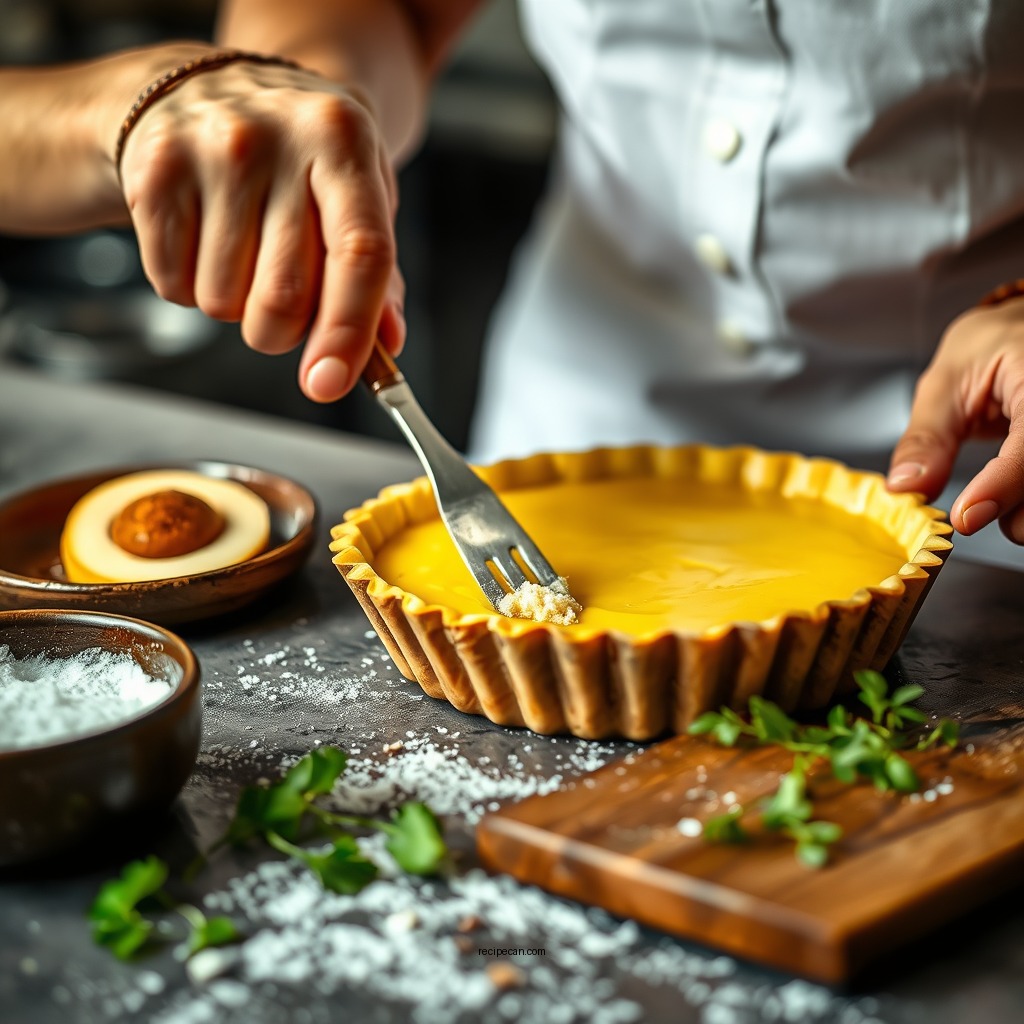
The pastry crust is just as vital as the custard filling. A well-prepared crust will provide a sturdy base and a delightful crunch.
– Types of Crust: You can use store-bought or homemade pastry; both work well. For a homemade crust, a simple mix of flour, butter, sugar, and water can create a tender, flaky shell. If you’re short on time, pre-made crusts offer convenience without sacrificing too much quality.
– Blind Baking: Pre-bake the crust to prevent sogginess when the custard is added. This process involves lining the crust with parchment paper, filling it with pie weights or dried beans, and baking it until lightly golden. This step is crucial, as it allows the crust to set and prevents it from becoming soggy once the custard is poured in.
This preparation ensures your tart has a perfect texture that contrasts beautifully with the creamy filling.
Making the Custard Filling
Now that you have your crust ready, it’s time to focus on the custard filling.
– Mixing Ingredients: Combine eggs, sugar, and milk/cream until smooth; avoid overmixing. Be sure to whisk gently to incorporate air without creating bubbles, which can lead to an uneven custard texture. A fine mesh strainer can be used to ensure a silky-smooth mixture by filtering out any bits of cooked egg.
– Flavoring Options: Consider adding vanilla extract or nutmeg for extra flavor. A teaspoon of vanilla extract enhances the sweetness, while a dusting of nutmeg adds warmth. You may also try other flavors like almond extract or citrus zest for a refreshing twist.
By focusing on these details, your custard will have the perfect balance of sweetness and flavor, making each bite irresistible.
Key Ingredients for Egg Custard Tart
| # | Ingredient | Amount | Role |
|---|---|---|---|
| 1 | Eggs | 4 large | Richness, structure |
| 2 | Whole Milk | 200 ml | Creaminess |
| 3 | Heavy Cream | 100 ml | Richness, smoothness |
| 4 | Granulated Sugar | 100 g | Sweetness |
| 5 | Vanilla Extract | 1 tsp | Flavor enhancer |
| 6 | Nutmeg | 1 pinch | Warmth, depth |
Baking the Tart
Baking the tart correctly is crucial to achieving the ideal custard texture.
– Temperature and Time: Bake at a moderate temperature to ensure even cooking; a typical time is around 30-40 minutes. Preheat your oven to 180°C (350°F) for optimal results. The low and slow approach allows the custard to set without curdling.
– Checking Doneness: The custard should be just set but slightly wobbly in the center. A gentle shake of the tart will help determine if it has cooked properly; if the edges are firm and the center has a slight jiggle, it’s ready to come out of the oven.
Following these guidelines will help ensure your egg custard tart is perfectly baked, with a creamy filling and a beautifully golden crust.
Baking Time & Temperature Recommendations
Cooling and Serving Tips
After baking, allowing the tart to cool properly is essential for achieving the best flavor and texture.
– Cooling Time: Allow the tart to cool completely before slicing to ensure clean cuts. This cooling period also allows the custard to set fully, enhancing the overall texture. Ideally, let it cool at room temperature for about 30 minutes, then refrigerate for an additional hour.
– Serving Suggestions: Serve plain or with fresh fruits; a dollop of whipped cream can elevate the experience. Fresh berries, such as raspberries or blueberries, add a delightful tartness that contrasts beautifully with the sweet custard. Alternatively, a light dusting of powdered sugar can provide a touch of elegance.
By following these serving tips, you can create an inviting presentation that will impress your guests.
Storing Leftovers
If you happen to have leftovers, proper storage is crucial to maintain freshness.
– Refrigeration: Store any leftovers in the fridge for up to 3 days; cover to maintain freshness. An airtight container or plastic wrap can help prevent the tart from drying out or absorbing odors from the fridge.
– Freezing: If you have extra tart, it can be frozen, but the texture may change slightly upon thawing. Wrap the tart tightly in plastic wrap and aluminum foil before placing it in the freezer. When you’re ready to enjoy it again, thaw it in the refrigerator overnight before serving.
Following these storage guidelines ensures you can savor your egg custard tart for days after baking.
Enjoy this delightful egg custard tart as a comforting dessert or a special treat for guests. With this simple recipe, you can impress your family and friends and make every gathering a little sweeter. Now it’s time to gather your ingredients and start baking!
Frequently Asked Questions
What ingredients do I need for a classic egg custard tart recipe?
To make a classic egg custard tart, you’ll need a pre-made or homemade pastry crust, eggs, sugar, milk, heavy cream, vanilla extract, and a pinch of nutmeg. These ingredients combine to create a rich, creamy filling that is the hallmark of a traditional egg custard tart.
How do I prevent my egg custard tart from cracking during baking?
To prevent your egg custard tart from cracking, it’s essential to bake it at a low temperature and to avoid overcooking. Additionally, make sure to strain the custard mixture before pouring it into the crust to remove any air bubbles, and consider using a water bath to maintain even heat distribution while baking.
Why is my egg custard tart too watery?
If your egg custard tart turns out watery, it may be due to insufficient thickening of the custard mixture or an imbalance of ingredients. Ensure you’re using the right ratio of eggs to liquid and that you bake the tart until the filling is just set but still slightly wobbly in the center, as it will firm up as it cools.
What is the best way to serve an egg custard tart?
The best way to serve an egg custard tart is chilled, allowing the flavors to develop and the texture to set. You can dust it with a light sprinkle of nutmeg or serve it with fresh fruit or whipped cream for added flavor and presentation.
Which types of milk are best for making egg custard tart?
For the richest flavor and creaminess in your egg custard tart, using a combination of whole milk and heavy cream is recommended. However, you can also experiment with alternatives like half-and-half or even non-dairy milk options, but keep in mind that these may alter the final texture and taste of the custard.
References
- Custard
https://en.wikipedia.org/wiki/Custard - https://www.bbc.co.uk/food/recipes/egg_custard_36033
https://www.bbc.co.uk/food/recipes/egg_custard_36033 - NYT Cooking – Recipes and Cooking Guides From The New York Times
https://www.nytimes.com/recipes/1019835/egg-custard-tart - https://www.sciencedirect.com/topics/food-science/custard
https://www.sciencedirect.com/topics/food-science/custard - https://www.accordingtojo.com/egg-custard-tart-recipe-1930s
https://www.accordingtojo.com/egg-custard-tart-recipe-1930s - Google Scholar Google Scholar
https://scholar.google.com/scholar?q=egg+custard+tart+recipe - Google Scholar Google Scholar
https://scholar.google.com/scholar?q=custard+dessert+recipes - Google Scholar Google Scholar
https://scholar.google.com/scholar?q=egg+custard+nutritional+information - Custard | Definition, Ingredients, & Preparation | Britannica
https://www.britannica.com/topic/custard - https://www.pubmed.ncbi.nlm.nih.gov/?term=egg+custard+recipe
https://www.pubmed.ncbi.nlm.nih.gov/?term=egg+custard+recipe