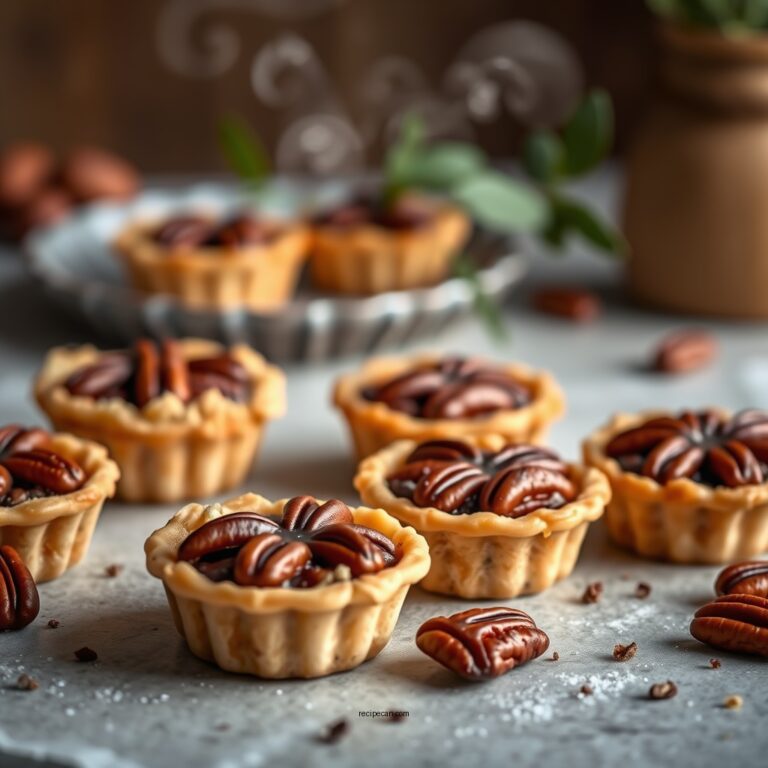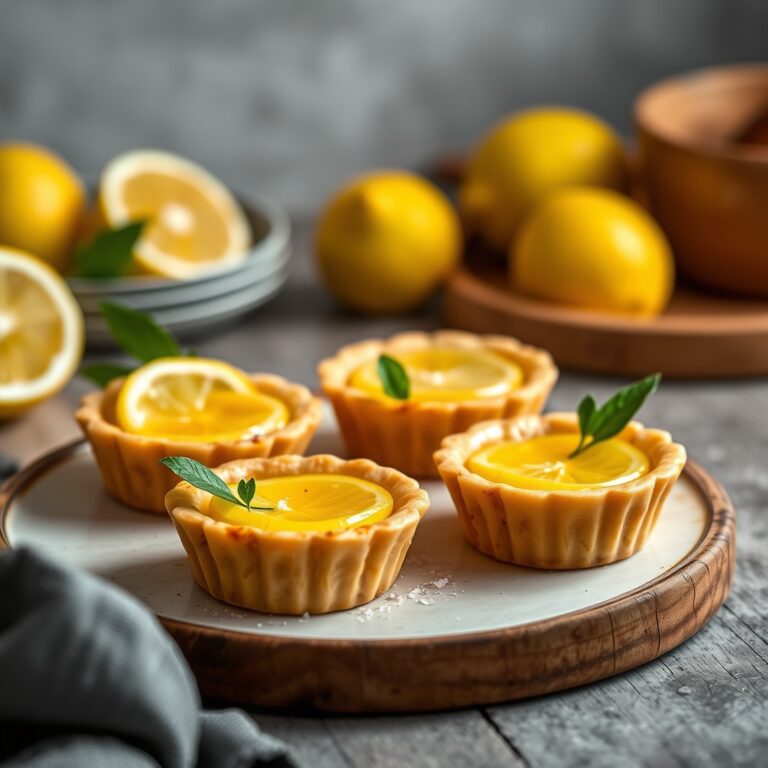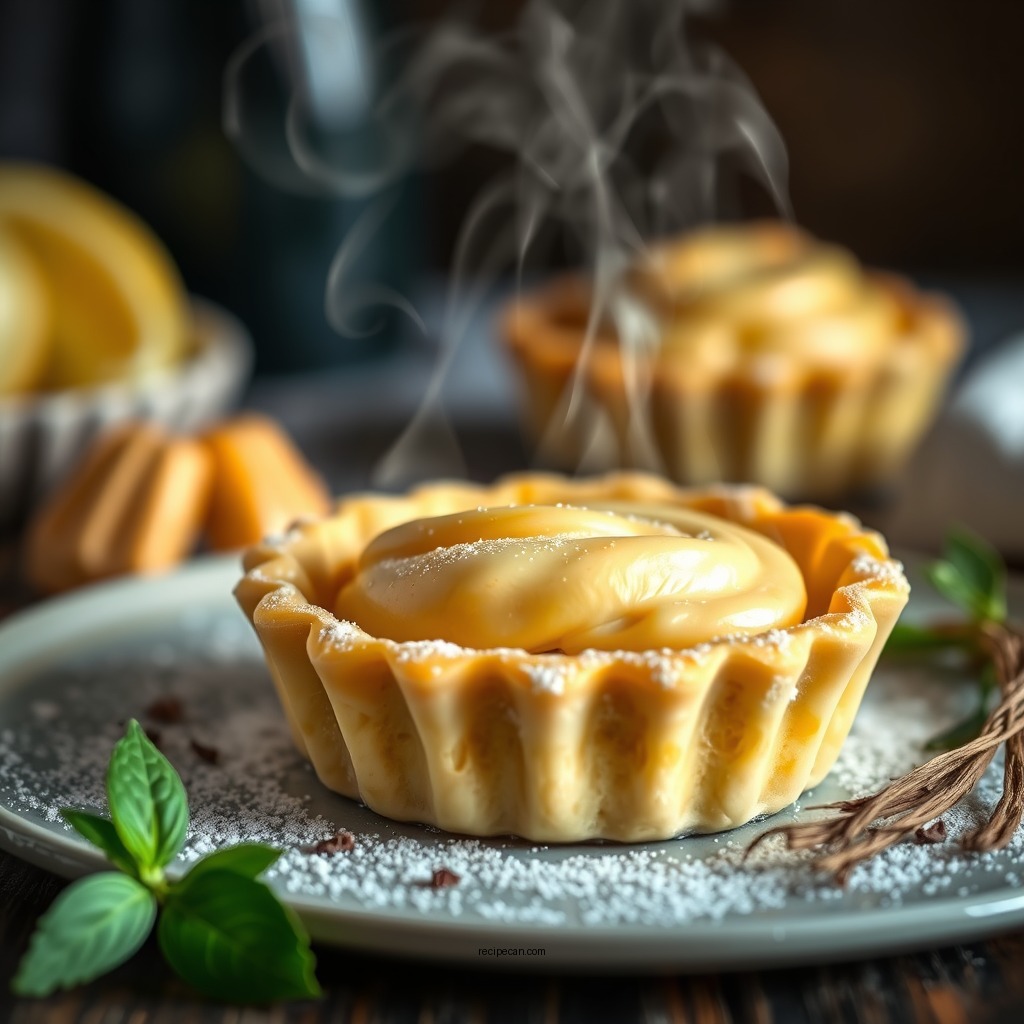
To make a delightful tart crust dough, you need a straightforward blend of flour, butter, sugar, and a pinch of salt. This easy recipe will lead you through the essential steps to create a tender, flaky crust that is ideal for both sweet and savory tarts. By the end of this article, you will have all the necessary tips to master your tart crust, ensuring your pastries stand out in both taste and presentation.
Understanding Tart Crust Dough Ingredients
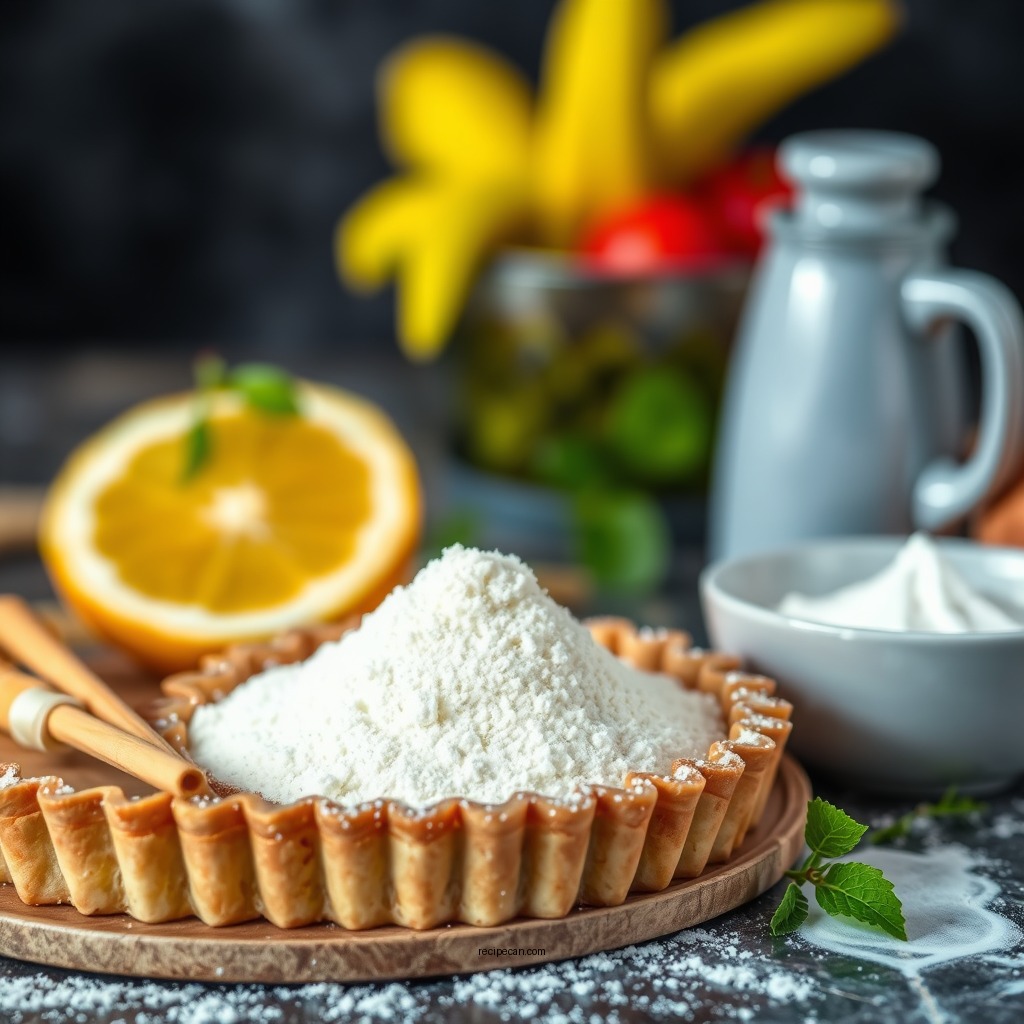
The foundation of a perfect tart crust lies in its ingredients. Each component plays a vital role in achieving the desired texture and flavor.
– Flour: The primary ingredient in tart crust dough is flour. All-purpose flour is recommended for its balance of protein and starch, providing the right texture and structure. If you prefer a more wholesome option, whole wheat flour can be used, but it will result in a denser crust.
– Butter: The type and temperature of butter significantly influence the crust’s flakiness. Cold, unsalted butter is essential, as it creates steam when baking, leading to a flaky texture. Avoid using margarine or soft butter, as they do not yield the same results.
– Sugar and Salt: While sugar adds sweetness, it also helps in the browning process during baking. A pinch of salt is crucial as it enhances the overall flavor of the crust, balancing the sweetness and enriching the taste.
Step-by-Step Preparation Process
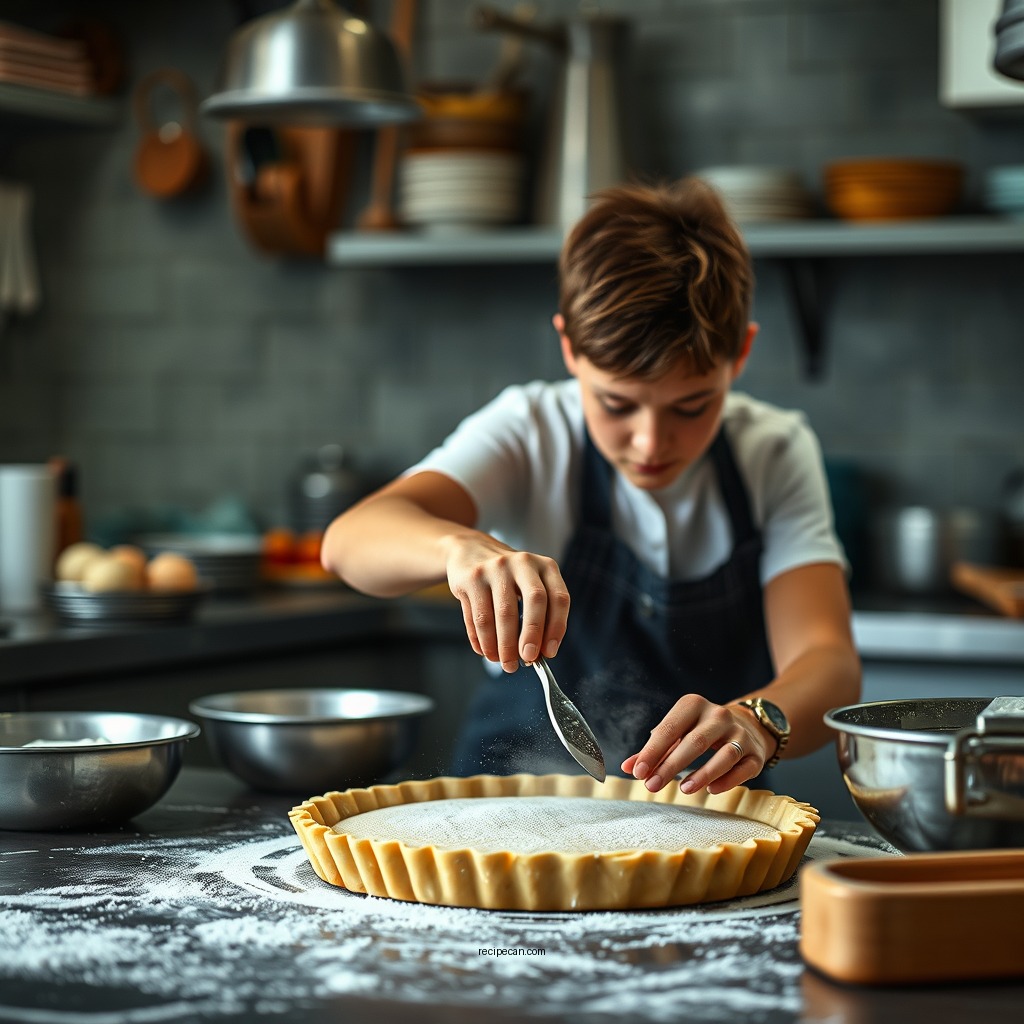
Creating the perfect tart crust involves several crucial steps, each contributing to the final product’s quality.
– Mixing Ingredients: Start by sifting the flour, sugar, and salt into a mixing bowl. This aerates the flour, which is essential for a light texture. Next, cut the cold butter into small cubes and add them to the dry ingredients. Use a pastry cutter or your fingers to work the butter into the flour until the mixture resembles coarse crumbs. This process is known as “cutting in” the butter.
– Chilling the Dough: Once mixed, it’s vital to chill the dough. Form it into a disk, wrap it in plastic wrap, and refrigerate for at least 30 minutes. Chilling helps to relax the gluten, making it easier to roll out and preventing shrinkage during baking.
– Rolling Out: After chilling, lightly flour your work surface and rolling pin. Roll the dough out evenly to about 1/8 inch thick, ensuring there are no thick or thin spots. Use a tart pan to cut the dough into the desired shape, allowing for a slight overhang that can be trimmed later.
Tips for Achieving the Perfect Crust
To ensure you achieve the perfect tart crust, consider the following expert tips:
– Avoid Overworking: Be careful not to overmix the dough. Mixing until just combined ensures a tender texture. Overworking develops gluten, leading to a tough crust.
– Use Parchment Paper: When rolling out the dough, place it between two sheets of parchment paper. This technique makes transferring the dough to the tart pan much easier and reduces the chance of tearing.
– Docking the Dough: Before baking, use a fork to poke holes in the bottom of the crust. This process, known as docking, prevents the crust from bubbling up during baking, ensuring an even surface for your fillings.
Baking Your Tart Crust
Baking your tart crust correctly is essential for achieving the desired texture and flavor.
– Pre-baking (Blind Baking): Blind baking is crucial for a crisp base, especially when using wet fillings. Line the crust with parchment paper and fill it with pie weights or dried beans. This step keeps the crust from puffing up during baking.
– Baking Time and Temperature: Generally, a tart crust should be baked at 350°F for 15-20 minutes, or until the edges are lightly golden. Keep an eye on the crust to avoid overbaking.
– Signs of Doneness: Look for a golden-brown color around the edges. If the crust looks pale, it may need additional baking time.
Variations for Different Tart Styles
Customization can elevate your tart crust to match various fillings and flavors.
– Sweet vs. Savory: For sweet tarts, increase the sugar content slightly, while for savory tarts, you can reduce sugar altogether. This adjustment balances the flavor profile of the filling.
– Add Flavor: Enhance your crust with additional flavorings. Incorporating vanilla extract or citrus zest can add a delightful twist, making the crust more aromatic and flavorful.
– Alternative Flours: Experimenting with alternative flours, such as almond or gluten-free flour, can yield unique textures and flavors. Keep in mind that these may require additional adjustments to the liquid content of the dough.
Top 7 Tart Crust Variations and Their Key Ingredients
| # | Tart Variation | Main Flour | Butter Type | Sugar Level |
|---|---|---|---|---|
| 1 | Classic Fruit Tart | All-Purpose | Unsalted | High |
| 2 | Chocolate Ganache Tart | All-Purpose | Unsalted | Medium |
| 3 | Savory Quiche | All-Purpose | Unsalted | Low |
| 4 | Lemon Tart | All-Purpose | Unsalted | High |
| 5 | Fruit Galette | Whole Wheat | Unsalted | Medium |
| 6 | Chocolate Tart | Almond | Unsalted | High |
| 7 | Almond Tart | Almond | Unsalted | Medium |
Common Mistakes to Avoid
When preparing your tart crust, being aware of common pitfalls can save you time and ingredients.
– Too Much Flour: Adding excessive flour can lead to a tough crust. Measure carefully, and if in doubt, start with a little less and add more as necessary.
– Not Chilling Enough: Skipping the chilling step can lead to shrinkage during baking, compromising the shape of your tart. Always ensure your dough is adequately chilled before rolling it out.
– Ignoring the Sides: When pressing the dough into the tart pan, ensure it reaches the sides properly. This detail is crucial to hold the filling, preventing leaks or spills during baking.
Your tart crust dough is now ready to shine in your favorite recipes! Whether you’re baking a luscious fruit tart or a savory quiche, these tips will help you create a perfect base every time. Remember, practice makes perfect, so don’t hesitate to try out different techniques and flavors. Happy baking!
Frequently Asked Questions
What are the essential ingredients for a tart crust dough recipe?
The essential ingredients for a tart crust dough include all-purpose flour, unsalted butter, sugar, and a pinch of salt. Many recipes also call for an egg yolk or ice water to help bind the dough together, ensuring a rich flavor and a tender texture.
How do I prevent my tart crust dough from shrinking during baking?
To prevent your tart crust dough from shrinking, it’s crucial to chill the dough thoroughly before baking, as this helps firm up the butter. Additionally, avoid overworking the dough, and consider using pie weights or dried beans to keep the crust in place while baking.
Why is it important to blind bake a tart crust?
Blind baking a tart crust is important to ensure that the bottom remains crisp and does not become soggy when filled with moist fillings. This technique involves pre-baking the crust without the filling, allowing it to set and develop a golden-brown color, enhancing both texture and flavor.
What is the best method for rolling out tart crust dough?
The best method for rolling out tart crust dough involves using a well-floured surface and a rolling pin. Start from the center and roll outward, turning the dough frequently to maintain an even thickness and shape, while ensuring it doesn’t stick to the surface.
Which types of tart crust dough are suitable for sweet and savory tarts?
For sweet tarts, a classic pastry dough made with butter, sugar, and flour works perfectly, while for savory tarts, a dough that incorporates cheese or herbs can enhance flavor. Shortcrust pastry is versatile and can be used for both types, making it a popular choice among bakers.
References
- Pastry
https://en.wikipedia.org/wiki/Pastry - https://www.theguardian.com/food/2021/jul/07/how-to-make-the-perfect-shortcrust-pastry
https://www.theguardian.com/food/2021/jul/07/how-to-make-the-perfect-shortcrust-pastry - https://www.nytimes.com/2021/11/24/dining/shortcrust-pastry-recipe.html
https://www.nytimes.com/2021/11/24/dining/shortcrust-pastry-recipe.html - https://www.cooking.nytimes.com/recipes/1020406-shortcrust-pastry
https://www.cooking.nytimes.com/recipes/1020406-shortcrust-pastry - https://www.seriouseats.com/shortcrust-pastry-recipe
https://www.seriouseats.com/shortcrust-pastry-recipe - Google Scholar Google Scholar
https://scholar.google.com/scholar?q=tart+crust+dough+recipe - Google Scholar Google Scholar
https://scholar.google.com/scholar?q=pastry+dough+techniques - Google Scholar Google Scholar
https://scholar.google.com/scholar?q=shortcrust+pastry+recipe - Pastry | Definition, Ingredients, & Uses | Britannica
https://www.britannica.com/topic/pastry - tart crust dough recipe – Search results
https://en.wikipedia.org/wiki/Special:Search?search=tart+crust+dough+recipe