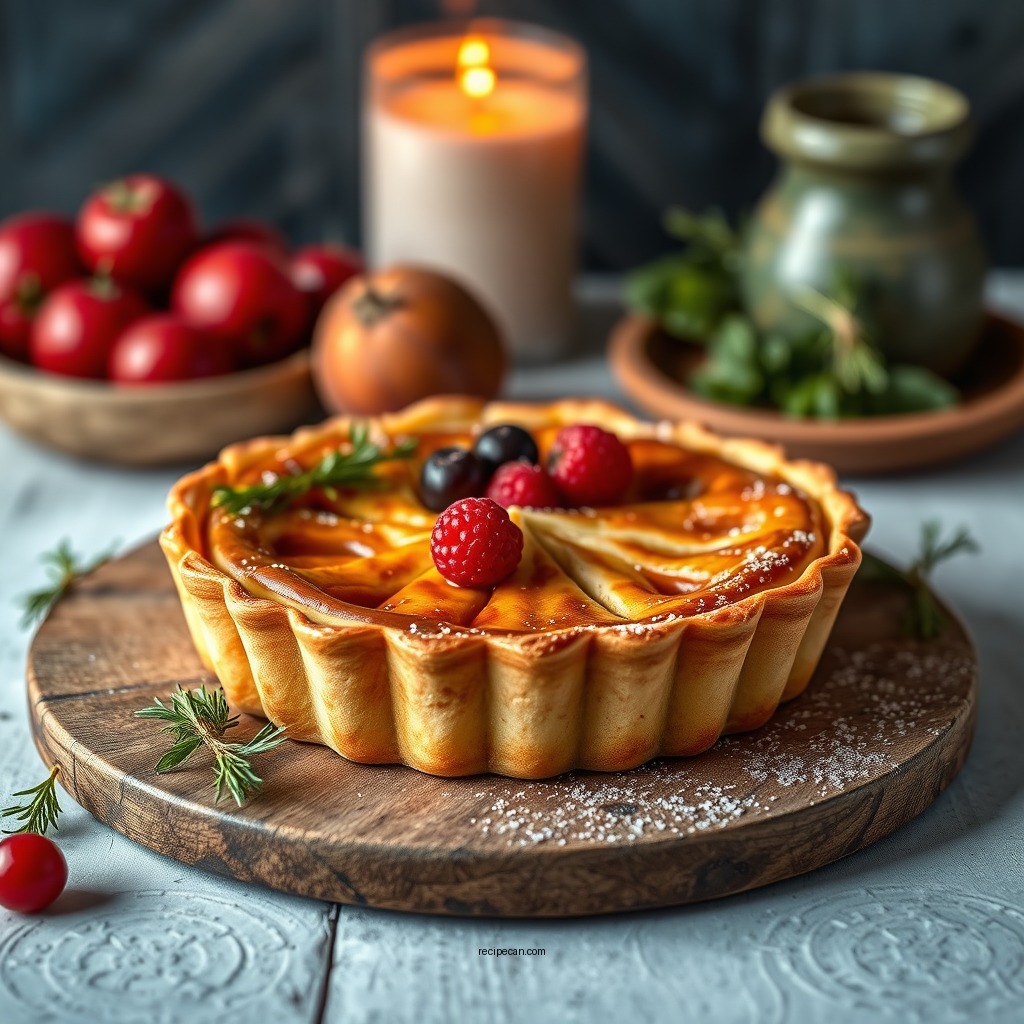
To make a delicious Tarta de Santiago, you’ll need a few simple ingredients and a bit of patience. This traditional Spanish almond cake is not only easy to prepare but also offers a rich, nutty flavor that captures the essence of Spanish cuisine. Originating from the region of Galicia, this cake is often associated with the pilgrimage to Santiago de Compostela and is celebrated for its simplicity and elegance. In this article, you’ll learn the step-by-step process to create this iconic dessert, along with tips for serving and storing it.
Ingredients You’ll Need
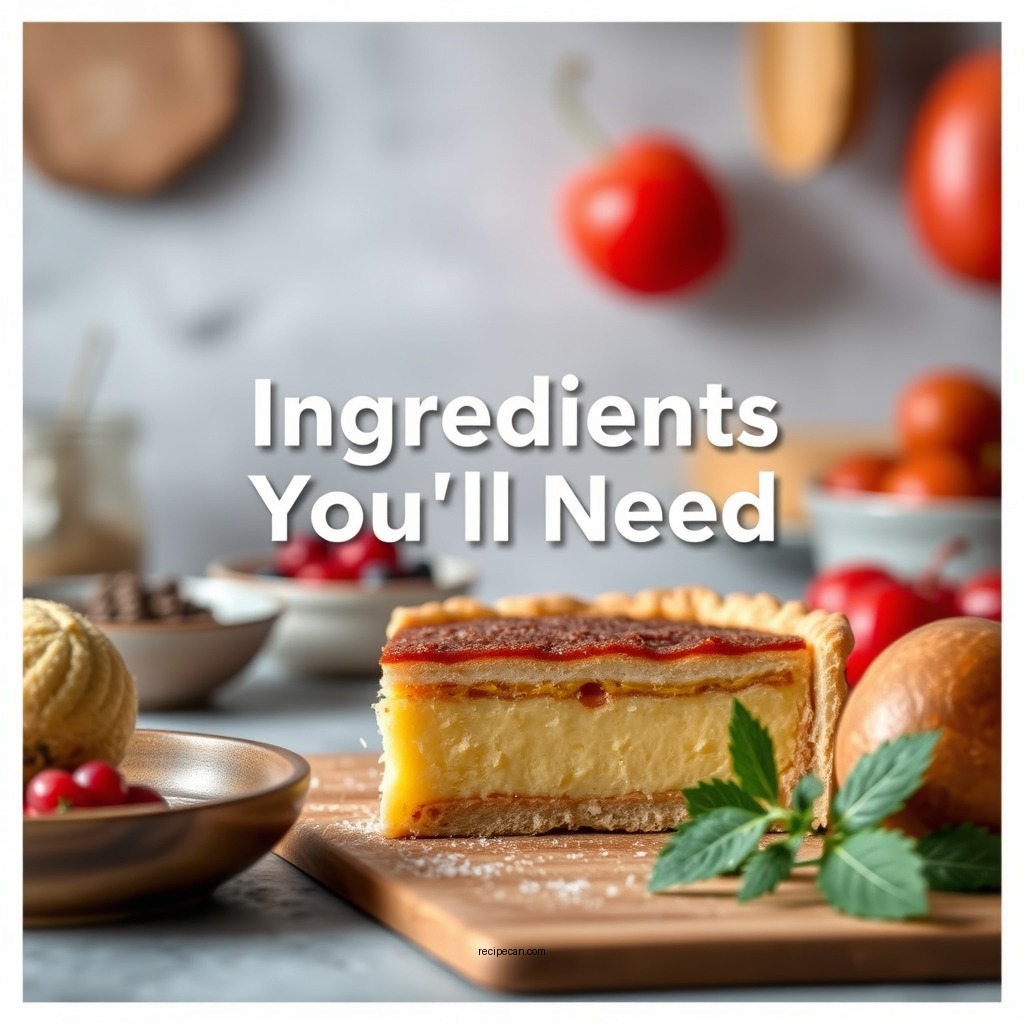
To prepare a Tarta de Santiago, the focus is primarily on high-quality ingredients that enhance the cake’s flavor and texture. Here are the essentials you’ll need:
– Almond Flour: This is the star ingredient, providing a moist, dense texture and a rich, nutty taste. Opt for finely ground almond flour for the best results.
– Eggs: Fresh eggs are crucial for binding the ingredients together and providing structure to the cake. They also contribute to the cake’s rich flavor.
– Sugar: Granulated sugar sweetens the cake. You can adjust the amount according to your taste preference.
– Lemon Zest: The zest adds a refreshing brightness that balances the richness of the almond flour.
– Salt: A pinch of salt enhances the overall flavor profile, bringing out the sweetness of the cake.
These simple ingredients combine to create a dessert that is both satisfying and delightful, perfect for any occasion.
Step-by-Step Preparation
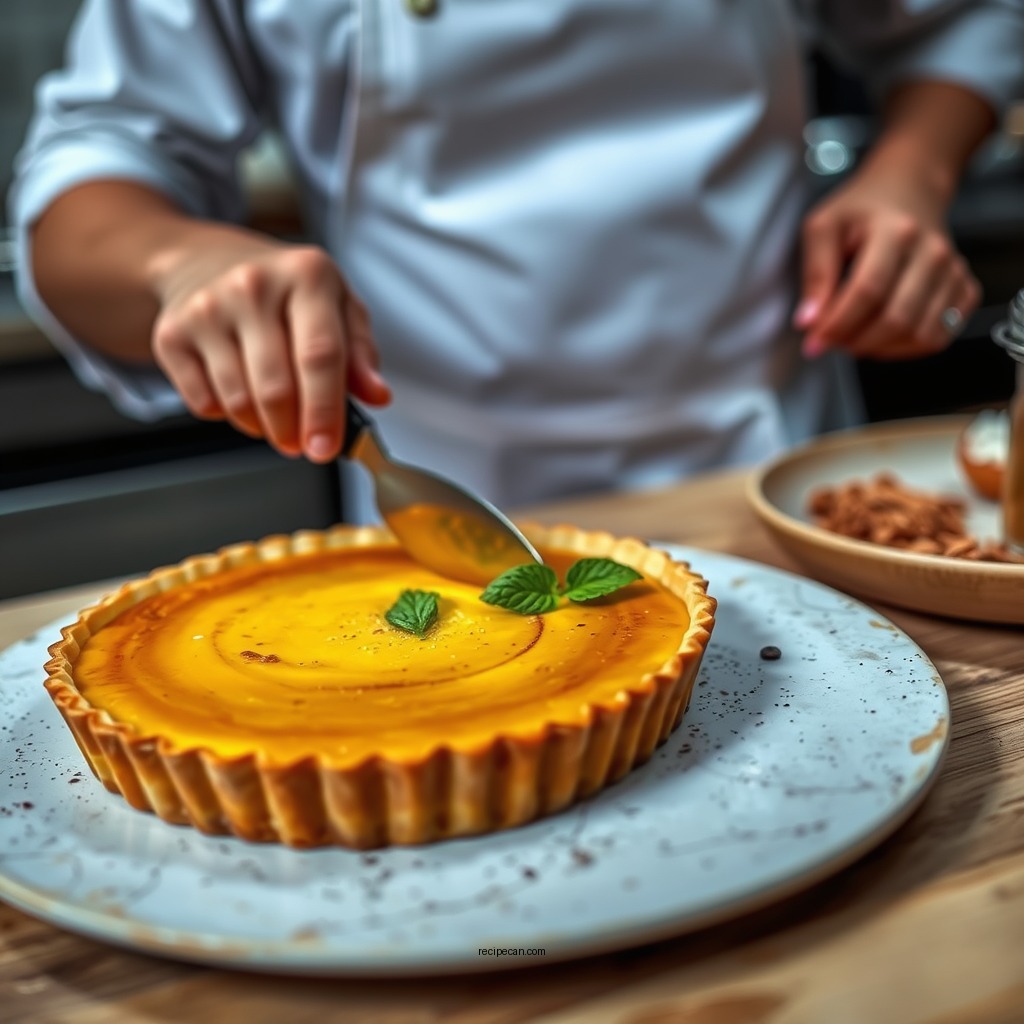
Making Tarta de Santiago is a straightforward process that requires minimal effort. Follow these steps for a successful bake:
1. Preheat the Oven: Start by preheating your oven to 180°C (350°F). This ensures an even baking temperature for the cake.
2. Prepare Your Baking Pan: Grease a round cake pan (approximately 9 inches in diameter) with butter or line it with parchment paper to prevent sticking.
3. Mix Dry Ingredients: In a mixing bowl, combine the almond flour, sugar, and lemon zest. Stir these ingredients together until they are well blended.
4. Incorporate the Eggs: Add the eggs to the mixture one at a time, stirring well after each addition. This helps to achieve a smooth batter. The batter should be thick yet pourable.
5. Combine and Mix: Ensure all ingredients are thoroughly combined, but take care not to overmix, as this can affect the cake’s texture.
Baking Your Tarta de Santiago
Once your batter is ready, it’s time to bake:
1. Pour the Batter: Pour the prepared batter into the greased pan, using a spatula to smooth the top for an even bake.
2. Bake: Place the pan in the preheated oven and bake for approximately 30-35 minutes. The cake should be golden brown, and a toothpick inserted into the center should come out clean when it’s fully baked.
3. Cool: Once baked, remove the cake from the oven and let it cool in the pan for about 10 minutes before transferring it to a wire rack to cool completely.
Top Ingredients for Tarta de Santiago
| # | Ingredient | Quantity | Purpose |
|---|---|---|---|
| 1 | Almond Flour | 200g | Main ingredient, flavor |
| 2 | Eggs | 4 large | Binding agent, moisture |
| 3 | Sugar | 150g | Sweetness |
| 4 | Lemon Zest | 1 tsp | Flavor enhancer |
| 5 | Salt | Pinch | Flavor balance |
Decorating the Tarta
After the cake has cooled, it’s time to add the finishing touches:
1. Dust with Powdered Sugar: Generously dust the top of the cake with powdered sugar. This not only adds sweetness but also enhances the visual appeal.
2. Create the St. James Cross: To achieve the iconic decoration, use a stencil of the St. James Cross, which can be made from paper or cardboard. Place the stencil on top of the cake before dusting with powdered sugar to create a beautiful design.
3. Enhancements: For added presentation, consider garnishing the tarta with slivered almonds or fresh fruit, such as berries or citrus slices, which can provide a vibrant contrast to the white sugar.
Serving Suggestions
Tarta de Santiago is versatile and can be enjoyed in various settings:
– Temperature: Serve the tarta at room temperature for the best flavor experience.
– Pairings: It pairs wonderfully with a dollop of freshly whipped cream or a scoop of vanilla ice cream, adding a creamy element that complements the nutty cake.
– Occasions: This cake is perfect for special occasions, coffee breaks, or as a satisfying dessert at the end of a meal. Its rich flavors make it a favorite among guests.
Storing Leftovers
If you happen to have any leftovers, proper storage is essential to maintain the cake’s quality:
– Airtight Container: Store leftover Tarta de Santiago in an airtight container at room temperature for up to three days. This helps preserve the cake’s moisture and flavor.
– Freezing: For longer storage, consider freezing individual slices. Wrap each slice tightly in plastic wrap and place them in a freezer-safe container. They can be frozen for up to three months. When ready to enjoy, simply thaw at room temperature.
Baking Time Comparison for Almond Cake Variations
The Tarta de Santiago is not only a treat for the taste buds but also a beautiful addition to any dessert table. Its rich almond flavor and simple preparation make it a fantastic choice for both novice and experienced bakers. Don’t hesitate to experiment with variations, and be sure to share your baking success! Enjoy your homemade Tarta de Santiago with family and friends, celebrating the flavors of Spanish cuisine.
Frequently Asked Questions
What are the key ingredients in a traditional Tarta de Santiago?
A traditional Tarta de Santiago requires simple yet essential ingredients, including almond flour, sugar, eggs, lemon zest, and cinnamon. This classic Spanish almond cake is naturally gluten-free, making it a popular choice for various diets. Additionally, a dusting of powdered sugar and the iconic St. James cross is often added for decoration.
How do I make the perfect Tarta de Santiago?
To make the perfect Tarta de Santiago, start by preheating your oven to 175°C (350°F). Mix almond flour, sugar, and lemon zest, then beat in the eggs until smooth. Pour the mixture into a greased cake pan and bake for about 30-35 minutes, or until a toothpick comes out clean. Allow it to cool before dusting with powdered sugar and decorating.
Why is Tarta de Santiago associated with the pilgrimage to Santiago de Compostela?
Tarta de Santiago is closely associated with the pilgrimage to Santiago de Compostela, as it has been a traditional dessert enjoyed by pilgrims for centuries. The cake symbolizes hospitality and is often served in cafés along the pilgrimage route. Its unique flavor and texture reflect the rich culinary heritage of the Galicia region in Spain.
Which flour is best for making Tarta de Santiago?
The best flour for making Tarta de Santiago is finely ground almond flour, as it provides the cake with its characteristic moistness and rich flavor. Almond flour is gluten-free, making it suitable for those with gluten sensitivities. Ensure you use high-quality almond flour for the best results in your Tarta de Santiago.
What are some variations of Tarta de Santiago that I can try?
There are several delicious variations of Tarta de Santiago you can experiment with, such as adding orange zest for a citrus twist or incorporating chocolate chips for extra richness. You might also try using different nuts, like hazelnuts, to create a unique flavor profile. Each variation maintains the essence of the traditional recipe while offering a delightful new experience.
References
- Tarta de Santiago
https://en.wikipedia.org/wiki/Tarta_de_Santiago - https://www.bbc.com/food/recipes/tarta_de_santiago_67352
https://www.bbc.com/food/recipes/tarta_de_santiago_67352 - https://www.sciencedirect.com/topics/food-science/tarta-de-santiago
https://www.sciencedirect.com/topics/food-science/tarta-de-santiago - https://www.britannica.com/topic/Tarta-de-Santiago
https://www.britannica.com/topic/Tarta-de-Santiago - Google Scholar Google Scholar
https://scholar.google.com/scholar?q=tarta+de+santiago+recipe - Google Scholar Google Scholar
https://scholar.google.com/scholar?q=tarta+de+santiago - Google Scholar Google Scholar
https://scholar.google.com/scholar?q=Spanish+almond+cake - https://www.jstor.org/stable/10.5325/jfoodprod.3.1.0001
https://www.jstor.org/stable/10.5325/jfoodprod.3.1.0001 - https://www.ncbi.nlm.nih.gov/pmc/articles/PMC7072484/
https://www.ncbi.nlm.nih.gov/pmc/articles/PMC7072484/ - https://www.reuters.com/article/us-spain-culture-santiago-idUSKBN1Y10K6
https://www.reuters.com/article/us-spain-culture-santiago-idUSKBN1Y10K6