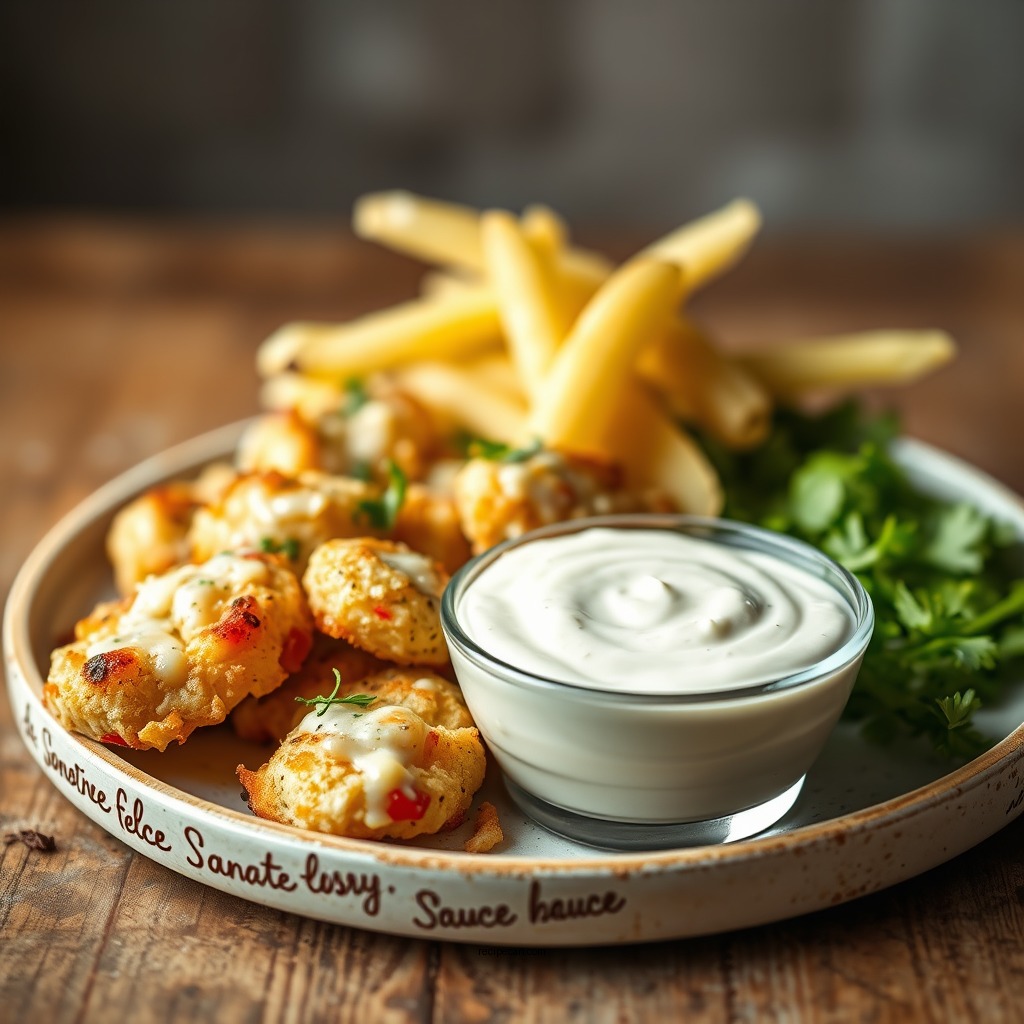
Making homemade tartar sauce is simple and requires just a few ingredients to achieve a fresh and flavorful condiment. This versatile sauce is a must-have for any seafood lover, enhancing the taste of fried fish, crab cakes, and shrimp. In this guide, you’ll learn how to whip up your own tartar sauce that perfectly complements seafood dishes and elevates your meals to a new level of deliciousness.
Essential Ingredients for Tartar Sauce
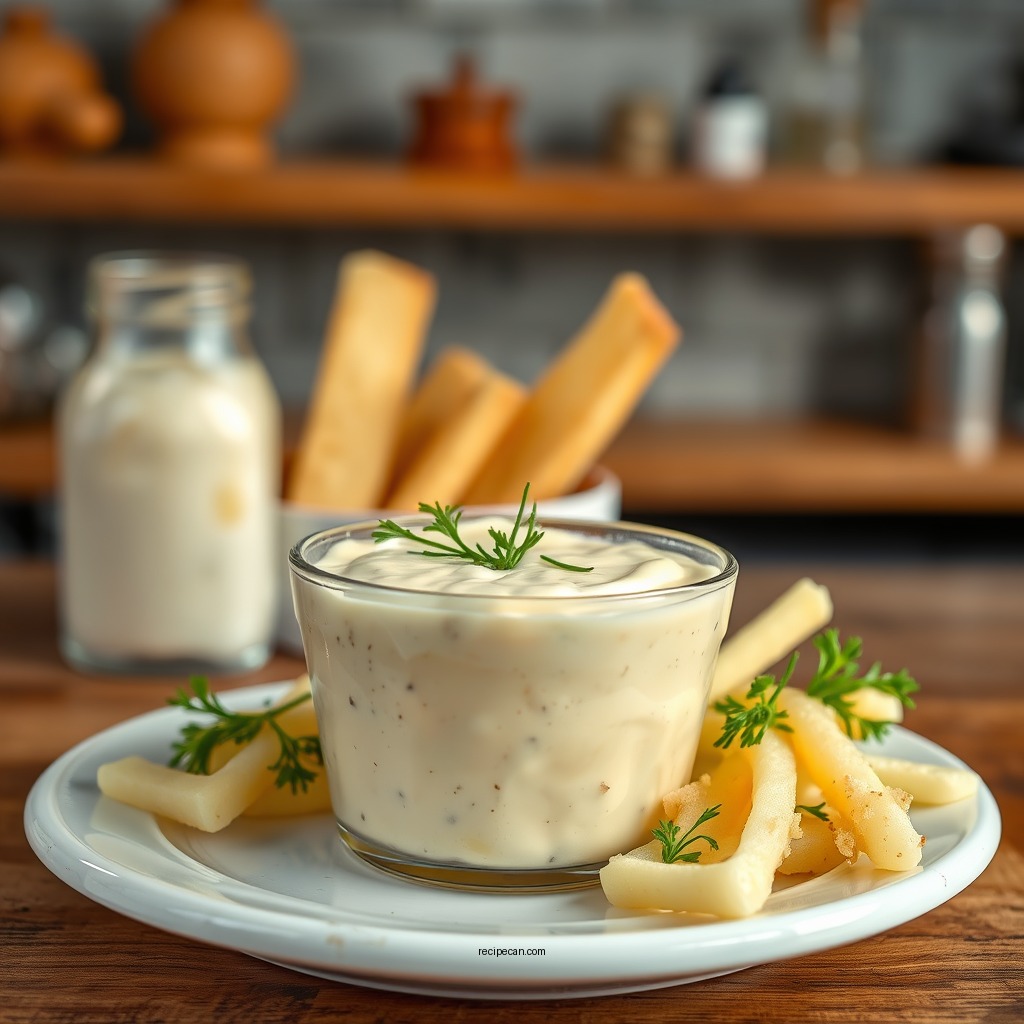
Creating a delectable tartar sauce starts with a few essential ingredients that come together to deliver a creamy and tangy flavor profile.
– Mayonnaise is the base of the sauce, providing creaminess and a rich texture that forms the foundation of the condiment. Opt for high-quality mayonnaise for the best results, as it significantly impacts the overall flavor.
– Fresh lemon juice adds a zesty flavor that brightens the sauce, balancing the creaminess of the mayonnaise. Freshly squeezed lemon juice is preferable to bottled versions, as it delivers a vibrant taste and aroma.
– Capers and dill pickles contribute tanginess and crunch. Capers offer a briny flavor that complements the seafood, while dill pickles provide a pleasant crunch and additional acidity.
These core ingredients come together to form a classic tartar sauce, but there’s always room for customization based on personal preferences.
Step-by-Step Preparation
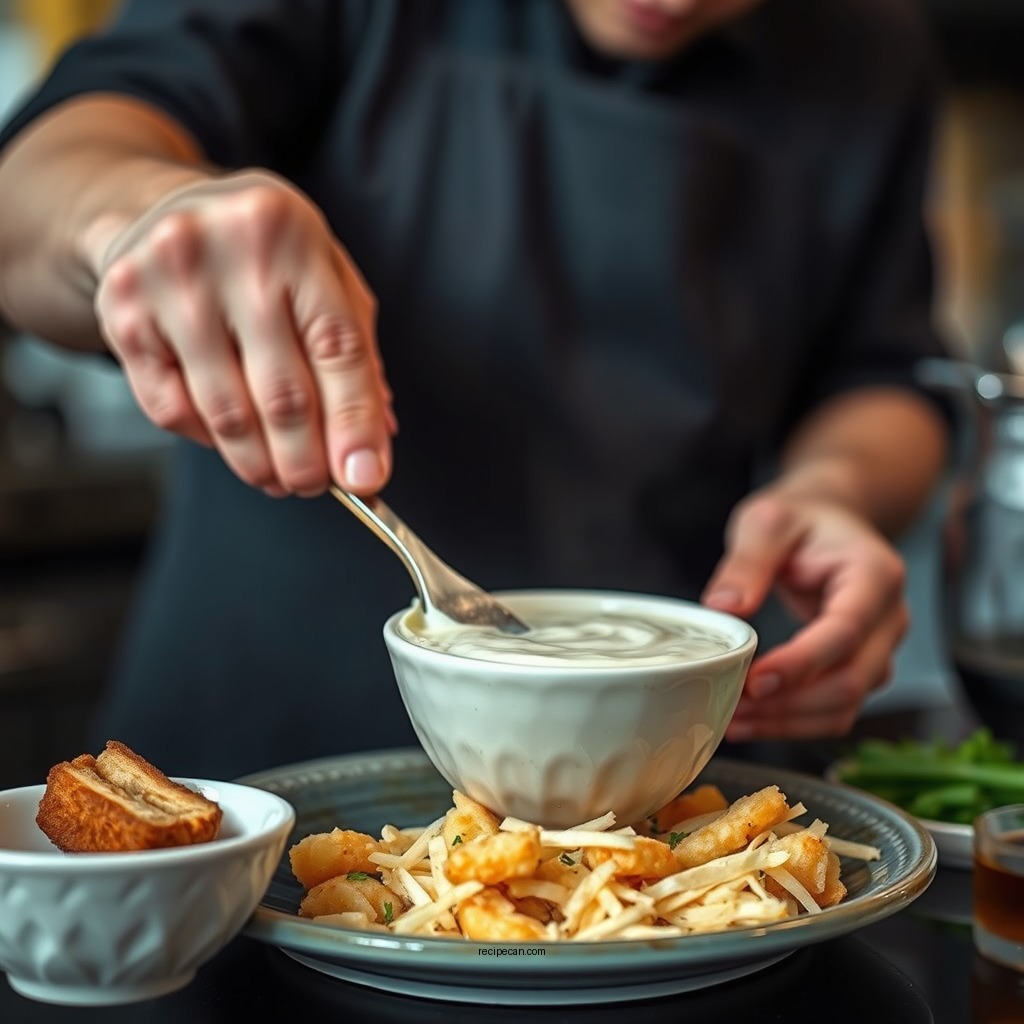
Creating your homemade tartar sauce is an easy, straightforward process that can be completed in just a few minutes. Follow these steps for a perfect batch:
– Start by combining a cup of mayonnaise with ¼ cup of finely chopped dill pickles and 2 tablespoons of capers in a medium-sized mixing bowl. Ensure that the pickles and capers are well-drained to avoid excess moisture.
– Add the juice of one lemon (approximately 1-2 tablespoons) to the mixture. This will enhance the flavor and provide the necessary acidity.
– Stir until fully incorporated. Mix the ingredients until they are evenly distributed, creating a uniform consistency for the sauce.
– Adjust the seasoning with salt and pepper to taste. Start with a pinch of each and add more as necessary, keeping in mind that capers and pickles already bring some saltiness to the sauce.
By following these steps, you’ll create a flavorful tartar sauce that can be enjoyed immediately or stored for later use.
Customization Options
While the classic tartar sauce is already delicious, there are plenty of ways to tailor it to your specific taste preferences:
– Experiment with fresh herbs like parsley or chives for extra freshness. Adding a tablespoon of finely chopped herbs can elevate the flavor profile and add a pop of color.
– Incorporate a dash of hot sauce or Worcestershire sauce for a spicy kick. This will add depth and enhance the umami flavor, making the sauce even more dynamic.
– Use Greek yogurt instead of mayonnaise for a lighter version. This substitution will reduce calories while maintaining a creamy texture, and it also adds a slight tanginess.
Exploring these customization options allows you to create a tartar sauce that’s perfectly suited to your palate.
Storage Tips
Proper storage is essential to maintain the flavor and freshness of your homemade tartar sauce:
– Store your homemade tartar sauce in an airtight container in the refrigerator. This will prevent it from absorbing other odors and flavors from the fridge.
– Consume within one week for the best flavor and freshness. Over time, the flavors may change or diminish, so it’s best to enjoy it while it’s fresh.
– Always give it a good stir before use, as ingredients may separate during storage. This will ensure that the flavors are evenly distributed when you’re ready to serve.
Serving Suggestions
Tartar sauce is incredibly versatile and can enhance a variety of dishes. Here are some serving suggestions to make the most of your homemade condiment:
– Pair it with fried fish, crab cakes, or shrimp. The creaminess of the tartar sauce complements the crispy texture of fried seafood, making it a classic pairing.
– Use as a dip for vegetables or chips for a tasty snack. The tangy flavor can make raw vegetables more appealing, providing a delightful contrast.
– Spread on sandwiches for a flavorful twist. Whether it’s a seafood sandwich or a veggie wrap, tartar sauce adds a creamy, tangy element that enhances the overall taste.
Variations to Try
For those looking to experiment further, here are some variations of tartar sauce that can provide new taste experiences:
– Add a bit of horseradish for a tangy, spicy version. This will give the sauce a nice kick and pair well with heavier seafood dishes.
– Mix in diced onions or shallots for added texture and flavor. The mild sweetness of onions can complement the other ingredients beautifully.
– Try using flavored mayonnaise (like garlic or chipotle) for a unique take. This can add a whole new dimension to your tartar sauce, making it even more exciting.
Your homemade tartar sauce can enhance a variety of dishes, making it a must-have condiment in your kitchen. Follow these easy steps and tips to create a sauce that suits your taste preferences. Enjoy your culinary adventure and impress your family and friends with this quick recipe!
Top 7 Ingredients for Homemade Tartar Sauce
| # | Ingredient | Quantity | Calories (per serving) | Flavor Profile |
|---|---|---|---|---|
| 1 | Mayonnaise | 1 cup | 100 | Creamy |
| 2 | Dill Pickles | ¼ cup | 20 | Tangy |
| 3 | Capers | 2 tbsp | 5 | Briny |
| 4 | Lemon Juice | 2 tbsp | 5 | Zesty |
| 5 | Salt | to taste | 0 | Savory |
| 6 | Black Pepper | to taste | 0 | Spicy |
| 7 | Fresh Herbs | optional | 0 | Fresh |
Homemade Tartar Sauce Preparation Time
In conclusion, making homemade tartar sauce is a straightforward process that allows you to customize a classic condiment to your liking. With just a few key ingredients and simple preparation steps, you can create a delicious sauce that enhances your seafood dishes and adds flavor to various meals. Whether you prefer a traditional recipe or want to experiment with unique variations, this tartar sauce is sure to become a staple in your kitchen. Enjoy your culinary creations with this easy-to-make sauce that promises to impress both family and friends!
Frequently Asked Questions
What ingredients do I need for a homemade tartar sauce recipe?
To make a classic homemade tartar sauce, you will need mayonnaise, chopped pickles or relish, lemon juice, Dijon mustard, and a pinch of salt and pepper. Optional ingredients can include capers, fresh herbs like dill or parsley, and minced onion for added flavor. This simple combination creates a delicious sauce perfect for seafood dishes.
How do I make tartar sauce from scratch?
To make tartar sauce from scratch, combine 1 cup of mayonnaise with 2 tablespoons of finely chopped pickles or relish, 1 tablespoon of lemon juice, and 1 teaspoon of Dijon mustard in a bowl. Mix all the ingredients thoroughly until well-combined, and then season with salt and pepper to taste. Chill in the refrigerator for at least 30 minutes to let the flavors meld before serving.
Why should I make my own tartar sauce instead of buying it?
Making your own tartar sauce allows you to control the ingredients and customize the flavor to your liking, ensuring freshness and quality. Store-bought options often contain preservatives and artificial flavors, while a homemade version can be made with natural ingredients, making it healthier and tastier. Plus, it’s quick and easy to prepare!
What is the best way to store homemade tartar sauce?
The best way to store homemade tartar sauce is in an airtight container in the refrigerator. It can typically last for up to one week if stored properly, allowing you to enjoy it with various dishes. Always give it a quick stir before using, as separation may occur over time.
Which dishes pair well with homemade tartar sauce?
Homemade tartar sauce pairs exceptionally well with fried fish, shrimp, and crab cakes, enhancing their flavors with its creamy texture and tangy taste. It can also be used as a dipping sauce for vegetables or as a spread in sandwiches, making it a versatile condiment for many seafood and appetizer dishes.
References
- Tartar sauce
https://en.wikipedia.org/wiki/Tartar_sauce - https://www.ncbi.nlm.nih.gov/pmc/articles/PMC4884748/
https://www.ncbi.nlm.nih.gov/pmc/articles/PMC4884748/ - https://www.mayoclinic.org/healthy-lifestyle/nutrition-and-healthy-eating/expert-answers/what-is-tartar-sauce/faq-20058035
https://www.mayoclinic.org/healthy-lifestyle/nutrition-and-healthy-eating/expert-answers/what-is-tartar-sauce/faq-20058035 - https://www.cdc.gov/foodsafety/food-safety-education-month.html
https://www.cdc.gov/foodsafety/food-safety-education-month.html - https://www.sciencedirect.com/topics/food-science/tartar-sauce
https://www.sciencedirect.com/topics/food-science/tartar-sauce - https://www.verywellfit.com/homemade-tartar-sauce-recipe-5116398
https://www.verywellfit.com/homemade-tartar-sauce-recipe-5116398 - Google Scholar Google Scholar
https://scholar.google.com/scholar?q=recipe+for+tartar+sauce+homemade - Google Scholar Google Scholar
https://scholar.google.com/scholar?q=tartar+sauce+nutrition+information - Google Scholar Google Scholar
https://scholar.google.com/scholar?q=homemade+sauces+culinary+science - https://en.wikipedia.org/wiki/Special:Search?search=recipe+for+tartar+sauce+homemade
https://en.wikipedia.org/wiki/Special:Search?search=recipe+for+tartar+sauce+homemade