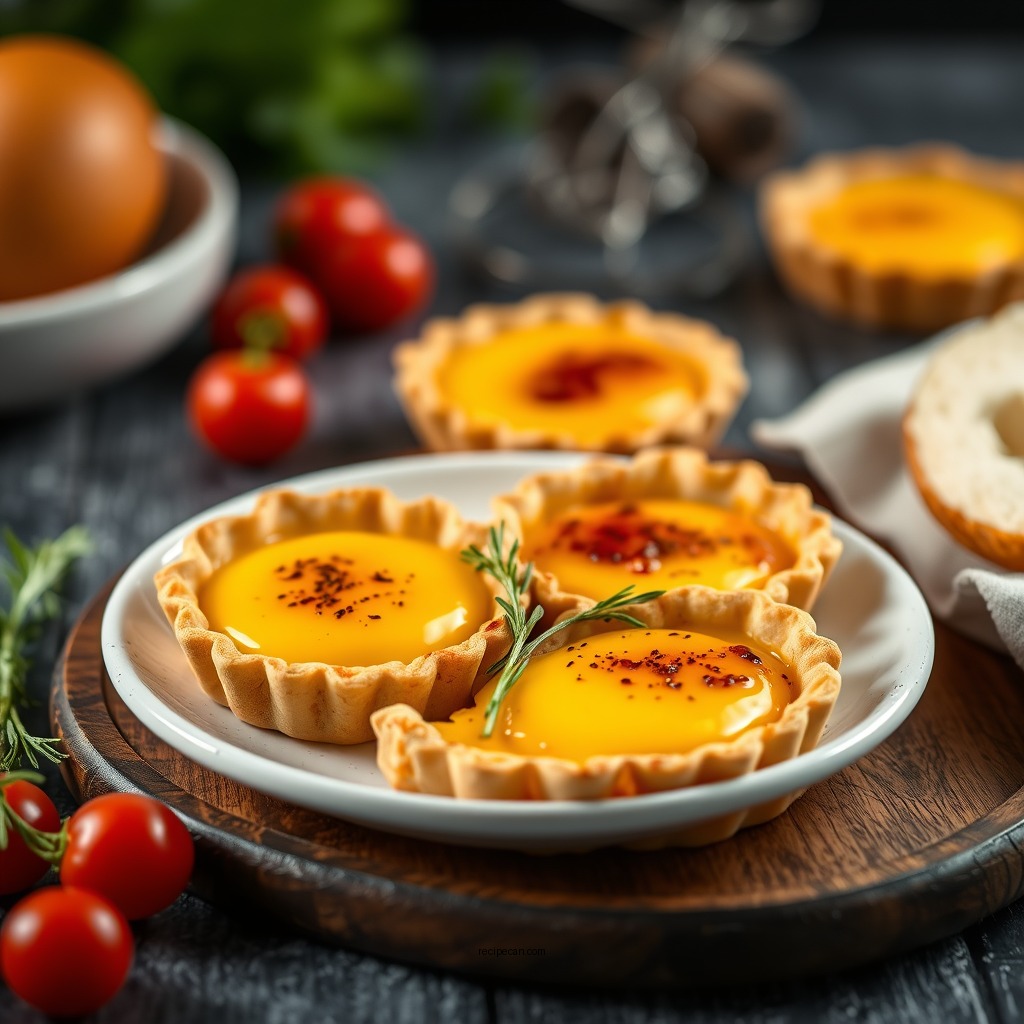
Making authentic Portuguese egg tarts, or “pastéis de nata,” is easier than you might think. In this article, you’ll learn a straightforward recipe to create these delicious, creamy pastries that are a staple of Portuguese cuisine. Get ready to impress your friends and family with your baking skills!
Ingredients You’ll Need
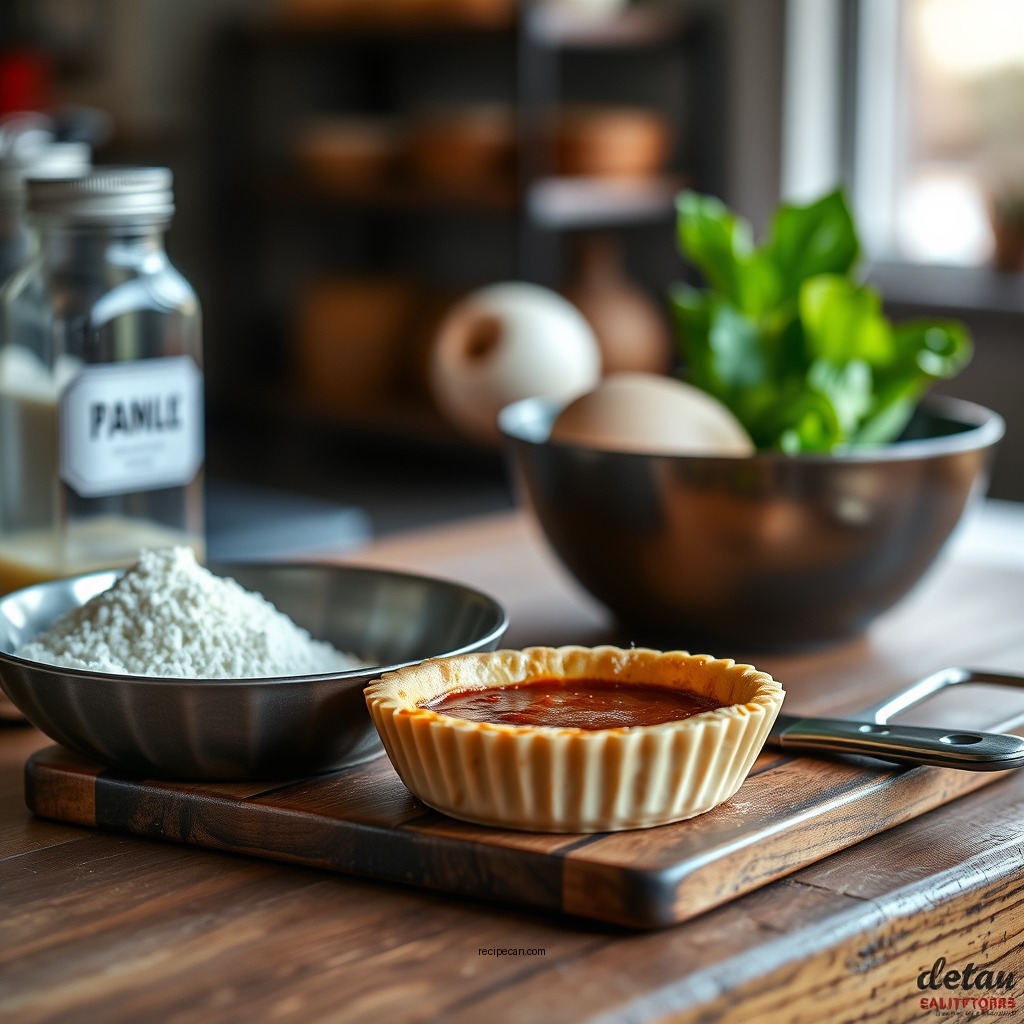
To create the perfect Portuguese egg tarts, you’ll need a few essential ingredients. Here’s what you need to gather:
– Pastry: You can either make your own or buy ready-made puff pastry. If you decide to make it from scratch, you will require flour, butter, salt, and water for the dough.
– Eggs: Use fresh, large eggs. You’ll need about six egg yolks to achieve that rich custard filling.
– Sugar: Granulated sugar is preferable for sweetness and to achieve caramelization.
– Milk: Whole milk gives the custard a creamy texture, but you may also use half-and-half for an even richer taste.
– Vanilla Extract: A teaspoon adds depth to the custard flavor.
– Cinnamon: For an authentic touch, a pinch of cinnamon can be sprinkled into the custard.
Tips for Sourcing Quality Ingredients
When sourcing your ingredients, prioritize freshness. Local farmers’ markets are excellent for finding high-quality eggs and dairy. For the best flavor, opt for organic or free-range eggs. If making your own pastry, choose high-fat butter, as it will significantly improve the taste and texture of your tarts.
Preparing the Pastry
Step-by-Step Instructions
1. Making the Pastry: If you’re making your own, combine 2 cups of flour and a pinch of salt in a bowl. Cut in 1 cup of chilled butter until the mixture resembles coarse crumbs. Gradually stir in ice water until the dough holds together.
2. Chilling the Dough: Wrap the dough in plastic wrap and refrigerate for at least 30 minutes. This step is crucial as it allows the gluten in the flour to relax, resulting in a flakier pastry.
Importance of Chilling the Dough
Chilling the dough not only enhances the texture of the pastry but also makes it easier to roll out. A well-chilled dough will puff up beautifully in the oven, creating those signature flaky layers that define a great pastel de nata.
Making the Custard Filling
Directions for Mixing
1. In a saucepan, combine 1 cup of whole milk and 1/4 cup of sugar over medium heat. Stir until the sugar dissolves.
2. In a separate bowl, whisk together six egg yolks, a teaspoon of vanilla extract, and a pinch of cinnamon. Gradually add the warm milk mixture to the egg yolks, whisking continuously to prevent curdling.
3. Return the mixture to the saucepan and cook over low heat, stirring constantly until it thickens slightly—about 5-7 minutes.
Tips for Achieving the Right Consistency
The custard should coat the back of a spoon when ready. If it’s too thin, continue cooking gently. Be cautious not to bring it to a boil, as this can cause the eggs to scramble, ruining the smooth texture.
Ingredients Comparison for Egg Tarts
| # | Ingredient | Quantity | Type |
|---|---|---|---|
| 1 | Puff Pastry | 2 cups | Homemade/Store-bought |
| 2 | Egg Yolks | 6 | Fresh |
| 3 | Granulated Sugar | 1/4 cup | Regular |
| 4 | Whole Milk | 1 cup | Fresh |
| 5 | Vanilla Extract | 1 tsp | Pure |
| 6 | Cinnamon | Pinch | Ground |
Assembling the Tarts
Instructions for Filling the Pastry Cups
1. Preheat your oven to 475°F (245°C).
2. Roll out the chilled puff pastry on a lightly floured surface to about 1/8-inch thickness. Cut out circles to fit your muffin tin, pressing them into the cavities.
3. Fill each pastry cup with the custard mixture, leaving a small space at the top to prevent overflow.
Best Practices for Avoiding Overflow
To avoid spilling during baking, ensure that the custard is not filled to the brim. A good rule of thumb is to fill each cup about three-quarters full. This will allow the custard to expand without spilling over the edges.
Baking Your Egg Tarts
Optimal Temperature and Baking Time
Bake the tarts in the preheated oven for about 15-20 minutes, or until the pastry is golden brown and the custard has set. Keep a close eye on them to prevent burning.
How to Achieve That Signature Caramelized Top
To achieve the characteristic caramelized top, you may use a kitchen torch to gently brûlée the surface of the custard after baking. If you don’t have a torch, you can turn on the broiler for the last minute of baking, watching carefully to avoid burning.
Baking Time and Temperature for Egg Tarts
Serving Suggestions
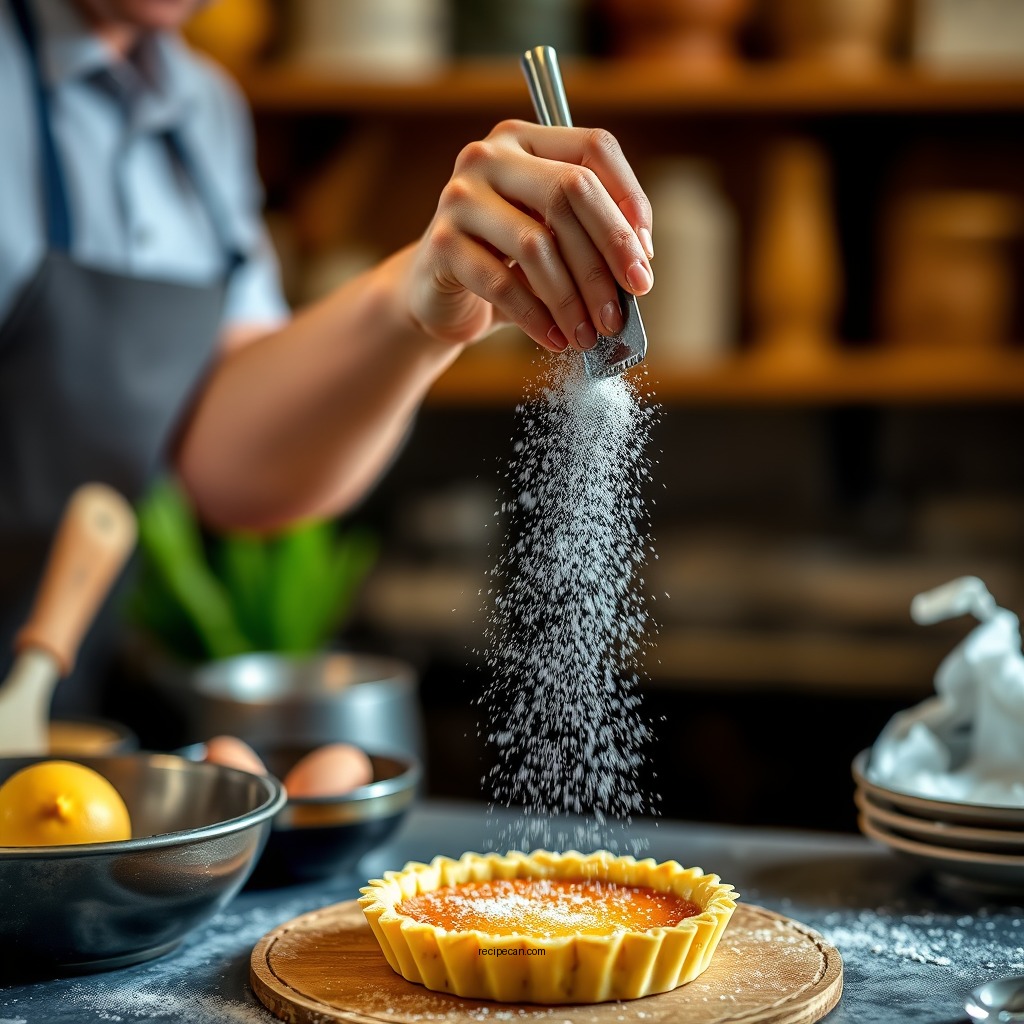
To enhance the presentation of your pastel de nata, consider dusting them lightly with powdered sugar or a sprinkle of cinnamon before serving. Fresh berries or mint leaves can also add a pop of color.
Pairing Suggestions
These delightful pastries pair wonderfully with a cup of Portuguese coffee or a robust black tea. The combination of the creamy custard and the rich beverage creates a harmonious flavor experience that is sure to please.
Storage Tips
Proper Storage Method
If you have leftovers, store the tarts in an airtight container at room temperature for up to two days. For longer storage, refrigerate them, but be aware that this may soften the pastry.
Reheating Methods
To restore the crispiness of the pastry, reheat the tarts in a preheated oven at 350°F (175°C) for about 10 minutes. This will help rejuvenate the flaky texture, ensuring that each bite remains delicious.
Your homemade Portuguese egg tarts can be a delightful treat for any occasion or a sweet indulgence for yourself. By following this recipe, you’ll not only learn how to make these delightful pastries but also impress everyone with your culinary skills. Try it out and share your results!
Frequently Asked Questions
What ingredients do I need for a traditional Portuguese egg tart recipe?
To make traditional Portuguese egg tarts, also known as Pastéis de Nata, you will need the following ingredients: puff pastry, sugar, milk, heavy cream, egg yolks, vanilla extract, and a pinch of cinnamon. These simple yet flavorful components come together to create the creamy custard filling and flaky crust that are characteristic of this beloved dessert.
How do I achieve a perfectly flaky crust for my Portuguese egg tarts?
Achieving a perfectly flaky crust for your Portuguese egg tarts starts with using high-quality puff pastry. Make sure to roll the pastry thinly and layer it well, allowing for proper steam to create those signature flaky layers. Additionally, chilling the pastry before baking helps maintain its structure and ensures a crisp texture.
Why do my egg tarts have a watery filling?
If your Portuguese egg tarts have a watery filling, it may be due to overcooking the custard or not allowing it to cool properly before baking. To prevent this issue, make sure to cook the filling just until it’s thickened and strain it to remove any lumps. Additionally, ensure that the tarts are baked at a high temperature for a short period to set the filling without excess moisture.
What is the best way to serve Portuguese egg tarts?
The best way to serve Portuguese egg tarts is fresh out of the oven, preferably while still warm. To enhance the flavor, you can dust them with powdered sugar or sprinkle a little cinnamon on top. Pairing them with a cup of coffee or tea also elevates the tasting experience, making it a delightful treat any time of day.
Which common mistakes should I avoid when making Portuguese egg tarts?
Common mistakes to avoid when making Portuguese egg tarts include using low-quality or improperly thawed puff pastry, overbaking the tarts, and neglecting to strain the custard mixture. Additionally, not preheating your oven to the right temperature can lead to uneven baking, so ensure your oven is at a high heat to achieve that perfect caramelized top and creamy filling.
References
- Pastel de nata
https://en.wikipedia.org/wiki/Past%C3%A9is_de_nata - https://www.bbc.com/food/recipes/pasteis_de_nata_31177
https://www.bbc.com/food/recipes/pasteis_de_nata_31177 - https://www.sciencedirect.com/topics/food-science/pasteis-de-nata
https://www.sciencedirect.com/topics/food-science/pasteis-de-nata - https://www.jstor.org/stable/10.5325/jctsestudieduc.4.2.0207
https://www.jstor.org/stable/10.5325/jctsestudieduc.4.2.0207 - https://www.nytimes.com/2018/09/26/dining/pasteis-de-nata-recipe.html
https://www.nytimes.com/2018/09/26/dining/pasteis-de-nata-recipe.html - https://www.theguardian.com/food/2020/mar/31/how-to-make-pasteis-de-nata-portuguese-egg-tarts
https://www.theguardian.com/food/2020/mar/31/how-to-make-pasteis-de-nata-portuguese-egg-tarts - https://www.britannica.com/topic/pasteis-de-nata
https://www.britannica.com/topic/pasteis-de-nata - Google Scholar Google Scholar
https://scholar.google.com/scholar?q=recipe+egg+tart+portuguese - Google Scholar Google Scholar
https://scholar.google.com/scholar?q=pasteis+de+nata+recipe - Google Scholar Google Scholar
https://scholar.google.com/scholar?q=history+of+portuguese+egg+tarts