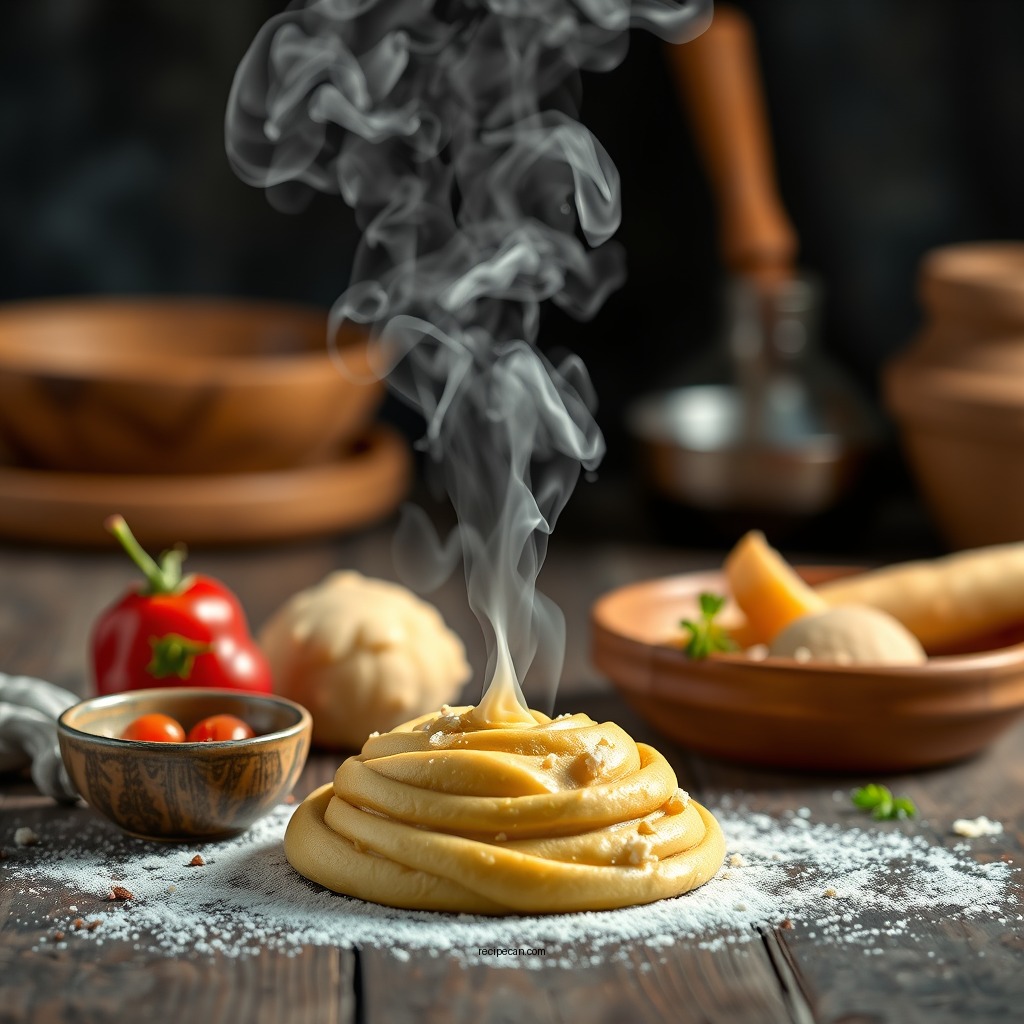
Making playdough without cream of tartar is simple and effective, allowing you to create a soft and moldable dough with just a few ingredients you likely have at home. This easy playdough recipe is ideal for parents, teachers, and anyone interested in a fun, hands-on activity for kids. In this article, you’ll learn how to make this easy playdough recipe, along with tips for customization and storage, ensuring that your playdough remains fresh and enjoyable for your little ones.
Ingredients Needed for No-Cream of Tartar Playdough
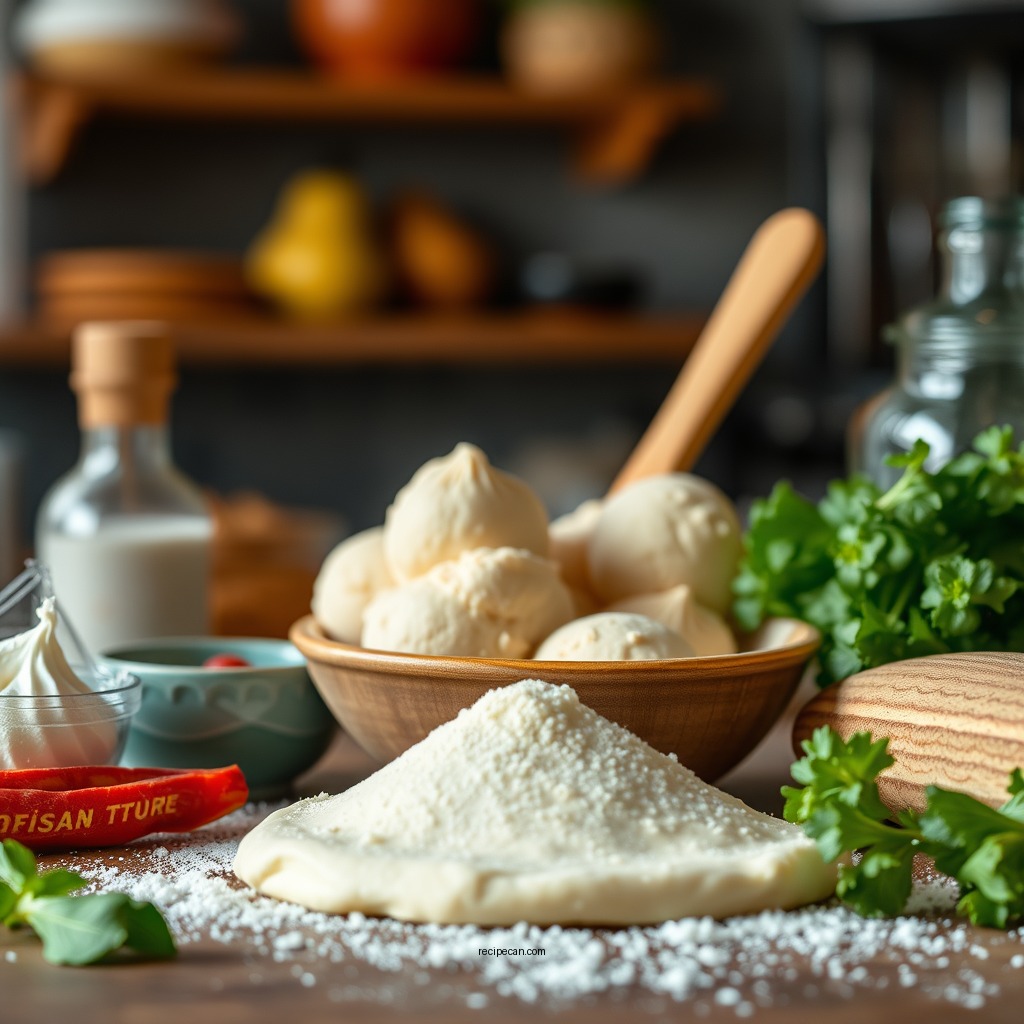
Creating playdough without cream of tartar is straightforward. Here are the essential ingredients you’ll need:
– All-purpose flour: This is the primary base for your dough, providing structure and a soft texture.
– Salt: Not only does salt act as a preservative, helping to extend the shelf life of your playdough, but it also adds a subtle flavor to the dough.
– Water: The main liquid that binds the ingredients together, allowing for a smooth blend of all components.
– Oil: Adding a small amount of oil enhances the texture of the playdough, making it softer and easier to mold.
These ingredients are common household items, making it easy to whip up a batch of playdough whenever creativity strikes.
Step-by-Step Instructions

Follow these simple steps to create your own playdough:
– Combine dry ingredients: In a mixing bowl, thoroughly mix 2 cups of all-purpose flour and 1 cup of salt. This ensures that the salt is evenly distributed throughout the dough.
– Add wet ingredients: Gradually stir in 2 cups of water and 2 tablespoons of vegetable oil. It’s advisable to add the water slowly to prevent clumping. Mix until a dough begins to form.
– Knead the dough: Once the mixture has come together, transfer the dough onto a clean, flat surface. Knead the dough for about 5-10 minutes until it becomes smooth and pliable. This process helps to develop the gluten in the flour, providing a better texture.
By following these steps, you will have a soft and moldable playdough ready for imaginative play!
Tips for Customizing Your Playdough
Customization can enhance the play experience, making your homemade playdough even more exciting:
– Add food coloring: You can incorporate food coloring into the water before adding it to the dry ingredients. This allows for vibrant hues throughout the dough. Experiment with mixing colors to create unique shades.
– Scent your dough: For an engaging sensory experience, consider adding a few drops of essential oils or flavor extracts, such as vanilla or peppermint. This adds an aromatic element to your playdough, making it even more enjoyable.
– Experiment with textures: To make your playdough more interesting, you can incorporate materials like sand, glitter, or even small beads. These additions can stimulate different tactile experiences and inspire creative play scenarios.
Storing Your Playdough
Proper storage of your playdough is essential to prolong its freshness. Here are some effective tips:
– Use airtight containers: After playtime, store your playdough in a sealed plastic bag or an airtight container. This prevents it from drying out and keeps it soft for future use.
– Refrigeration tips: For a longer shelf life, consider storing your playdough in the refrigerator. Chilling can help maintain its consistency and freshness for a few weeks.
– Check for signs of spoilage: Before using your playdough, examine it for any changes in texture or smell. If it appears dry, crumbly, or emits an unpleasant odor, it’s time to make a fresh batch.
Fun Ways to Use Your Playdough
Playdough is not just a crafting material; it can be a versatile educational tool as well:
– Encourage creativity: Provide various tools such as cookie cutters, rolling pins, and molds to inspire imaginative play. Children can create their own shapes, figures, and scenes.
– Educational activities: Playdough can be an effective medium for teaching essential skills. Use it to help children learn about shapes, colors, and fine motor skills as they manipulate the dough.
– Themed play sessions: Organize seasonal or holiday-themed playdough activities to keep things exciting. For example, create spooky shapes for Halloween or festive ornaments for Christmas.
Troubleshooting Common Issues
While making playdough is generally straightforward, you may encounter a few common issues:
– Dough too sticky: If your dough is too sticky, gradually add more flour while kneading until you reach the desired consistency.
– Dough too dry: Conversely, if your dough is too dry, you can mix in a few drops of water or oil to soften it up. Be cautious to avoid adding too much at once.
– Color fading: To maintain vibrant colors, store your playdough in a dark place when not in use. Exposure to light can cause colors to fade over time.
Creating playdough without cream of tartar is not only easy but also a fun activity for both kids and adults. This homemade dough can provide hours of entertainment and creativity, making it a wonderful addition to your crafting materials. Now that you know how to make it, gather your ingredients and start your playdough-making adventure!
Common Playdough Ingredients by Weight (grams)
| # | Ingredient | Weight (grams) | Usage Purpose |
|---|---|---|---|
| 1 | All-purpose flour | 240 | Base structure |
| 2 | Salt | 100 | Preservative |
| 3 | Water | 480 | Bind ingredients |
| 4 | Vegetable oil | 30 | Enhance texture |
| 5 | Food coloring (optional) | N/A | Color enhancement |
| 6 | Essential oils (optional) | N/A | Aromatic enhancement |
Playdough Color Options and Popularity
In conclusion, making playdough without cream of tartar is a straightforward process that can lead to creative and educational playtime for children. By following the simple recipe and tips outlined above, you can produce a versatile crafting material that can be customized to suit various interests and learning objectives. Whether you’re using it for imaginative games or educational activities, homemade playdough is sure to be a hit. Gather your ingredients and enjoy the creative possibilities that await!
Frequently Asked Questions
What is a simple playdough recipe that doesn’t use cream of tartar?
A simple playdough recipe without cream of tartar includes flour, salt, water, and vegetable oil. To make it, mix 2 cups of flour, 1 cup of salt, 2 tablespoons of vegetable oil, and gradually add 2 cups of water until a smooth dough forms. This recipe is easy to make and perfect for kids who want to create their own colorful playdough.
How do you make playdough soft and pliable without cream of tartar?
To ensure your playdough is soft and pliable without using cream of tartar, focus on the ratio of ingredients. Using enough oil and water can enhance the texture significantly. Additionally, knead the dough thoroughly after cooking to achieve the desired softness, and store it in an airtight container to maintain its consistency.
Why is cream of tartar typically used in playdough recipes, and what can I substitute it with?
Cream of tartar is often included in playdough recipes to act as a stabilizer and to improve the dough’s texture. If you want to avoid using it, vinegar or lemon juice can serve as effective substitutes, helping to maintain the dough’s elasticity and making it easier to mold and shape.
What are the best ways to store homemade playdough without cream of tartar?
To store homemade playdough without cream of tartar, keep it in an airtight container or a resealable plastic bag to prevent it from drying out. It’s best to store it at room temperature, and if you notice any signs of drying or hardening, you can add a few drops of water and knead it back to life.
Which homemade playdough recipe is the easiest for beginners without cream of tartar?
The easiest homemade playdough recipe for beginners without cream of tartar involves just four basic ingredients: flour, salt, water, and oil. Combine 2 cups of flour with 1 cup of salt, then mix in 2 tablespoons of oil and gradually add 2 cups of water while stirring until the dough forms. This straightforward method is perfect for anyone new to making playdough.
References
- How to Make Play Dough: 12 Steps (with Pictures) – wikiHow
https://www.wikihow.com/Make-Play-Dough - https://www.sciencedirect.com/topics/psychology/play-dough
https://www.sciencedirect.com/topics/psychology/play-dough - https://www.britannica.com/topic/play-dough
https://www.britannica.com/topic/play-dough - https://www.parents.com/fun/arts-crafts/kid/play-dough-recipe/
https://www.parents.com/fun/arts-crafts/kid/play-dough-recipe/ - https://www.ncbi.nlm.nih.gov/pmc/articles/PMC5572620/
https://www.ncbi.nlm.nih.gov/pmc/articles/PMC5572620/ - https://www.nichd.nih.gov/health/topics/learning/conditioninfo/treatment/activities
https://www.nichd.nih.gov/health/topics/learning/conditioninfo/treatment/activities - https://www.cdc.gov/ncbddd/actearly/milestones/index.html
https://www.cdc.gov/ncbddd/actearly/milestones/index.html - Google Scholar Google Scholar
https://scholar.google.com/scholar?q=playdough+recipe+no+cream+of+tartar - https://scholar.google.com/scholar?q=playdough+educational+benefits Google Scholar
https://scholar.google.com/scholar?q=playdough+educational+benefits - Google Scholar Google Scholar
https://scholar.google.com/scholar?q=playdough+children+development+activities