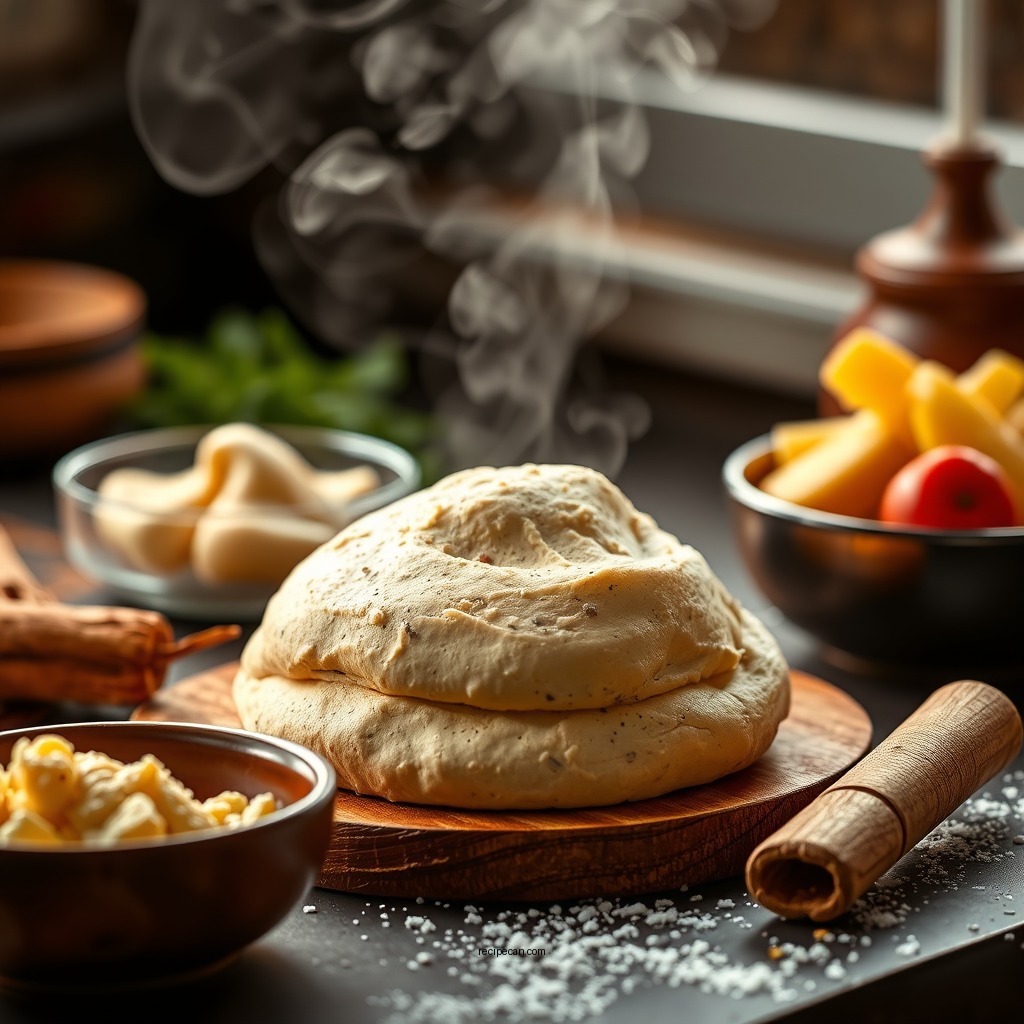
Making playdough without cream of tartar is simple and quick! In this article, you’ll learn how to create a soft and pliable playdough using common kitchen ingredients. This easy recipe is perfect for kids and provides endless hours of fun without the need for special ingredients. Whether you’re looking for a fun indoor activity, a creative outlet for your children, or a way to enhance sensory play, this homemade playdough is a great solution that can be customized to suit any occasion.
Ingredients You’ll Need
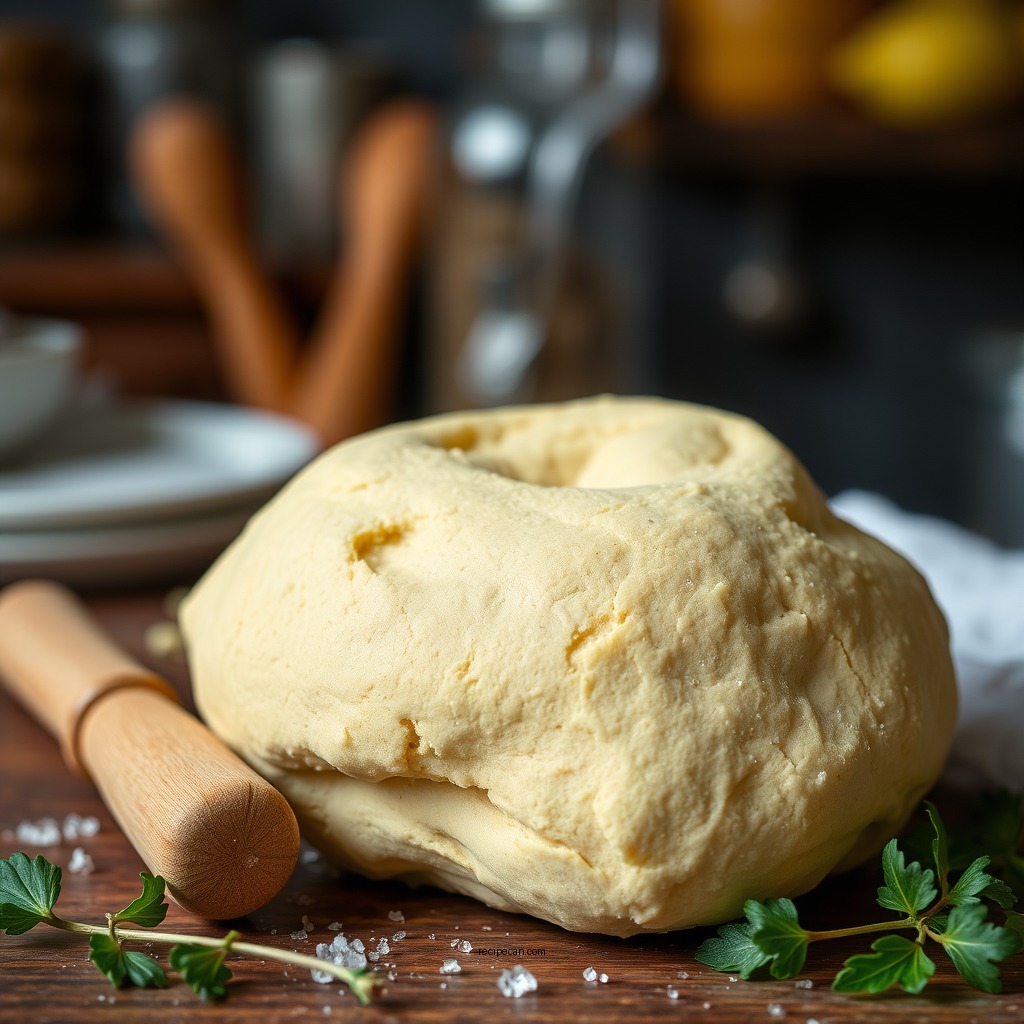
Creating your own playdough requires just a few common ingredients that you likely already have in your kitchen. Here’s what you’ll need:
– All-purpose flour: This is the main ingredient that provides the dough its structure and pliability. You can use regular flour or even whole wheat flour for a different texture.
– Salt: Not only does salt help to preserve the playdough, but it also adds texture to the final product, making it a bit grainy and interesting for tactile exploration.
– Water: The essential binding agent that combines the dry ingredients into a cohesive dough. The temperature of the water can affect how quickly the dough comes together.
– Food coloring (optional): If you want vibrant playdough, food coloring is a perfect addition. You can choose liquid dye, gel, or even natural colorants like beet juice or turmeric for a healthier option.
Step-by-Step Instructions
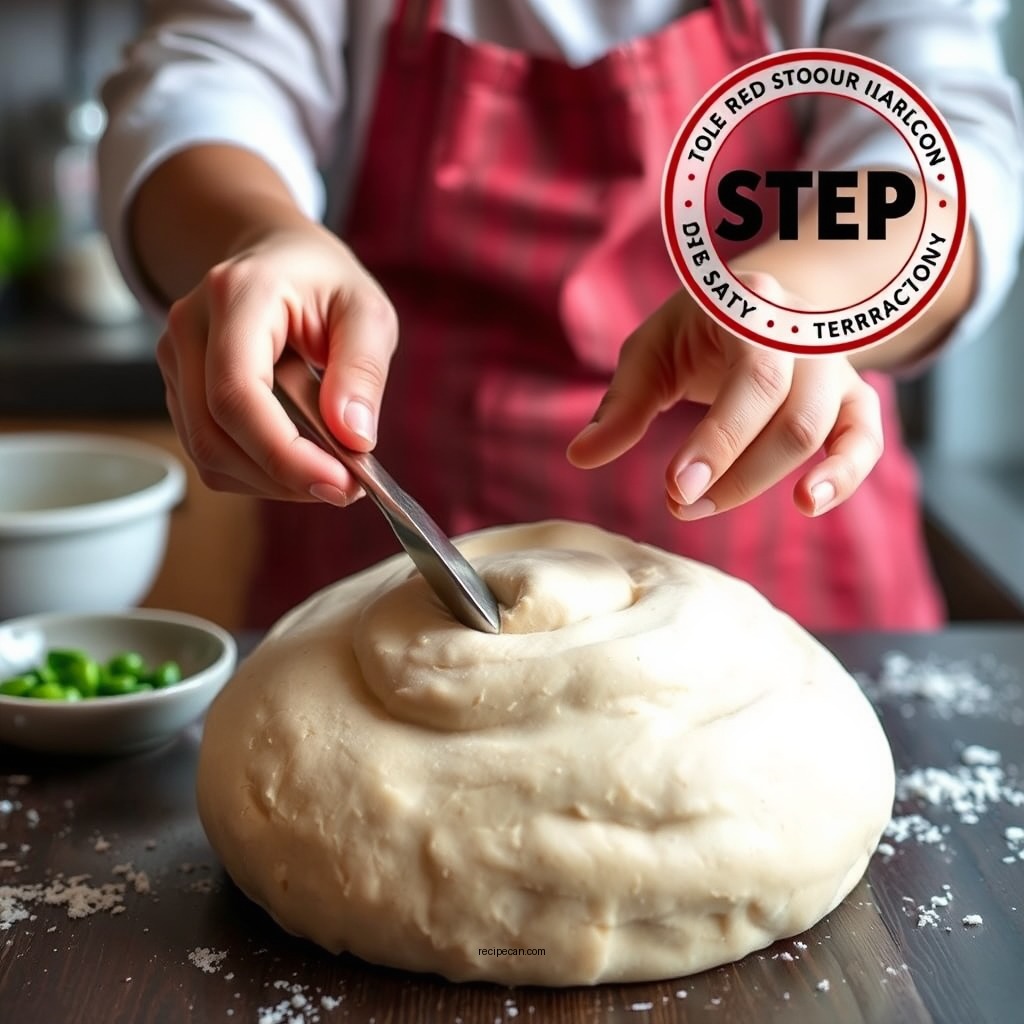
Making playdough is straightforward. Here’s how you can do it in just a few simple steps:
1. Mix dry ingredients: Start by combining 2 cups of all-purpose flour and 1 cup of salt in a large mixing bowl. Stir well to ensure the salt is evenly distributed throughout the flour.
2. Add wet ingredients: Gradually pour in 2 cups of water while stirring continuously. If you’re using food coloring, add it to the water before mixing to ensure an even color. Keep stirring until you achieve a thick, dough-like consistency.
3. Knead the dough: Transfer the mixture onto a clean, floured surface. Use your hands to knead the dough for about 5-10 minutes until it becomes smooth and pliable. If it feels too sticky, add a little more flour; if it’s too dry, incorporate a few drops of water.
Tips for Perfect Playdough
To enhance your playdough-making experience and ensure your dough lasts longer, consider these helpful tips:
– Store it properly: Once you’ve finished playing, store the playdough in an airtight container or a ziplock bag to prevent it from drying out. Proper storage can keep your playdough fresh for several weeks.
– Adjust consistency: Playdough can be finicky, so don’t hesitate to adjust the consistency. If it’s too sticky, gradually add more flour. Conversely, if it feels too dry and crumbly, add water in small increments until you achieve the desired texture.
– Use natural colorants: For a healthier alternative to commercial food coloring, experiment with natural ingredients. For example, beet juice can create a lovely pink hue, while turmeric can give you a bright yellow playdough.
Fun Variations to Try
Once you’ve mastered the basic recipe, consider these creative variations to keep the playdough experience exciting:
– Scented playdough: Add a few drops of essential oils, such as lavender or citrus, to give your playdough a delightful aroma. This addition can enhance sensory play and make the activity even more enjoyable.
– Glitter playdough: For a sparkly twist, mix in some glitter during the kneading process. Kids will love the added shimmer, making their creations even more magical.
– Edible playdough: If you want to create a safe, munchable treat, try a recipe using peanut butter and powdered sugar. This version is not only fun to play with but also safe to eat!
Safety Considerations
When it comes to playdough, safety is paramount, especially for younger children:
– Supervision required: Always supervise young children while they are playing with playdough, particularly if they are tempted to taste it. Keep an eye out to ensure they don’t ingest any non-edible ingredients.
– Non-toxic materials: Ensure that all the ingredients used are safe and non-toxic. If you are making edible playdough, confirm that all components are suitable for consumption.
Creative Play Ideas
Encouraging creativity in kids is crucial for their development. Here are some innovative play ideas to make the most of your homemade playdough:
– Shape and mold: Prompt children to create various shapes and figures. This activity not only fosters creativity but also improves fine motor skills as they manipulate the dough.
– Use cookie cutters: Incorporate cookie cutters to make fun shapes like stars, hearts, and animals. This adds an element of excitement and variety to their creations.
– Incorporate tools: Provide rolling pins, plastic knives, and other safe tools to enhance their play experience. These tools can be used to flatten, cut, and carve the dough, adding to the creative possibilities.
Top Ingredients for Homemade Playdough (2024)
| # | Ingredient | Purpose | Common Use |
|---|---|---|---|
| 1 | All-purpose flour | Provides structure | Main ingredient |
| 2 | Salt | Preserves playdough | Texture enhancer |
| 3 | Water | Binds ingredients | Base for dough |
| 4 | Food coloring | Adds color | Customization |
| 5 | Essential oils | Adds scent | Scented playdough |
| 6 | Glitter | Adds sparkle | Fun variation |
| 7 | Natural colorants | Alternative coloring | Healthier option |
Playdough Variations Popularity (2024)
Creating playdough without cream of tartar can be a fun and easy activity for both kids and adults. This simple recipe and its variations allow for endless creativity and play. By incorporating different colors, scents, and textures, you can elevate the playdough experience and provide countless hours of entertainment. Why not gather the ingredients today and start making your own colorful and fun playdough? Happy crafting!
Frequently Asked Questions
What are the basic ingredients for an easy playdough recipe without cream of tartar?
The basic ingredients for an easy playdough recipe without cream of tartar include flour, salt, water, and oil. You can also add food coloring for vibrant hues and optional extracts for a pleasant scent. This simple combination creates a soft, malleable dough that is perfect for kids’ creative play.
How do I make playdough without cream of tartar?
To make playdough without cream of tartar, mix 2 cups of flour, 1 cup of salt, 2 tablespoons of oil, and 2 cups of water in a pot. Stir the mixture over medium heat until it thickens and forms a ball. Once cooled, knead the dough until it’s smooth, and enjoy hours of fun with this easy homemade playdough.
Why should I avoid using cream of tartar in my playdough recipe?
Avoiding cream of tartar in your playdough recipe simplifies the ingredient list and makes it more accessible for those who may not have it on hand. Additionally, using just flour, salt, water, and oil can still yield a great texture and consistency, making it perfect for sensory play without the extra ingredient.
What is the best way to store homemade playdough without cream of tartar?
The best way to store homemade playdough without cream of tartar is to place it in an airtight container or a resealable plastic bag. Keeping it in a cool, dry place will help maintain its moisture and prevent it from drying out. Properly stored, your playdough can last for several weeks.
Which food coloring works best for an easy playdough recipe without cream of tartar?
Gel food coloring works best for an easy playdough recipe without cream of tartar, as it produces vibrant colors without making the dough too wet. Liquid food coloring is also an option, but it may require adjusting the water content in your recipe. Mix in the coloring gradually until you achieve your desired shade.
References
- How to Make Play Dough: 12 Steps (with Pictures) – wikiHow
https://www.wikihow.com/Make-Play-Dough - https://www.sciencedirect.com/topics/engineering/play-dough
https://www.sciencedirect.com/topics/engineering/play-dough - Worksheets, Educational Games, Printables, and Activities | Education.com
https://www.education.com/reference/article/play-dough-recipe/ - https://www.verywellfamily.com/easy-play-dough-recipe-4161213
https://www.verywellfamily.com/easy-play-dough-recipe-4161213 - https://www.verywellfamily.com/homemade-play-dough-4178250
https://www.verywellfamily.com/homemade-play-dough-4178250 - Google Scholar Google Scholar
https://scholar.google.com/scholar?q=easy+playdough+recipe+without+cream+of+tartar - Google Scholar Google Scholar
https://scholar.google.com/scholar?q=playdough+recipes+for+children - https://scholar.google.com/scholar?q=homemade+playdough+without+cream+of+tartar Google Scholar
https://scholar.google.com/scholar?q=homemade+playdough+without+cream+of+tartar - https://en.wikipedia.org/wiki/Special:Search?search=easy+playdough+recipe+without+cream+of+tartar
https://en.wikipedia.org/wiki/Special:Search?search=easy+playdough+recipe+without+cream+of+tartar - https://www.ncbi.nlm.nih.gov/search/research-articles/?term=easy+playdough+recipe+without+cream+of+tartar
https://www.ncbi.nlm.nih.gov/search/research-articles/?term=easy+playdough+recipe+without+cream+of+tartar