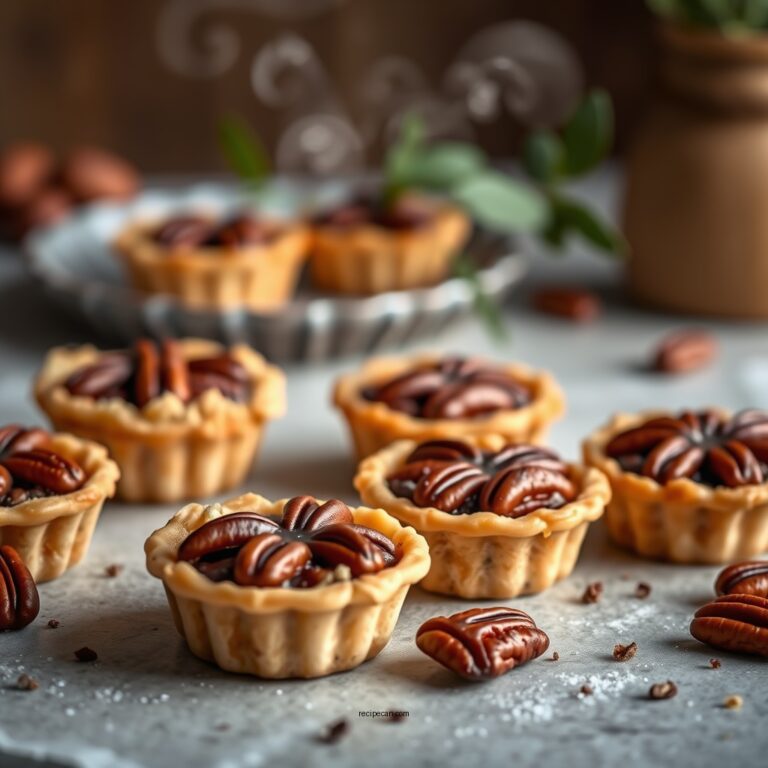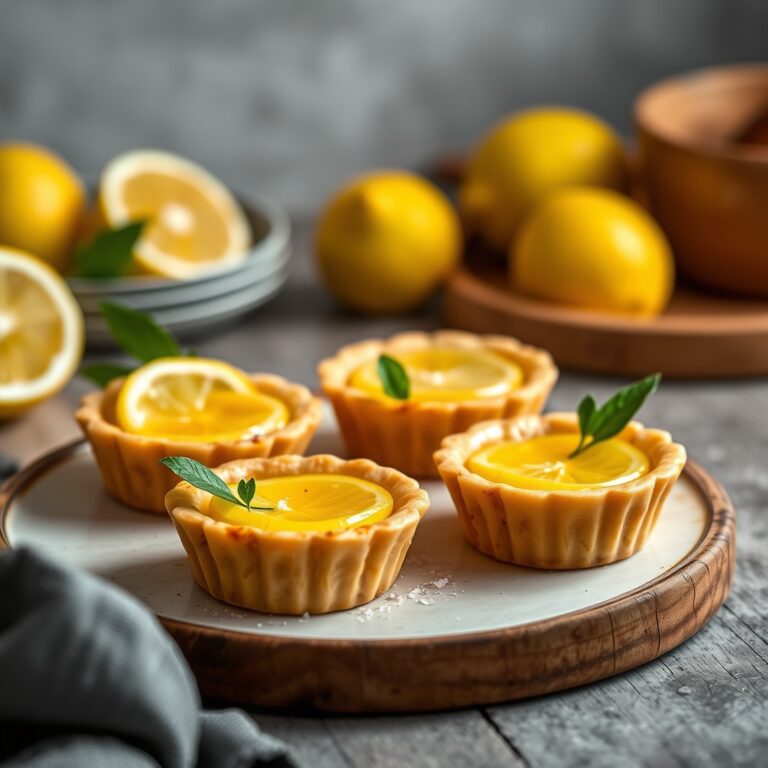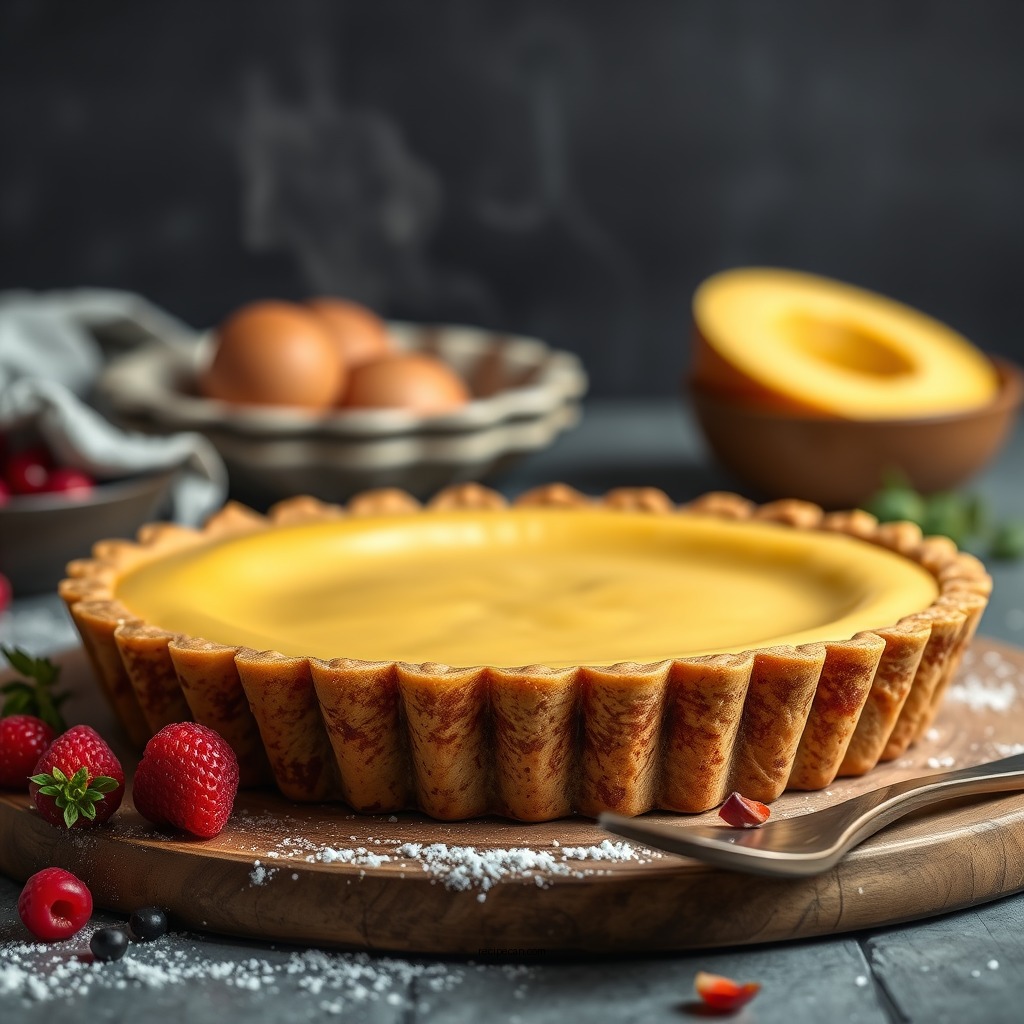
To make a perfect tart crust, you’ll need just a few simple ingredients and some essential techniques to ensure a flaky and delicious base for your tarts. In this guide, we’ll walk you through the process of creating a classic tart crust that is both easy to follow and impressive in taste. A well-made tart crust can elevate your desserts, allowing the fillings to shine while providing a delightful texture that complements various flavors.
Essential Ingredients for Tart Crust
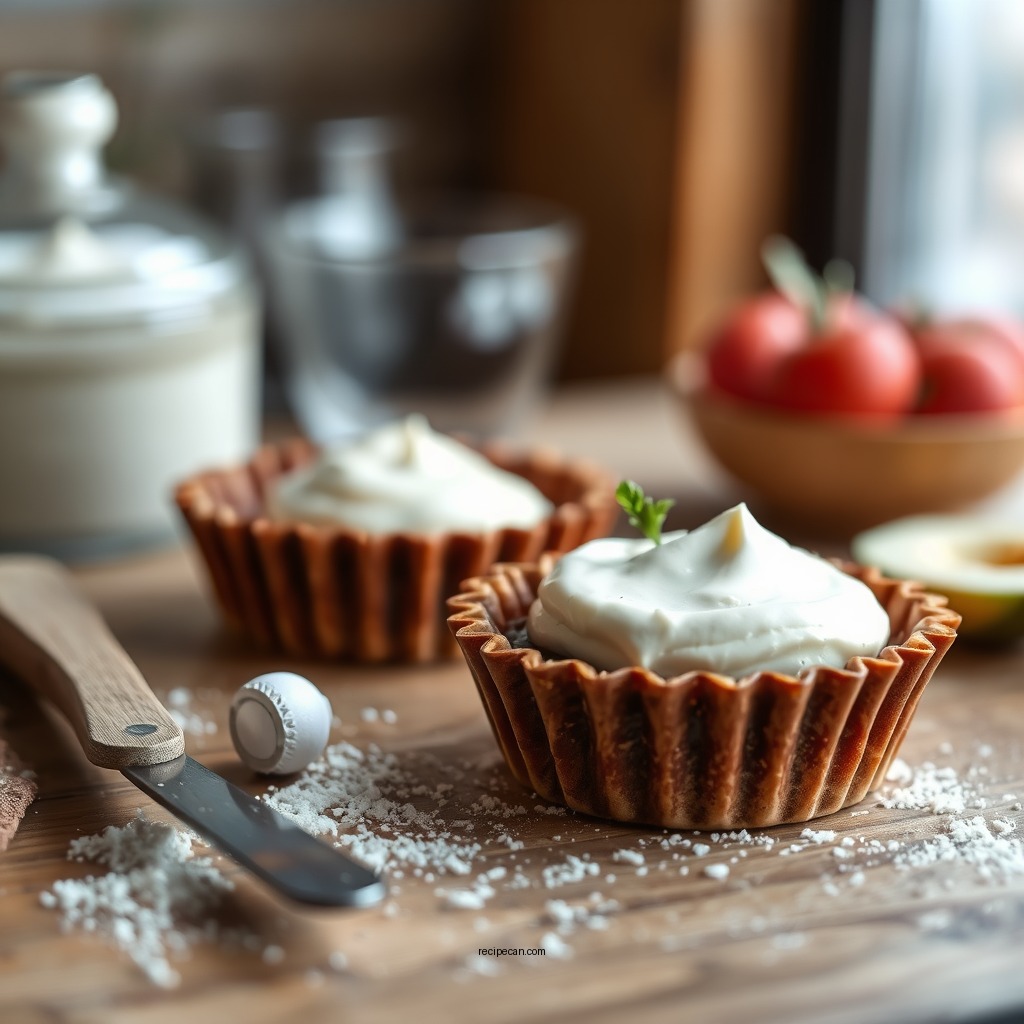
Creating a perfect tart crust starts with the right ingredients. Here are the essentials you’ll need:
– Flour: Use all-purpose flour for structure and stability. All-purpose flour contains a moderate amount of protein, which contributes to the crust’s strength while still allowing for a tender finish.
– Fat: Choose unsalted butter for flavor and a tender texture. Unsalted butter allows you to control the saltiness of your crust, and its fat content is crucial for achieving a flaky texture.
– Sugar: A small amount of sugar enhances sweetness and color. Sugar not only adds a touch of sweetness but also helps in browning, giving your crust a beautiful golden hue.
These ingredients form the backbone of your tart crust, and using high-quality products will lead to superior results.
Preparing the Dough
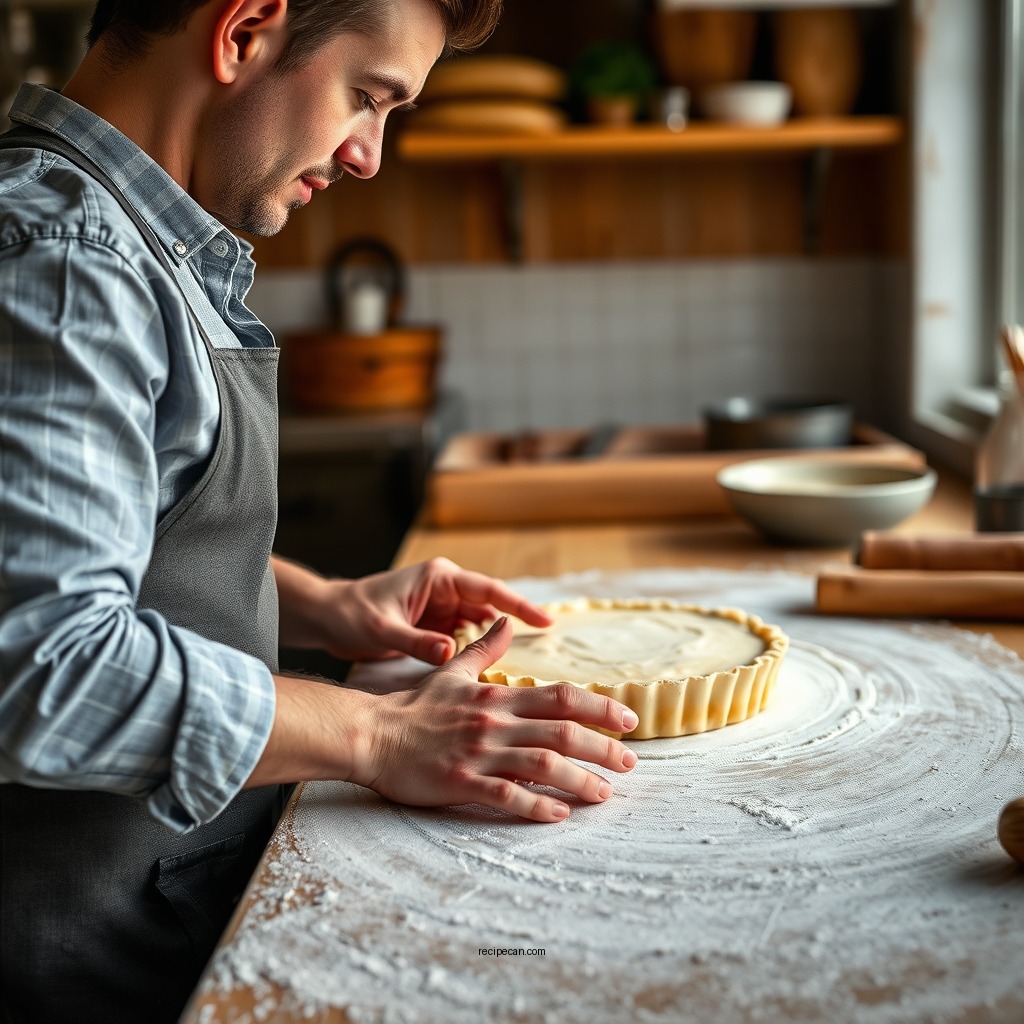
The preparation of the dough is a crucial step in creating a perfect tart crust.
– Mixing: Combine flour, sugar, and butter until crumbly. Start by cutting the cold butter into the flour and sugar mixture using a pastry cutter or your fingertips. The goal is to achieve a sandy texture, where the butter is well-incorporated but still in small pieces.
– Adding Liquid: Gradually add cold water to form a cohesive dough. It’s essential to add the water slowly, one tablespoon at a time, mixing gently until the dough begins to come together. Avoid overworking the dough, as this can lead to a tough crust.
The key to success in this step is to work quickly and efficiently to keep the butter cold, which is vital for achieving a flaky texture.
Chilling the Dough
After preparing the dough, chilling it is a crucial step that should not be overlooked.
– Importance of Chilling: Resting the dough in the fridge helps relax the gluten. This relaxation allows the dough to be rolled out more easily and reduces shrinkage during baking.
– Time Needed: Chill for at least 30 minutes before rolling. If possible, a longer chill (up to 2 hours) can enhance the flavor and texture even further.
During this time, the butter solidifies again, ensuring that when baked, the crust will puff slightly and create the desired flaky layers.
Comparison of Flour Types for Tart Crusts
| # | Flour Type | Protein Content (%) | Best For |
|---|---|---|---|
| 1 | All-Purpose Flour | 10-12% | Tarts, Cookies |
| 2 | Pastry Flour | 8-10% | Flaky Crusts |
| 3 | Cake Flour | 6-8% | Tender Tarts |
| 4 | Whole Wheat Flour | 13-15% | Nutty Flavors |
| 5 | Gluten-Free Flour | 0% | Celiac-Friendly |
| 6 | Bread Flour | 12-14% | Not Recommended |
Rolling Out the Crust
Once the dough is chilled, it’s time to roll it out and shape it for your tart.
– Surface Preparation: Lightly flour your work surface to prevent sticking. You can also use parchment paper to roll out the dough, which helps in transferring it to the tart pan easily.
– Thickness: Roll the dough to about 1/8 inch thick for the perfect tart base. A thickness of 1/8 inch ensures that your crust will be sturdy enough to hold the filling without being too thick or overwhelming.
Take your time during this step to ensure an even thickness throughout, which will promote uniform baking.
Pre-Baking the Crust
Pre-baking is an essential step for many tart recipes, especially those with moist fillings.
– Docking: Prick the crust with a fork to prevent bubbling. This allows steam to escape during baking, helping to maintain the shape of the crust.
– Baking Time: Bake at 375°F (190°C) until lightly golden, usually 15-20 minutes. Keep an eye on the crust to avoid over-baking, which can lead to a dry texture.
This step is critical for achieving a crisp crust that can support the chosen filling without becoming soggy.
Baking Time for Tart Crusts
Filling Your Tart
With your crust ready, the next step is to choose and prepare your filling.
– Types of Fillings: Explore options like fruit, custard, or chocolate ganache. Each filling has its unique preparation method and baking requirements. For instance, fruit fillings may require additional thickening agents, while custards need careful temperature control to avoid curdling.
– Baking with Filling: Adjust baking time based on the filling used. For instance, fruit-filled tarts may need less baking time than custard tarts, which may require a longer bake to set properly.
It’s essential to consider the moisture content of your filling, as this can affect the crust’s integrity.
Tips for a Successful Tart Crust
To ensure your tart crust turns out perfectly every time, consider these expert tips:
– Use Cold Ingredients: Cold butter and water keep the crust flaky. The cold temperature ensures that the butter remains solid during mixing and baking, leading to a lighter, flakier texture.
– Don’t Overwork the Dough: Handle it gently to maintain tenderness. Overworking can develop the gluten too much, resulting in a tougher crust. Mix just until combined and avoid excessive rolling.
These tips can significantly enhance your tart-making skills, yielding a crust that complements any filling beautifully.
A perfect tart crust is the foundation of any delicious tart, and with these steps, you can create one easily at home. Remember to experiment with different fillings and techniques to find your favorite combination. Now, gather your ingredients and start baking your delightful tart!
Frequently Asked Questions
What are the essential ingredients for a basic tart crust recipe?
A basic tart crust recipe typically requires flour, unsalted butter, sugar, and salt. You can also add an egg yolk for richness and a splash of cold water to help bind the dough. Using high-quality ingredients will enhance the flavor and texture of your tart crust.
How do I prevent my tart crust from getting soggy?
To prevent a soggy tart crust, consider blind-baking your crust before adding any filling. This involves pre-baking the crust with pie weights or dried beans to create a barrier. Additionally, brushing the crust with melted chocolate or egg wash can provide an extra layer of protection against moisture.
Why does my tart crust crumble when I try to roll it out?
If your tart crust crumbles when rolling it out, it may be due to insufficient moisture or overworking the dough. Ensure you’re using enough butter and water, and avoid excessive kneading, as this can develop gluten and lead to a tough texture. Letting the dough rest in the refrigerator can also help it become more pliable.
What is the best way to store leftover tart crust?
The best way to store leftover tart crust is to wrap it tightly in plastic wrap and place it in an airtight container before refrigerating for up to 3 days. For longer storage, freeze the wrapped crust for up to 3 months. When ready to use, thaw it in the refrigerator before rolling it out.
Which type of flour is best for making a tart crust?
All-purpose flour is the most commonly used flour for making a tart crust, as it strikes a balance between tenderness and structure. However, using a combination of all-purpose and pastry flour can yield a more delicate crust. For gluten-free options, almond flour or a gluten-free blend can also be effective.
References
- Pastry
https://en.wikipedia.org/wiki/Pastry - https://www.seriouseats.com/tart-dough-recipe-5113167
https://www.seriouseats.com/tart-dough-recipe-5113167 - https://www.foodnetwork.com/recipes/articles/how-to-make-pie-crust
https://www.foodnetwork.com/recipes/articles/how-to-make-pie-crust - https://www.thekitchn.com/how-to-make-a-tart-crust-225746
https://www.thekitchn.com/how-to-make-a-tart-crust-225746 - Google Scholar Google Scholar
https://scholar.google.com/scholar?q=tart+crust+recipe - Google Scholar Google Scholar
https://scholar.google.com/scholar?q=pastry+making+techniques - Google Scholar Google Scholar
https://scholar.google.com/scholar?q=pastry+recipes - 3 Reasons Why You Should Precook Your Omelet Filling | America’s Test Kitchen
https://www.cooksillustrated.com/articles/6010-how-to-make-the-best-pie-crust - tart crust recipe – Search results
https://en.wikipedia.org/wiki/Special:Search?search=tart+crust+recipe - https://www.ncbi.nlm.nih.gov/search/research-articles/?term=tart+crust+recipe
https://www.ncbi.nlm.nih.gov/search/research-articles/?term=tart+crust+recipe