Creating a perfect tarte tatin involves a delightful interplay of caramelized apples and a rich, buttery pastry that makes for an impressive dessert. This upside-down treat is not only simple to prepare but is also a guaranteed crowd-pleaser. In this article, you’ll learn the essential steps, tips, and variations to make your own exquisite tarte tatin, ensuring a satisfying experience for both the chef and the guests.
Understanding Tarte Tatin
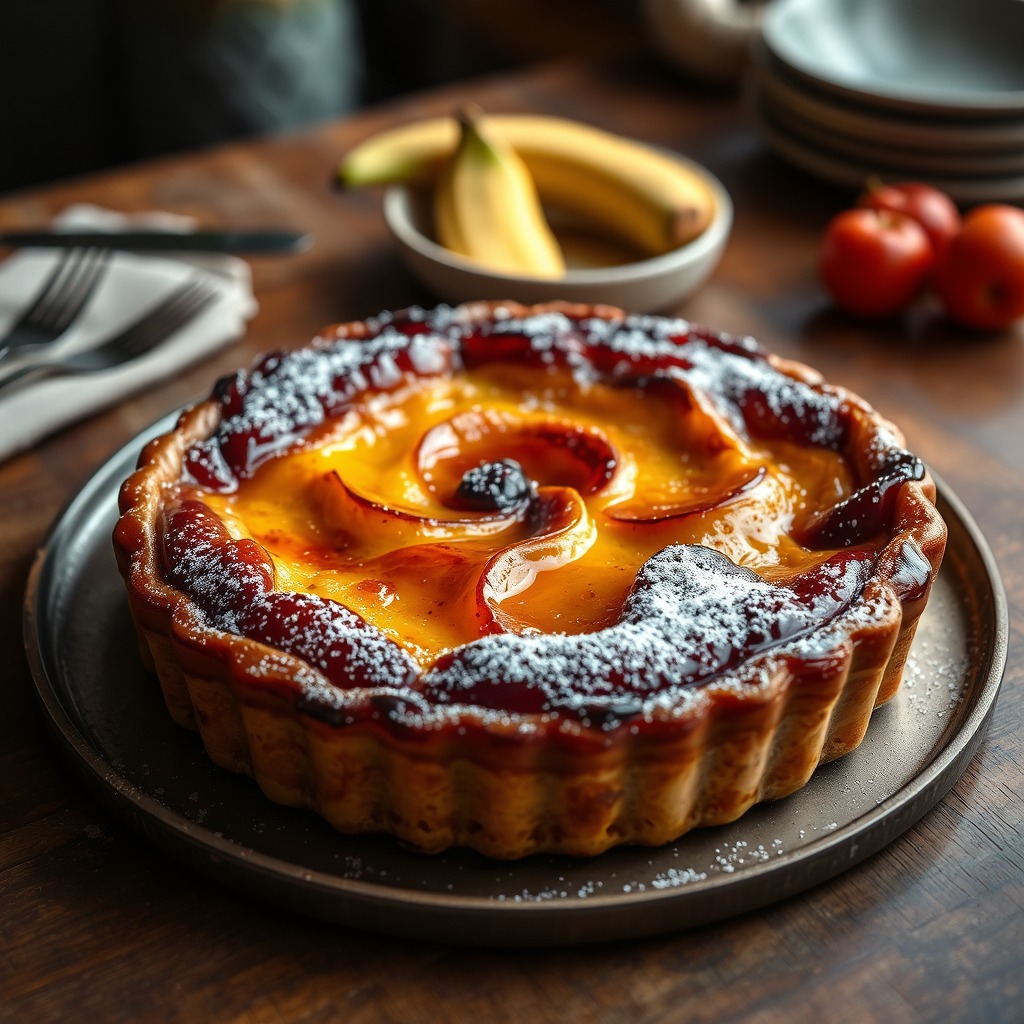
Tarte tatin is a classic French dessert that has captured the hearts of dessert lovers around the world. Named after the Tatin sisters, who accidentally created the dish in the late 19th century, this upside-down tart traditionally features sweet apples, although you can find variations made with other fruits like pears or peaches. The beauty of tarte tatin lies not just in its taste but in its presentation; when inverted, the glossy caramelized apples glisten, creating a visual feast that is sure to impress at any gathering.
This dessert’s unique flavor profile combines the sweetness of caramel with the tartness of the apples, creating a balanced dish that is perfect for any occasion, from casual family dinners to more formal celebrations.
Ingredients You’ll Need
To make a classic tarte tatin, you will need the following ingredients:
– Fresh Apples: The most recommended varieties for this dessert include Granny Smith, known for their tartness, or Honeycrisp, which offer a delightful sweetness and crunch. Aim for about 6 to 8 medium-sized apples.
– Sugar: Granulated sugar is typically used to create the caramel, but brown sugar can be added for a deeper flavor profile.
– Butter: Unsalted butter is preferred for its ability to control the saltiness in the dish; about 1/2 cup is ideal.
– Puff Pastry: Store-bought puff pastry makes for a quick and easy option, but homemade pastry can elevate the dish further.
– Optional Spices: For additional flavor, consider incorporating a pinch of cinnamon or a splash of vanilla extract. These enhancements can provide a warm, aromatic note to the dessert.
Step-by-Step Preparation
Preparing a tarte tatin is a straightforward process that requires careful attention to detail to achieve the perfect caramelization.
1. Prepare the Apples: Begin by peeling and slicing the apples evenly. Aim for slices that are approximately 1/2 inch thick to ensure uniform cooking.
2. Make the Caramel: In a heavy-bottomed skillet, melt 1/2 cup butter over medium heat, then add 1 cup of sugar. Stir until the mixture is combined and begins to bubble. Continue to cook until it turns a golden brown color, being careful to avoid burning.
3. Add Apples: Once the caramel is ready, carefully add the apple slices to the skillet, arranging them tightly. Cook for about 10 minutes, allowing the apples to absorb the caramel and soften slightly.
Assembling the Tarte
After preparing the caramelized apples, it’s time to assemble the tarte:
1. Layer the Apples: Once the apples are sufficiently caramelized, remove the skillet from the heat. Arrange the apples in a beautiful pattern, making sure they are snugly packed.
2. Cover with Puff Pastry: Roll out the puff pastry to fit the skillet and carefully place it over the apples. Tuck the edges of the pastry down into the skillet, encasing the apples completely. This step is crucial to prevent the juices from leaking out during baking.
Baking to Perfection
Baking the tarte tatin is the final step that brings everything together:
1. Preheat the Oven: Adjust your oven to 375°F (190°C) and allow it to preheat.
2. Bake: Place the skillet in the oven and bake for approximately 25 to 30 minutes, or until the pastry is golden brown and crispy.
3. Invert and Serve: Once baked, remove the skillet from the oven and let it cool for about 5 minutes. Carefully invert the tarte onto a serving plate, allowing the caramelized apples to rest on top. This is the moment of truth, where all your efforts culminate in a stunning dessert.
Top 7 Apple Varieties for Tarte Tatin (2023)
| # | Variety | Taste Profile | Best Use | Rating |
|---|---|---|---|---|
| 1 | Granny Smith | Tart | Baking | ★★★★☆ |
| 2 | Honeycrisp | Sweet & Crisp | Eating/Baking | ★★★★★ |
| 3 | Braeburn | Balanced | Baking | ★★★★☆ |
| 4 | Fuji | Sweet | Eating | ★★★★★ |
| 5 | Golden Delicious | Mild | Salads/Baking | ★★★☆☆ |
| 6 | McIntosh | Tangy | Baking | ★★★☆☆ |
| 7 | Gala | Sweet | Eating | ★★★★☆ |
Serving Suggestions
A tarte tatin is best served warm, allowing the flavors to shine through in each bite. Here are some serving suggestions to elevate your dessert experience:
– Accompaniments: Consider serving a scoop of creamy vanilla ice cream or a dollop of freshly whipped cream beside the warm tarte. The contrast of temperatures and textures creates a delightful experience.
– Garnishing: Fresh mint leaves can add a pop of color and a refreshing flavor. A light sprinkle of ground cinnamon or nutmeg can also enhance the aromatic quality of the dish.
– Pairing: For a refined touch, pair your tarte tatin with a glass of dessert wine, such as a late-harvest Riesling or a sweet Moscato, which complements the sweet and caramelized flavors beautifully.
Tips for Success
To ensure that your tarte tatin turns out perfectly every time, consider these helpful tips:
– Use a Heavy-Bottomed Skillet: This type of skillet helps to distribute heat evenly, preventing the sugar from burning while caramelizing.
– Choose the Right Apples: Opt for apples that hold their shape during cooking. Avoid overly soft varieties, as they may turn mushy during the baking process.
– Experiment with Flavors: Don’t hesitate to experiment with different fruits or even add a splash of liqueur, such as Calvados, to the caramel for a unique twist on the classic recipe.
Making a tarte tatin is not only about the flavors but also about the presentation. The glossy caramelized apples resting atop flaky pastry make for a stunning centerpiece that is sure to impress your guests.
Popularity of Tarte Tatin Variations (2023)
Summarizing the process of making a tarte tatin, this delectable dessert is not only a treat for the taste buds but also a beautiful centerpiece for any occasion. The combination of caramelized fruit and flaky pastry offers a delightful contrast that is both satisfying and indulgent. Try out this recipe and share your creations with friends and family for a delightful experience that highlights the essence of classic French baking.
Frequently Asked Questions
What ingredients do I need for a classic tarte tatin recipe?
To make a classic tarte tatin, you’ll need simple ingredients: firm apples like Granny Smith or Honeycrisp, butter, sugar, and a sheet of puff pastry. Additionally, you may want to add a pinch of cinnamon or vanilla for extra flavor. A good quality cast-iron skillet is also essential for achieving that perfect caramelization.
How do I properly caramelize the apples for tarte tatin?
To caramelize the apples for tarte tatin, start by melting butter in your skillet and adding sugar until it forms a golden caramel. Carefully place the apple halves, cut side down, into the caramel and cook until they are tender and coated, usually about 10-15 minutes. This step is crucial as it creates the rich flavor and texture that defines this upside-down dessert.
Why is my tarte tatin soggy, and how can I prevent this?
A soggy tarte tatin often results from excess moisture from the apples or an insufficiently baked pastry. To prevent this, make sure to select firmer apples and cook them until most moisture evaporates before adding the pastry. Additionally, you can pre-bake the pastry slightly before adding the apples to ensure it remains crisp.
What is the best way to serve tarte tatin?
The best way to serve tarte tatin is warm, ideally with a dollop of crème fraîche or a scoop of vanilla ice cream for a delightful contrast. You can also garnish with toasted nuts or a sprinkle of sea salt to enhance the flavors. Serving it directly from the skillet adds a rustic charm to this delicious dessert.
Which apples are best for making tarte tatin?
The best apples for making tarte tatin are those that hold their shape during cooking, such as Granny Smith, Honeycrisp, or Braeburn. These varieties offer a perfect balance of tartness and sweetness, which complements the caramel well. Avoid softer apples like McIntosh, as they tend to break down too much and can lead to a mushy dessert.
References
- Tarte Tatin
https://en.wikipedia.org/wiki/Tarte_Tatin - https://www.bbc.co.uk/food/recipes/tarte_tatin_58658
https://www.bbc.co.uk/food/recipes/tarte_tatin_58658 - NYT Cooking – Recipes and Cooking Guides From The New York Times
https://www.nytimes.com/recipes/1019737/tarte-tatin - https://www.theguardian.com/food/2020/nov/06/how-to-make-tarte-tatin
https://www.theguardian.com/food/2020/nov/06/how-to-make-tarte-tatin - https://www.britannica.com/topic/tarte-tatin
https://www.britannica.com/topic/tarte-tatin - https://www.sciencedirect.com/topics/food-science/tarte-tatin
https://www.sciencedirect.com/topics/food-science/tarte-tatin - Google Scholar Google Scholar
https://scholar.google.com/scholar?q=tarte+tatins+recipe - Google Scholar Google Scholar
https://scholar.google.com/scholar?q=history+of+tarte+tatins - Google Scholar Google Scholar
https://scholar.google.com/scholar?q=tarte+tatins+culinary+techniques - https://pubmed.ncbi.nlm.nih.gov/?term=tarte+tatins+recipe
https://pubmed.ncbi.nlm.nih.gov/?term=tarte+tatins+recipe