Opo squash, also known as bottle gourd, is a versatile ingredient that can be used in a variety of delicious recipes. This unique vegetable is not only nutritious but also offers a mild flavor that allows it to blend seamlessly with a range of other ingredients. In this article, you’ll discover how to prepare opo squash in ways that highlight its unique flavor and texture, making it a perfect addition to your meals. From stir-fries to soups, this article provides a comprehensive guide to incorporating opo squash into your cooking repertoire.
Nutritional Benefits of Opo Squash
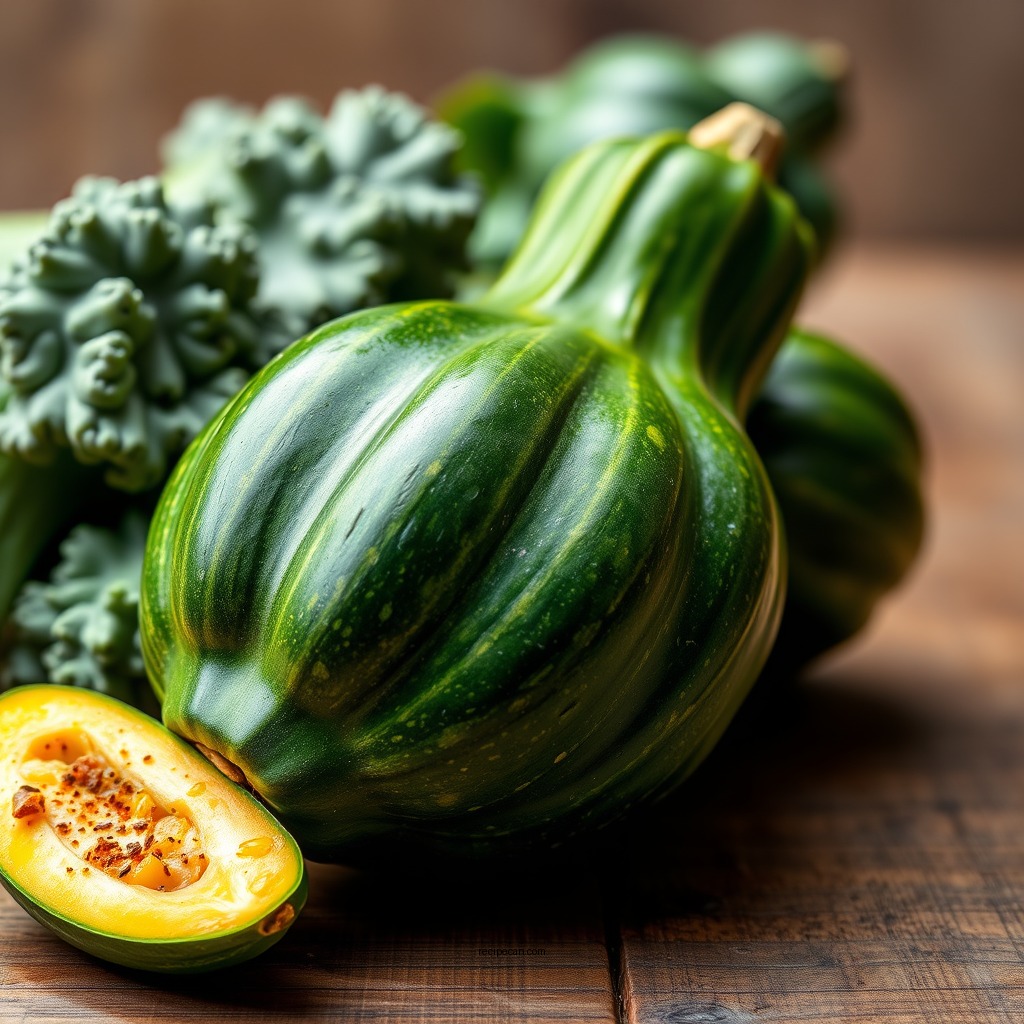
Opo squash is a nutritional powerhouse that offers numerous health benefits:
– Low in Calories: With only about 20 calories per 100 grams, opo squash is an excellent choice for weight management. Its high water content (approximately 95%) contributes to a feeling of fullness without adding excess calories.
– Rich in Vitamins and Minerals: Opo squash is an excellent source of vitamin C, which acts as an antioxidant and supports immune health. Additionally, it contains B vitamins that are crucial for energy metabolism. It also provides essential minerals such as potassium, which aids in regulating blood pressure, and magnesium, which is vital for muscle and nerve function.
– Contains Antioxidants: The antioxidants found in opo squash help combat oxidative stress in the body, reducing the risk of chronic diseases and promoting overall wellness.
Simple Opo Squash Stir-Fry
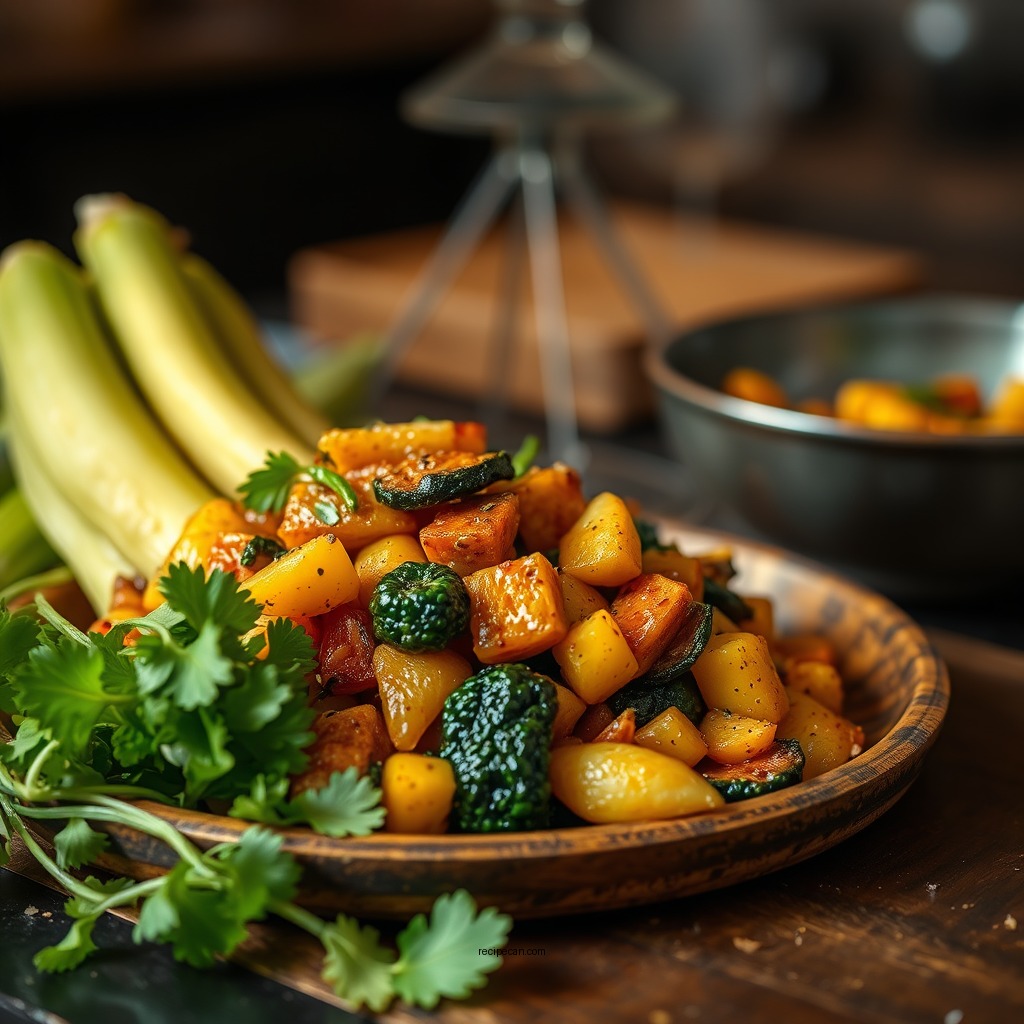
A simple opo squash stir-fry is one of the quickest and most flavorful ways to prepare this versatile vegetable.
– Quick Preparation: This dish can be whipped up in under 20 minutes, making it ideal for busy weeknights. Start by sautéing garlic and onions in a bit of oil until fragrant, then add sliced opo squash and your choice of spices.
– Customizable with Protein: You can easily customize this stir-fry by adding protein sources like chicken, tofu, or shrimp. For a vegetarian option, chickpeas or lentils can be excellent substitutes.
– Serving Suggestions: Serve your stir-fry over rice or quinoa to create a complete meal. The combination of flavors and textures will delight your palate while providing balanced nutrition.
Opo Squash Soup Recipe
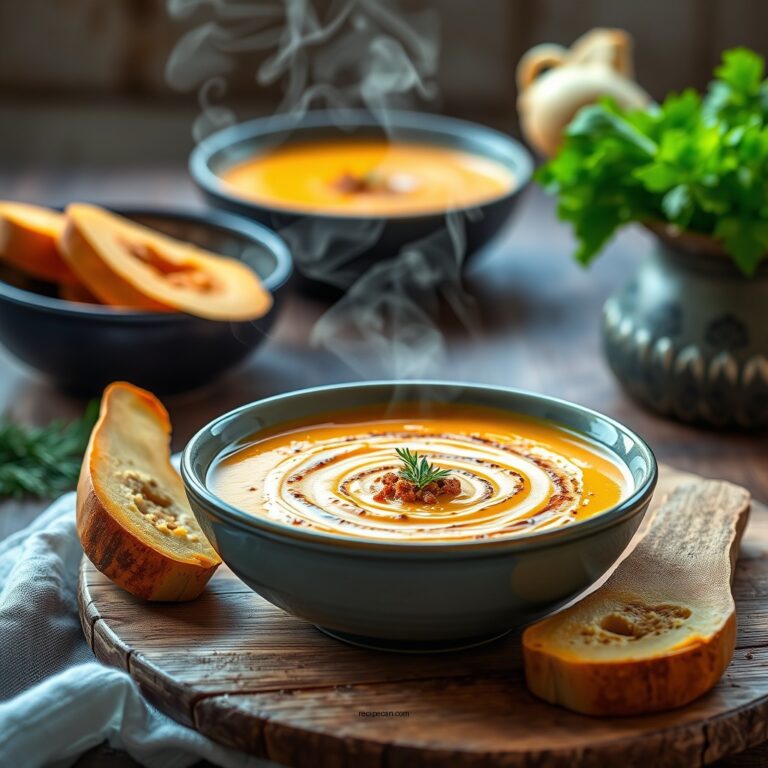
A creamy opo squash soup is both comforting and nutritious.
– Easy and Quick: This recipe can be prepared in under 30 minutes. Simply cook chopped opo squash with vegetable broth and your choice of herbs until tender, then blend until smooth for a creamy texture.
– Flavor Enhancements: You can enhance the flavor by adding ginger, garlic, or herbs like thyme or basil. A splash of coconut milk can also add a delightful creaminess and subtle sweetness.
– Perfect for Lunch or Dinner: This soup is perfect for a healthy lunch or a light dinner. Serve it with whole-grain bread for a satisfying meal.
Top Nutritional Benefits of Opo Squash (per 100g)
| # | Nutrient | Amount | % Daily Value |
|---|---|---|---|
| 1 | Calories | 20 | 1% |
| 2 | Vitamin C | 10 mg | 17% |
| 3 | Potassium | 260 mg | 7% |
| 4 | Magnesium | 18 mg | 5% |
| 5 | Fiber | 1 g | 4% |
| 6 | Vitamin B6 | 0.1 mg | 5% |
| 7 | Calcium | 24 mg | 2% |
Stuffed Opo Squash
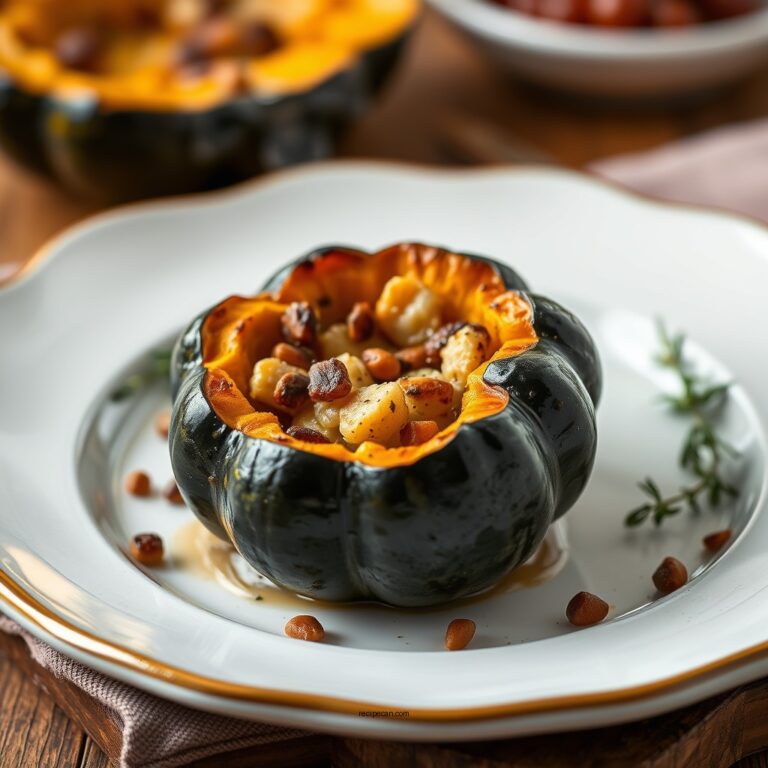
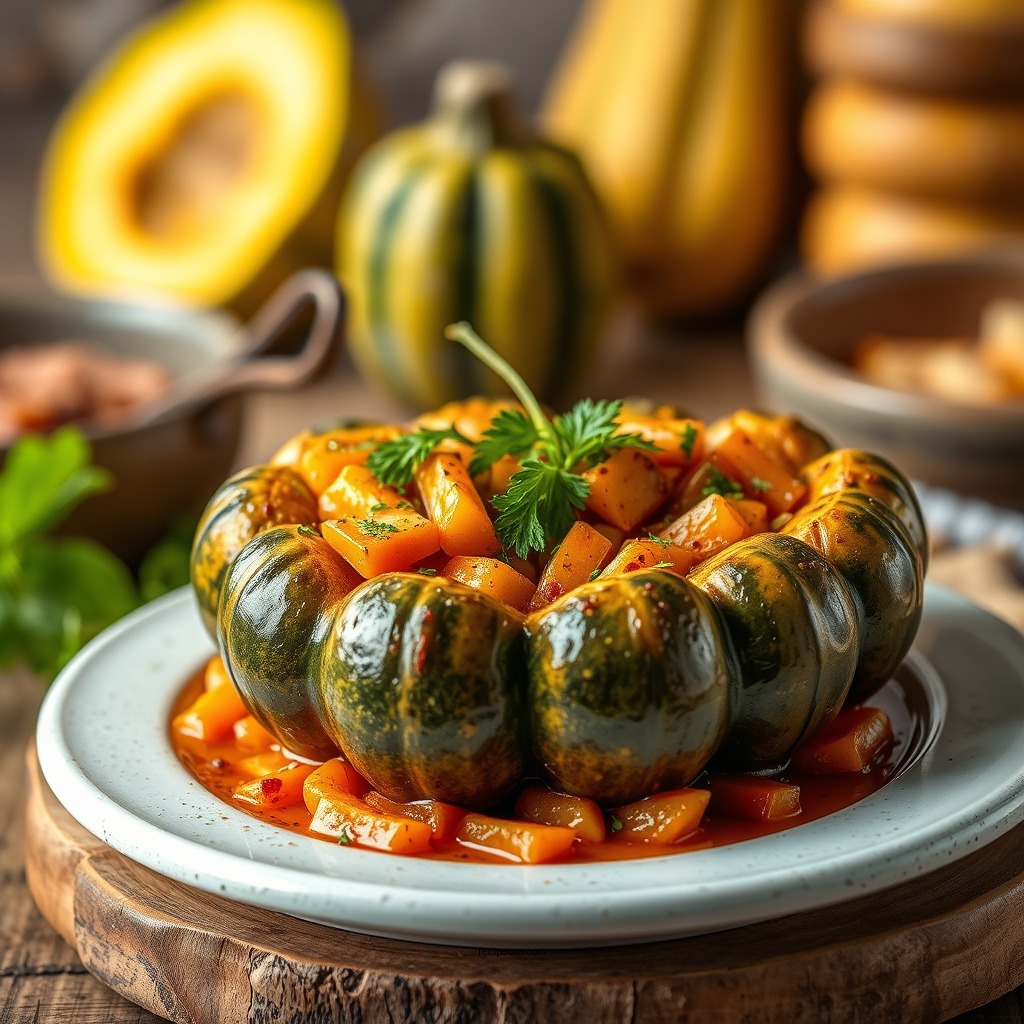
Stuffed opo squash is not only a nutritional winner but also a beautiful dish that impresses at dinner parties.
– Preparation: Start by halving the opo squash and scooping out the seeds. Prepare a filling using a mixture of grains (like quinoa or rice), diced vegetables, and spices. You can also add ground meat or lentils for protein.
– Cooking Methods: This dish can be baked or steamed, depending on your preference for texture. Baking will give it a slightly caramelized flavor, while steaming retains more moisture.
– Presentation: Serve the stuffed squash halves on a platter, garnished with fresh herbs for a visually appealing dish that’s perfect for entertaining or family gatherings.
Opo Squash Salad Ideas
Incorporating raw opo squash into salads adds a refreshing crunch and myriad health benefits.
– Fresh Combinations: Combine thinly sliced or spiralized opo squash with other crisp vegetables like cucumber, bell peppers, and carrots. The mild flavor of the squash complements these ingredients beautifully.
– Vinaigrette Dressings: Toss the salad in a light vinaigrette made from olive oil, lemon juice, salt, and pepper. This simple dressing enhances the natural flavors without overpowering them.
– Adding Texture: For added nutrition and crunch, consider adding nuts or seeds, such as pumpkin seeds or slivered almonds. This not only elevates the dish’s texture but also boosts its protein content.
Opo Squash Dessert
Opo squash can also shine in sweet dishes, providing a unique twist to traditional desserts.
– Pudding and Cake: Explore recipes for opo squash pudding or cake, where the natural sweetness of the squash is highlighted. The squash adds moisture to cakes and provides a nutritious alternative to other ingredients.
– Flavor Profiles: Pair opo squash with spices such as cinnamon, nutmeg, or vanilla to create a delightful dessert that is both satisfying and healthy.
– Healthier Sweet Options: For those seeking healthier alternatives to traditional desserts, using opo squash can reduce the need for added sugars and fats, making it an excellent choice for health-conscious individuals.
Tips for Cooking with Opo Squash
When working with opo squash, consider the following tips to maximize flavor and nutrition:
– Choose Quality Produce: Select firm, unblemished opo squash for the best texture and taste. The skin should be smooth, and the squash should feel heavy for its size.
– Experiment with Cooking Methods: Don’t hesitate to explore various cooking methods, including roasting, steaming, and sautéing. Each method brings out different flavors and textures in the squash.
– Flavor Pairing: Opo squash pairs well with complementary flavors like garlic, ginger, and coconut. These ingredients can enhance the dish and create a more complex flavor profile.
Opo Squash Nutritional Benefits Comparison by Cooking Method
Opo squash is not only nutritious but also incredibly versatile, allowing you to create a range of delicious dishes. From stir-fries to desserts, incorporating opo squash into your meals can elevate your cooking. Try out these recipes and enjoy exploring the delightful flavors of opo squash in your own kitchen! Whether you’re looking for a healthy lunch option or an impressive dish for dinner guests, these recipes are sure to inspire creativity and satisfaction in your culinary endeavors.
Frequently Asked Questions
What are some easy opo squash recipes for beginners?
Easy opo squash recipes for beginners include sautéed opo squash with garlic, opo squash soup, and stir-fried opo squash with vegetables. These recipes typically require minimal ingredients and cooking time, making them perfect for those new to cooking. Simply slice the squash, season it, and cook until tender for a delicious meal.
How can I prepare opo squash to enhance its flavor?
To enhance the flavor of opo squash, consider roasting it with olive oil, salt, and your favorite herbs like thyme or rosemary. Grilling or sautéing the squash can also caramelize its natural sugars, bringing out a deeper, richer taste. Adding spices such as cumin or paprika can further elevate its flavor profile in your recipes.
Why should I include opo squash in my diet?
Including opo squash in your diet is beneficial due to its low calorie content and high nutritional value; it’s rich in vitamins A and C, potassium, and dietary fiber. This versatile vegetable can aid in digestion, support eye health, and help maintain a healthy weight. Its mild flavor makes it easy to incorporate into a variety of dishes.
What are the best ways to cook opo squash?
The best ways to cook opo squash include steaming, sautéing, and roasting. Steaming preserves its nutrients and keeps it tender, while sautéing with olive oil or butter adds flavor and texture. Roasting opo squash allows for caramelization, resulting in a delicious and hearty side dish or main ingredient in various recipes.
Which dishes pair well with opo squash?
Opo squash pairs well with a variety of dishes, including rice, quinoa, and pasta. It also complements proteins like chicken, fish, and tofu, making it a versatile addition to stir-fries, casseroles, and salads. Combining it with spices and sauces can create a well-rounded meal that highlights its mild flavor and nutritional benefits.
References
- https://en.wikipedia.org/wiki/Squash_(plant
https://en.wikipedia.org/wiki/Squash_(plant - https://www.ncbi.nlm.nih.gov/pmc/articles/PMC6058995/
https://www.ncbi.nlm.nih.gov/pmc/articles/PMC6058995/ - https://www.ncbi.nlm.nih.gov/pmc/articles/PMC6769702/
https://www.ncbi.nlm.nih.gov/pmc/articles/PMC6769702/ - https://www.mayoclinic.org/healthy-lifestyle/nutrition-and-healthy-eating/in-depth/squash/art-20046237
https://www.mayoclinic.org/healthy-lifestyle/nutrition-and-healthy-eating/in-depth/squash/art-20046237 - https://www.bbc.co.uk/food/recipes/squash_and_corn_tortillas_67196
https://www.bbc.co.uk/food/recipes/squash_and_corn_tortillas_67196 - https://www.theguardian.com/food/2021/nov/03/how-to-cook-squash-recipes
https://www.theguardian.com/food/2021/nov/03/how-to-cook-squash-recipes - Google Scholar Google Scholar
https://scholar.google.com/scholar?q=opo+squash+recipes - Google Scholar Google Scholar
https://scholar.google.com/scholar?q=squash+nutrition - Google Scholar Google Scholar
https://scholar.google.com/scholar?q=health+benefits+of+squash - https://www.sciencedirect.com/topics/agricultural-and-biological-sciences/squash
https://www.sciencedirect.com/topics/agricultural-and-biological-sciences/squash