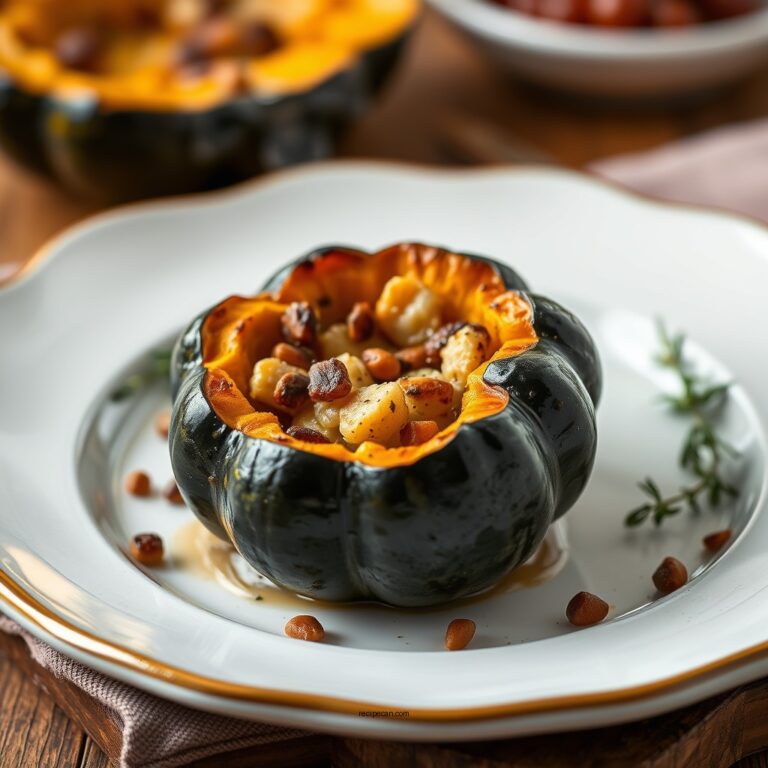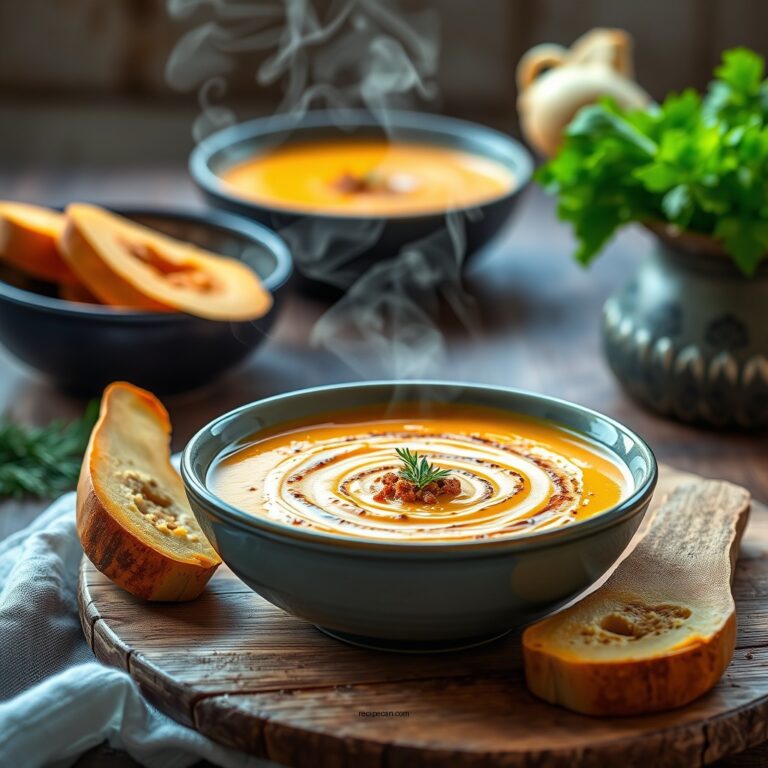
Opo squash can be transformed into a delicious dish with minimal effort. This versatile vegetable, also known as bottle gourd, can be sautéed, steamed, or used in soups. In this article, you’ll learn how to prepare a simple and tasty opo squash recipe that will delight your family or guests. With its mild flavor and numerous health benefits, incorporating opo squash into your meals is a smart and satisfying choice.
Choosing the Right Opo Squash
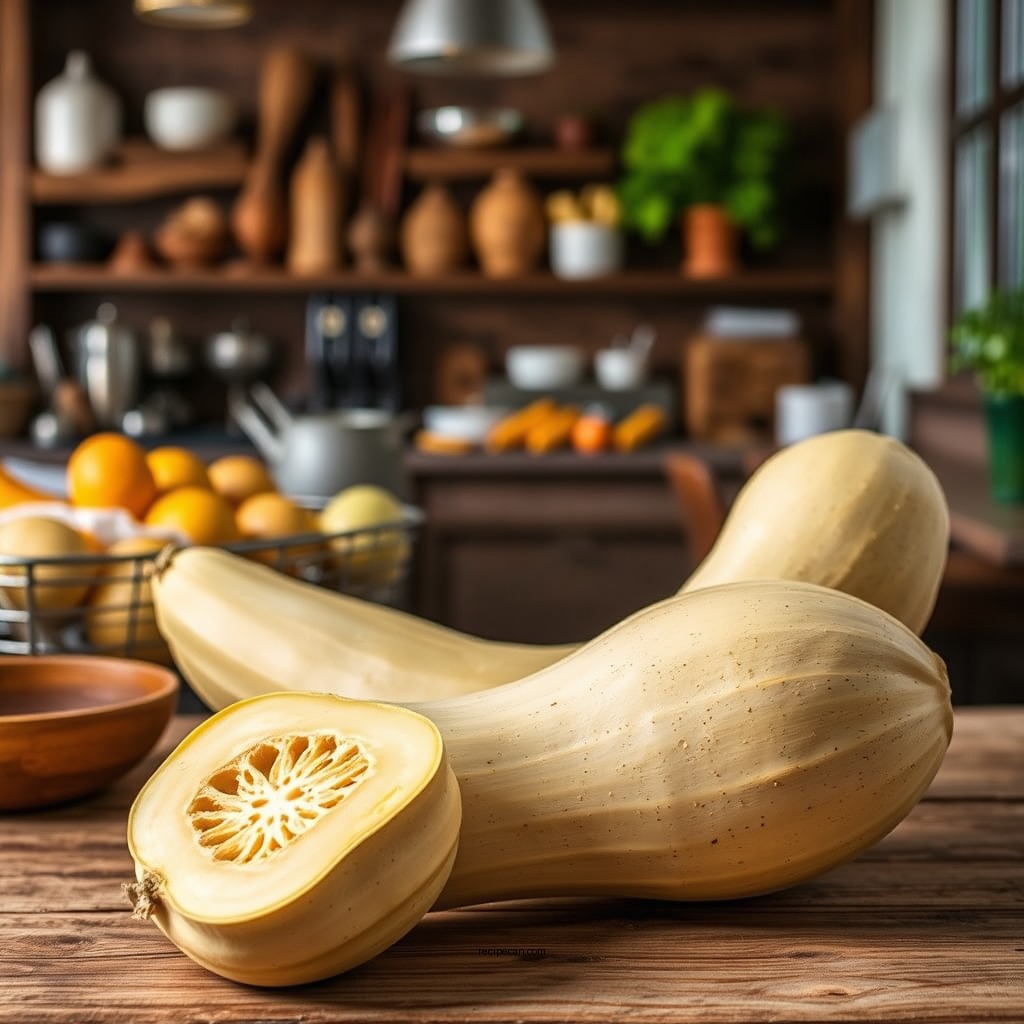
When selecting opo squash, it’s essential to focus on quality to ensure the best taste and texture for your recipes. Look for firm, smooth skin without blemishes, as any soft spots or discoloration may indicate spoilage. The ideal opo squash should feel heavy for its size, signifying that it is full of moisture and flavor.
Additionally, consider the size of the squash based on your recipe needs. Smaller opo squashes, typically ranging from 1 to 2 pounds, tend to be sweeter and more tender, making them perfect for dishes where the squash is the star ingredient. Larger squashes may have a more fibrous texture and a bland taste, making them better suited for soups and stews where they can absorb more flavors.
Preparing Opo Squash
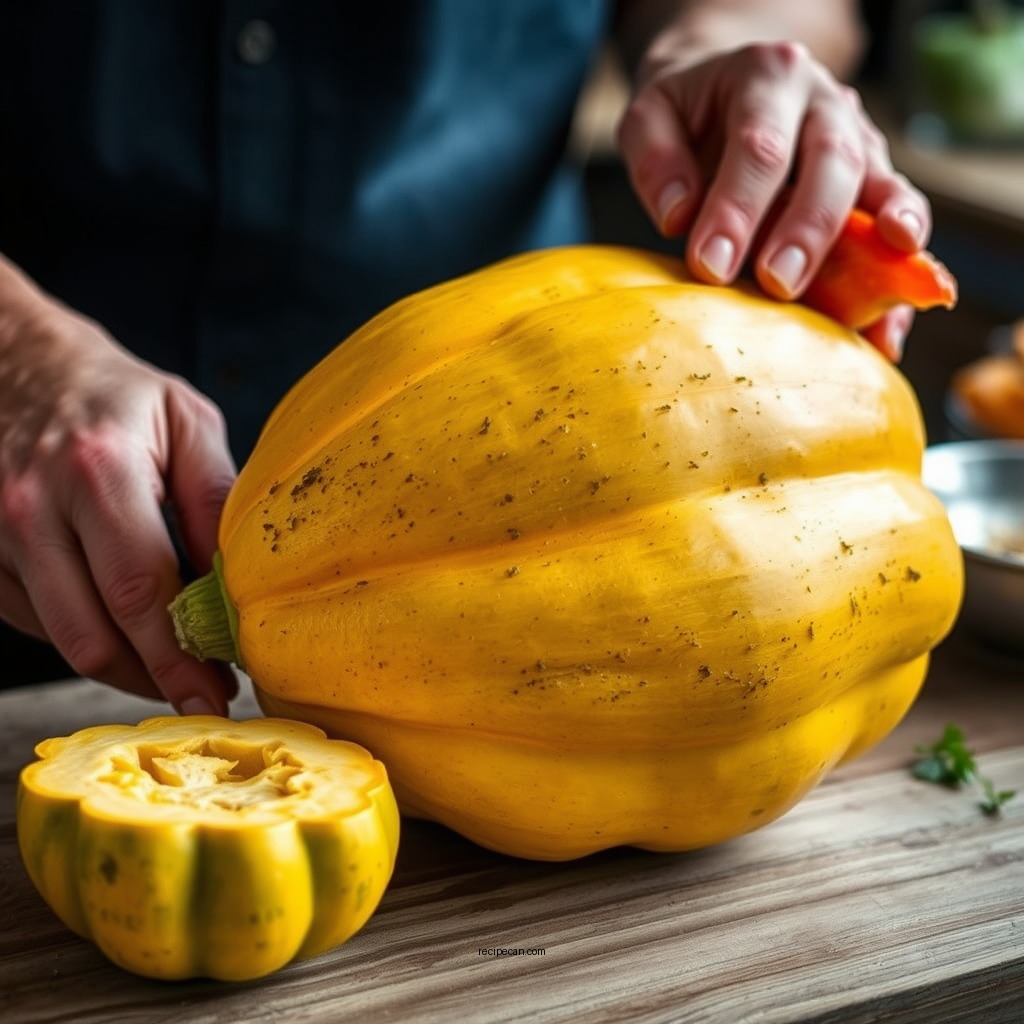
While peeling the skin is optional, it is advisable if you prefer a smoother texture in your dishes. The skin can be tough, especially on larger squashes. If you decide to leave it on, ensure that you slice the squash into smaller pieces to make it easier to chew. For most recipes, cutting the squash into uniform cubes or slices will help it cook evenly.
Basic Cooking Techniques
Opo squash is incredibly versatile and can be cooked using a variety of techniques. Here are some of the most popular methods:
– Sautéing: Cut the squash into cubes and heat a tablespoon of olive oil in a skillet over medium heat. Add minced garlic for added flavor and sauté the squash until tender and lightly browned, about 5-7 minutes. This method enhances the natural sweetness of the squash while allowing you to incorporate additional seasonings.
– Steaming: For a healthier option, slice the opo squash and steam it until tender. This method retains the vegetable’s nutrients and light flavor, making it an excellent addition to salads or as a side dish. Steaming usually takes about 8-10 minutes.
– Soups and Stews: Opo squash can also be used in soups and stews. Simply chop it into chunks and add it to your broth along with other vegetables and proteins. It absorbs flavors beautifully and adds a nutritious component to your meals.
Nutritional Value of Opo Squash (Per 100g)
| # | Nutrient | Amount | Daily Value (%) |
|---|---|---|---|
| 1 | Calories | 20 | 1% |
| 2 | Carbohydrates | 4.3g | 1% |
| 3 | Protein | 1g | 2% |
| 4 | Fiber | 1g | 4% |
| 5 | Vitamin C | 10mg | 11% |
| 6 | Potassium | 125mg | 3% |
| 7 | Calcium | 18mg | 2% |
Flavoring Your Dish
To elevate the taste of your opo squash dishes, it is essential to consider various seasoning options that complement its natural flavors. Start with basic seasonings like salt and pepper, which enhance the squash’s sweetness. Fresh herbs such as basil or cilantro can add a burst of freshness and aroma, making your meal more appealing.
For those who enjoy a bit of spice, consider incorporating cumin or turmeric. These spices not only enhance the earthy flavor of the squash but also provide health benefits, including anti-inflammatory properties. A dash of lemon juice can also brighten the dish and add a tangy contrast to the squash’s sweetness.
Experimenting with different flavors can lead to delightful culinary discoveries. For instance, a sprinkle of smoked paprika or chili powder can give your sautéed opo squash a smoky kick, perfect for pairing with grilled meats.
Serving Suggestions
Opo squash can be served in numerous ways, making it a versatile addition to your meal repertoire. Here are some serving suggestions:
– As a Side Dish: Serve sautéed or steamed opo squash alongside grilled meats, fish, or tofu. Its mild flavor pairs well with various protein sources, making it a perfect accompaniment.
– In Soups: Incorporate opo squash into hearty soups or stews. Its ability to absorb flavors makes it an excellent base for a variety of broths, adding body and nutrition.
– In Wraps and Tacos: Use cooked opo squash as a filling in wraps or tacos. Combine it with beans, cheese, and fresh vegetables for a satisfying meal that is both nutritious and delicious.
– In Stir-Fries: Toss opo squash cubes into stir-fries with other vegetables and a protein source. Its quick cooking time makes it an ideal ingredient for fast-paced meals.
Variations and Add-Ins
While the basic opo squash recipe is delicious on its own, there are endless possibilities for variations and add-ins that can enhance your dish. Here are some ideas to inspire your creativity:
– Vegetable Medley: Mix opo squash with colorful vegetables like bell peppers, carrots, and zucchini for a vibrant medley that adds both flavor and nutrition to your plate.
– Protein Boost: Add cooked lentils or chickpeas for a plant-based protein source. Alternatively, include diced chicken or shrimp for a heartier meal option.
– Cheesy Delight: For a rich and comforting dish, sprinkle shredded cheese over sautéed opo squash and bake until bubbly and golden. This combination works wonderfully as a side dish or a vegetarian main course.
By incorporating these variations and add-ins, you can keep your opo squash meals exciting and satisfying. Let your creativity flow in the kitchen and discover new combinations that your family will love.
Popular Opo Squash Dishes by Preparation Method
Incorporating opo squash into your cooking is a simple way to enjoy its health benefits and unique flavor. Whether you follow the basic recipe or experiment with your variations, this vegetable can easily become a favorite in your kitchen. Try out this opo squash recipe and discover new delicious meals today! Whether sautéed, steamed, or incorporated into soups, opo squash offers endless culinary possibilities. With its nutritional benefits and adaptability, it’s a fantastic choice for any meal.
Frequently Asked Questions
What are the key ingredients for a traditional opo squash recipe?
A traditional opo squash recipe typically includes opo squash (also known as bottle gourd), garlic, ginger, onions, tomatoes, and spices like cumin and turmeric. These ingredients come together to create a flavorful and nutritious dish that highlights the unique taste of opo squash.
How do you prepare opo squash for cooking?
To prepare opo squash for cooking, start by washing it thoroughly under running water. Next, peel the skin using a vegetable peeler, cut it in half lengthwise, and scoop out the seeds. Finally, chop the squash into cubes or slices, depending on your recipe’s requirements.
Why should I include opo squash in my diet?
Opo squash is a low-calorie vegetable packed with nutrients, including vitamins C and B, fiber, and antioxidants. Including opo squash in your diet can aid digestion, promote hydration, and support weight management, making it a healthy addition to any meal.
What is the best way to cook opo squash for maximum flavor?
The best way to cook opo squash for maximum flavor is by sautéing it with garlic, onions, and spices to enhance its natural sweetness. You can also roast or steam it to retain its nutrients and serve it as a side dish, or incorporate it into soups and curries for added depth.
Which dishes pair well with opo squash?
Opo squash pairs well with a variety of dishes, including rice, lentils, and curries. It can also be added to stir-fries or served alongside grilled meats and fish, making it a versatile ingredient that enhances both vegetarian and non-vegetarian meals.
References
- https://en.wikipedia.org/wiki/Squash_(plant
https://en.wikipedia.org/wiki/Squash_(plant - https://www.ncbi.nlm.nih.gov/pmc/articles/PMC5474702/
https://www.ncbi.nlm.nih.gov/pmc/articles/PMC5474702/ - https://www.sciencedirect.com/topics/agricultural-and-biological-sciences/squash
https://www.sciencedirect.com/topics/agricultural-and-biological-sciences/squash - Squash | Definition, Summer Squash, Winter Squash, Examples, & Facts | Britannica
https://www.britannica.com/plant/squash - https://www.healthline.com/nutrition/squash-nutrition
https://www.healthline.com/nutrition/squash-nutrition - https://www.mayoclinic.org/healthy-lifestyle/nutrition-and-healthy-eating/in-depth/squash/art-20045581
https://www.mayoclinic.org/healthy-lifestyle/nutrition-and-healthy-eating/in-depth/squash/art-20045581 - https://www.nutrition.gov/topics/food-safety/food-safety-education/squash
https://www.nutrition.gov/topics/food-safety/food-safety-education/squash - Google Scholar Google Scholar
https://scholar.google.com/scholar?q=opo+squash+recipe - Google Scholar Google Scholar
https://scholar.google.com/scholar?q=squash+nutrition+benefits - Google Scholar Google Scholar
https://scholar.google.com/scholar?q=squash+cooking+methods