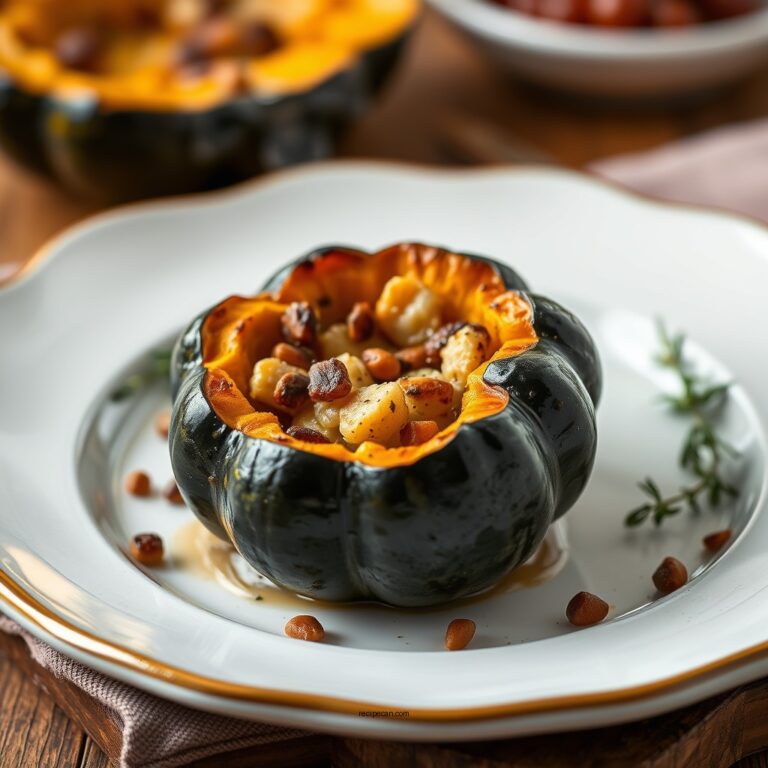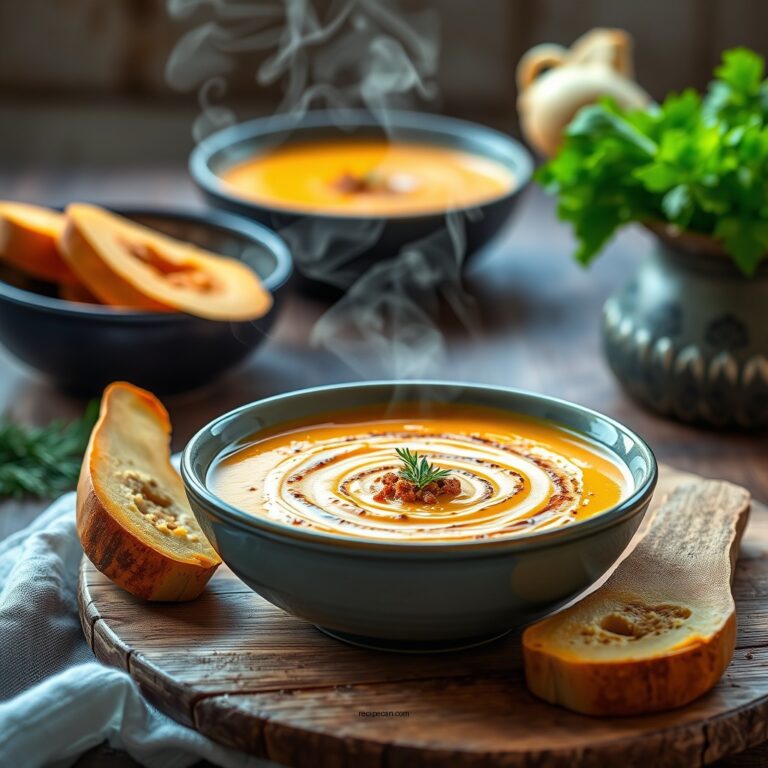
Butternut squash pasta is a delightful and nutritious alternative to traditional pasta, offering a rich flavor and vibrant color. This recipe is not just easy to prepare; it also brings out the natural sweetness of butternut squash, making it a perfect dish for any occasion. Whether you’re looking to impress guests at a dinner party or simply enjoy a comforting meal at home, this butternut squash pasta recipe ticks all the boxes for health and taste.
Ingredients You’ll Need
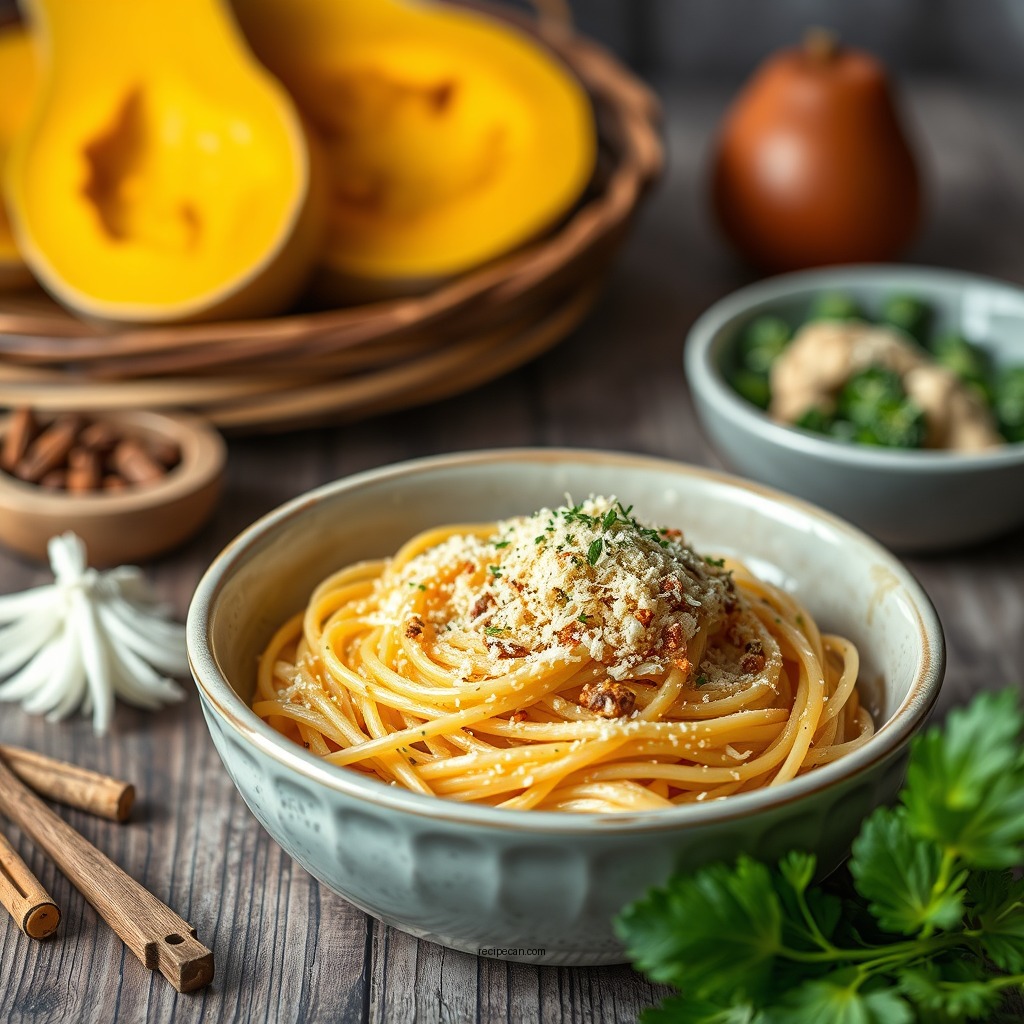
To create a delicious butternut squash pasta dish, you will need the following ingredients:
– Fresh butternut squash: The star of the dish, providing flavor and nutrients. Butternut squash is rich in vitamins A and C, potassium, and fiber. It has a naturally sweet taste that pairs beautifully with various seasonings.
– Pasta of your choice: Gluten-free or whole grain options work well. Choosing whole grain pasta can add additional fiber and nutrients to your meal, while gluten-free pasta caters to those with dietary restrictions.
– Olive oil and seasonings: Essential for enhancing flavor. Key seasonings include garlic, salt, pepper, and herbs such as sage or thyme that complement the squash’s sweetness. Adding a touch of red pepper flakes can also introduce a pleasant heat.
Preparing the Butternut Squash
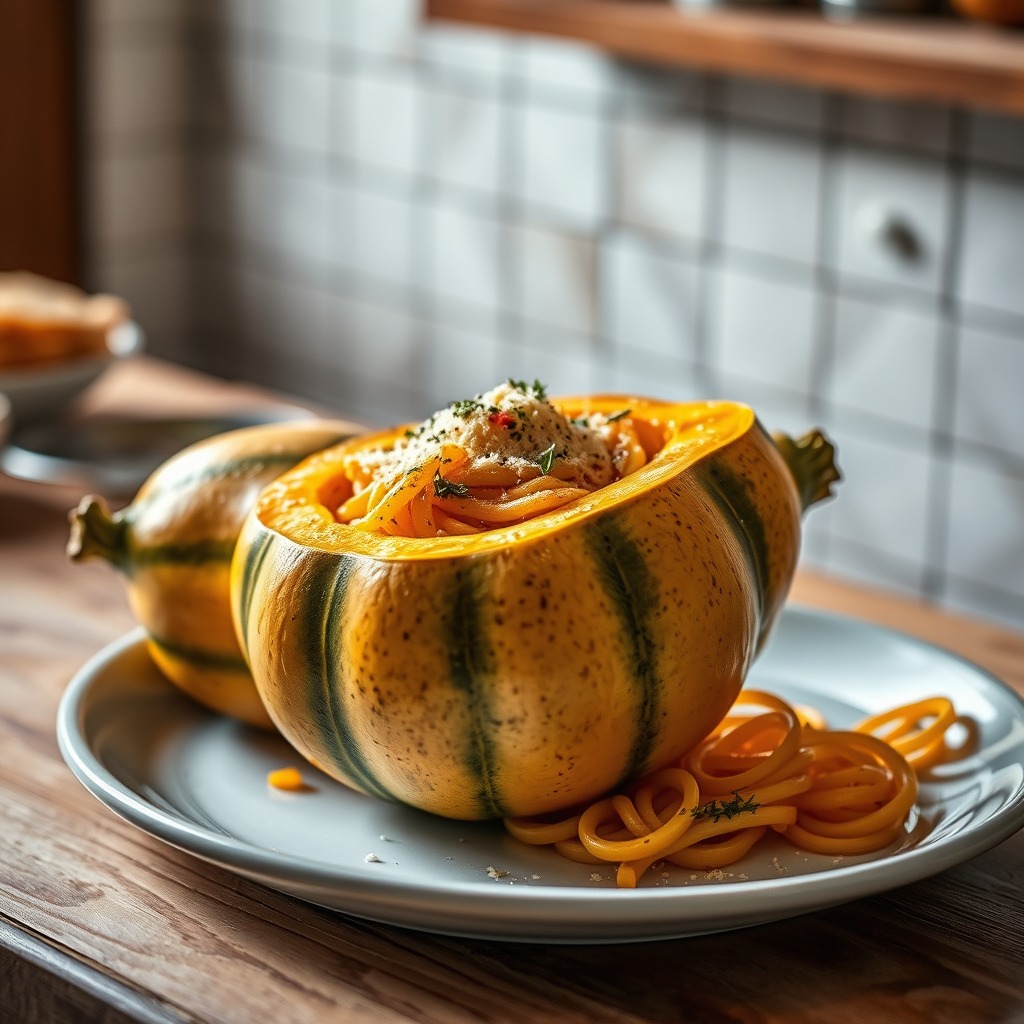
Cutting and Peeling
Handling butternut squash can be daunting due to its hard skin. To prepare it safely:
1. Stabilize: Place the squash upright on a cutting board. This helps avoid slips while cutting.
2. Cut the ends: Slice off both the top and bottom of the squash to create a stable base.
3. Peel carefully: Use a sharp vegetable peeler or a knife to remove the skin. Be cautious and take your time to avoid injuries.
4. Cube: Cut the squash in half lengthwise, scoop out the seeds, and then slice into cubes.
Roasting Techniques
Roasting enhances the natural sweetness of butternut squash. Here’s how to achieve perfectly caramelized pieces:
1. Preheat your oven: Set it to 400°F (200°C).
2. Season generously: Toss the cubed squash with olive oil, salt, pepper, and your choice of herbs. Ensure all pieces are well-coated.
3. Spread evenly: Place the squash on a baking sheet in a single layer, allowing space for each piece to roast evenly.
4. Roast: Bake for 25-30 minutes, stirring halfway through, until tender and golden brown.
Cooking the Pasta
Timing is Key
To ensure your pasta is cooked perfectly and ready to combine with the sauce:
1. Boil water: Bring a large pot of salted water to a rolling boil.
2. Add pasta: Cook according to package instructions, typically 8-12 minutes for standard pasta. If using fresh pasta, it will take significantly less time.
3. Reserve some water: Before draining, save about a cup of the pasta water. This starchy water can help adjust the consistency of your sauce later.
Flavoring the Water
Enhancing the flavor of the pasta water can add an extra layer of taste:
– Add salt: A generous amount of salt is crucial as it is the only opportunity to flavor the pasta.
– Infuse herbs: Consider adding a bay leaf or a sprig of thyme to the water for subtle herbal notes.
Making the Sauce
Blending the Squash
Creating a creamy sauce from the roasted butternut squash is simple:
1. Transfer to a blender: Place the roasted squash in a blender or food processor.
2. Add liquids: Incorporate a splash of vegetable broth or cream to achieve the desired consistency.
3. Season: Blend until smooth, adding salt, pepper, and optional spices like nutmeg or cinnamon for warmth and complexity.
Adding Extras
To elevate your sauce further, consider these add-ins:
– Cheese: Grated Parmesan or a dollop of cream cheese can enhance creaminess and flavor.
– Nuts: Toasted pine nuts or walnuts can add crunch and rich flavor.
– Spices: A hint of cayenne or smoked paprika can introduce depth and richness.
Combining and Serving
Tossing the Pasta and Sauce
To ensure uniform coverage of the sauce:
1. Combine: In a large bowl or pot, add the drained pasta to the butternut squash sauce.
2. Mix thoroughly: Use tongs to gently toss the pasta, ensuring each strand is coated with the sauce. If the mixture appears too thick, add a little reserved pasta water to loosen it.
Garnishing Tips
Presentation can enhance the dining experience:
– Fresh herbs: Sprinkle fresh basil or parsley on top for a pop of color and freshness.
– Cheese: A sprinkle of freshly grated Parmesan or feta can add a savory note.
– Cracked pepper: Finish with a dash of freshly cracked black pepper for added flavor.
Nutritional Comparison of Butternut Squash vs. Traditional Pasta (per 100g)
| # | Nutrient | Butternut Squash | Traditional Pasta |
|---|---|---|---|
| 1 | Calories | 45 | 157 |
| 2 | Carbohydrates | 11g | 31g |
| 3 | Protein | 1g | 5g |
| 4 | Fiber | 2g | 2g |
| 5 | Fat | 0.1g | 1g |
| 6 | Vitamin A | 106% DV | 0% DV |
| 7 | Vitamin C | 37% DV | 0% DV |
Butternut Squash Pasta vs. Traditional Pasta (Health Benefits)
Variations and Add-Ins
To personalize your butternut squash pasta experience, consider these variations:
Protein Options
Incorporating protein can make this dish more filling:
– Chicken: Grilled or sautéed chicken breast can complement the flavors beautifully.
– Shrimp: Sautéed shrimp adds a seafood twist that pairs well with the sweetness of the squash.
– Plant-based proteins: Chickpeas or lentils can add both protein and texture, making this dish more nutritious for vegetarians and vegans.
Seasonal Vegetables
Enhancing your pasta with seasonal vegetables can add variety and nutrients:
– Spinach or kale: Introduce greens for added color and nutrition.
– Roasted Brussels sprouts or asparagus: These can provide a delightful crunch and flavor contrast.
– Mushrooms: Sautéed mushrooms can add umami depth to the dish.
Enjoy this delicious butternut squash pasta that is not only easy to prepare but also packed with flavor and nutrients. This healthy dish is perfect for weeknight dinners or special occasions. Don’t hesitate to experiment with different variations and make it your own, ensuring that each meal is unique and flavorful.
Frequently Asked Questions
What ingredients do I need for a butternut squash pasta recipe?
For a basic butternut squash pasta recipe, you will need fresh butternut squash, pasta of your choice (like fettuccine or penne), garlic, olive oil, vegetable broth, and Parmesan cheese. Additionally, seasonings such as salt, pepper, and sage or thyme can enhance the flavor, making the dish both comforting and delicious.
How do I prepare butternut squash for pasta?
To prepare butternut squash for pasta, start by peeling the squash, removing the seeds, and cutting it into small cubes. You can roast the cubes in the oven with olive oil and seasonings for about 25-30 minutes until tender or cook them in a pot with vegetable broth until softened, which will make them easier to blend into a creamy sauce.
Why is butternut squash pasta a healthy option?
Butternut squash pasta is a healthy option because it incorporates nutrient-rich butternut squash, which is high in vitamins A and C, fiber, and antioxidants. Additionally, it can be made with whole-grain pasta to increase fiber content, making it a wholesome meal that supports digestive health and boosts immunity.
What is the best way to make butternut squash pasta creamy?
To make your butternut squash pasta creamy, blend the cooked squash with vegetable broth, garlic, and a splash of cream or a plant-based alternative until smooth. Adding a bit of Parmesan cheese can also enhance the creaminess, resulting in a rich and flavorful sauce that perfectly coats your pasta.
Which types of pasta pair best with butternut squash sauce?
The best types of pasta to pair with butternut squash sauce are those with a larger surface area that can hold the sauce well, such as fettuccine, penne, or farfalle. These shapes allow the creamy butternut squash sauce to cling to the pasta, ensuring each bite is flavorful and satisfying.
References
- Butternut squash
https://en.wikipedia.org/wiki/Butternut_squash - https://www.ncbi.nlm.nih.gov/pmc/articles/PMC6410881/
https://www.ncbi.nlm.nih.gov/pmc/articles/PMC6410881/ - https://www.ncbi.nlm.nih.gov/pmc/articles/PMC6831863/
https://www.ncbi.nlm.nih.gov/pmc/articles/PMC6831863/ - https://www.bbc.com/food/recipes/butternut_squash_pasta_20259
https://www.bbc.com/food/recipes/butternut_squash_pasta_20259 - NYT Cooking – Recipes and Cooking Guides From The New York Times
https://www.nytimes.com/recipes/1020821/butternut-squash-pasta - https://www.sciencedirect.com/topics/agricultural-and-biological-sciences/butternut-squash
https://www.sciencedirect.com/topics/agricultural-and-biological-sciences/butternut-squash - Female orgasm: No climax with vaginal penetration? – Mayo Clinic
https://www.mayoclinic.org/healthy-lifestyle/nutrition-and-healthy-eating/expert-answers/butternut-squash/faq-20058215 - Google Scholar Google Scholar
https://scholar.google.com/scholar?q=butternut+squash+pasta+recipe - Google Scholar Google Scholar
https://scholar.google.com/scholar?q=butternut+squash+nutritional+benefits - Google Scholar Google Scholar
https://scholar.google.com/scholar?q=butternut+squash+cooking+methods