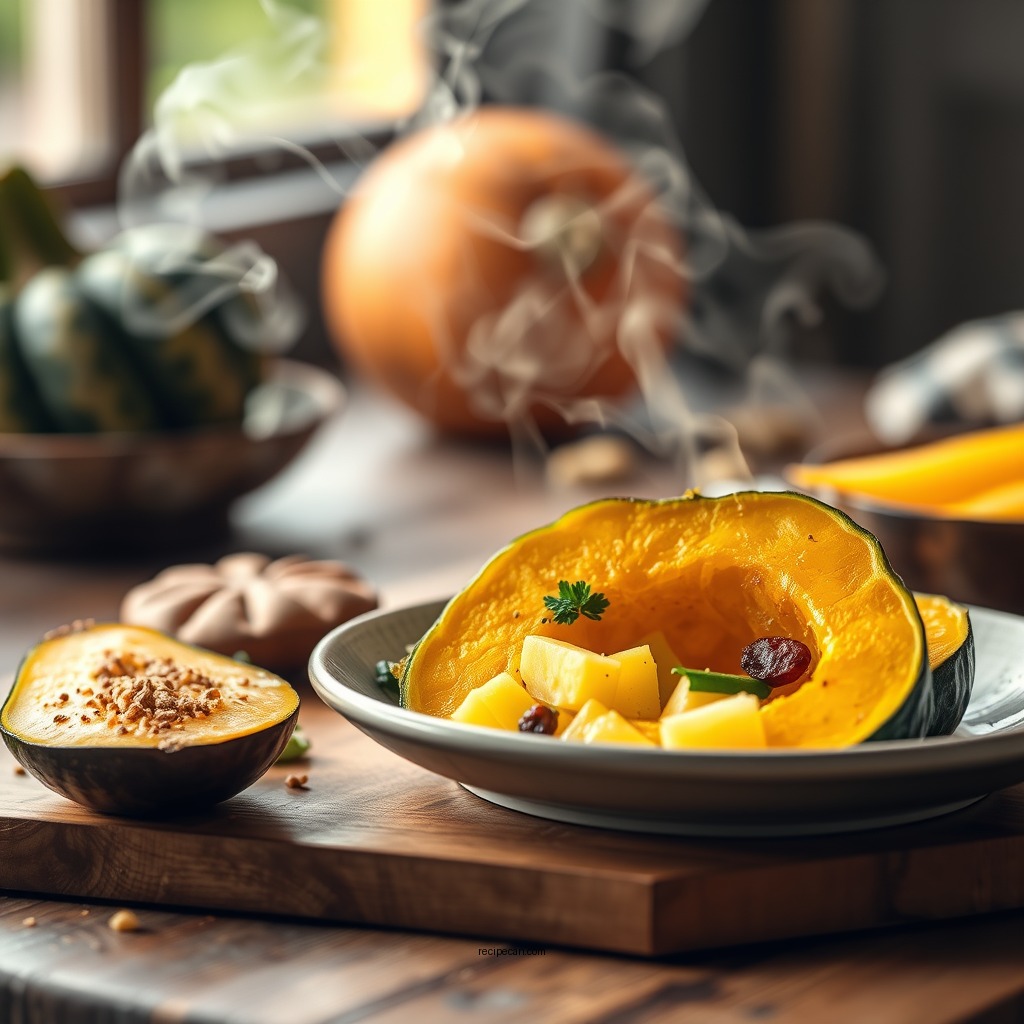
Koginut squash is a versatile ingredient that can elevate your meals with its sweet, nutty flavor and creamy texture. This unique squash is not only delicious but also packed with nutrients, making it a fantastic addition to your culinary repertoire. In this article, you’ll discover a variety of delicious recipes that highlight the unique qualities of koginut squash, making it easy to incorporate into your cooking and delight your taste buds.
Roasted Koginut Squash
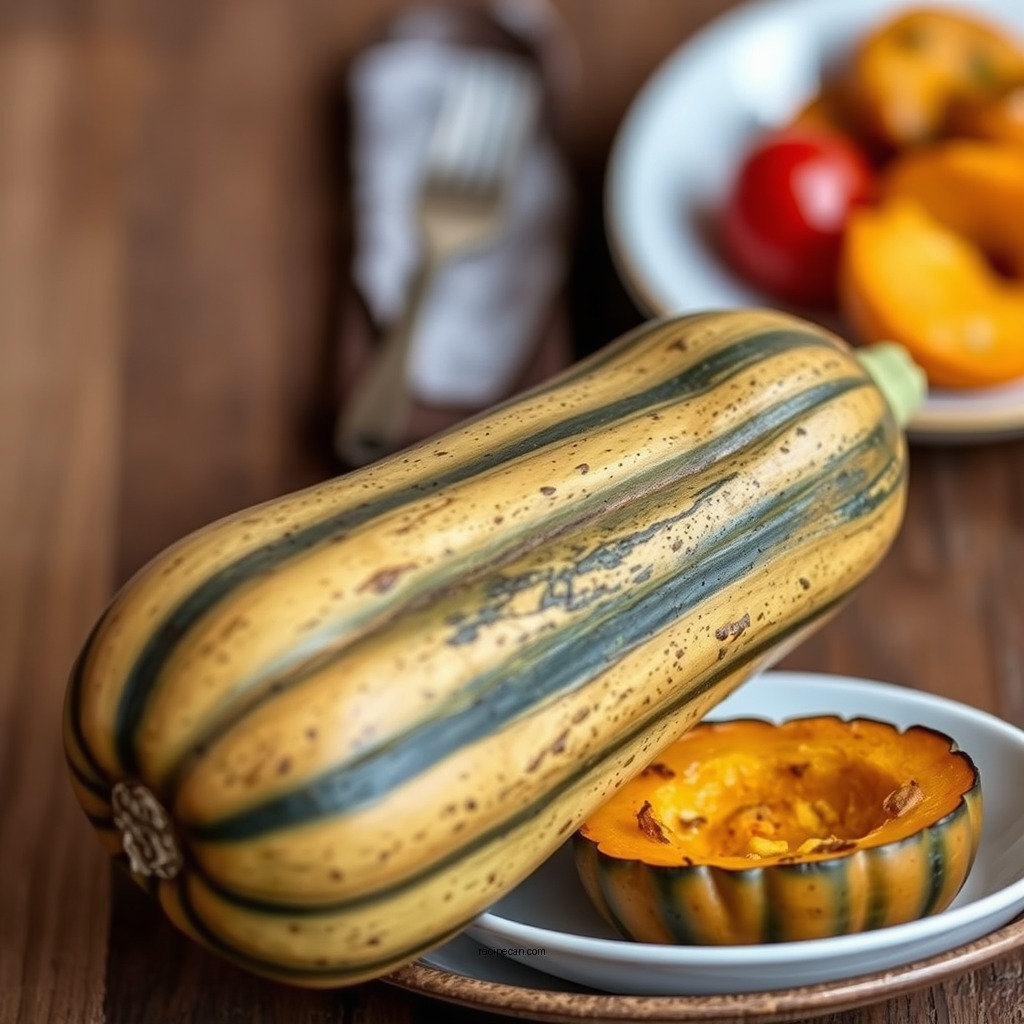
Roasting is one of the simplest and most effective ways to bring out the natural sweetness of koginut squash. Start by cutting the squash in half and removing the seeds. Drizzle the cut sides with high-quality olive oil, and season with salt and pepper to taste. Place the squash halves cut-side down on a baking sheet lined with parchment paper.
Roast the squash in a preheated oven at 400°F for about 30-40 minutes, or until the flesh is tender and caramelized. The high heat caramelizes the sugars in the squash, creating a beautiful golden-brown exterior while keeping the inside creamy. This dish can be served as a side or used as a base for salads and grain bowls.
Koginut Squash Soup

A warm bowl of koginut squash soup is perfect for chilly evenings. Begin by sautéing chopped onions and minced garlic in a pot until they are fragrant and translucent. Then, add peeled and diced koginut squash along with vegetable or chicken broth. Bring the mixture to a gentle simmer and allow it to cook until the squash is fork-tender, usually about 20 minutes.
Once cooked, blend the soup using an immersion blender or a standard blender until smooth. For an extra layer of flavor, season with spices like nutmeg or cayenne pepper. You can also add a splash of cream for richness. Serve hot, garnished with a drizzle of olive oil or a sprinkle of fresh herbs.
Koginut Squash Risotto
Risotto is a classic Italian dish that can be elevated by incorporating koginut squash. Start by toasting arborio rice in butter until it becomes slightly translucent. Gradually add warm vegetable or chicken broth, one ladle at a time, stirring continuously until the rice absorbs the liquid and becomes creamy.
Once the risotto is cooked to your desired consistency, fold in cubes of roasted koginut squash and finish with freshly grated Parmesan cheese for a touch of creaminess. This dish is not only comforting but also visually appealing, making it a perfect centerpiece for dinner parties.
Stuffed Koginut Squash
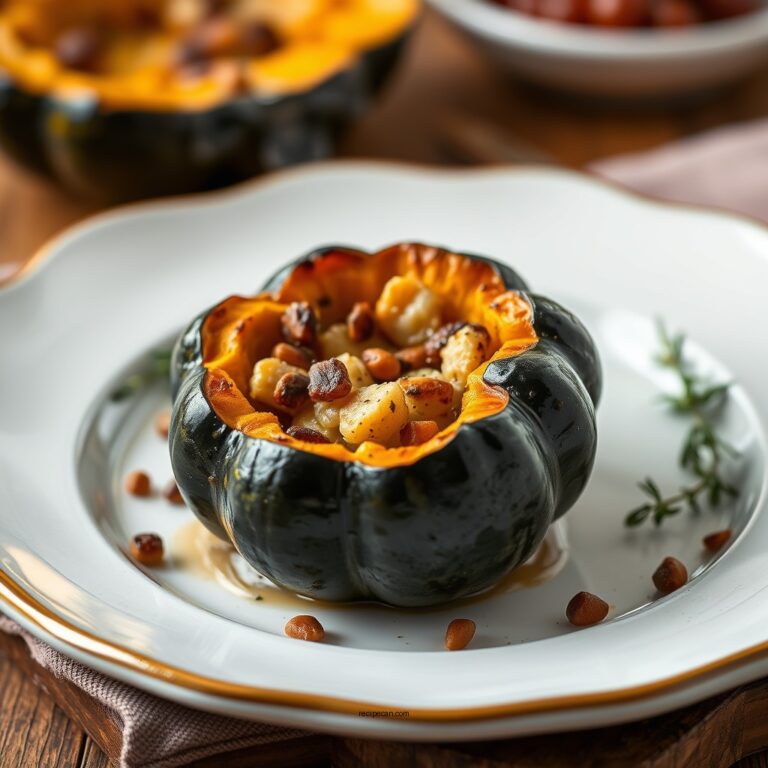
Stuffing koginut squash makes for a beautiful and nutritious main course. Begin by halving the squash and scooping out some of the flesh to create space for the filling. The filling can consist of cooked quinoa, sautéed vegetables, nuts, and spices of your choice.
Once the filling is prepared, spoon it into the hollowed-out squash halves. Place the stuffed squash on a baking sheet and bake in a preheated oven at 375°F for about 30 minutes, or until the squash is tender and the filling is heated through. This dish is not only delicious but also visually striking, making it a great option for holiday gatherings.
Koginut Squash Salad
A koginut squash salad is a refreshing way to enjoy this versatile vegetable. Start by roasting or steaming the squash until tender. Allow it to cool, then slice it into bite-sized pieces.
Combine the squash with mixed greens, such as arugula or spinach, and add toppings like toasted nuts, dried cranberries, and crumbled feta cheese for added flavor and texture. Drizzle with a tangy vinaigrette made from olive oil, balsamic vinegar, and Dijon mustard. This salad can be served as a side dish or as a light main course.
Koginut Squash Pancakes
For a unique breakfast option, consider making koginut squash pancakes. Begin by blending cooked koginut squash with flour, eggs, milk, and your choice of spices, such as cinnamon or nutmeg, to create a smooth batter.
Heat a non-stick skillet over medium heat and pour in the batter to form pancakes of your desired size. Cook until bubbles form on the surface, then flip and cook until golden brown on both sides. These pancakes are delicious served with a dollop of Greek yogurt or a drizzle of maple syrup.
Koginut Squash Dessert
Koginut squash can also be transformed into a delightful dessert. Start by puréeing cooked koginut squash and mixing it with sugar, cinnamon, and nutmeg to create a filling for a pie. Pour the filling into a pre-made pie crust and bake according to the crust’s package instructions, usually around 45 minutes at 350°F.
This sweet filling makes for a delicious twist on traditional pumpkin pie, providing a unique flavor profile that is sure to impress guests at your next gathering.
Nutritional Profile of Koginut Squash (per 100g)
| # | Nutrient | Amount | Daily Value |
|---|---|---|---|
| 1 | Calories | 70 | 3.5% |
| 2 | Carbohydrates | 18g | 6% |
| 3 | Fiber | 3g | 12% |
| 4 | Protein | 2g | 4% |
| 5 | Vitamin A | 820 IU | 16% |
| 6 | Vitamin C | 21mg | 35% |
| 7 | Potassium | 350mg | 10% |
Koginut Squash Preparation Popularity
Using these recipes, you can make the most of koginut squash, bringing its delightful flavor to your table in various forms. Whether you’re roasting, blending, or stuffing, this squash offers endless possibilities for creativity in the kitchen. Experiment with these ideas, and don’t hesitate to get creative with your own variations!
Frequently Asked Questions
What are some easy koginut squash recipes for beginners?
For beginners, simple koginut squash recipes include roasted koginut squash with olive oil and herbs, as well as a creamy koginut squash soup. To roast, slice the squash, toss it with olive oil, salt, and pepper, and bake at 400°F for about 25-30 minutes. For the soup, sauté onions and garlic, add diced koginut squash, vegetable broth, and blend until smooth for a delicious, warming dish.
How can I prepare koginut squash to enhance its flavor?
To enhance the flavor of koginut squash, try caramelizing it by roasting at high temperatures with a drizzle of maple syrup or honey, which brings out its natural sweetness. Additionally, spices like cinnamon, nutmeg, and smoked paprika can elevate the taste profile, making it a versatile ingredient for both savory and sweet dishes.
Why should I include koginut squash in my diet?
Including koginut squash in your diet is beneficial due to its high nutritional value, as it is rich in vitamins A and C, fiber, and antioxidants. These nutrients support immune function, skin health, and digestive health, making koginut squash a healthy choice for balanced meals and a great addition to your veggie repertoire.
What is the best way to store cooked koginut squash?
The best way to store cooked koginut squash is to let it cool completely, then place it in an airtight container in the refrigerator, where it can last for up to 5 days. For longer storage, you can freeze cooked koginut squash by placing it in freezer-safe bags or containers, allowing you to enjoy it in future recipes without losing its flavor and texture.
Which dishes pair well with koginut squash?
Koginut squash pairs well with a variety of dishes, including grains like quinoa and rice, as well as proteins such as chicken, fish, or beans. Its sweet and nutty flavor complements salads, stir-fries, and casseroles beautifully, making it a versatile choice that can enhance both vegetarian and meat-based meals.
References
- https://en.wikipedia.org/wiki/Squash_(plant
https://en.wikipedia.org/wiki/Squash_(plant - https://www.ncbi.nlm.nih.gov/pmc/articles/PMC6322830/
https://www.ncbi.nlm.nih.gov/pmc/articles/PMC6322830/ - https://www.ars.usda.gov/ARSUserFiles/20360500/Vegetable%20Varieties%20for%20Gardeners%20-%20Squash.pdf
https://www.ars.usda.gov/ARSUserFiles/20360500/Vegetable%20Varieties%20for%20Gardeners%20-%20Squash.pdf - https://www.cdc.gov/nutrition/infographic-squash.html
https://www.cdc.gov/nutrition/infographic-squash.html - https://www.health.harvard.edu/staying-healthy/the-health-benefits-of-squash
https://www.health.harvard.edu/staying-healthy/the-health-benefits-of-squash - https://www.ncbi.nlm.nih.gov/pmc/articles/PMC5412767/
https://www.ncbi.nlm.nih.gov/pmc/articles/PMC5412767/ - Google Scholar Google Scholar
https://scholar.google.com/scholar?q=koginut+squash+recipes - Google Scholar Google Scholar
https://scholar.google.com/scholar?q=recipes+for+koginut+squash - Google Scholar Google Scholar
https://scholar.google.com/scholar?q=nutritional+benefits+of+squash - https://www.sciencedirect.com/topics/food-science/squash
https://www.sciencedirect.com/topics/food-science/squash