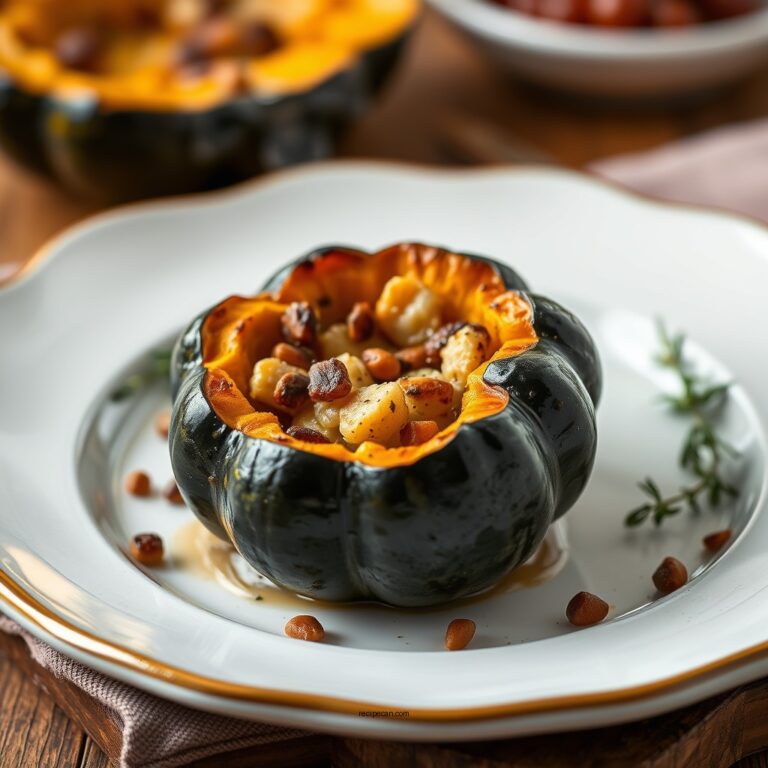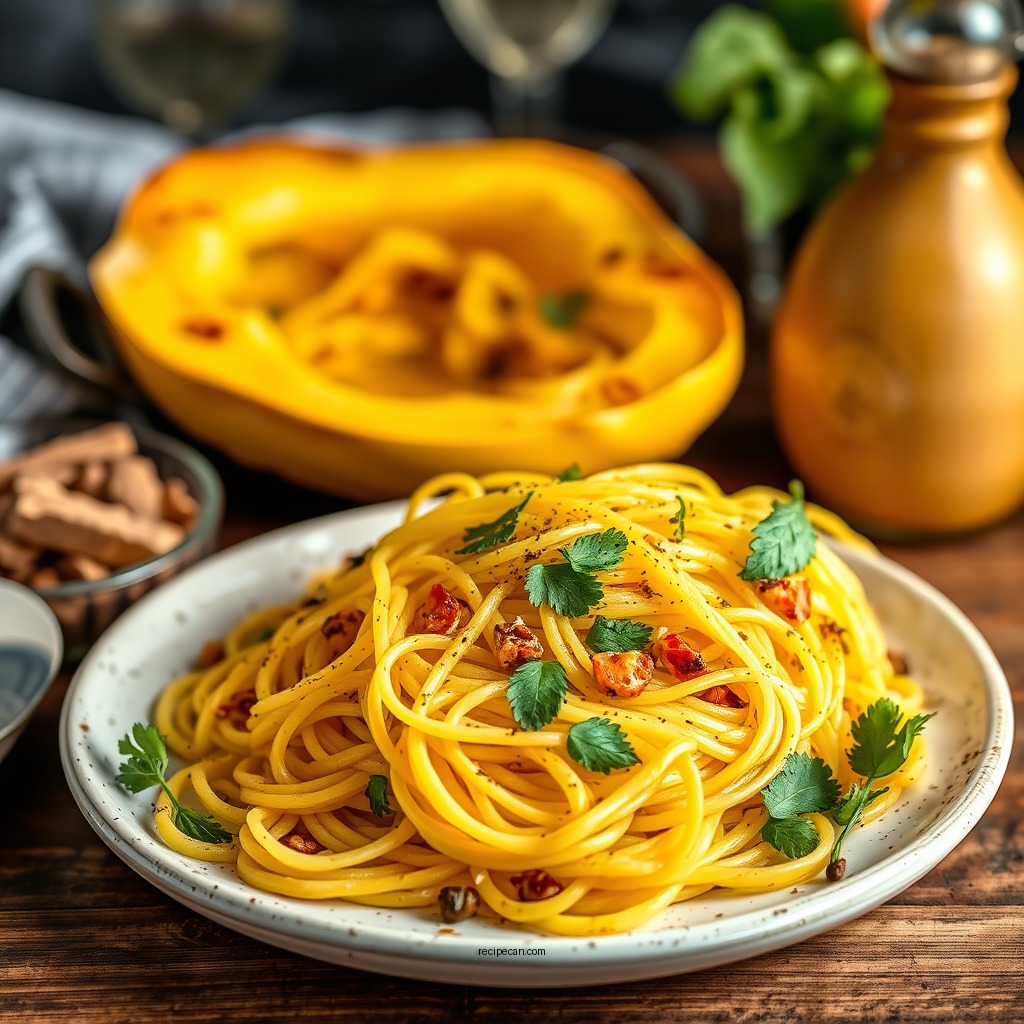
Spaghetti squash is an incredibly versatile, low-carb vegetable that provides a nutritious alternative to traditional pasta. When cooked, its flesh separates into strands that resemble spaghetti, making it a perfect base for a variety of dishes. In this article, you will discover various recipes and cooking methods for spaghetti squash, making it easy to incorporate this healthy ingredient into your diet.
Understanding Spaghetti Squash
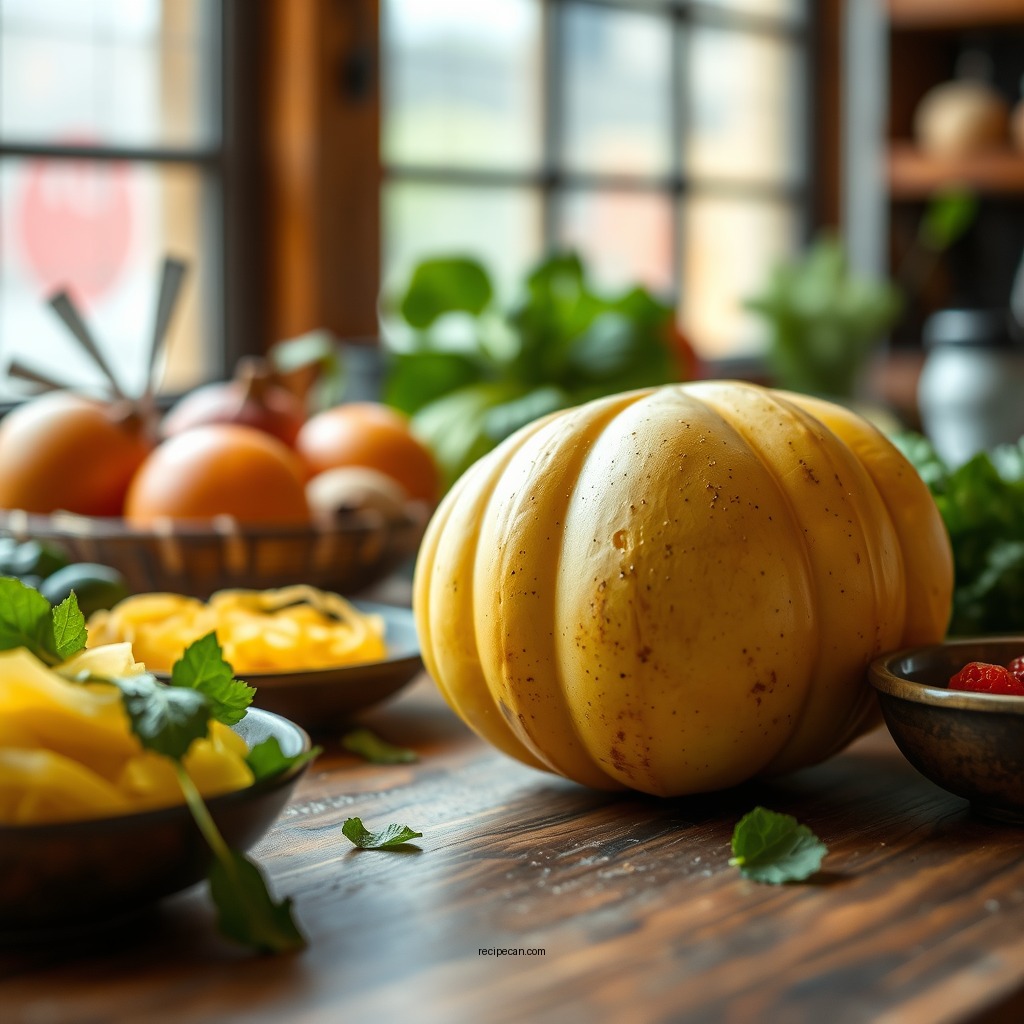
Spaghetti squash belongs to the Cucurbita pepo species, commonly categorized as a winter squash. Its oval shape, yellow to orange skin, and fibrous flesh make it unique among squashes. When cooked, the flesh transforms into thin strands that mimic the texture of spaghetti noodles, which is why it has garnered popularity among health-conscious eaters and those following low-carb diets.
Nutritionally, spaghetti squash is low in calories—approximately 42 calories per cup—and is high in vitamins A and C, potassium, and fiber. This combination of nutrients can help support immunity, promote digestive health, and maintain a healthy weight. Furthermore, spaghetti squash is gluten-free, making it an excellent option for those with gluten sensitivity or celiac disease.
How to Prepare Spaghetti Squash
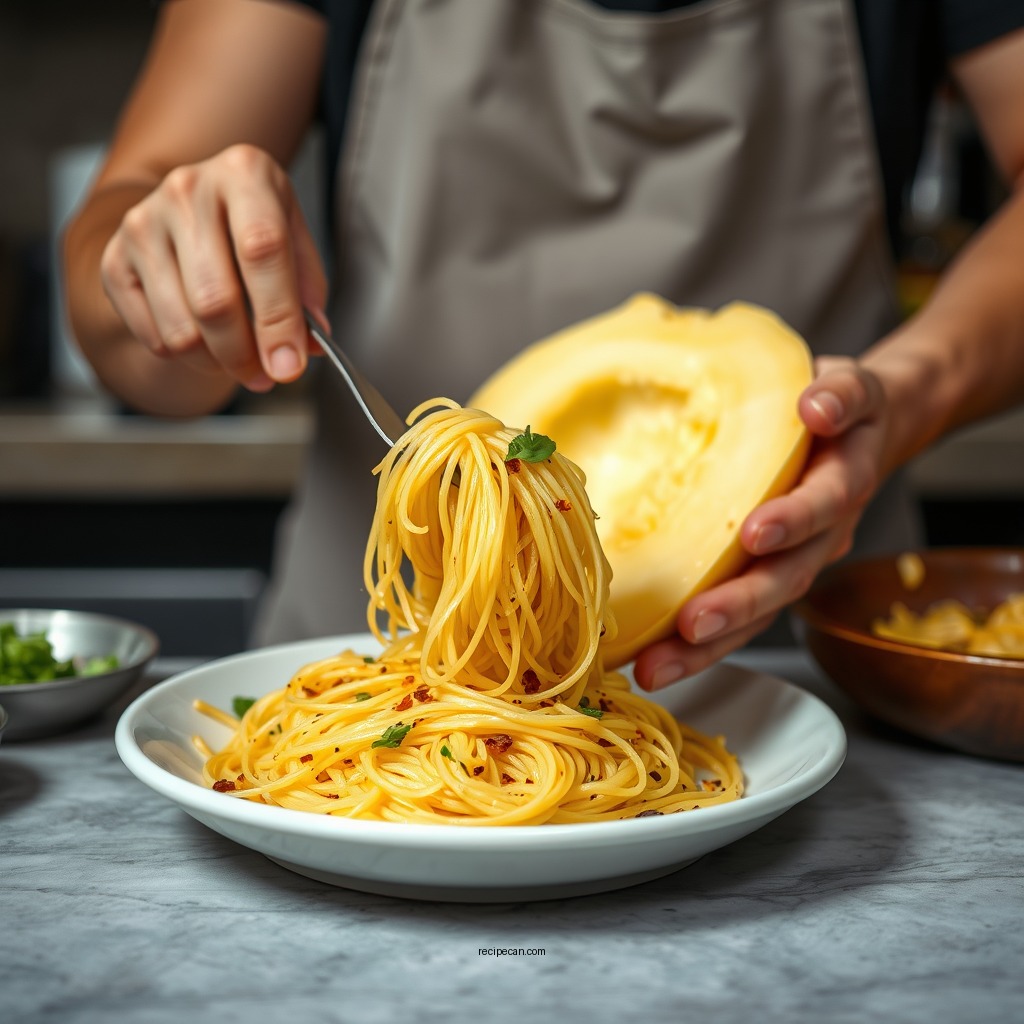
To prepare spaghetti squash, it is essential to select a ripe specimen. Look for a squash with firm skin, a uniform color (preferably a deep yellow or golden hue), and a weight that feels substantial for its size. Avoid squashes with soft spots, blemishes, or a dull appearance, as these may indicate overripeness or spoilage.
Once you have your spaghetti squash, here’s how to prepare it:
1. Cutting: Use a sharp knife to slice the squash in half lengthwise. This can require some strength, so be cautious and consider using a towel for grip.
2. Seeding: Scoop out the seeds and stringy insides using a spoon. The seeds can be rinsed and roasted for a crunchy snack.
3. Cooking: You can choose from several cooking methods—roasting, microwaving, or boiling—to bring out the best flavors. Each method will yield a slightly different texture, so feel free to experiment.
Cooking Methods for Spaghetti Squash
There are several effective cooking methods for spaghetti squash:
– Roasting: This technique enhances the natural sweetness and brings out a caramelized flavor. Preheat your oven to 400°F (200°C) and place the halved squash cut-side down on a baking sheet. Roast for 30-45 minutes, depending on the size of the squash. You’ll know it’s done when you can easily pierce the skin with a fork.
– Microwaving: For a quicker option, microwaving is an excellent alternative. Place the squash halves in a microwave-safe dish with a little water and cover with plastic wrap. Microwave on high for about 10-15 minutes. Check for doneness by poking the flesh with a fork; it should easily shred into strands.
– Boiling: Although not the most popular method, boiling can be used when time is of the essence. Cut the squash into quarters and place it in boiling water for about 15-20 minutes, or until tender. Drain and let cool before shredding.
Nutritional Comparison of Spaghetti Squash (per 1 cup cooked)
| # | Nutrient | Amount | % Daily Value |
|---|---|---|---|
| 1 | Calories | 42 | 2% |
| 2 | Carbohydrates | 10g | 3% |
| 3 | Fiber | 2g | 8% |
| 4 | Protein | 1g | 2% |
| 5 | Vitamin A | 1048 IU | 21% |
| 6 | Vitamin C | 5mg | 8% |
| 7 | Potassium | 181mg | 5% |
Delicious Spaghetti Squash Recipes
Once you have prepared your spaghetti squash, the possibilities for delicious meals are endless. Here are two popular recipes that showcase its versatility:
– Spaghetti Squash with Marinara: This classic dish is simple yet flavorful. After roasting your spaghetti squash, use a fork to shred the flesh into strands. In a saucepan, heat marinara sauce until warm, then pour it over the squash. Finish with a sprinkle of shredded mozzarella or Parmesan cheese for an authentic Italian touch.
– Pesto Spaghetti Squash: For a fresh twist, combine cooked spaghetti squash with basil pesto, halved cherry tomatoes, and toasted pine nuts. This dish is not only vibrant in color but also rich in flavor and nutrients. Serve it warm as a side dish or as a light main course.
Tips for Serving Spaghetti Squash
To elevate your spaghetti squash dishes, consider the following serving tips:
– Pair with Protein: Enhance the nutritional value of your meal by adding a source of protein. Grilled chicken, sautéed shrimp, or even chickpeas can complement the squash beautifully, providing a balanced meal.
– Use as a Base: Spaghetti squash can serve as a fantastic substitute for traditional pasta in many dishes. Try using it as a base for casseroles, stir-fries, or even as a filling for stuffed peppers. Its mild flavor allows it to take on the taste of various sauces and seasonings.
Storing Leftover Spaghetti Squash
If you find yourself with leftover spaghetti squash, proper storage can help maintain its quality:
– Refrigeration: Store cooked spaghetti squash in an airtight container in the refrigerator for up to five days. It can be easily reheated in the microwave or on the stovetop.
– Freezing: For longer storage, you can freeze portions of cooked spaghetti squash. Ensure it is well-sealed in freezer-safe containers or bags to prevent freezer burn. When you’re ready to use it, simply thaw it in the refrigerator overnight and reheat as necessary.
Cooking Methods for Spaghetti Squash (Time Comparison)
Incorporating spaghetti squash into your meals is an easy way to enjoy a healthy, satisfying dish. Whether you’re trying a new recipe or experimenting with cooking methods, this adaptable vegetable can elevate your culinary creations. Try these recipes and tips today for a delicious addition to your dinner table!
Frequently Asked Questions
What is spaghetti squash and how do you cook it?
Spaghetti squash is a type of winter squash that, when cooked, has a stringy texture resembling spaghetti. To cook it, you can roast, steam, or microwave it. The most popular method involves cutting the squash in half, removing the seeds, drizzling it with olive oil, and baking it cut side down at 400°F for about 40 minutes until tender.
How can I prepare spaghetti squash for a low-carb meal?
To prepare spaghetti squash for a low-carb meal, simply roast it until tender, then scrape out the flesh with a fork to create noodle-like strands. You can toss the strands with your favorite low-carb sauces, such as marinara or pesto, and add vegetables or protein for a complete dish. This makes spaghetti squash an excellent alternative to traditional pasta.
Why is spaghetti squash considered a healthy alternative to pasta?
Spaghetti squash is considered a healthy alternative to pasta because it is low in calories and carbohydrates while being high in vitamins and fiber. It offers a good source of nutrients like vitamin C, potassium, and antioxidants, making it a nutritious choice for those looking to reduce their carb intake or increase their vegetable consumption.
What are the best recipes to try with spaghetti squash?
Some of the best recipes to try with spaghetti squash include spaghetti squash with marinara sauce, creamy garlic Alfredo, and a veggie stir-fry. You can also use it in casseroles or as a base for baked dishes, adding proteins like chicken or shrimp for a hearty meal. These recipes not only showcase the versatility of spaghetti squash but also enhance its flavor and texture.
Which spices and seasonings pair well with spaghetti squash?
Spaghetti squash pairs well with a variety of spices and seasonings, including garlic, Italian herbs, chili flakes, and Parmesan cheese. For a Mediterranean twist, try adding olive oil, lemon, and fresh basil. Experimenting with different seasonings can elevate the dish and complement the natural flavors of the squash, making your meals more enjoyable.
References
- Spaghetti squash
https://en.wikipedia.org/wiki/Spaghetti_squash - https://www.mayoclinic.org/healthy-lifestyle/nutrition-and-healthy-eating/in-depth/spaghetti-squash/art-20046304
https://www.mayoclinic.org/healthy-lifestyle/nutrition-and-healthy-eating/in-depth/spaghetti-squash/art-20046304 - https://www.ncbi.nlm.nih.gov/pmc/articles/PMC6323426/
https://www.ncbi.nlm.nih.gov/pmc/articles/PMC6323426/ - Spaghetti Squash Nutrition Facts: Calories, Carbs, and Uses
https://www.healthline.com/nutrition/spaghetti-squash - https://www.verywellfit.com/what-is-spaghetti-squash-4164863
https://www.verywellfit.com/what-is-spaghetti-squash-4164863 - https://www.sciencedirect.com/topics/agricultural-and-biological-sciences/spaghetti-squash
https://www.sciencedirect.com/topics/agricultural-and-biological-sciences/spaghetti-squash - Google Scholar Google Scholar
https://scholar.google.com/scholar?q=spaghetti+squash+nutrition - Google Scholar Google Scholar
https://scholar.google.com/scholar?q=spaghetti+squash+recipes - Google Scholar Google Scholar
https://scholar.google.com/scholar?q=spaghetti+squash+dishes - Google Scholar Google Scholar
https://scholar.google.com/scholar?q=spaghetti+squash+and+recipe