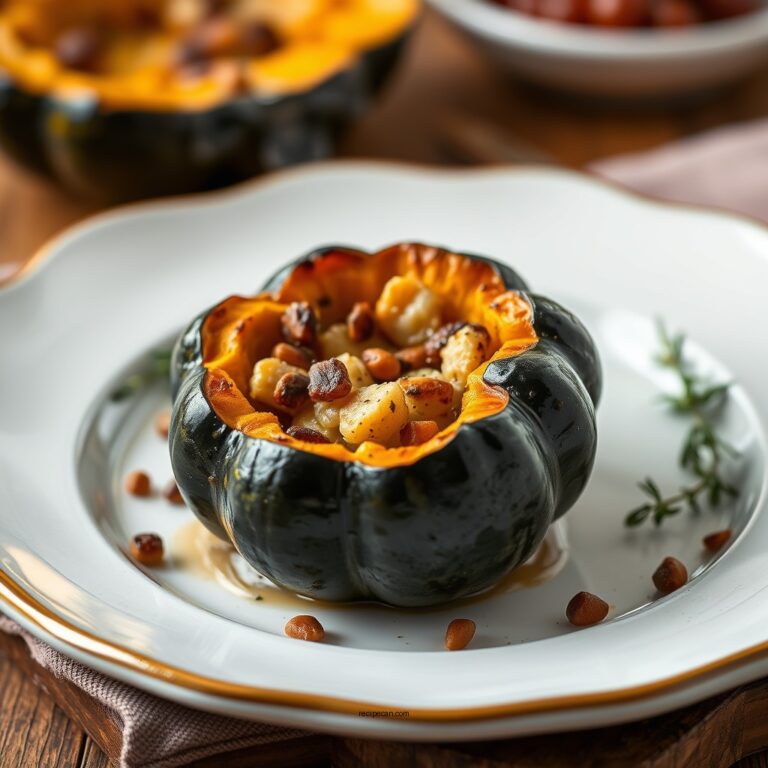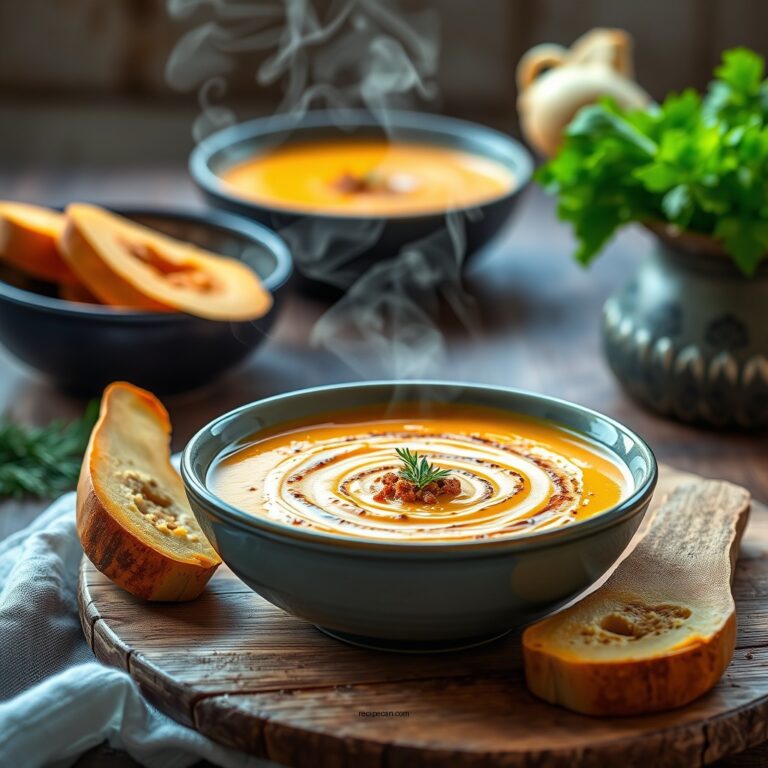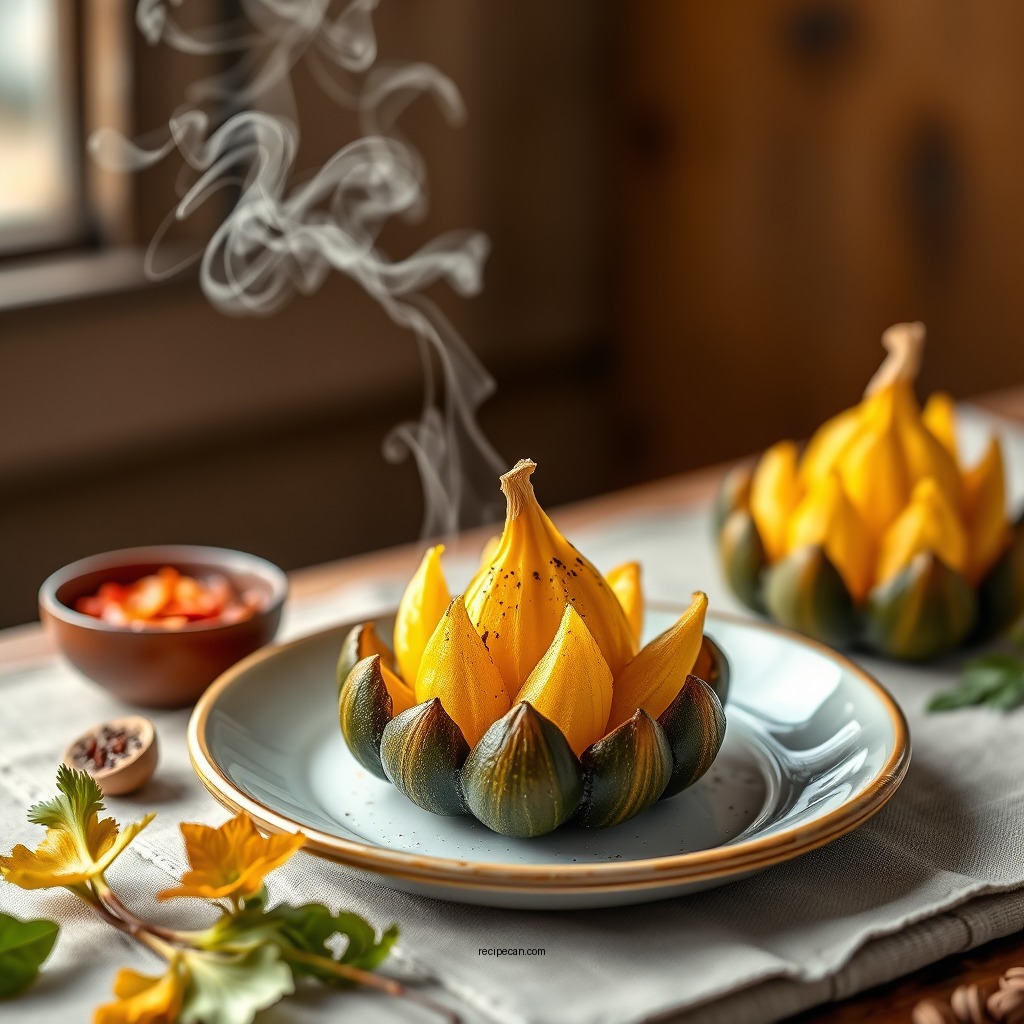
Squash blossoms are a delicate and delectable ingredient that can elevate your summer dining experience. By preparing a simple yet flavorful squash blossom recipe, you can create a unique dish that showcases the essence of the season. This article will guide you through the process of preparing squash blossoms, offering tips and techniques for a delightful meal perfect for summer gatherings or a light dinner at home.
Understanding Squash Blossoms
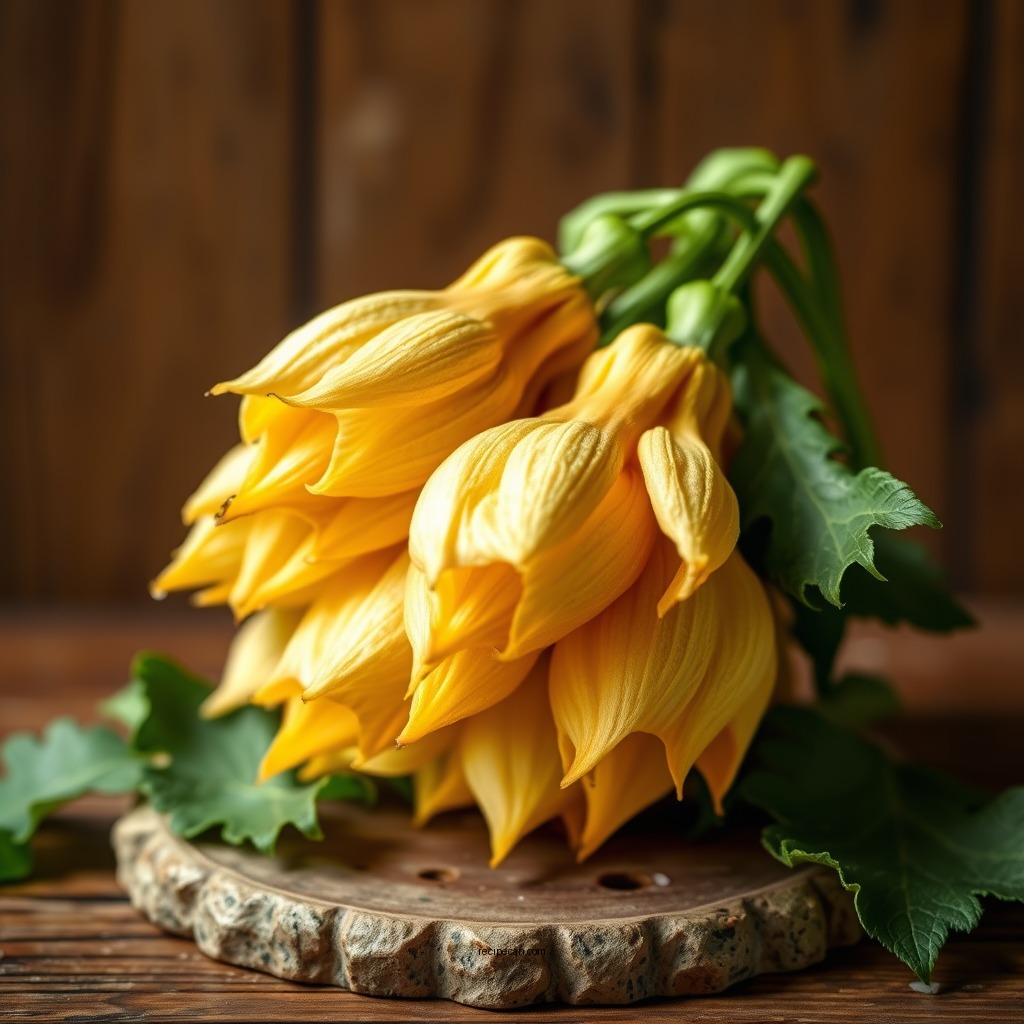
Squash blossoms, the vibrant flowers of the squash plant, are typically harvested in late spring to early summer. Known for their mild and slightly sweet flavor, these edible flowers can be incorporated into various dishes, ranging from appetizers to main courses. They are not only visually appealing but also packed with nutrients, making them an excellent choice for health-conscious food enthusiasts.
These blossoms are best enjoyed fresh, as their flavor diminishes when stored for extended periods. They are commonly used in Italian cuisine but have gained popularity in many culinary traditions around the world. Their delicate texture and subtle taste make them an ideal pairing for rich cheeses, fresh herbs, and light sauces.
Ingredients You’ll Need
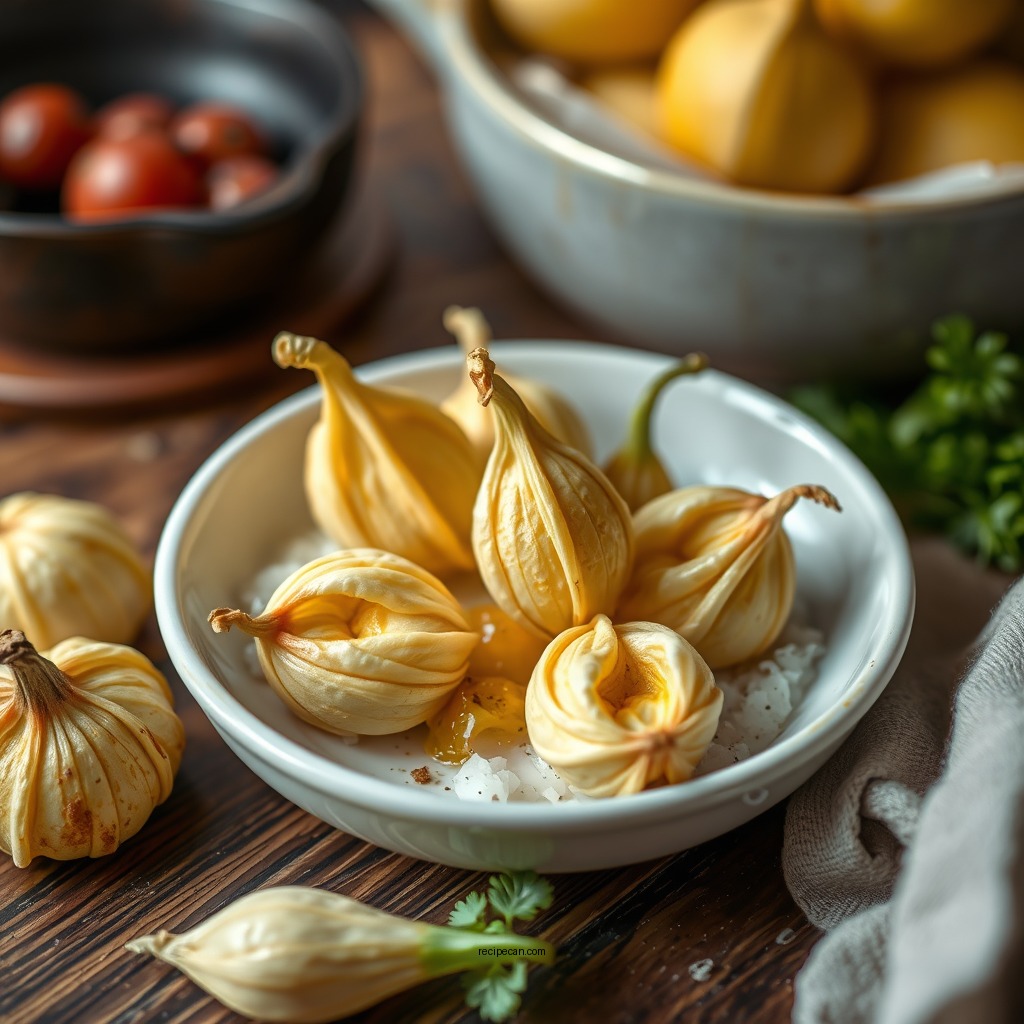
To create a delicious squash blossom dish, you’ll need the following ingredients:
– Fresh Squash Blossoms: Aim to harvest or purchase these early in the morning when they are at their freshest and most vibrant.
– Basic Ingredients:
– Olive oil: for sautéing and drizzling.
– Fresh garlic: minced or sliced for flavoring.
– Cheese: such as ricotta, goat cheese, or mozzarella for stuffing.
– Optional Ingredients:
– Fresh herbs: basil, parsley, or thyme to enhance flavor.
– Vegetables: such as zucchini or bell peppers for added texture.
– Spices: a pinch of salt, pepper, or red pepper flakes for seasoning.
These components will not only complement the squash blossoms but also contribute to a well-rounded dish.
Preparing the Squash Blossoms
Preparation is key to ensuring that your squash blossoms maintain their integrity and flavor. Follow these steps for optimal results:
1. Gently Rinse: Carefully rinse the blossoms under cool water to remove any dirt or insects that may be hiding within the petals. Be gentle to avoid tearing the delicate flowers.
2. Remove Stamens: Inside each blossom, you will find a stamen. While not harmful, it can impart a slightly bitter taste. To avoid this, carefully remove the stamens using your fingers or a pair of kitchen scissors.
3. Pat Dry: After rinsing, gently pat the blossoms dry with a paper towel. This will help prevent excess moisture during cooking, ensuring a better texture.
By taking these steps, you’ll ensure that your squash blossoms are clean and ready for cooking.
Nutritional Value of Squash Blossoms (per 100g)
| # | Nutrient | Amount | % Daily Value |
|---|---|---|---|
| 1 | Calories | 20 | 1% |
| 2 | Protein | 2g | 4% |
| 3 | Carbohydrates | 4g | 1% |
| 4 | Fat | 0.3g | 0% |
| 5 | Vitamin A | 1,500 IU | 30% |
| 6 | Calcium | 18mg | 2% |
| 7 | Iron | 0.5mg | 3% |
Cooking Methods for Squash Blossoms
There are several delightful cooking methods to consider when preparing squash blossoms, each showcasing their unique flavor and texture:
1. Stuffed and Baked: One popular method involves stuffing the blossoms with a mixture of cheese, herbs, and spices. After gently filling each blossom, place them in a baking dish, drizzle with olive oil, and bake at 375°F (190°C) until the cheese is melted and the blossoms are tender, typically around 15-20 minutes. This method creates a rich, savory dish perfect for serving as an appetizer or side.
2. Lightly Battered and Fried: For a crispy treat, consider lightly battering the blossoms and frying them. Dip each blossom in a simple batter made from flour, water, and a pinch of salt. Heat oil in a frying pan until hot, then carefully add the battered blossoms, frying until golden brown. Serve immediately for a crunchy, flavorful snack that pairs beautifully with a squeeze of lemon.
3. Sautéed: Quickly sautéed squash blossoms in olive oil with garlic and herbs make for a simple yet elegant side dish. Cook for just a few minutes until they wilt and become tender. This method allows the natural flavors of the blossoms to shine through, making it an excellent addition to any meal.
Cooking Methods for Squash Blossoms
Flavor Pairings and Serving Suggestions
To truly enjoy the flavor of squash blossoms, consider pairing them with fresh ingredients and light dishes. Here are some suggestions:
– Fresh Salads: Incorporate sautéed or raw squash blossoms into a mixed green salad with a light vinaigrette. The blossoms add a pop of color and a delicate flavor that complements the greens.
– Light Pasta Dishes: Toss sautéed squash blossoms with pasta, olive oil, and fresh herbs for a refreshing dish. Add a sprinkle of parmesan or feta cheese to enhance the flavor.
– Grilled Vegetables: Serve squash blossoms alongside grilled vegetables like zucchini, bell peppers, or asparagus. The combination of flavors will create a delightful summer plate.
– Lemon and Balsamic Glaze: A squeeze of fresh lemon or a drizzle of balsamic glaze can elevate the dish, adding brightness and acidity that balances the mild sweetness of the blossoms.
Tips for the Best Squash Blossom Dish
To ensure your squash blossom dish turns out perfectly, consider these helpful tips:
– Use Fresh Flowers: Opt for squash blossoms that are freshly harvested within a day or two. Look for bright, vibrant flowers without any signs of wilting or browning.
– Experiment with Fillings: While cheese is a classic choice, feel free to experiment with various fillings. Consider adding sautéed mushrooms, herbs, or even a touch of lemon zest for added flavor.
– Adjust Cooking Times: Depending on the size of the blossoms and the cooking method chosen, be mindful of cooking times to avoid overcooking. The blossoms should be tender yet retain some structure.
– Presentation Matters: When serving, arrange the blossoms artfully on the plate, garnished with fresh herbs or a sprinkle of grated cheese for an appealing presentation.
By incorporating these tips, you can create a standout dish that highlights the beauty and flavor of squash blossoms.
The versatility of squash blossoms makes them a delightful addition to your culinary repertoire. Whether you choose to stuff, fry, or bake them, the result will be a beautiful and tasty dish that showcases the essence of summer. Embrace the seasonal flavors, experiment with different cooking methods, and share your delicious creations with friends and family. Enjoy this seasonal delight and savor the experience of cooking with squash blossoms!
Frequently Asked Questions
What ingredients do I need for a traditional squash blossom recipe?
To make a traditional squash blossom recipe, you will need fresh squash blossoms, ricotta cheese, eggs, flour, parmesan cheese, and herbs like basil or parsley. These ingredients combine to create a flavorful filling that complements the delicate blossoms, making for a delightful dish.
How do I prepare squash blossoms for cooking?
To prepare squash blossoms for cooking, gently rinse them under cold water to remove any dirt or insects. Carefully remove the stamens from inside the blossoms, as they can be bitter, and pat the flowers dry with a towel before using them in your recipe.
Why are stuffed squash blossoms considered a gourmet dish?
Stuffed squash blossoms are considered a gourmet dish due to their delicate flavor and the skill involved in preparing them. The blossoms are seasonal and require careful handling, making them a sought-after ingredient in fine dining and culinary circles, often stuffed with luxurious fillings like cheese or herbs.
What is the best cooking method for squash blossoms?
The best cooking method for squash blossoms is to lightly batter and fry them, as this preserves their delicate texture while adding a crispy exterior. Alternatively, you can also roast or sauté them to enhance their natural flavor without overwhelming their softness.
Which type of cheese pairs best with squash blossoms in a recipe?
Ricotta cheese is often considered the best pairing for squash blossoms because its creamy texture and mild flavor complement the blossoms without overpowering them. You can also mix in parmesan or goat cheese for a richer taste, enhancing the overall flavor profile of your dish.
References
- https://en.wikipedia.org/wiki/Squash_blossom
https://en.wikipedia.org/wiki/Squash_blossom - https://www.ncbi.nlm.nih.gov/pmc/articles/PMC3711841/
https://www.ncbi.nlm.nih.gov/pmc/articles/PMC3711841/ - https://www.foodnetwork.com/recipes/articles/50-squash-blossom-recipes
https://www.foodnetwork.com/recipes/articles/50-squash-blossom-recipes - https://www.sciencedirect.com/topics/agricultural-and-biological-sciences/squash-blossom
https://www.sciencedirect.com/topics/agricultural-and-biological-sciences/squash-blossom - https://www.mayoclinic.org/healthy-lifestyle/nutrition-and-healthy-eating/in-depth/squash-blossoms/art-20471011
https://www.mayoclinic.org/healthy-lifestyle/nutrition-and-healthy-eating/in-depth/squash-blossoms/art-20471011 - Google Scholar Google Scholar
https://scholar.google.com/scholar?q=squash+blossom+recipe - Google Scholar Google Scholar
https://scholar.google.com/scholar?q=squash+blossoms+nutrition - Google Scholar Google Scholar
https://scholar.google.com/scholar?q=squash+blossoms+cooking+methods - https://en.wikipedia.org/wiki/Special:Search?search=squash+blossom+recipe
https://en.wikipedia.org/wiki/Special:Search?search=squash+blossom+recipe - https://www.ncbi.nlm.nih.gov/search/research-articles/?term=squash+blossom+recipe
https://www.ncbi.nlm.nih.gov/search/research-articles/?term=squash+blossom+recipe