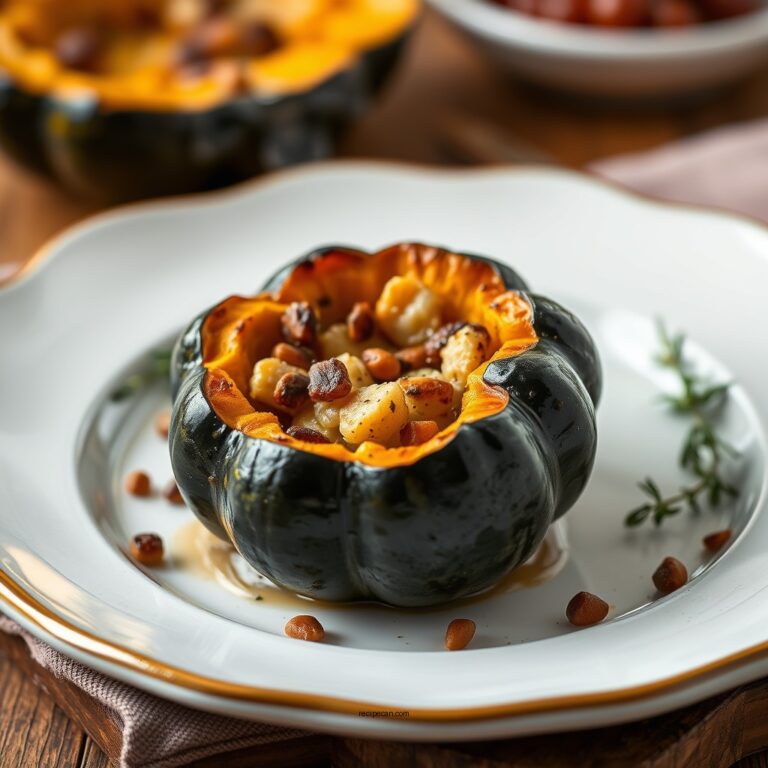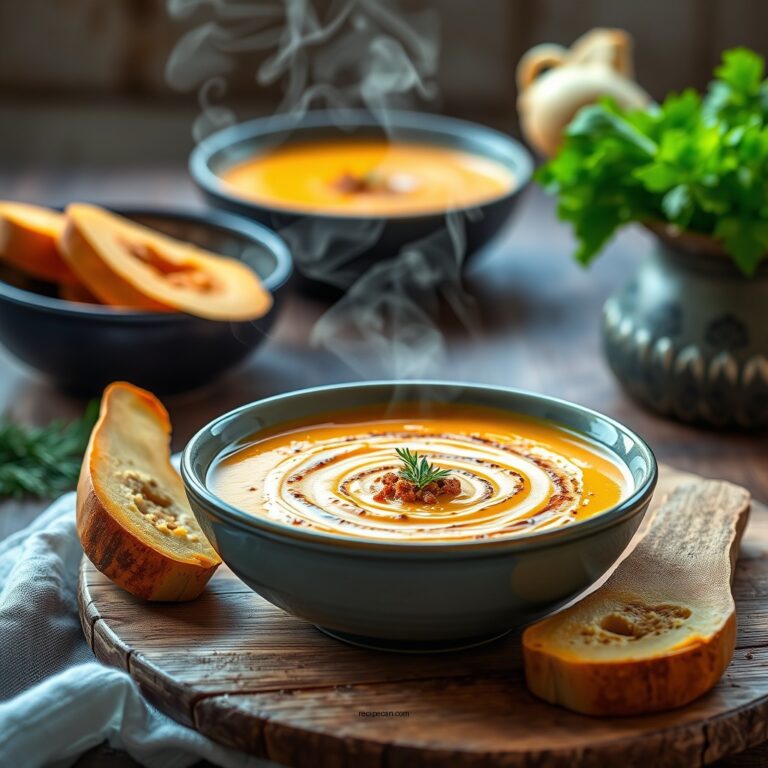
Fried squash is a delightful dish that can be prepared easily at home, serving as a perfect side or snack. This recipe highlights the natural sweetness and flavor of squash, particularly yellow squash and zucchini, allowing you to create a crispy, golden treat in just a few simple steps. In this article, we will delve into the essential ingredients, preparation methods, cooking techniques, and tips for making the best fried squash, ensuring your dish is both flavorful and visually appealing.
Essential Ingredients for Fried Squash

The foundation of any great fried squash dish begins with selecting the right ingredients. Freshness is key, and the best varieties of squash for frying are yellow squash and zucchini. Both types provide a mild flavor that pairs well with various seasonings and coatings.
When it comes to coating, cornmeal and flour are the most popular choices. Cornmeal adds a unique texture and slightly sweet flavor, while flour gives a more traditional fried finish. You can also experiment with a mixture of both for added crunch.
Seasonings play a critical role in enhancing the flavor of your fried squash. Basic seasonings such as salt and pepper are essential, but don’t hesitate to add optional spices like garlic powder, paprika, or cayenne pepper to elevate the taste profile. These additions can provide a delightful kick and transform your dish from simple to sensational.
Preparing the Squash
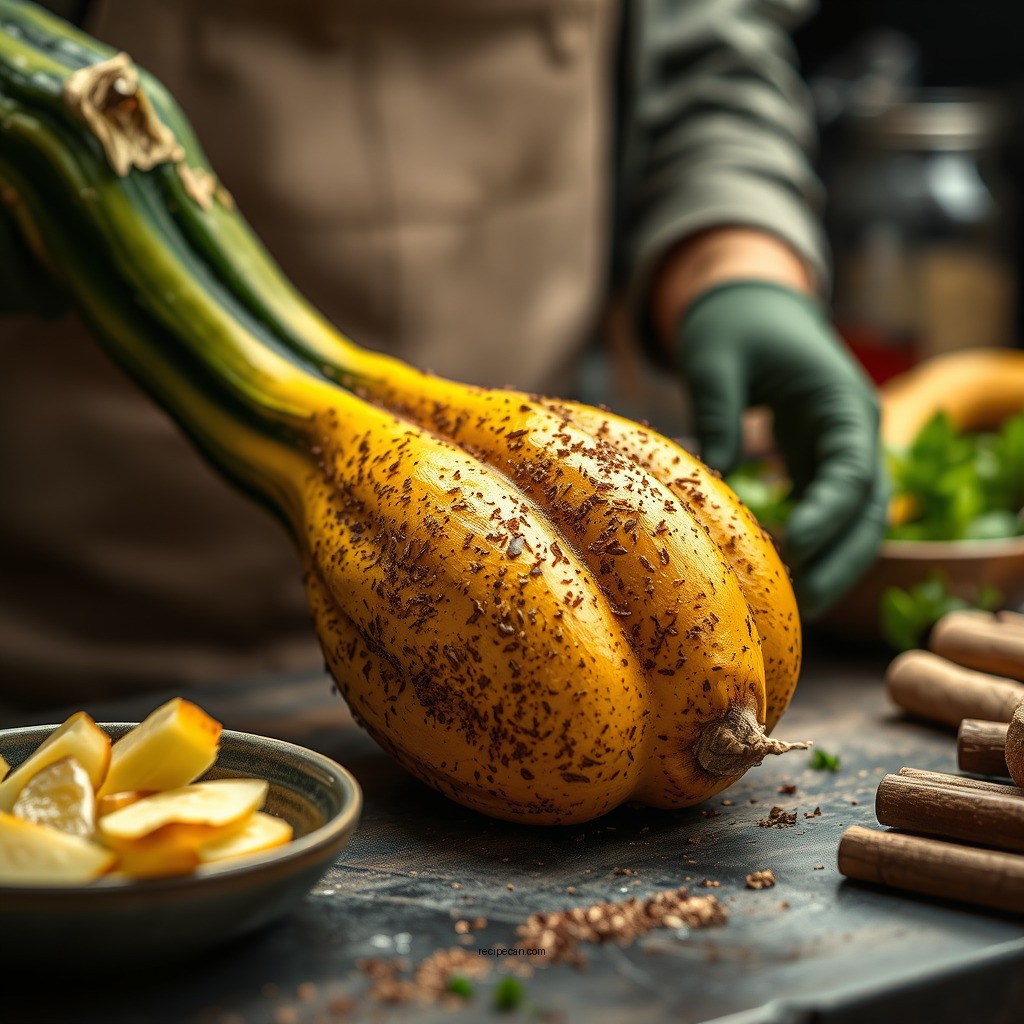
To enhance both texture and flavor, consider soaking the squash slices in salted water for about 30 minutes before frying. This soaking process draws out excess moisture, allowing for a crispier finish. After soaking, drain the slices and pat them dry with a paper towel to remove any remaining moisture.
The Cooking Process
Frying the squash is where the magic happens. Start by heating oil in a large skillet over medium heat. Recommended oils for frying include canola, vegetable, or peanut oil, as they have high smoke points and neutral flavors. Allow the oil to heat until it shimmers, indicating that it is ready for frying.
To fry the squash, begin by dredging the slices in your chosen coating, ensuring an even coverage. Gently place the coated squash into the hot oil, making sure not to overcrowd the pan, as this can lower the oil temperature and result in soggy squash. Fry the slices for about 2-3 minutes on each side, or until they achieve a golden-brown color.
📋 DATA
Top Squash Varieties for Frying
| # | Squash Variety | Flavor Profile | Texture After Frying |
|---|---|---|---|
| 1 | Yellow Squash | Mild, Sweet | Crispy, Tender |
| 2 | Zucchini | Mild, Earthy | Crispy, Moist |
| 3 | Pattypan Squash | Nutty, Sweet | Crunchy, Tender |
| 4 | Crookneck Squash | Sweet, Slightly Nutty | Crispy, Delicate |
| 5 | Butternut Squash | Sweet, Nutty | Soft, Creamy |
| 6 | Acorn Squash | Sweet, Nutty | Tender, Slightly Crunchy |
📈 CHART
Fried Squash Cooking Times by Thickness
Tips for Extra Crispy Fried Squash
Achieving that perfect crunch is an art, and there are several techniques you can employ to ensure your fried squash is extra crispy. One effective method is to use a double coating technique. After your first dip in the coating, allow the squash to rest for a few minutes, and then dip it again before frying. This creates a thicker crust that seals in moisture and enhances crunchiness.
After frying, it’s beneficial to let the squash slices rest on a paper towel-lined plate for a minute or two. This allows excess oil to drain and helps maintain the crispy texture.
When frying, remember to adjust the cooking time based on the thickness of your squash slices. Thicker slices may require additional time in the oil to achieve that desirable golden-brown color, while thinner slices will cook more quickly.
Serving Suggestions
Fried squash can be enjoyed in a multitude of ways. For dipping sauces, consider pairing your crispy treats with ranch dressing, garlic aioli, or a spicy remoulade. These sauces not only complement the flavors of the squash but also add an exciting element to the dining experience.
Additionally, fried squash can be creatively incorporated into meals. Serve it as a side dish alongside grilled meats, toss it into salads for added texture, or use it as a topping for tacos. Garnishing with fresh herbs like parsley or cilantro can enhance the presentation and add visual appeal.
Storing Leftover Fried Squash
If you find yourself with leftover fried squash, proper storage is essential to maintain its texture. Place the fried squash in an airtight container lined with paper towels to absorb moisture. Store it in the refrigerator for up to 2-3 days.
When it’s time to reheat, place the squash in an oven preheated to 375°F (190°C) for about 10 minutes. This method helps retain the crispiness, unlike microwaving, which can make the squash soggy. Alternatively, you can re-fry the squash in a small amount of oil for a quick crisp-up.
Lastly, consider using leftover fried squash in other dishes. Incorporate it into frittatas, stir-fries, or even as a topping for pizzas. The possibilities are endless!
Fried squash is not just a delicious snack; it’s an easy and versatile dish you can whip up any time. By following this recipe, you can impress your family and friends with a crispy, flavorful treat. Don’t hesitate to experiment with different seasonings and dipping sauces to make it your own! Enjoy your fried squash and share your creations!
Frequently Asked Questions
What are the best types of squash to use for frying?
The best types of squash for frying include yellow squash and zucchini due to their tender texture and mild flavor. These varieties hold up well during cooking, allowing for a crispy exterior while maintaining a soft inside. Additionally, they absorb seasonings beautifully, enhancing the overall taste of your fried squash dish.
How do I prepare squash for frying?
To prepare squash for frying, start by washing the squash thoroughly and then slice it into even pieces, about ¼ inch thick. This ensures uniform cooking and crispiness. You can also choose to coat the slices in a mixture of flour, cornmeal, or breadcrumbs along with your favorite spices for added flavor and crunch.
Why does my fried squash turn out soggy?
Fried squash can turn out soggy if the slices are too thick or if there’s excess moisture. To avoid this, make sure to slice the squash thinly and pat the pieces dry with a paper towel before frying. Additionally, frying in hot oil and not overcrowding the pan will help achieve that desired crispy texture.
What is the best oil for frying squash?
The best oils for frying squash include vegetable oil, canola oil, or peanut oil, as they have high smoke points and neutral flavors. These oils allow for even frying without imparting strong flavors to the squash. Additionally, using fresh oil can help achieve a crispy finish and prevent the squash from absorbing any off-tastes.
Which seasonings work well with fried squash?
Fried squash pairs well with a variety of seasonings, including garlic powder, paprika, salt, and pepper for a classic flavor. You can also experiment with Italian herbs like oregano and basil, or even a sprinkle of Parmesan cheese for an extra flavor boost. Adjusting the seasoning to your preference can elevate your fried squash recipe to a new level.
References
- https://en.wikipedia.org/wiki/Squash_(plant
https://en.wikipedia.org/wiki/Squash_(plant - https://www.britannica.com/plant/squash
https://www.britannica.com/plant/squash - https://www.ncbi.nlm.nih.gov/pmc/articles/PMC7060900/
https://www.ncbi.nlm.nih.gov/pmc/articles/PMC7060900/ - https://www.sciencedirect.com/topics/agricultural-and-biological-sciences/squash
https://www.sciencedirect.com/topics/agricultural-and-biological-sciences/squash - https://www.ncbi.nlm.nih.gov/pmc/articles/PMC5310510/
https://www.ncbi.nlm.nih.gov/pmc/articles/PMC5310510/ - Google Scholar Google Scholar
https://scholar.google.com/scholar?q=fried+squash+recipe - Google Scholar Google Scholar
https://scholar.google.com/scholar?q=squash+cooking+methods - Google Scholar Google Scholar
https://scholar.google.com/scholar?q=squash+nutrition - https://www.vegetablegardener.com/item/15283/how-to-grow-squash
https://www.vegetablegardener.com/item/15283/how-to-grow-squash - https://www.ars.usda.gov/oc/br/archives/2020/what-is-squash/
https://www.ars.usda.gov/oc/br/archives/2020/what-is-squash/