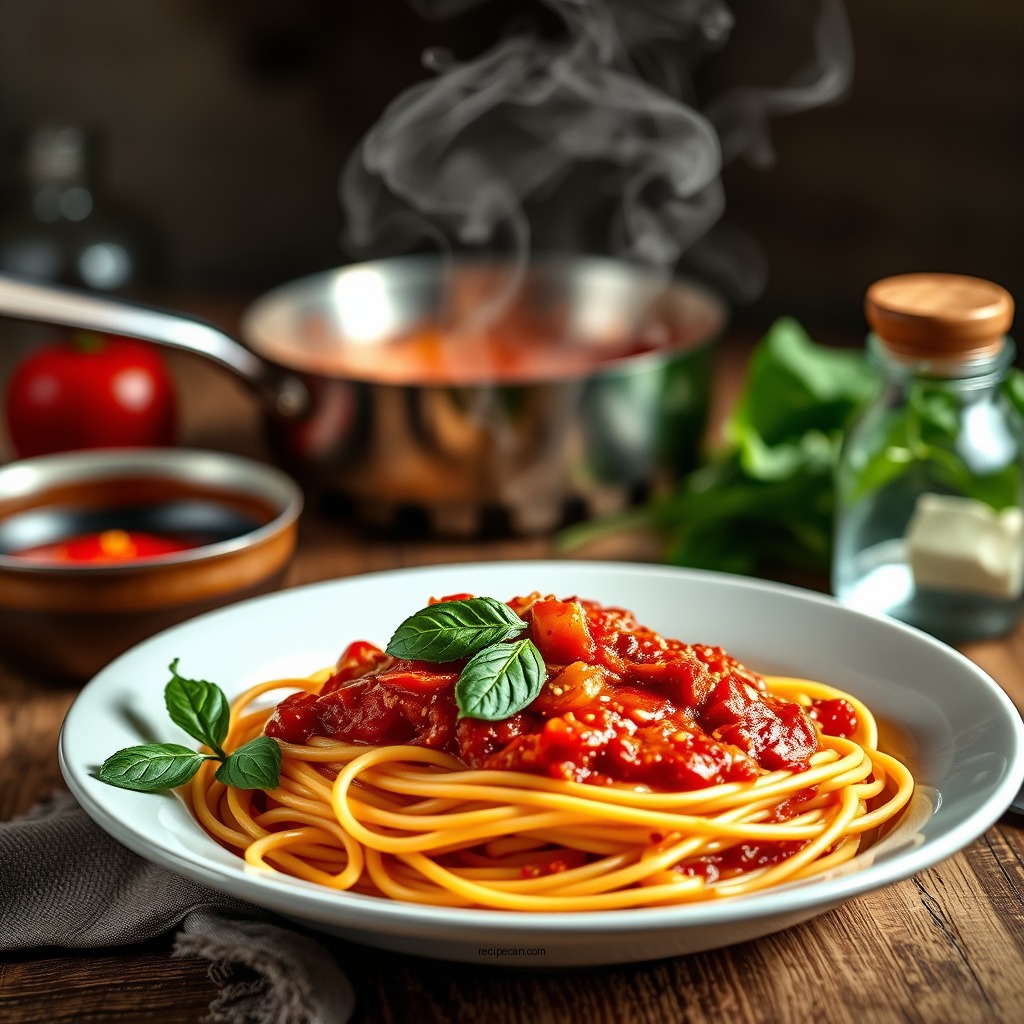
Making a delicious home spaghetti sauce is simple and rewarding. With just a few key ingredients and some time, you can create a rich and flavorful sauce that will elevate any pasta dish. In this article, you’ll learn how to prepare a classic spaghetti sauce from scratch, perfect for family dinners or meal prepping. This homemade sauce not only tastes better than store-bought versions but also allows you to customize flavors to suit your preferences.
Essential Ingredients for Spaghetti Sauce
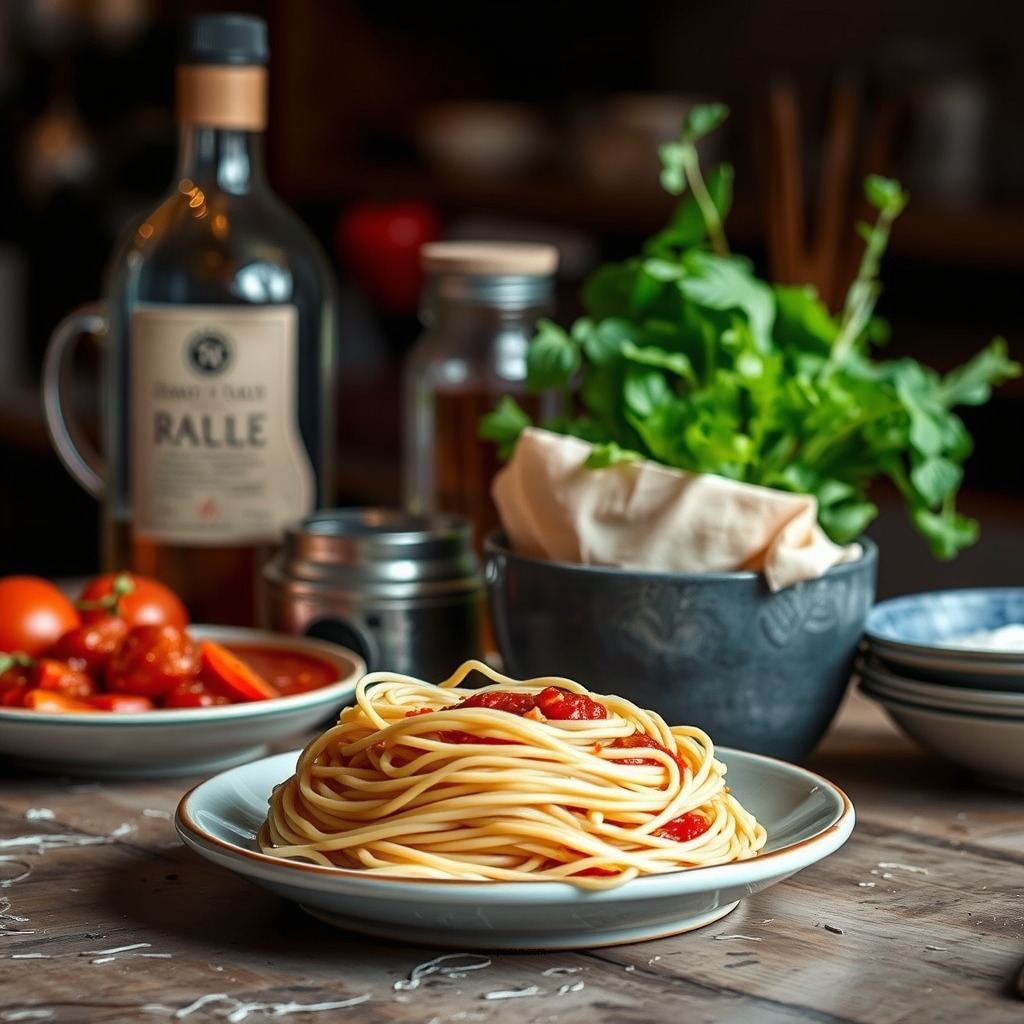
To create a classic spaghetti sauce, you’ll need a handful of essential ingredients that work together to develop a robust flavor profile.
– Fresh tomatoes or canned tomatoes: The foundation of any good spaghetti sauce is tomatoes. For the freshest taste, opt for ripe, in-season tomatoes. However, high-quality canned tomatoes are a great alternative and often yield excellent results. Look for San Marzano tomatoes for their rich flavor.
– Aromatics: Onions and garlic are crucial for building depth in your sauce. Sautéing these ingredients releases their natural sweetness and enhances the overall flavor of the sauce.
– Herbs and spices: Fresh or dried herbs like basil and oregano add a fragrant aroma and earthy flavor. A pinch of red pepper flakes can also bring a subtle heat to the sauce, balancing the sweetness of the tomatoes.
Preparing Your Ingredients
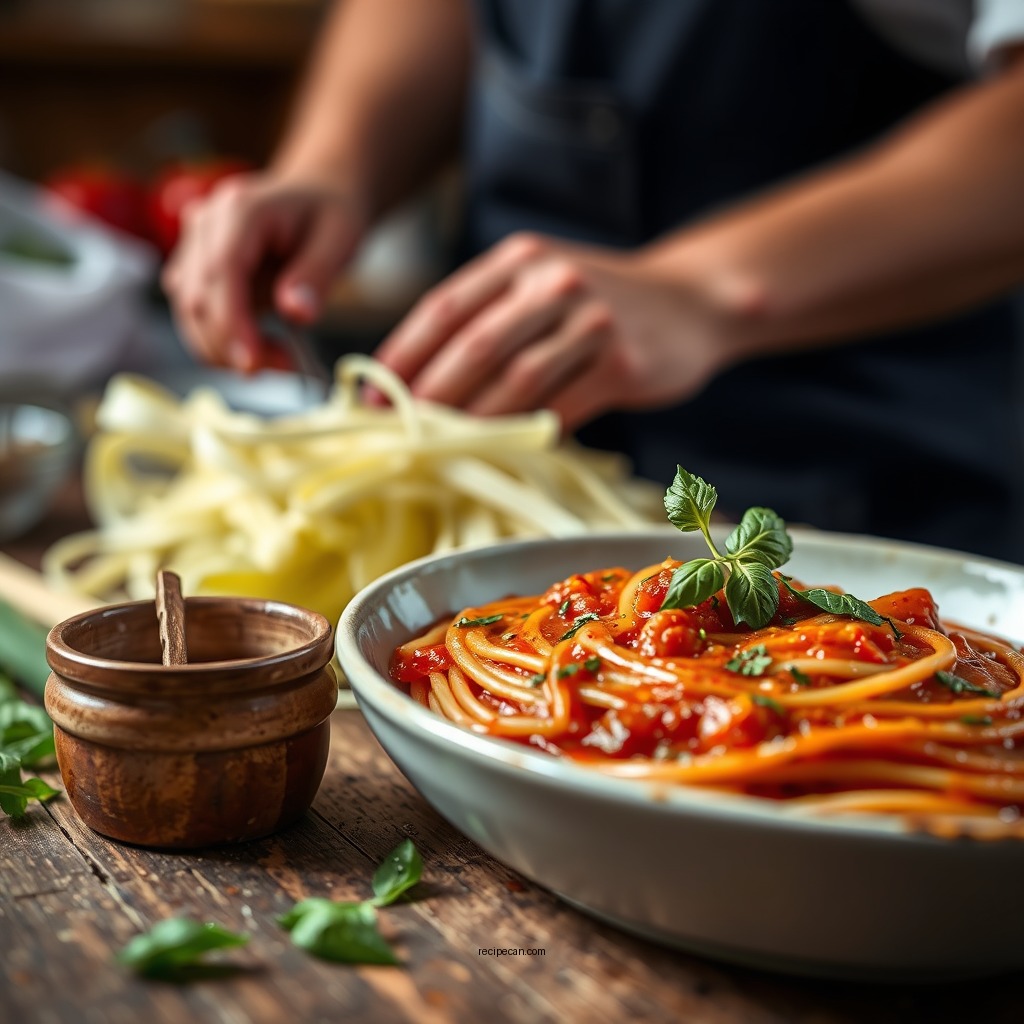
Preparation is key to achieving a harmonious flavor in your spaghetti sauce.
– Chop vegetables: Start by dicing onions into small, uniform pieces for even cooking. Mince garlic finely to release its oils and flavor more effectively. This ensures that both ingredients meld beautifully into the sauce without any raw bits.
– Measure herbs: If using fresh herbs, chop them coarsely just before adding them to the sauce to preserve their essential oils. Dried herbs can be measured out in advance, providing a more convenient option, especially for meal prep.
Cooking the Sauce
The cooking process is where the magic happens.
– Sauté the aromatics: In a large skillet or saucepan, heat a few tablespoons of olive oil over medium heat. Add the diced onions first, cooking them until soft and translucent, approximately 5 minutes. Then, add the minced garlic and sauté for an additional minute until fragrant. Be careful not to let the garlic brown, as it can turn bitter.
– Combine ingredients: Once the aromatics are ready, it’s time to introduce the tomatoes. If using fresh tomatoes, you’ll want to blanch and peel them first, then chop them. For canned tomatoes, simply pour them in along with their juices. Add your measured herbs and spices, stirring everything together to combine. Allow the sauce to come to a gentle simmer.
Top 7 Tomato Brands for Spaghetti Sauce (2024)
| # | Brand | Type | Flavor Profile | Best For |
|---|---|---|---|---|
| 1 | San Marzano | Canned | Rich and Sweet | Sauces |
| 2 | Pomi | Canned | Fresh and Natural | Soups |
| 3 | Hunt’s | Canned | Tangy | Pasta Dishes |
| 4 | Muir Glen | Canned | Organic | Healthier Options |
| 5 | Cento | Canned | Authentic Italian | Traditional Recipes |
| 6 | Del Monte | Canned | Savory | Quick Meals |
| 7 | Roma | Fresh | Sweet | Salads |
Simmering for Flavor
Once the ingredients are combined, the real magic happens during the simmering process.
– Cook time: Allow the sauce to simmer for at least 30 minutes, though longer is often better. This time allows the flavors to meld and intensify, creating a rich and well-rounded sauce. If you have the time, letting it simmer for an hour or more can take it to the next level.
– Adjusting consistency: Depending on the variety of tomatoes used, the sauce may vary in thickness. If you find the sauce too thick, add a splash of water or broth to achieve your desired consistency. Conversely, if the sauce is too thin, simmer it uncovered to allow excess liquid to evaporate and thicken the sauce.
Flavor Intensity Over Simmering Time (30-120 mins)
Optional Add-Ins for Customization
One of the great things about making your own spaghetti sauce is the opportunity for customization.
– Proteins: If you prefer a heartier sauce, consider adding ground beef, Italian sausage, or even lentils for a vegetarian option. Sauté the protein with the aromatics at the beginning to infuse the sauce with flavor.
– Vegetables: Enhance the nutritional value and flavor by adding vegetables such as bell peppers, mushrooms, or spinach. These can be added during the cooking process, allowing them to soften and integrate into the sauce.
Serving Suggestions
Once your sauce is ready, it’s time to enjoy it.
– Pairing with pasta: Serve your homemade spaghetti sauce over your favorite pasta shape. Spaghetti is classic, but you can also try it with penne, fettuccine, or even zucchini noodles for a low-carb option.
– Garnishes: Elevate your dish further by topping it with freshly grated Parmesan cheese and a sprinkle of fresh basil. A drizzle of high-quality olive oil can also enhance the flavor profile.
In conclusion, making your own spaghetti sauce is not only a straightforward process but also an opportunity to create a dish that reflects your unique taste. By following this step-by-step guide, you’ll be able to whip up a rich, flavorful sauce that can be enjoyed on its own or as part of a delightful pasta meal. Don’t hesitate to experiment with different ingredients and flavors to make this recipe your own. Happy cooking!
Frequently Asked Questions
What ingredients do I need for a basic home spaghetti sauce recipe?
A basic home spaghetti sauce recipe typically requires canned tomatoes (whole, crushed, or diced), olive oil, garlic, onion, salt, and pepper. Additional ingredients like fresh basil, oregano, and red pepper flakes can enhance the flavor. For a richer taste, consider adding ground meat or vegetables such as bell peppers and mushrooms.
How long should I simmer my spaghetti sauce for the best flavor?
For the best flavor, you should simmer your spaghetti sauce for at least 30 minutes to 1 hour. This allows the flavors to meld together and develop a deeper taste. If time permits, simmering for 2 to 3 hours can yield an even richer and more complex sauce.
Why do some recipes suggest using canned tomatoes for spaghetti sauce?
Canned tomatoes are often recommended for spaghetti sauce because they are consistently ripe and flavorful, providing a base that is convenient and reliable. They are picked at their peak freshness and preserved, ensuring a rich taste year-round. Fresh tomatoes can be used, but they may require more preparation and may not offer the same depth of flavor.
What is the best way to store homemade spaghetti sauce?
The best way to store homemade spaghetti sauce is to let it cool completely before transferring it to airtight containers. You can refrigerate it for up to a week or freeze it in portioned amounts for up to three months. Using freezer-safe bags or containers helps prevent freezer burn and keeps the sauce fresh for future meals.
Which herbs and spices enhance the flavor of spaghetti sauce?
Common herbs and spices that enhance the flavor of spaghetti sauce include fresh basil, oregano, thyme, and bay leaves. Adding a pinch of sugar can balance acidity, while red pepper flakes provide a spicy kick. Experimenting with these ingredients allows you to create a personalized sauce that suits your taste preferences.
References
- Tomato sauce
https://en.wikipedia.org/wiki/Spaghetti_sauce - Watermelon Popsicles Recipe
https://www.nytimes.com/recipes/1014902/spaghetti-sauce.html - https://www.sciencedirect.com/topics/food-science/spaghetti-sauce
https://www.sciencedirect.com/topics/food-science/spaghetti-sauce - https://www.verywellfit.com/spaghetti-sauce-4172305
https://www.verywellfit.com/spaghetti-sauce-4172305 - https://www.britannica.com/topic/spaghetti-sauce
https://www.britannica.com/topic/spaghetti-sauce - Google Scholar Google Scholar
https://scholar.google.com/scholar?q=home+spaghetti+sauce+recipe - Google Scholar Google Scholar
https://scholar.google.com/scholar?q=spaghetti+sauce+ingredients - Google Scholar Google Scholar
https://scholar.google.com/scholar?q=Italian+cuisine+spaghetti+sauce - https://www.ncbi.nlm.nih.gov/pmc/articles/PMC7190210/
https://www.ncbi.nlm.nih.gov/pmc/articles/PMC7190210/ - home spaghetti sauce recipe – Search results
https://en.wikipedia.org/wiki/Special:Search?search=home+spaghetti+sauce+recipe