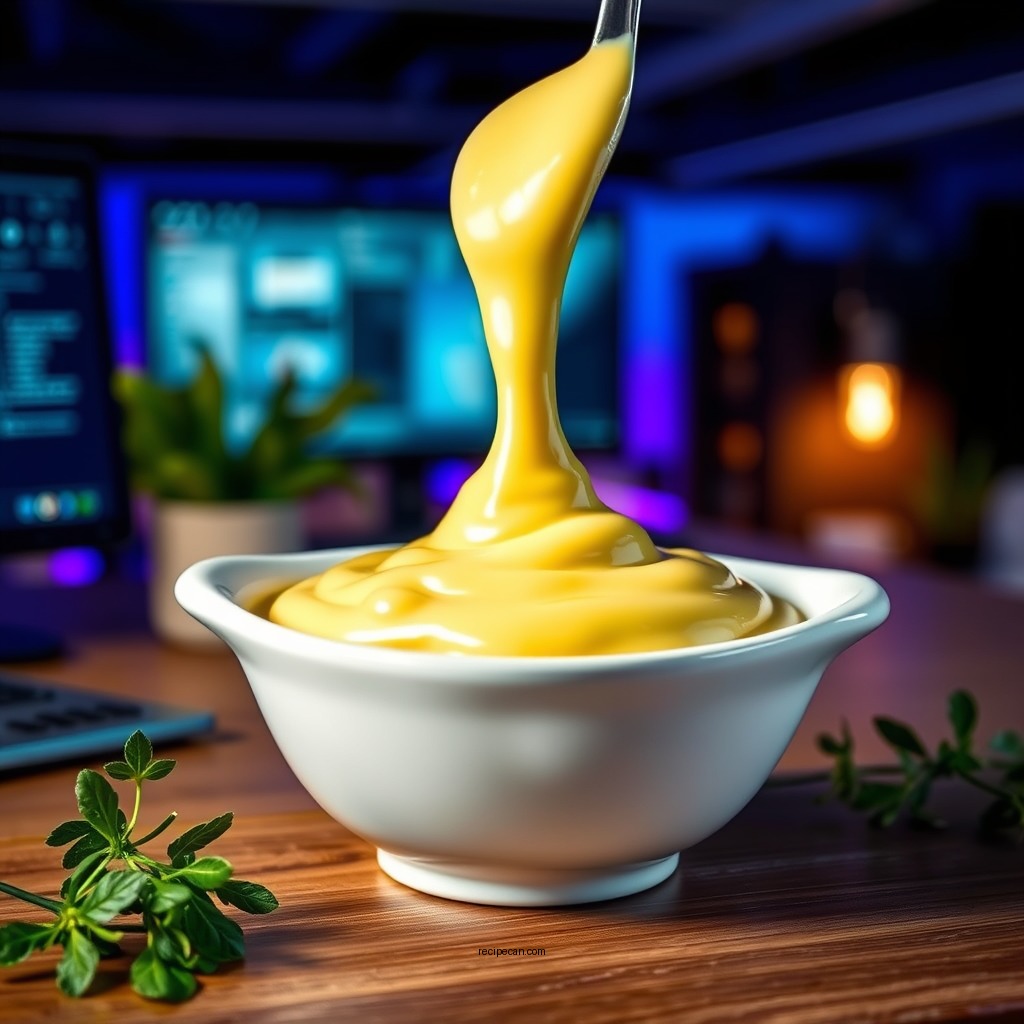
To make an easy hollandaise sauce, you’ll need just a few ingredients and a quick method that yields delicious results. This classic sauce, perfect for eggs benedict, steamed vegetables, or fish, can be whipped up in under 10 minutes. In this article, you’ll learn how to create a smooth and creamy hollandaise sauce effortlessly, ensuring that you can impress your guests or elevate your meals with minimal effort.
Hollandaise sauce is a staple in French cuisine, renowned for its rich, buttery flavor and silky texture. The beauty of this sauce lies not only in its flavor but also in its versatility. Whether drizzled over poached eggs, asparagus, or grilled salmon, hollandaise brings a touch of elegance to any dish. With the right technique and a few simple ingredients, anyone can master this culinary classic.
Essential Ingredients for Hollandaise Sauce
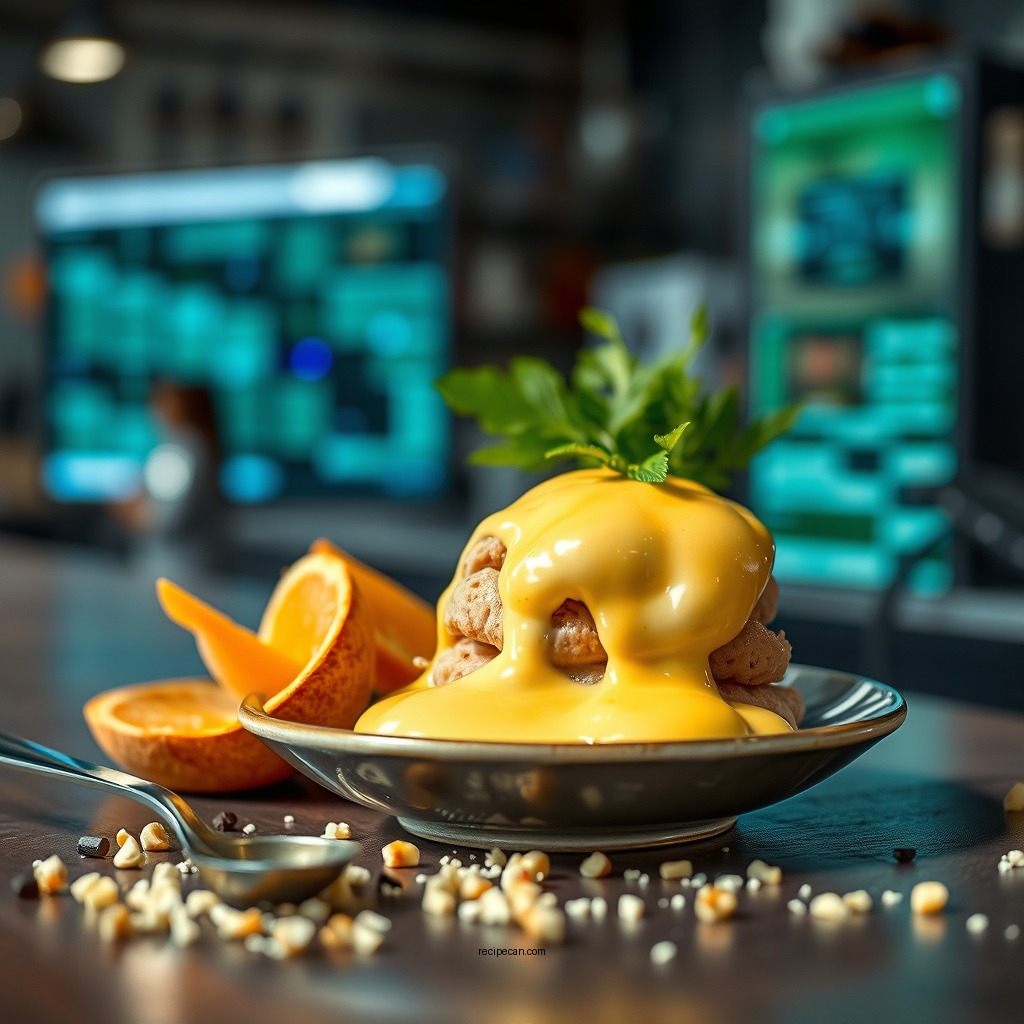
The key to a successful hollandaise sauce lies in using high-quality ingredients that work harmoniously together to create a balanced flavor profile. Here are the essential ingredients you will need:
– Fresh Egg Yolks: Fresh egg yolks are crucial for achieving the right texture and flavor. They provide the foundation for the sauce, creating a creamy emulsion when combined with butter.
– Unsalted Butter: Use unsalted butter for a rich and buttery taste. This allows you to control the saltiness of the sauce and ensures that the flavor of the butter shines through. Clarifying the butter can also enhance the texture and flavor.
– Fresh Lemon Juice: Fresh lemon juice adds the necessary tanginess to balance the richness of the sauce. The acidity cuts through the fat of the butter, creating a well-rounded flavor that enhances your dishes.
These three components form the basis of your hollandaise sauce, but you can easily customize it with additional flavors and accents.
The Basic Steps to Prepare Hollandaise

Making hollandaise sauce is straightforward, but it requires attention to detail to achieve a smooth and creamy consistency. Follow these basic steps for perfect results:
1. Melt the Butter: Start by gently heating the butter until melted. Avoid boiling it; you want it warm, not hot. Once melted, let it cool slightly to avoid cooking the egg yolks.
2. Whisk Egg Yolks and Lemon Juice: In a mixing bowl, whisk together the egg yolks and fresh lemon juice until the mixture becomes pale and fluffy. This step incorporates air, which is essential for achieving a light texture in the final sauce.
3. Combine the Mixtures: Gradually incorporate the warm melted butter into the egg mixture while whisking continuously. Start with a few drops of butter to temper the yolks, then slowly pour in the remaining butter. This process emulsifies the sauce, creating a creamy consistency.
4. Season and Serve: Once fully combined, season with salt, white pepper, and additional lemon juice to taste. Serve immediately, as hollandaise is best enjoyed fresh.
Tips for Perfecting Your Hollandaise Sauce
To elevate your hollandaise sauce to the next level, consider these expert tips:
– Low Temperature: Maintain a low temperature to prevent the eggs from scrambling. High heat can cause the yolks to curdle, ruining the sauce.
– Double Boiler: Use a double boiler or heatproof bowl over simmering water for better temperature control. This method allows for gentle heating, reducing the risk of overcooking the eggs.
– Adjust Consistency: If the sauce thickens too much, whisk in a few drops of warm water to achieve the desired consistency. This technique can help revive a sauce that has become too thick.
Top 7 Ingredients for Hollandaise Sauce
| # | Ingredient | Quantity | Importance (1-10) |
|---|---|---|---|
| 1 | Egg Yolks | 3 | 10 |
| 2 | Unsalted Butter | 1 cup | 10 |
| 3 | Lemon Juice | 2 tbsp | 9 |
| 4 | Salt | 1/4 tsp | 7 |
| 5 | White Pepper | 1 pinch | 6 |
| 6 | Cayenne Pepper (optional) | 1 pinch | 5 |
| 7 | Fresh Herbs (optional) | 2 tbsp | 4 |
Flavor Variations to Try
While the classic hollandaise sauce is delicious on its own, experimenting with different flavor variations can elevate your dish even further. Here are some ideas to inspire your culinary creativity:
– Cayenne Pepper: Add a pinch of cayenne pepper for a spicy kick. This subtle heat complements the richness of the sauce beautifully.
– Fresh Herbs: Incorporate fresh herbs like dill, chives, or tarragon for added flavor and freshness. These herbs can enhance the sauce’s profile, making it even more suitable for seafood dishes.
– Different Citrus Juices: Experiment with different citrus juices, such as lime or orange, for unique flavor profiles. Each citrus fruit brings its own character, allowing you to tailor the sauce to your specific dish.
Common Mistakes to Avoid
To ensure your hollandaise is a success, be mindful of these common pitfalls:
– Rushing the Butter: Don’t rush the melting process of the butter; it should be warm, not hot. Overheating can lead to a broken sauce.
– Slow Whisking: Avoid whisking too slowly, which can lead to a grainy texture. Whisk vigorously to incorporate air and achieve a smooth consistency.
– Dealing with a Broken Sauce: If the sauce breaks, quickly whisk in a teaspoon of warm water to help emulsify it. This technique can often bring a separated sauce back together.
Storing and Reheating Hollandaise Sauce
If you have leftover hollandaise sauce, proper storage and reheating are essential to maintaining its quality:
– Storage: Store leftover hollandaise in an airtight container in the refrigerator for up to 2 days. Use it promptly to enjoy the best flavor and texture.
– Reheating: When reheating, do so gently over low heat, whisking constantly to restore the creamy consistency. Avoid overheating, as this can cause the sauce to curdle.
Hollandaise Sauce Preparation Time
In conclusion, mastering an easy hollandaise sauce recipe is not only about following the steps but also about understanding the key ingredients and techniques that contribute to its success. With fresh egg yolks, unsalted butter, and lemon juice, you can create a sauce that elevates any meal. Remember to pay attention to temperature control and whisking technique to avoid common mistakes. Don’t hesitate to experiment with flavors and enjoy your culinary creations. Whether it’s for a breakfast treat or a dinner enhancement, this sauce is sure to impress! Share your experience or variations in the comments below.
Frequently Asked Questions
What are the essential ingredients for an easy hollandaise sauce recipe?
The essential ingredients for an easy hollandaise sauce recipe include egg yolks, unsalted butter, lemon juice, and salt. Using high-quality butter and fresh lemon juice can enhance the flavor of your sauce, making it rich and creamy, perfect for drizzling over eggs Benedict or vegetables.
How do I make hollandaise sauce without using a double boiler?
To make hollandaise sauce without a double boiler, you can use a blender or a food processor. Simply blend egg yolks with lemon juice, then slowly drizzle in melted butter while blending until the sauce thickens. This method is quick and ensures a smooth, emulsified sauce without the fuss of traditional cooking.
Why does my hollandaise sauce keep separating, and how can I fix it?
Hollandaise sauce can separate if the butter is added too quickly or if the sauce is exposed to too much heat. To fix a separated sauce, you can whisk in a teaspoon of warm water or blend it briefly in a blender to re-emulsify. Keeping your ingredients at the right temperature and adding butter slowly will help maintain a stable sauce.
What is the best way to store leftover hollandaise sauce?
The best way to store leftover hollandaise sauce is to place it in an airtight container and refrigerate it for up to two days. When ready to use, gently reheat it in a microwave or a saucepan over low heat, whisking constantly to restore its creamy consistency. Avoid reheating too quickly to prevent separation.
Which dishes pair well with easy hollandaise sauce?
Easy hollandaise sauce pairs wonderfully with dishes like eggs Benedict, steamed asparagus, or grilled fish. Its rich and tangy flavor complements breakfast items, vegetables, and seafood, making it a versatile sauce that elevates any meal.
References
- Hollandaise sauce
https://en.wikipedia.org/wiki/Hollandaise_sauce - https://www.mayoclinic.org/healthy-lifestyle/nutrition-and-healthy-eating/in-depth/hollandaise-sauce/art-20046081
https://www.mayoclinic.org/healthy-lifestyle/nutrition-and-healthy-eating/in-depth/hollandaise-sauce/art-20046081 - https://www.bbc.co.uk/food/recipes/hollandaise_sauce_79835
https://www.bbc.co.uk/food/recipes/hollandaise_sauce_79835 - https://www.sciencedirect.com/topics/food-science/hollandaise-sauce
https://www.sciencedirect.com/topics/food-science/hollandaise-sauce - Vegetarian ‘Carbonara’ With Spinach Recipe
https://www.nytimes.com/recipes/1019816/hollandaise-sauce.html - https://www.theguardian.com/food/2020/apr/10/hollandaise-sauce-recipe
https://www.theguardian.com/food/2020/apr/10/hollandaise-sauce-recipe - Google Scholar Google Scholar
https://scholar.google.com/scholar?q=easy+hollandaise+sauce+recipe - Google Scholar Google Scholar
https://scholar.google.com/scholar?q=hollandaise+sauce+preparation - Google Scholar Google Scholar
https://scholar.google.com/scholar?q=culinary+techniques+hollandaise+sauce - https://pubmed.ncbi.nlm.nih.gov/?term=hollandaise+sauce+recipe
https://pubmed.ncbi.nlm.nih.gov/?term=hollandaise+sauce+recipe