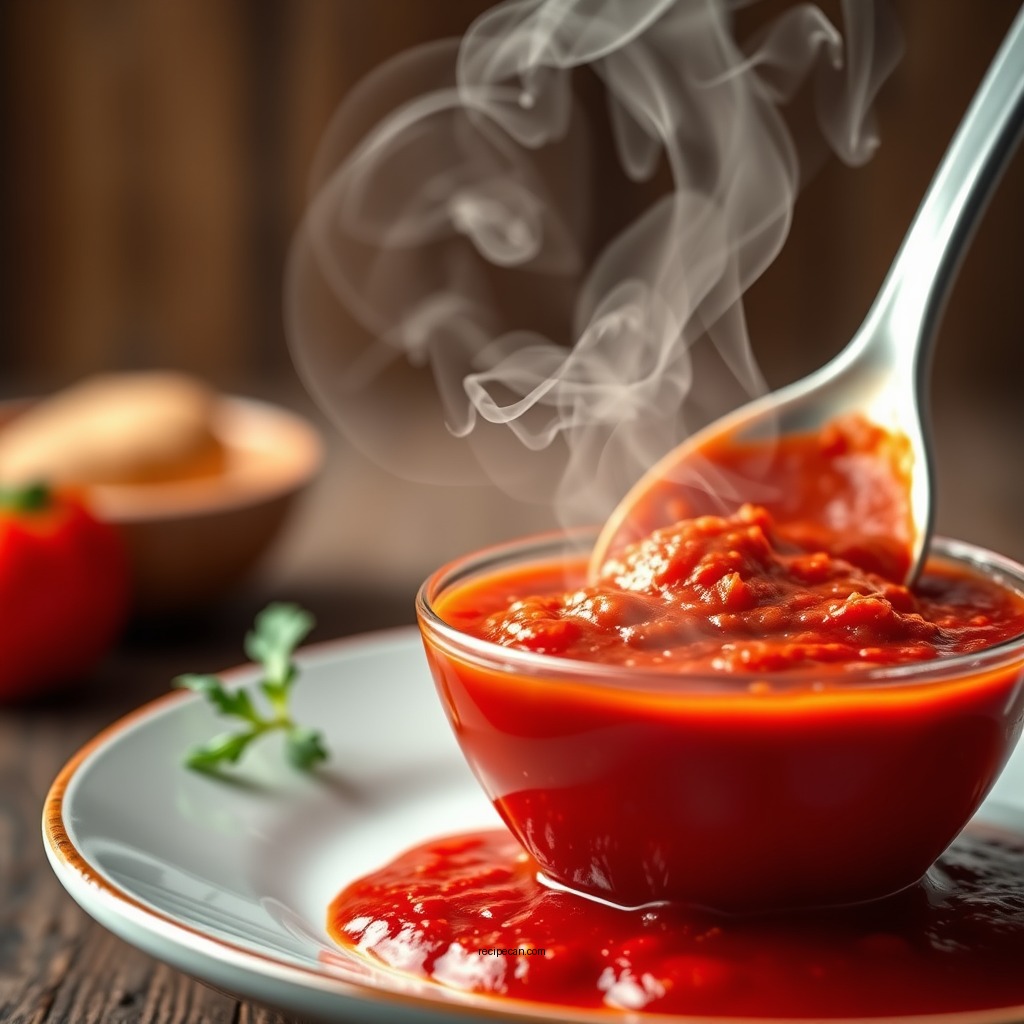
Making the best red sauce is about using fresh ingredients and mastering a few key techniques. This guide will help you create a rich, flavorful red sauce that enhances any pasta dish or pizza. From selecting the right tomatoes to perfecting the balance of spices, we’ll walk you through every essential step to ensure your sauce is both delicious and authentic.
Choosing the Right Tomatoes
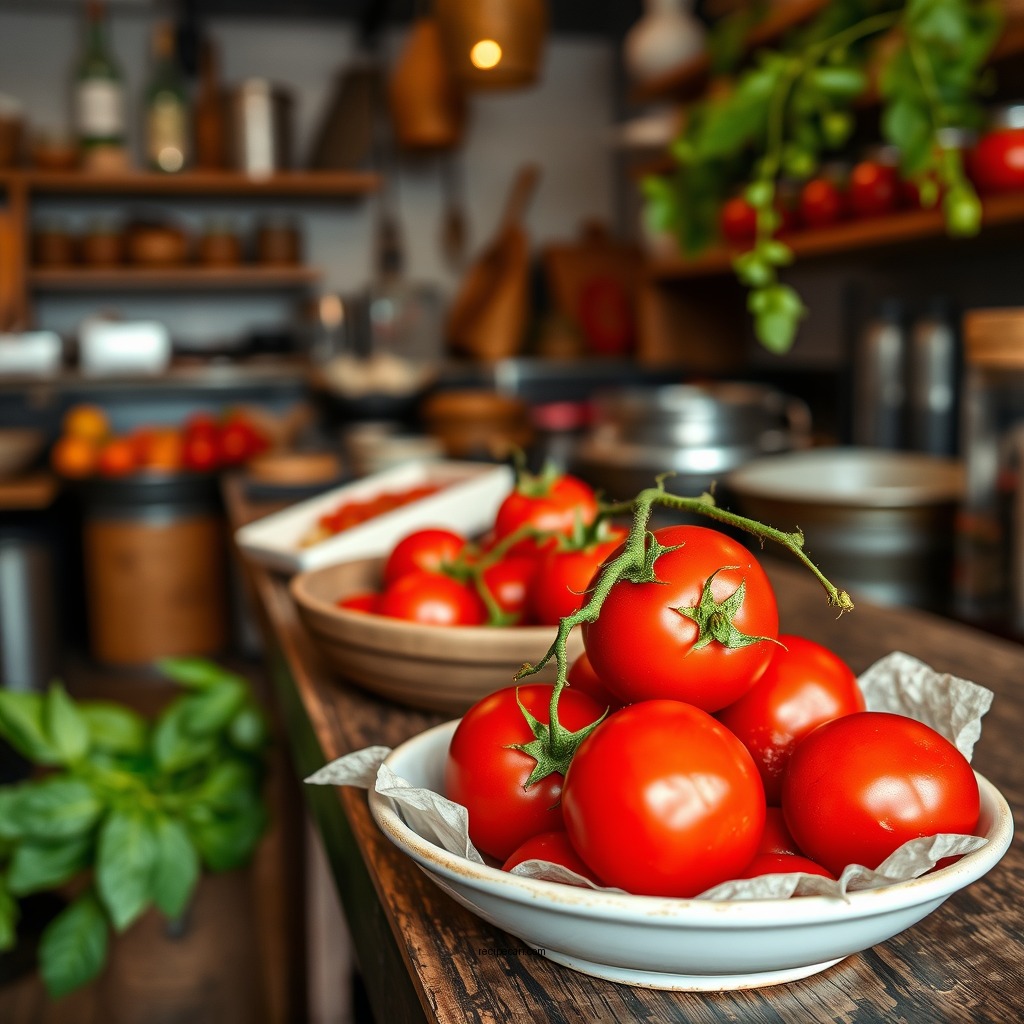
Selecting the right tomatoes is crucial for achieving a rich and flavorful red sauce. The debate between fresh and canned tomatoes often arises, but when it comes to authenticity, San Marzano tomatoes stand out. These plum tomatoes, grown in the volcanic soil of the San Marzano region in Italy, are known for their sweet flavor and lower acidity, making them ideal for sauces.
While fresh tomatoes might seem appealing, their quality can fluctuate greatly depending on the season. For instance, in late summer, you may find perfectly ripe heirloom tomatoes in local markets, which can make for a stunning sauce. However, during winter months, canned San Marzano tomatoes are your best bet for consistent taste and quality.
Essential Ingredients
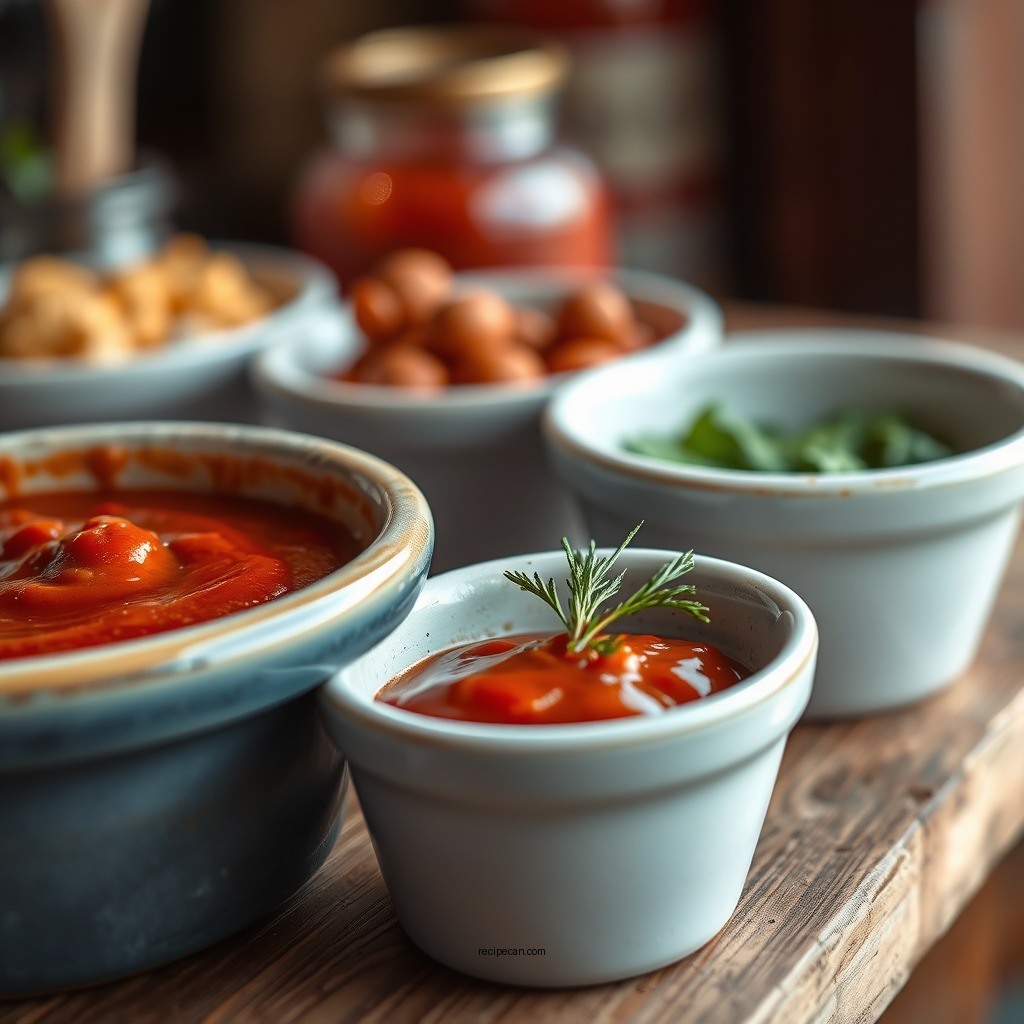
A great red sauce is built on a foundation of essential ingredients. Aromatics such as onions, garlic, and fresh herbs are paramount in building depth and complexity in flavor. Start by sautéing finely diced onions and minced garlic in high-quality olive oil; this combination creates a savory base that enhances the overall taste of the sauce.
Using quality olive oil is non-negotiable. It not only adds richness but also a subtle fruity flavor that complements the acidity of the tomatoes. Look for extra virgin olive oil, which is cold-pressed and retains the most nutrients and flavor.
Cooking Techniques
Mastering specific cooking techniques can elevate your red sauce from ordinary to extraordinary.
Sautéing
The first technique to master is sautéing. Begin by heating your olive oil in a heavy-bottomed saucepan over medium heat. Add the diced onions and sauté until they become translucent, about 5 minutes. Next, add the minced garlic and sauté for an additional minute, being careful not to burn it. This process releases the natural oils in the aromatics, infusing your sauce with a robust flavor.
Simmering
Once your aromatics are ready, it’s time to add your tomatoes. Pour in the crushed San Marzano tomatoes, along with their juices, and bring the mixture to a gentle simmer. This is where the magic happens. Allowing the sauce to simmer slowly for at least 30 minutes—ideally up to an hour—enables the flavors to meld and develop complexity. Stir occasionally and add a splash of water if the sauce becomes too thick.
Top Tomato Varieties for Sauce (2024)
| # | Tomato Variety | Origin | Flavor Profile | Best Use |
|---|---|---|---|---|
| 1 | San Marzano | Italy | Sweet, Low Acid | Sauces, Canning |
| 2 | Roma | USA | Rich, Meaty | Sauces, Dicing |
| 3 | Heirloom | Various | Complex, Sweet | Salads, Sauces |
| 4 | Cherokee Purple | USA | Smoky, Sweet | Garnishing |
| 5 | Brandywine | USA | Complex, Rich | Sauces, Salads |
| 6 | Viva Italia | Italy | Bright, Tangy | Sauces, Soups |
| 7 | Campari | USA | Sweet, Juicy | Sauces, Eating Fresh |
Spice It Up
Herbs and spices play a vital role in enhancing the flavors of your red sauce. Fresh basil is a classic addition, providing a fragrant aroma and vibrant taste. You can add it towards the end of cooking to preserve its freshness. Oregano is another essential herb that adds depth; whether fresh or dried, it works beautifully in combination with tomatoes.
When it comes to heat, red pepper flakes can be introduced according to your preference. Start with a small pinch, as the heat can quickly intensify. Remember, the goal is to complement the sauce without overwhelming it.
Customizing Your Sauce
Personalizing your red sauce can make it even more delightful. For a heartier version, consider adding finely chopped bell peppers, mushrooms, or even ground meat like beef or turkey. These add texture and nutrition, turning your sauce into a complete meal.
If you’re catering to dietary restrictions, transforming your sauce into a vegetarian option is straightforward; simply skip the meat and load it with vegetables. For a gluten-free option, ensure you pair the sauce with gluten-free pasta or serve it over polenta.
Storing and Serving
Proper storage of your red sauce is paramount to maintaining its flavor and freshness. After cooking, allow the sauce to cool completely, then transfer it to airtight containers. In the refrigerator, your sauce will last up to a week, while freezing can extend its shelf life up to six months. For best results, portion it out before freezing, making it easy to defrost only what you need.
When it comes to serving, consider pairing your red sauce with various types of pasta, such as spaghetti, penne, or even gnocchi. It also works wonderfully as a base for pizza or as a dipping sauce for breadsticks.
Cooking Time vs. Flavor Development
Creating your best red sauce is about balance and quality ingredients. By following these steps, you’ll have a delicious sauce ready in no time. Experiment with the techniques and personalize the flavors to make it truly yours. Now, it’s time to gather your ingredients and start cooking!
Frequently Asked Questions
What are the essential ingredients for the best red sauce recipe?
The best red sauce recipe typically includes high-quality canned tomatoes, garlic, onion, olive oil, and fresh herbs like basil and oregano. For added depth, consider incorporating red pepper flakes, a splash of red wine, or a pinch of sugar to balance acidity. Using fresh ingredients will enhance the flavor profile and create a more vibrant sauce.
How can I make red sauce thicker without using cornstarch or flour?
To thicken your red sauce naturally, allow it to simmer uncovered for a longer period, which will reduce the liquid and concentrate flavors. You can also add grated vegetables like carrots or zucchini, which will blend well while thickening the sauce. Another technique is to blend a portion of the sauce to create a creamier texture without using thickening agents.
Why is my red sauce too acidic, and how can I fix it?
A red sauce might taste too acidic due to the quality or type of tomatoes used. To counteract this, you can add a pinch of sugar or grated carrots to balance the acidity. Additionally, incorporating a small amount of cream or butter can also mellow the sauce’s flavor, creating a more rounded taste.
What is the best way to store homemade red sauce for later use?
The best way to store homemade red sauce is to let it cool completely, then transfer it to an airtight container. You can refrigerate it for up to a week, or for longer storage, freeze it in portions using freezer bags or containers. Labeling the containers with the date will help you keep track of freshness.
Which pasta pairs best with a classic red sauce?
A classic red sauce pairs beautifully with pasta shapes that can hold onto the sauce, such as spaghetti, penne, or rigatoni. The ridges and shapes of these pastas allow the sauce to cling, enhancing each bite. For a heartier meal, consider serving red sauce with lasagna or baked ziti for a comforting, satisfying dish.
References
- Marinara sauce
https://en.wikipedia.org/wiki/Marinara_sauce - https://www.foodnetwork.com/recipes/food-network-kitchen/marinara-sauce-recipe-2011974
https://www.foodnetwork.com/recipes/food-network-kitchen/marinara-sauce-recipe-2011974 - https://www.seriouseats.com/the-best-tomato-sauce-recipe-5112988
https://www.seriouseats.com/the-best-tomato-sauce-recipe-5112988 - https://www.simplyrecipes.com/recipes/easy_marinara_sauce/
https://www.simplyrecipes.com/recipes/easy_marinara_sauce/ - https://www.ncbi.nlm.nih.gov/pmc/articles/PMC6511020/
https://www.ncbi.nlm.nih.gov/pmc/articles/PMC6511020/ - Google Scholar Google Scholar
https://scholar.google.com/scholar?q=best+red+sauce+recipe - Google Scholar Google Scholar
https://scholar.google.com/scholar?q=marinara+sauce+recipes - best red sauce recipe – Search results
https://en.wikipedia.org/wiki/Special:Search?search=best+red+sauce+recipe - https://www.ncbi.nlm.nih.gov/search/research-articles/?term=best+red+sauce+recipe
https://www.ncbi.nlm.nih.gov/search/research-articles/?term=best+red+sauce+recipe