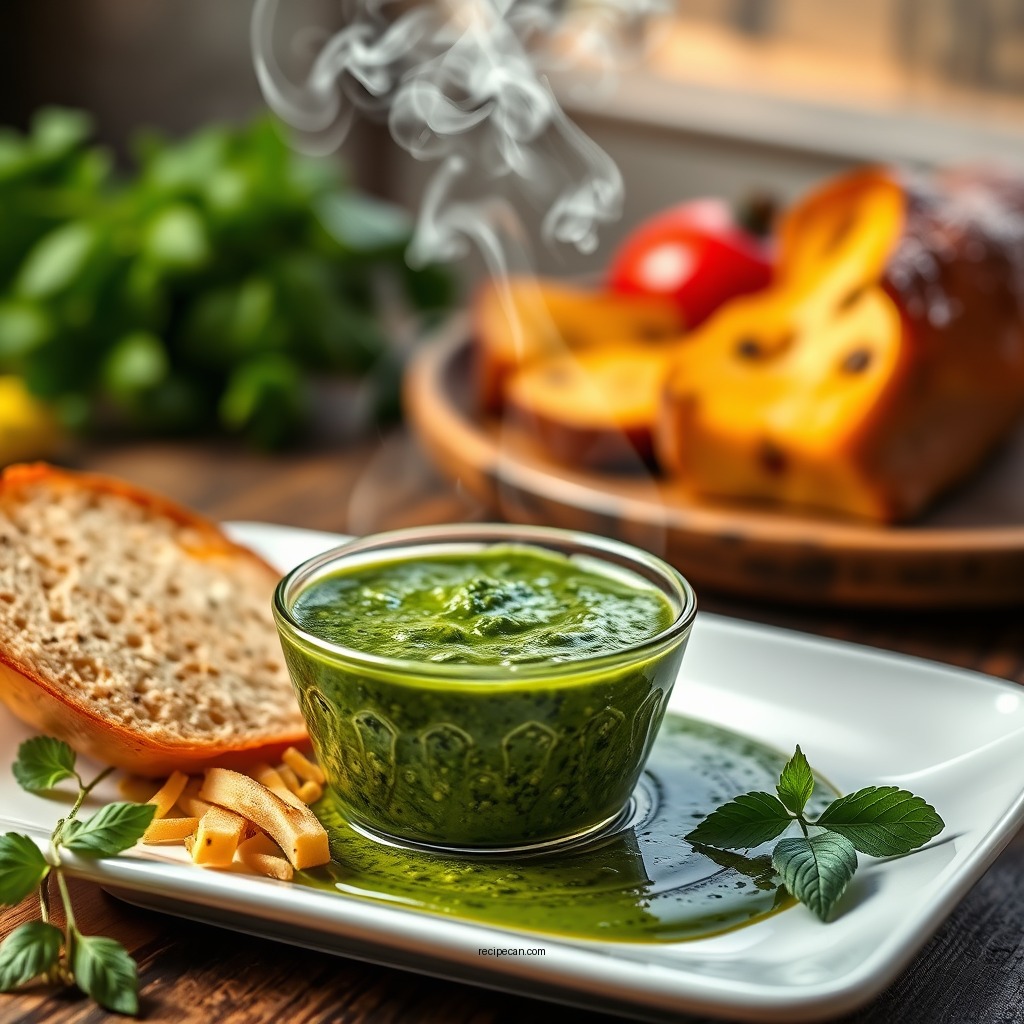
The best pesto sauce recipe combines fresh basil, garlic, pine nuts, Parmesan cheese, and olive oil for a vibrant and flavorful sauce that elevates any dish. This classic Italian sauce not only enhances pasta but also serves as a delightful addition to sandwiches, pizzas, and grilled meats. In this article, you’ll discover a straightforward method to make homemade pesto, tips for variations, and how to store it for later use.
Essential Ingredients for Perfect Pesto
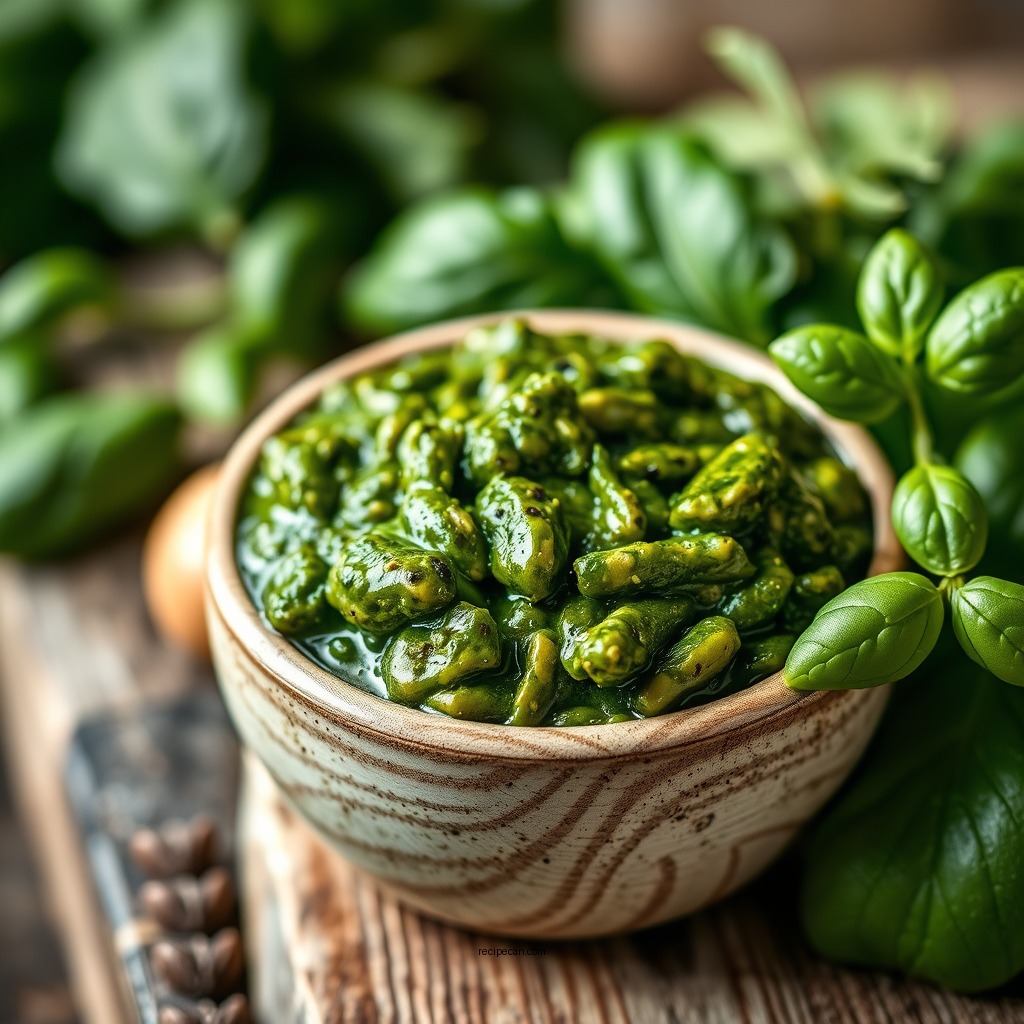
The success of your pesto sauce hinges on the quality of its ingredients. Here’s a breakdown of the essential components that create the rich, aromatic flavor profile of traditional pesto.
– Fresh Basil Leaves: The star ingredient, fresh basil provides a bright, herbal flavor that is both aromatic and slightly sweet. The best basil for pesto is typically Genovese, known for its large leaves and robust taste.
– Pine Nuts: These nuts add a creamy texture and a rich, nutty flavor to the sauce. While they are traditional, they can be substituted if desired.
– Garlic: Fresh garlic cloves contribute a pungent kick, enhancing the overall flavor of the pesto.
– Parmesan Cheese: This aged cheese adds a salty, umami depth that balances the freshness of the basil and the richness of the nuts.
– Olive Oil: A high-quality extra virgin olive oil is crucial for achieving the desired consistency and flavor. It adds a fruity richness that ties all the ingredients together.
– Salt and Pepper: These are essential for seasoning and enhancing the flavors of the other ingredients.
Step-by-Step Guide to Making Pesto
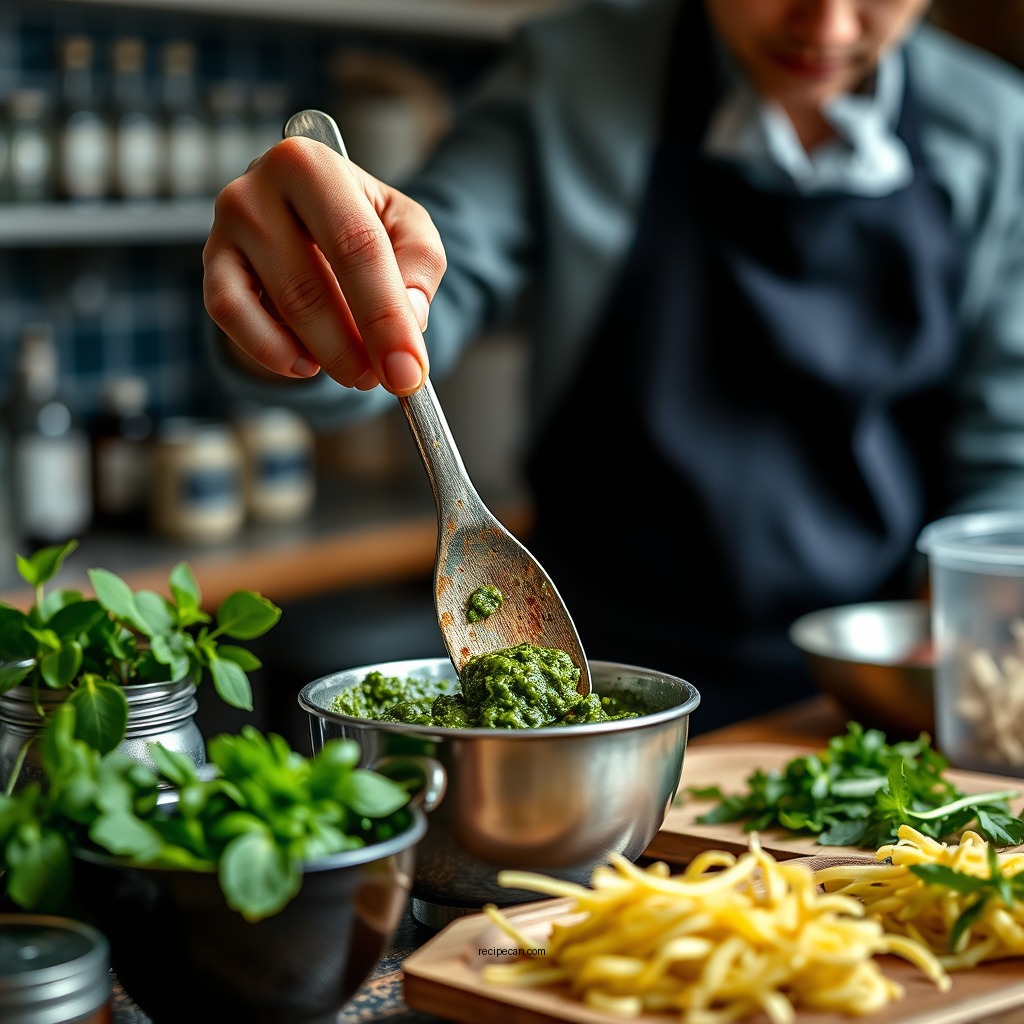
Creating homemade pesto is simple and can be done in just a few minutes. Follow these steps for a perfect sauce every time:
1. Prepare Your Ingredients: Start by washing the basil leaves thoroughly and peeling the garlic cloves.
2. Blend the Basil, Garlic, and Nuts: In a food processor, combine the basil leaves, garlic, and pine nuts. Pulse them together until they are finely chopped. This initial blending helps to release the oils from the basil and the pine nuts.
3. Add the Cheese: Add grated Parmesan cheese to the mixture and pulse again until well combined.
4. Incorporate the Olive Oil: With the processor running, gradually pour in the olive oil. This should be done slowly to ensure that the oil emulsifies with the other ingredients, creating a smooth consistency. Depending on your preference, you can add more or less oil to achieve your desired thickness.
5. Season: Finally, add salt and pepper to taste. Give the pesto one last pulse to mix in the seasoning.
By following these steps, you can create a fresh and vibrant pesto that is sure to impress.
Tips for Achieving the Best Flavor
To ensure your pesto stands out, consider these expert tips:
– Use High-Quality Ingredients: The flavor of your pesto is directly influenced by the quality of the ingredients. Opt for organic basil, fresh garlic, and a good-quality extra virgin olive oil.
– Toast the Pine Nuts: Lightly toasting the pine nuts before blending will enhance their flavor, adding a deeper nuttiness to the sauce. Simply place them in a dry skillet over medium heat for a few minutes, stirring frequently until they are golden brown.
– Experiment with Cheese: While Parmesan is traditional, you can also try Pecorino Romano or Grana Padano for a slightly different flavor profile.
– Adjust Consistency: If you prefer a thinner pesto, you can add a bit of water or more olive oil to achieve the desired consistency.
Comparative Nutritional Values of Pesto Ingredients (per 100g)
| # | Ingredient | Calories | Fat (g) | Protein (g) | Carbs (g) |
|---|---|---|---|---|---|
| 1 | Basil | 23 | 0.6 | 3.2 | 3.1 |
| 2 | Pine Nuts | 673 | 68.4 | 14.9 | 13.1 |
| 3 | Garlic | 149 | 0.5 | 6.4 | 33.1 |
| 4 | Parmesan Cheese | 431 | 29.5 | 38.0 | 4.1 |
| 5 | Olive Oil | 884 | 100.0 | 0.0 | 0.0 |
| 6 | Salt | 0 | 0.0 | 0.0 | 0.0 |
| 7 | Pepper | 255 | 3.3 | 10.4 | 55.0 |
Creative Variations on Classic Pesto
While the classic basil pesto is beloved by many, there are numerous creative variations to explore:
– Nut Substitutions: If you have a nut allergy or simply want to try something different, consider substituting pine nuts with walnuts, almonds, or even cashews. Each nut brings its unique flavor and texture to the sauce.
– Herb Variations: Beyond basil, you can experiment with other herbs. Try using parsley, cilantro, or arugula for a fresh twist. Each herb will impart its unique flavor profile.
– Add Fruits or Vegetables: Incorporating sun-dried tomatoes, roasted red peppers, or even spinach can add a layer of flavor and color to your pesto, making it even more versatile.
– Spice Things Up: For those who enjoy a kick, consider adding a pinch of red pepper flakes or a dash of lemon zest to brighten the sauce.
Storing Your Pesto Sauce
Proper storage of your pesto is key to preserving its freshness and flavor. Here are some effective methods:
– Refrigeration: Store pesto in an airtight container in the refrigerator for up to a week. To prevent browning, consider drizzling a thin layer of olive oil on top before sealing.
– Freezing: For longer storage, pesto freezes exceptionally well. Pour the sauce into ice cube trays and freeze until solid. Once frozen, transfer the cubes to a freezer bag. This allows you to use small portions as needed without defrosting the entire batch.
– Shelf Life: Homemade pesto can last in the freezer for up to six months. When you’re ready to use it, simply thaw in the refrigerator overnight or at room temperature for a few hours.
Pesto Sauce Usage Trends (2024)
Serving Suggestions for Pesto
Pesto’s versatility makes it a delightful addition to various dishes. Here are some serving suggestions to inspire your culinary creativity:
– Pasta: Toss your freshly made pesto with your favorite pasta for a quick and satisfying meal. Pair it with grilled chicken or vegetables to elevate the dish.
– Spread for Sandwiches: Use pesto as a spread on sandwiches, wraps, or paninis. It pairs wonderfully with turkey, mozzarella, and roasted vegetables.
– Pizza Drizzle: Drizzle pesto over pizza instead of traditional tomato sauce for a refreshing twist. Combine it with fresh mozzarella and arugula for a gourmet touch.
– Garnish for Grilled Vegetables: Use pesto as a finishing sauce for grilled vegetables or fish. Its bright flavor complements the smoky taste of grilled foods beautifully.
– Dipping Sauce: Serve pesto as a dip alongside fresh bread, crackers, or raw vegetables for a delightful appetizer.
Using this best pesto sauce recipe, you can enhance your meals with fresh flavors and simple ingredients. Enjoy experimenting with the recipe, and don’t hesitate to share your variations! Whether you stick to the classic recipe or venture into creative adaptations, homemade pesto is sure to become a staple in your kitchen.
Frequently Asked Questions
What are the essential ingredients for the best pesto sauce recipe?
The best pesto sauce recipe typically includes fresh basil leaves, high-quality extra virgin olive oil, pine nuts, grated Parmesan cheese, and garlic. Using fresh, organic ingredients enhances the flavor and aroma of your pesto, making it a perfect addition to pasta dishes, sandwiches, or as a dip.
How can I make a dairy-free pesto sauce that still tastes great?
To create a delicious dairy-free pesto sauce, substitute the Parmesan cheese with nutritional yeast or a vegan cheese alternative. You can also add more nuts, such as cashews or almonds, to maintain a creamy texture while keeping the flavor rich and satisfying.
Why is it important to use fresh basil in pesto sauce?
Fresh basil is crucial in pesto sauce because it provides a vibrant flavor and aroma that dried herbs simply cannot match. The essential oils in fresh basil contribute to the sauce’s unique taste, making it a standout ingredient in any pesto recipe.
What is the best way to store homemade pesto sauce?
The best way to store homemade pesto sauce is in an airtight container in the refrigerator, where it can last up to a week. For longer storage, consider freezing pesto in ice cube trays, then transferring the frozen cubes to a freezer bag, allowing you to easily use just the amount you need later.
Which nuts are the best substitutes for pine nuts in pesto sauce?
The best substitutes for pine nuts in pesto sauce include walnuts, pecans, or sunflower seeds, which can provide a similar texture and nutty flavor. Each option offers a unique twist on the traditional recipe, allowing you to customize your pesto while keeping it delicious and nutritious.
References
- Pesto
https://en.wikipedia.org/wiki/Pesto - NYT Cooking – Recipes and Cooking Guides From The New York Times
https://www.nytimes.com/recipes/1019871/pesto - https://www.theguardian.com/food/2020/jun/27/how-to-make-pesto-a-quick-guide
https://www.theguardian.com/food/2020/jun/27/how-to-make-pesto-a-quick-guide - https://www.cookinglight.com/recipes/classic-basil-pesto
https://www.cookinglight.com/recipes/classic-basil-pesto - https://www.seriouseats.com/how-to-make-pesto
https://www.seriouseats.com/how-to-make-pesto - https://www.foodnetwork.com/recipes/articles/50-pesto-recipes
https://www.foodnetwork.com/recipes/articles/50-pesto-recipes - Google Scholar Google Scholar
https://scholar.google.com/scholar?q=best+pesto+sauce+recipe - Google Scholar Google Scholar
https://scholar.google.com/scholar?q=pesto+sauce+recipe+culinary+techniques - best pesto sauce recipe – Search results
https://en.wikipedia.org/wiki/Special:Search?search=best+pesto+sauce+recipe - https://www.ncbi.nlm.nih.gov/search/research-articles/?term=best+pesto+sauce+recipe
https://www.ncbi.nlm.nih.gov/search/research-articles/?term=best+pesto+sauce+recipe