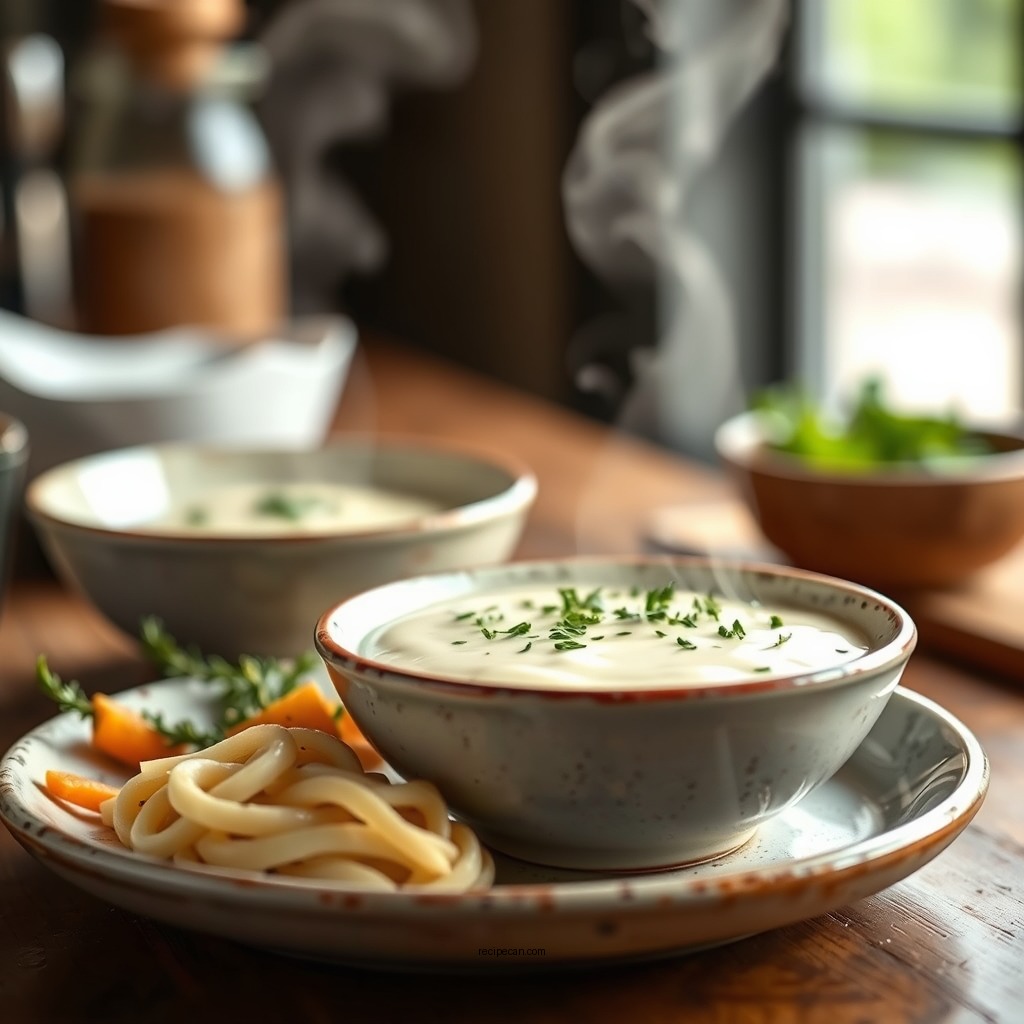
Beurre blanc sauce is a classic French sauce that is both rich and creamy, made primarily from butter, white wine, and shallots. This sauce is renowned for its luxurious texture and tangy flavor, making it a perfect accompaniment for seafood, poultry, and vegetables. In this article, you will learn how to create this exquisite sauce from scratch, along with tips to perfect your technique and suggestions for ideal pairings.
Understanding Beurre Blanc
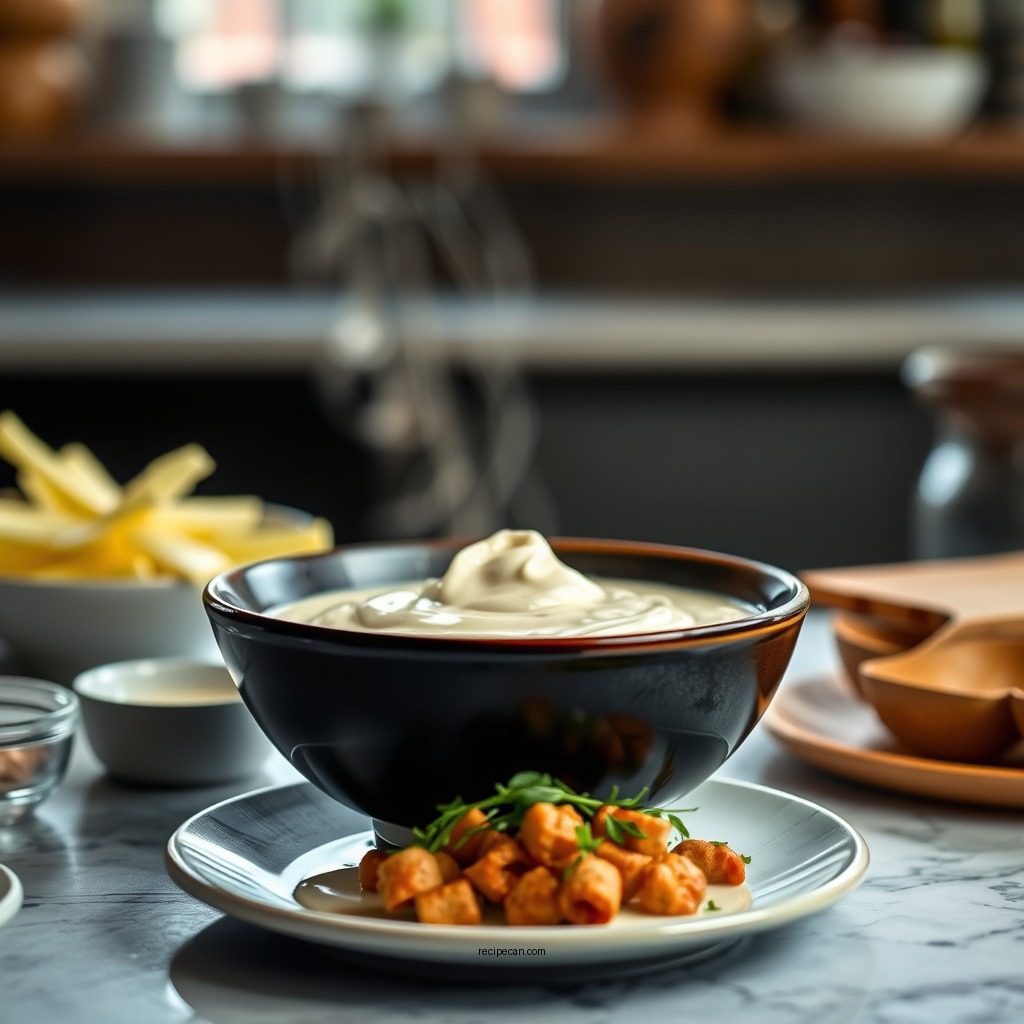
Originating in France, beurre blanc translates to “white butter.” This sauce is characterized by its smooth, buttery consistency, which is achieved through the emulsification of cold butter into a reduction of white wine and shallots. Traditionally, it is served with a variety of dishes, particularly seafood, where its acidity cuts through the richness of the fish, enhancing the overall flavor profile. Additionally, beurre blanc pairs wonderfully with poultry and seasonal vegetables, making it a versatile addition to any culinary repertoire.
The origins of beurre blanc can be traced back to the Loire Valley, where it was first developed in the early 20th century. The technique of emulsifying butter into a warm liquid creates a silky sauce that elevates the simplest of meals into something truly extraordinary. Understanding the fundamentals of this sauce is crucial for any aspiring chef or home cook looking to impress at the dinner table.
Ingredients Needed
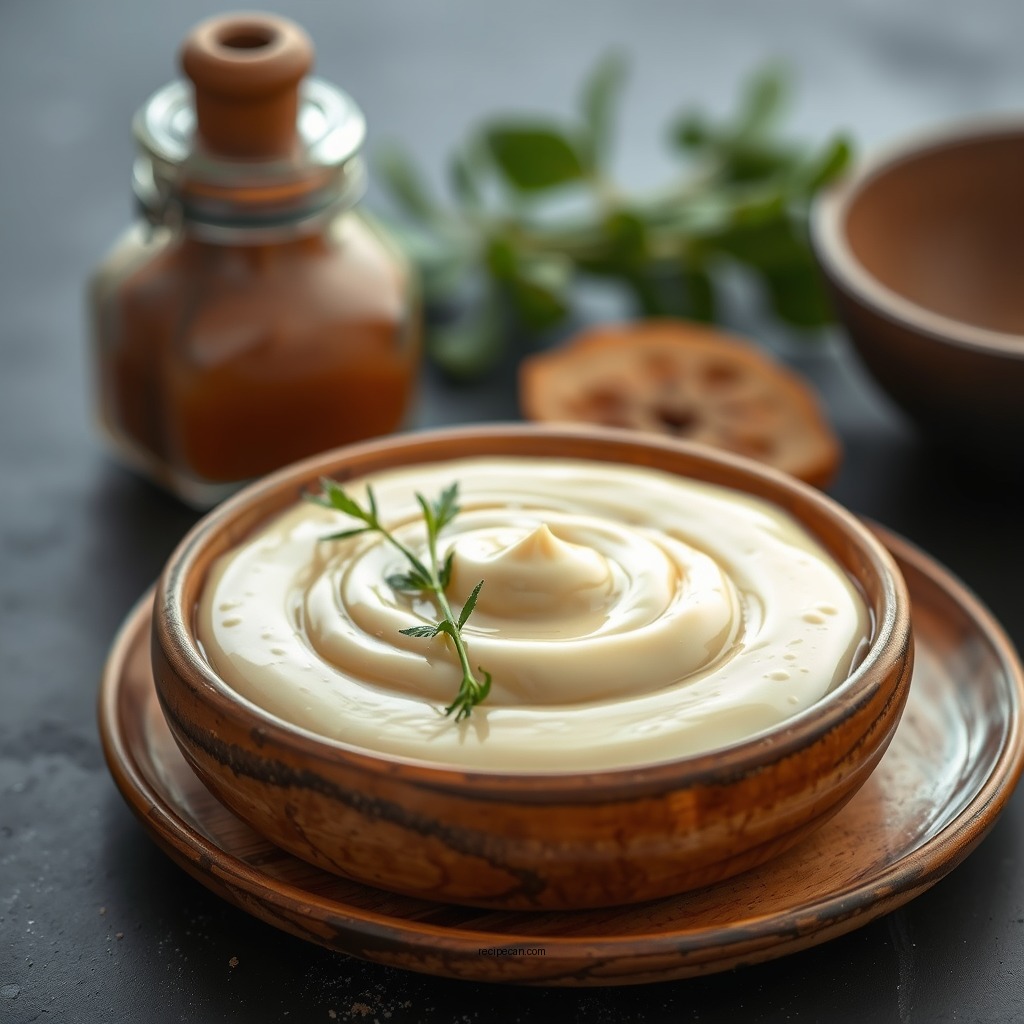
Creating a perfect beurre blanc sauce requires just a few high-quality ingredients:
– Unsalted Butter: The backbone of this sauce, unsalted butter is essential for achieving that creamy texture. Using unsalted butter allows you to control the seasoning and flavor of the sauce more effectively.
– White Wine: A dry white wine adds acidity and depth to the sauce. It’s important to choose a wine that you would also enjoy drinking, as its flavor will be concentrated in the sauce.
– Shallots: These provide a mild onion flavor that complements the richness of the butter and the acidity of the wine, adding a subtle sweetness to the sauce.
The simplicity of these ingredients is what makes beurre blanc both accessible and elegant, allowing it to shine in various culinary applications.
Step-by-Step Instructions
Making beurre blanc sauce involves a few straightforward steps:
1. Prepare the Reduction: In a medium saucepan, combine 1/2 cup of dry white wine and 1/4 cup of finely chopped shallots. Bring the mixture to a simmer over medium heat and let it reduce until it becomes syrupy, which should take about 10 minutes.
2. Incorporate the Butter: Once the reduction is ready, lower the heat to the minimum setting. Gradually whisk in 1 cup of cold, cubed unsalted butter, a few pieces at a time, ensuring each addition is fully emulsified before adding more. This gradual process is crucial for achieving the smooth texture that defines beurre blanc.
3. Season the Sauce: Once all the butter is incorporated, taste the sauce and season it with salt and freshly ground white pepper. If desired, you can also add a squeeze of fresh lemon juice to enhance the brightness of the flavor.
4. Serve Immediately: Beurre blanc is best served fresh and warm. Pour it over your favorite seafood, poultry, or vegetables right before serving.
📋 MANDATORY DATA TABLE
Essential Ingredients for Beurre Blanc
| # | Ingredient | Quantity | Function |
|---|---|---|---|
| 1 | Unsalted Butter | 1 cup | Base of the sauce |
| 2 | White Wine | 1/2 cup | Adds acidity |
| 3 | Shallots | 1/4 cup | Flavor base |
| 4 | Salt | To taste | Enhances flavor |
| 5 | White Pepper | To taste | Adds warmth |
| 6 | Lemon Juice | Optional | Brightens flavor |
📈 MANDATORY BAR CHART
Flavor Contribution of Beurre Blanc Ingredients
Tips for Perfecting Your Sauce
To create a flawless beurre blanc sauce, consider these expert tips:
– Use High-Quality Butter: The quality of butter significantly affects the flavor of your sauce. Opt for European-style butter, which has a higher fat content, resulting in a richer sauce.
– Maintain Low Heat: Keeping the heat low is essential to prevent the sauce from breaking. High temperatures can cause the butter to separate, resulting in a greasy texture rather than the desired creaminess.
– Whisk Consistently: A steady whisking motion during the incorporation of butter is critical for emulsification. If the sauce begins to cool, it may become difficult to emulsify, so work quickly.
– Serve Fresh: Beurre blanc is best served immediately. If you need to hold it for a short time, keep it over a warm water bath to maintain its temperature and consistency.
Variations on Beurre Blanc
Once you’ve mastered the classic recipe, consider experimenting with variations to enhance your beurre blanc:
– Different Wines: While dry white wine is traditional, you can try using dry vermouth or even champagne for a more unique flavor profile.
– Herbs and Spices: Incorporate fresh herbs such as tarragon, chervil, or dill for added complexity. A pinch of saffron can also elevate the sauce to new heights.
– Citrus Zest: Adding lemon or orange zest can provide a refreshing brightness that contrasts beautifully with the richness of the butter.
– Infusions: Consider infusing your wine reduction with garlic, ginger, or shallots for an extra layer of flavor.
Common Mistakes to Avoid
To ensure your beurre blanc sauce turns out perfectly, be mindful of these common pitfalls:
– Insufficient Wine Reduction: Not reducing the wine enough can lead to a watery sauce that lacks flavor intensity. Aim for a syrupy consistency to concentrate the flavors.
– Rapid Butter Incorporation: Whisking in the butter too quickly can cause the sauce to separate. Gradually adding the butter while whisking continuously helps to create a stable emulsion.
– Serving Temperature: Allowing the sauce to cool too much before serving can result in a thickened, undesirable texture. Always serve it warm, fresh off the stove.
In summary, mastering beurre blanc sauce opens up a world of culinary possibilities, allowing you to enhance a variety of dishes with its rich and tangy character. With practice and attention to detail, you’ll create a sauce that not only complements your meals but also impresses your guests.
Beurre blanc sauce is a versatile and elegant addition to many dishes. With this guide, you can create a creamy, flavorful sauce that will impress your guests and elevate your meals. Don’t hesitate to experiment with variations and serve it alongside your favorite proteins or vegetables!
Frequently Asked Questions
What ingredients are needed for a classic beurre blanc sauce recipe?
A classic beurre blanc sauce recipe typically requires unsalted butter, shallots, white wine (or white wine vinegar), and heavy cream. The combination of these ingredients creates a rich, velvety sauce that pairs beautifully with fish, seafood, and vegetables.
How do you make beurre blanc sauce from scratch?
To make beurre blanc sauce from scratch, start by finely chopping shallots and simmering them in white wine until reduced by half. Next, add heavy cream and continue to simmer before gradually whisking in cold, cubed unsalted butter until the sauce is thick and emulsified. Season with salt and pepper to taste, and serve immediately for the best flavor and texture.
Why is beurre blanc sauce often served with fish dishes?
Beurre blanc sauce is often served with fish dishes because its rich, buttery flavor and creamy texture complement the delicate taste of fish, enhancing the overall dining experience. The acidity from the wine also helps to cut through the richness, balancing the flavors beautifully.
What is the best way to store leftover beurre blanc sauce?
The best way to store leftover beurre blanc sauce is to let it cool to room temperature, then transfer it to an airtight container and refrigerate it for up to 2 days. To reheat, gently warm it on low heat while whisking continuously to restore its emulsified texture, as the sauce can separate when cooled.
Which variations of beurre blanc sauce can I try for different flavors?
You can try various beurre blanc sauce variations by incorporating different flavorings such as fresh herbs (like tarragon or dill), citrus juices (like lemon or orange), or even flavored vinegars. These additions can elevate the sauce and complement a wide range of dishes, making it a versatile option in your culinary repertoire.
References
- Beurre blanc
https://en.wikipedia.org/wiki/Beurre_blanc - https://www.bbc.co.uk/food/recipes/beurre_blanc_23532
https://www.bbc.co.uk/food/recipes/beurre_blanc_23532 - https://www.thespruceeats.com/beurre-blanc-recipe-1375877
https://www.thespruceeats.com/beurre-blanc-recipe-1375877 - https://www.seriouseats.com/beurre-blanc-recipe-5117280
https://www.seriouseats.com/beurre-blanc-recipe-5117280 - https://www.foodnetwork.com/recipes/emeril-lagasse/beurre-blanc-recipe-1945253
https://www.foodnetwork.com/recipes/emeril-lagasse/beurre-blanc-recipe-1945253 - Google Scholar Google Scholar
https://scholar.google.com/scholar?q=beurre+blanc+sauce+recipe - Google Scholar Google Scholar
https://scholar.google.com/scholar?q=beurre+blanc+culinary+techniques - Google Scholar Google Scholar
https://scholar.google.com/scholar?q=beurre+blanc+history+and+preparation - https://www.cookinglight.com/cooking-101/techniques/how-make-beurre-blanc-sauce
https://www.cookinglight.com/cooking-101/techniques/how-make-beurre-blanc-sauce - beurre blanc sauce recipe – Search results
https://en.wikipedia.org/wiki/Special:Search?search=beurre+blanc+sauce+recipe