Making a delicious special sauce at home is easier than you might think. This versatile sauce can elevate burgers, sandwiches, and salads with its unique flavor. In this article, you’ll learn a simple recipe for crafting your own special sauce, along with tips on customizing it to suit your taste. With just a few basic ingredients, you can create a condiment that not only complements your dishes but also reflects your personal flavor preferences.
The Base Ingredients
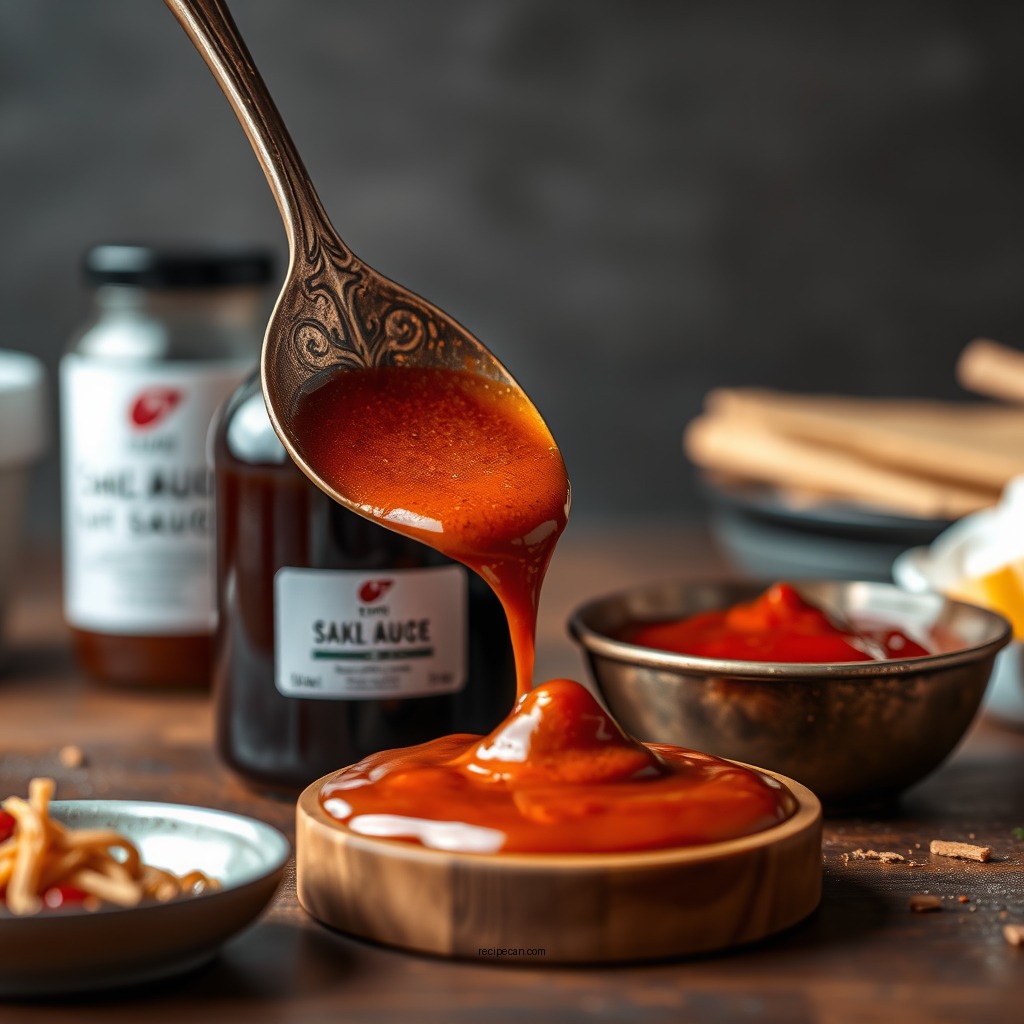
To create a balanced and flavorful special sauce, start with a few essential base ingredients:
– Mayonnaise: Serving as the creamy foundation, mayonnaise contributes a rich texture that makes your sauce smooth and delightful. It acts as a neutral base that allows other flavors to shine.
– Ketchup: This classic condiment adds a touch of sweetness and tanginess, creating a perfect balance with the creaminess of mayonnaise. Ketchup also provides a vibrant color that enhances the visual appeal of your sauce.
– Mustard: Incorporating mustard introduces a slight zing that enhances the overall taste profile. The sharpness of mustard contrasts beautifully with the sweetness of ketchup, creating a well-rounded flavor.
These three ingredients form the backbone of your special sauce, but the real magic happens when you start adding flavors.
Adding Flavors
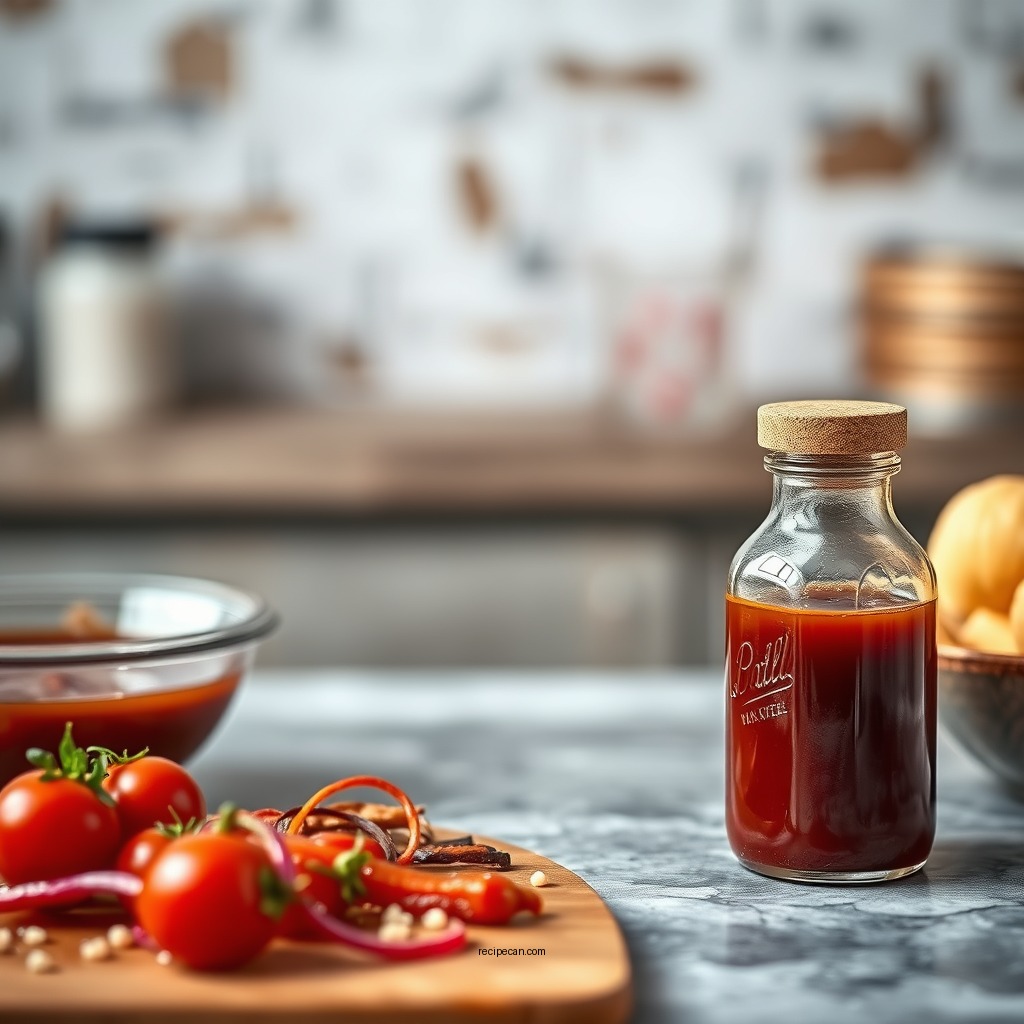
To elevate your special sauce, consider incorporating these flavor enhancers:
– Garlic Powder: Adding garlic powder infuses your sauce with a subtle garlicky depth, enhancing its complexity. Garlic is renowned for its aromatic qualities, which can awaken the palate.
– Onion Powder: This ingredient contributes a mild, savory flavor profile that complements the other elements in the sauce. It’s an excellent way to add depth without overpowering the sauce.
– Paprika: Known for its vibrant color and mild smokiness, paprika introduces a unique flavor that can transform your sauce into something extraordinary. It can also give your sauce an appealing reddish hue.
By carefully selecting these additional flavors, you can create a sauce that is not only delicious but also uniquely yours.
Customizing Your Sauce
Customization is where your special sauce can truly shine. Here are some ideas to make it your own:
– Pickle Relish: Adding pickle relish can bring a delightful sweetness and crunch to your sauce. This ingredient is perfect for those who enjoy a tangy twist, reminiscent of classic burger sauces.
– Hot Sauce: For those who enjoy a bit of heat, incorporating hot sauce can add a spicy kick. You can adjust the amount based on your heat preference, making it a versatile addition for all palates.
– Herbs and Spices: Don’t be afraid to experiment with fresh or dried herbs like dill, parsley, or cilantro. A pinch of cayenne can also provide an unexpected twist, elevating the flavor profile to new heights.
The beauty of making your own special sauce lies in the ability to tailor it to your taste. Whether you prefer a sweet, tangy, or spicy sauce, the options are virtually limitless.
Popular Additions to Special Sauce (2024)
| # | Ingredient | Popularity (%) | Usage in Recipes (%) |
|---|---|---|---|
| 1 | Pickle Relish | 45% | 60% |
| 2 | Hot Sauce | 37% | 55% |
| 3 | Garlic Powder | 52% | 75% |
| 4 | Onion Powder | 40% | 50% |
| 5 | Dill | 30% | 45% |
| 6 | Cayenne Pepper | 25% | 35% |
| 7 | Worcestershire Sauce | 20% | 30% |
Mixing and Storing
Creating your special sauce is a straightforward process:
– Combine Ingredients: In a mixing bowl, blend all the base ingredients along with your chosen flavor enhancers. Use a whisk or spatula to ensure everything is well incorporated and smooth. The goal is to achieve a creamy consistency without lumps.
– Refrigerate: After mixing, cover the bowl and allow the sauce to chill in the refrigerator for at least one hour. This resting period is crucial as it allows the flavors to meld together, resulting in a more harmonious taste.
– Storage Tips: Store your special sauce in an airtight container in the refrigerator. Properly stored, it can last for up to two weeks. Always check for freshness before use, and give it a quick stir before serving.
By following these steps, you’ll have a delicious sauce ready to enhance your meals.
Serving Suggestions
Your homemade special sauce can be used in a variety of delicious ways:
– Burgers and Sandwiches: A generous dollop of your special sauce can transform an ordinary burger or sandwich into a gourmet experience. Its creamy texture and flavorful profile are perfect complements to grilled meats and fresh vegetables.
– Dipping Sauce: Serve your sauce as a dipping accompaniment for fries, onion rings, or fresh veggies. Its versatility makes it an excellent choice for parties and gatherings, where guests can enjoy it with an array of snacks.
– Salad Dressing: If you’re looking for a creamy dressing alternative, your special sauce works beautifully on salads. It can enhance the taste of greens, adding both flavor and richness.
By incorporating your special sauce into various dishes, you can elevate everyday meals and impress your guests with minimal effort.
Troubleshooting Common Issues
While making your special sauce is relatively simple, you may encounter a few common issues. Here are some solutions:
– Too Tangy: If your sauce turns out to be overly tangy, balance it with a bit more mayonnaise or a teaspoon of sugar. This adjustment can help to mellow the acidity and create a more rounded flavor.
– Too Thick: If the sauce is thicker than desired, thin it out by adding a splash of milk or lemon juice. This will help achieve your preferred consistency while maintaining flavor.
– Flavor Lacks Depth: If you find that your sauce lacks complexity, try adding more spices or a dash of Worcestershire sauce. These enhancements can bring additional layers of flavor that elevate your sauce.
By addressing these common issues, you can ensure that your special sauce is always a crowd-pleaser.
In summary, making your own special sauce is a fun and rewarding kitchen project that can greatly enhance your meals. With a few basic ingredients and some creativity, you can whip up a sauce that’s tailored to your taste preferences. Try out the recipe, experiment with variations, and enjoy your homemade flavor masterpiece! Whether you’re spicing up a burger, serving as a dip, or drizzling over salads, your special sauce is sure to become a staple in your culinary repertoire.
Frequently Asked Questions
What are the key ingredients in a classic special sauce recipe?
A classic special sauce recipe typically includes mayonnaise, ketchup, sweet pickle relish, and a splash of vinegar or lemon juice. Some variations also incorporate spices like garlic powder, onion powder, and paprika for added flavor. This combination creates a tangy, creamy sauce that enhances burgers and sandwiches.
How can I customize my special sauce recipe to suit my taste?
You can customize your special sauce recipe by adjusting the ratios of mayonnaise and ketchup to make it creamier or tangier. Adding ingredients like sriracha for heat, or Dijon mustard for a sharper flavor can also enhance the taste. Experimenting with herbs and spices like dill or cayenne pepper can give your sauce a unique twist.
Why is special sauce so popular in fast food restaurants?
Special sauce is popular in fast food restaurants because it adds a distinctive flavor that enhances the overall taste of burgers and sandwiches. Its creamy texture and balanced sweetness appeal to a wide audience, making meals more enjoyable. Additionally, the proprietary nature of many special sauces creates a sense of exclusivity, enticing customers to return for that unique taste.
What is the best way to store homemade special sauce?
The best way to store homemade special sauce is in an airtight container in the refrigerator, where it can last for up to a week. For optimal flavor, allow the sauce to chill for a few hours before serving, as this helps the ingredients meld together. Always check for freshness before use, and discard if there are any changes in smell or texture.
Which dishes pair well with special sauce?
Special sauce pairs well with a variety of dishes, including burgers, fries, and sandwiches. It also complements grilled chicken, fish tacos, and even as a dip for veggies or chips. Its versatility makes it a great addition to picnics or barbecues, enhancing both casual and gourmet meals.
References
- Big Mac
https://en.wikipedia.org/wiki/Special_sauce - https://www.bbc.com/news/magazine-37409831
https://www.bbc.com/news/magazine-37409831 - https://www.nytimes.com/2016/05/25/dining/secret-sauce-burger.html
https://www.nytimes.com/2016/05/25/dining/secret-sauce-burger.html - https://www.sciencedirect.com/topics/food-science/sauce
https://www.sciencedirect.com/topics/food-science/sauce - https://www.britannica.com/topic/sauce
https://www.britannica.com/topic/sauce - https://pubmed.ncbi.nlm.nih.gov/16274171/
https://pubmed.ncbi.nlm.nih.gov/16274171/ - https://www.cdc.gov/nutrition/resources-publications/healthy-eating.html
https://www.cdc.gov/nutrition/resources-publications/healthy-eating.html - https://scholar.google.com/scholar?q=special+sauce+recipe Google Scholar
https://scholar.google.com/scholar?q=special+sauce+recipe - https://scholar.google.com/scholar?q=special+sauce+culinary+techniques Google Scholar
https://scholar.google.com/scholar?q=special+sauce+culinary+techniques - https://scholar.google.com/scholar?q=condiment+recipes+special+sauce Google Scholar
https://scholar.google.com/scholar?q=condiment+recipes+special+sauce