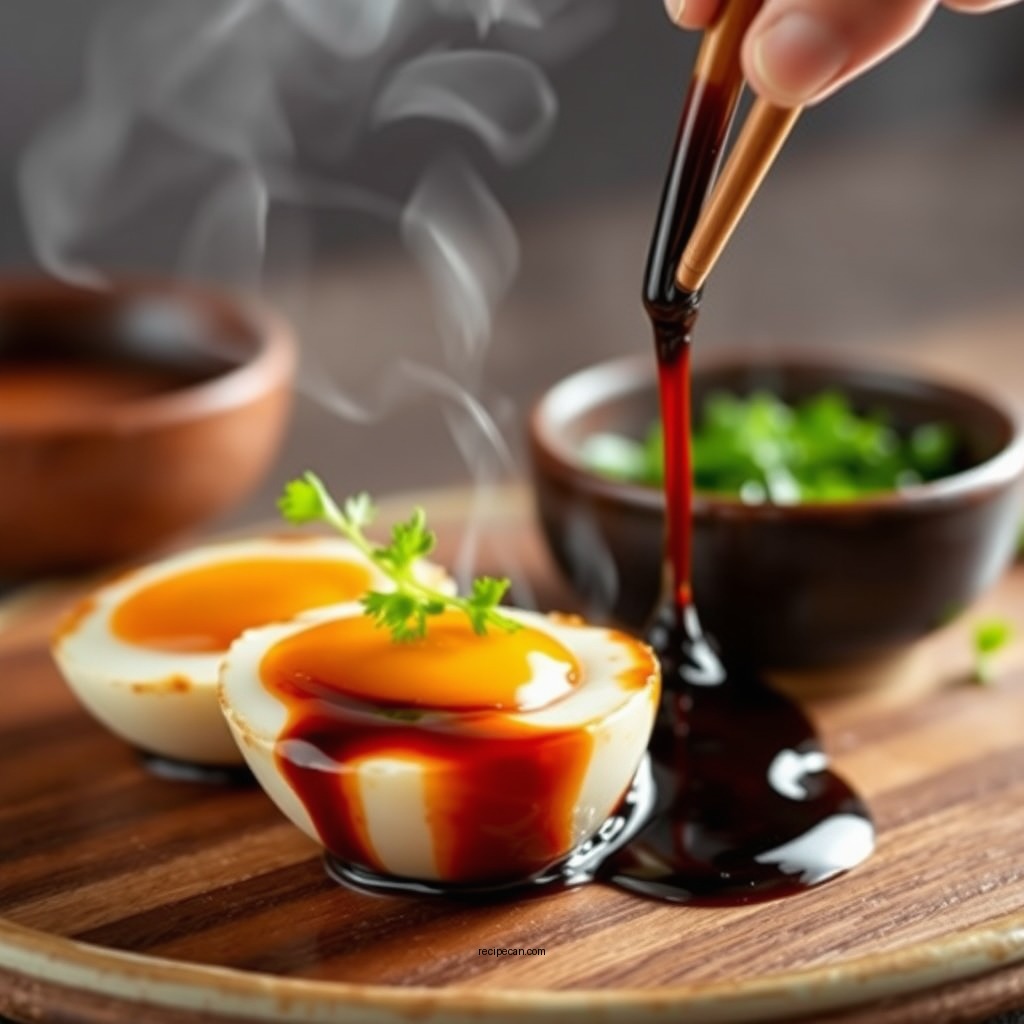
Making soy sauce eggs is a straightforward process that results in deliciously marinated eggs perfect for snacking or adding to meals. This recipe guides you through creating these savory, flavorful eggs with minimal ingredients and effort, ensuring a tasty treat every time. Soy sauce eggs are not just a delightful snack; they can also elevate various dishes with their umami flavor, making them versatile additions to your culinary repertoire.
Ingredients Needed for Soy Sauce Eggs
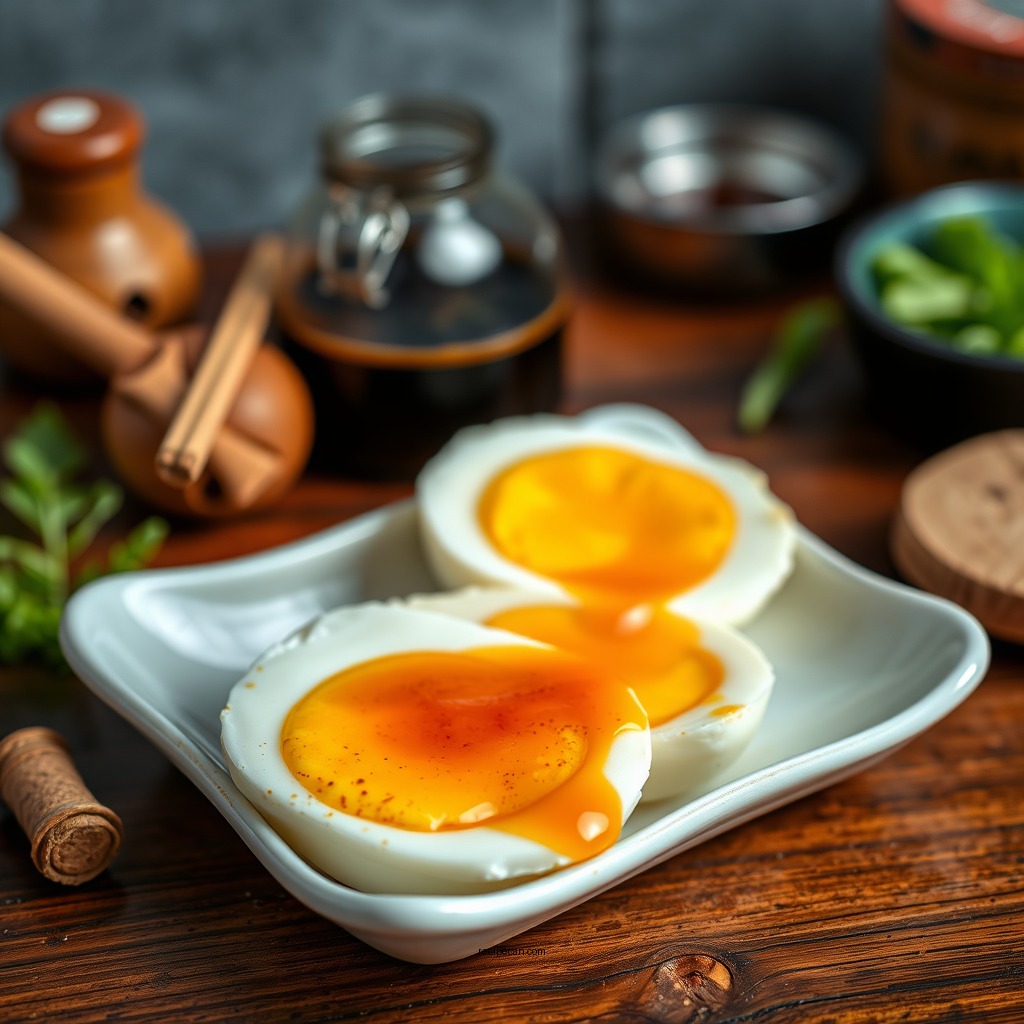
To create delicious soy sauce eggs, you will need the following ingredients:
– Soy Sauce: A high-quality soy sauce is essential for achieving the best flavor. Opt for naturally brewed varieties, as they tend to have a more complex taste profile.
– Eggs: Fresh, large eggs are ideal for this recipe. Look for eggs with bright, vibrant yolks, as they will enhance the visual appeal of your finished dish.
– Optional Flavorings: While the basic recipe is simple, consider adding mirin (a sweet rice wine), minced garlic, or grated ginger for extra depth of flavor. Each of these ingredients can introduce a unique twist to the eggs, catering to your personal taste preferences.
Preparing the Eggs
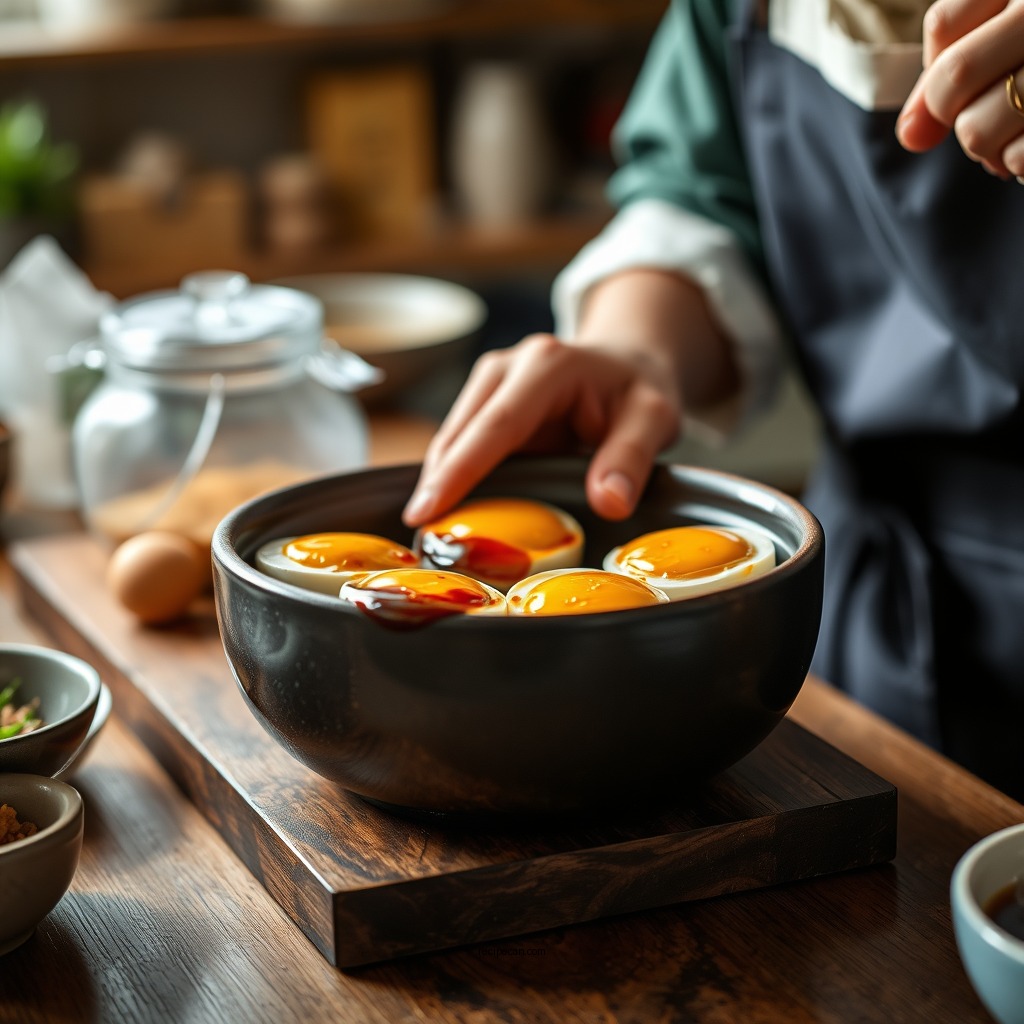
The preparation of the eggs is a crucial step in ensuring the perfect soy sauce eggs. Here’s how to do it:
– Boil the Eggs: Start by bringing a pot of water to a rolling boil. Carefully lower the eggs into the boiling water using a slotted spoon. Cook the eggs for about 6-7 minutes for a soft center, or adjust the time according to your preference for doneness.
– Cool the Eggs: Once the cooking time is up, immediately transfer the eggs to an ice bath. This rapid cooling stops the cooking process and helps prevent the formation of a green ring around the yolk, resulting in a more visually appealing egg.
Making the Marinade
The marinade is where the magic happens, infusing the eggs with rich flavors. Follow these steps to create your marinade:
– Combine Ingredients: In a bowl, mix together soy sauce with an equal part of water. If you’re using optional flavorings, add them at this stage. A typical ratio might be ½ cup soy sauce to ½ cup water, along with 1-2 tablespoons of mirin, minced garlic, or grated ginger.
– Adjust Seasoning: Taste your marinade and adjust the seasoning according to your preference. You may wish to add more soy sauce for saltiness or a touch of sugar to balance the flavors, especially if you added vinegar or acidity.
Soy Sauce Eggs Flavor Profile Comparison
| # | Flavoring | Flavor Depth | Sweetness | Umami |
|---|---|---|---|---|
| 1 | Soy Sauce | High | Low | High |
| 2 | Mirin | Medium | High | Medium |
| 3 | Garlic | Medium | Low | Medium |
| 4 | Ginger | Medium | Low | Medium |
| 5 | Vinegar | Low | Medium | Low |
| 6 | Sugar | Low | High | Low |
Marinating the Eggs
Now that your eggs are boiled and cooled, and your marinade is ready, it’s time to combine them.
– Peel the Eggs: Carefully peel the cooled eggs, taking care to avoid breaking them. A gentle tap on a hard surface followed by rolling the egg can help loosen the shell.
– Submerge in Marinade: Place the peeled eggs into the marinade, ensuring they are fully submerged. If necessary, use a small plate or weight to keep them submerged in the liquid. This will ensure even marination.
Recommended Marination Time
The marination process significantly affects the flavor of your soy sauce eggs:
– Short Marination: If you prefer a lighter flavor, let the eggs marinate for 2-4 hours. This will impart a subtle soy sauce flavor without overwhelming the natural taste of the egg.
– Longer Marination: For a more intense flavor, marinate the eggs overnight in the refrigerator. This allows the soy sauce to penetrate deeply into the egg, creating a rich, savory taste that pairs beautifully with various dishes.
Serving Suggestions
Soy sauce eggs can be enjoyed in numerous ways, making them a versatile addition to your meal plan.
– Snack Time: Enjoy the soy sauce eggs as a quick snack or appetizer. They can be sliced in half and served with a sprinkle of sesame seeds or chopped green onions for added texture and flavor.
– Meal Enhancement: Incorporate them into rice bowls, salads, or ramen for a protein boost. Their savory flavor complements many dishes, and they can be a delightful topping for sushi or poke bowls.
Storage Tips
To maximize the shelf life of your soy sauce eggs, follow these storage guidelines:
– Refrigeration: Store leftover soy sauce eggs in the marinade in an airtight container. This will help maintain their flavor and prevent them from drying out.
– Shelf Life: Soy sauce eggs can last up to a week in the refrigerator. However, the flavor may intensify over time, making them even more delicious as they sit.
Marination Impact on Flavor Intensity (%)
Enjoy your homemade soy sauce eggs as a versatile addition to your meals or as a delightful snack. Experiment with different marinades and serving ideas to find your favorite twist on this classic recipe! Whether you are preparing a quick snack or enhancing a gourmet dish, soy sauce eggs provide a unique and satisfying flavor that will impress your family and friends.
Frequently Asked Questions
What ingredients do I need for a soy sauce eggs recipe?
To make soy sauce eggs, you will need large eggs, soy sauce, water, mirin (optional), and sugar. The basic ingredients create a savory marinade that infuses the eggs with rich flavor, making them perfect as a topping for rice or ramen dishes.
How do I properly marinate soy sauce eggs for the best flavor?
To achieve maximum flavor, hard boil your eggs and let them cool before peeling. Prepare a marinade using equal parts soy sauce and water, adding mirin and sugar if desired. Submerge the peeled eggs in the marinade and refrigerate for at least 4 hours, or overnight for a more intense flavor.
Why are soy sauce eggs a popular choice in Asian cuisine?
Soy sauce eggs are popular in Asian cuisine due to their umami-rich flavor and versatility. They can enhance various dishes, from ramen to rice bowls, and are often enjoyed as a quick snack or appetizer. Their simplicity and ability to be prepped in advance make them a favorite in meal prep.
What is the best way to serve soy sauce eggs?
The best way to serve soy sauce eggs is to slice them in half and place them atop a bowl of steaming ramen or rice. They can also be enjoyed on their own as a protein-rich snack or used as a garnish for salads and grain bowls to elevate the meal with added flavor.
Which type of soy sauce is best for making soy sauce eggs?
For making soy sauce eggs, a lighter soy sauce like usukuchi soy sauce is often recommended, as it provides a balanced flavor without overpowering the dish. However, if you prefer a richer taste, you can use regular or dark soy sauce, keeping in mind that it may lead to a darker color and stronger flavor in the eggs.
References
- Soy sauce
https://en.wikipedia.org/wiki/Soy_sauce - https://www.ncbi.nlm.nih.gov/pmc/articles/PMC4809000/
https://www.ncbi.nlm.nih.gov/pmc/articles/PMC4809000/ - https://www.ncbi.nlm.nih.gov/pmc/articles/PMC5503050/
https://www.ncbi.nlm.nih.gov/pmc/articles/PMC5503050/ - https://www.sciencedirect.com/topics/food-science/soy-sauce
https://www.sciencedirect.com/topics/food-science/soy-sauce - https://www.bbc.com/food/recipes/soy_sauce_eggs_81187
https://www.bbc.com/food/recipes/soy_sauce_eggs_81187 - https://www.theguardian.com/food/2020/may/27/how-to-make-perfect-ramen-egg
https://www.theguardian.com/food/2020/may/27/how-to-make-perfect-ramen-egg - https://www.nytimes.com/2020/03/25/dining/ramen-egg-recipe.html
https://www.nytimes.com/2020/03/25/dining/ramen-egg-recipe.html - Google Scholar Google Scholar
https://scholar.google.com/scholar?q=soy+sauce+eggs+recipe - Google Scholar Google Scholar
https://scholar.google.com/scholar?q=soy+sauce+nutrition - Google Scholar Google Scholar
https://scholar.google.com/scholar?q=Japanese+egg+recipes+with+soy+sauce