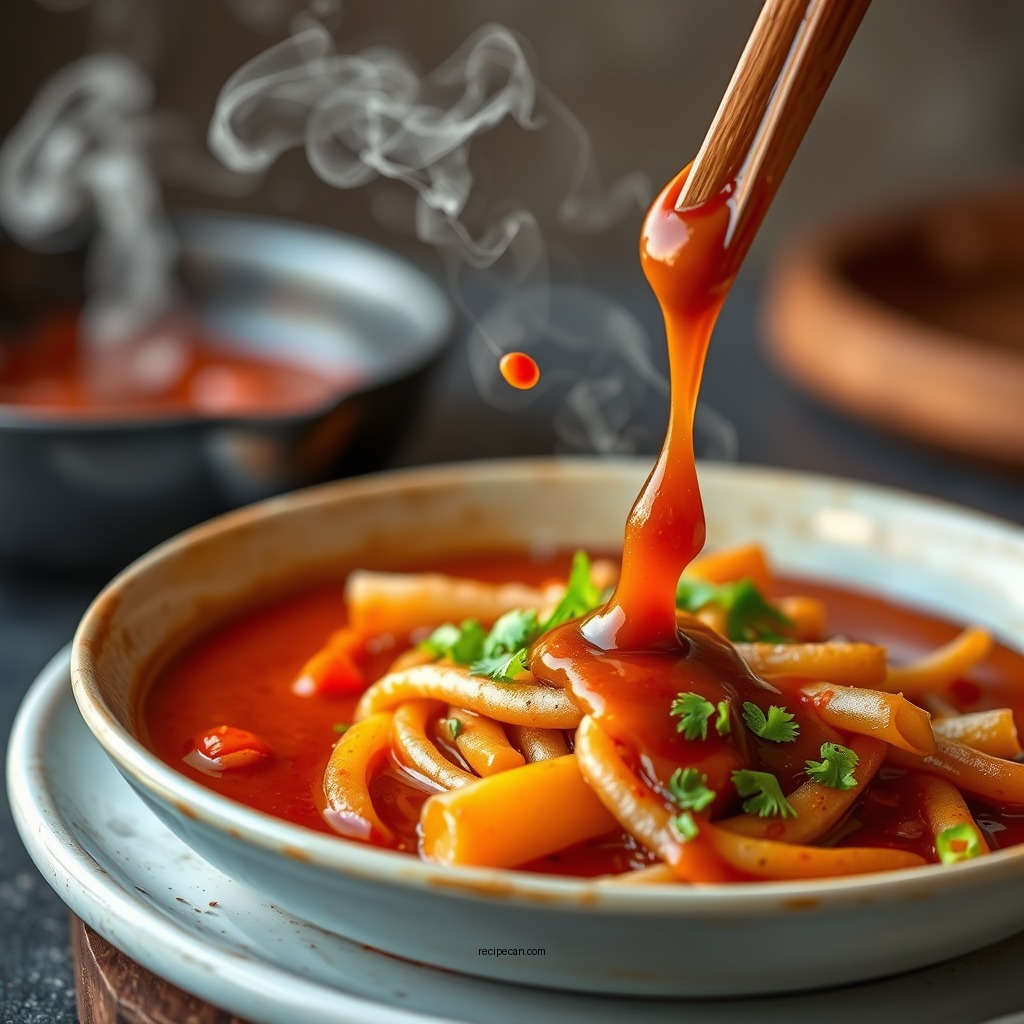
If you’re looking for a quick and easy way to elevate your stir fry dishes, creating a homemade stir fry sauce is the perfect solution. This simple recipe not only allows you to control the flavors and ingredients but also ensures a fresher taste compared to store-bought alternatives. In this guide, you’ll learn how to make a delicious stir fry sauce from scratch, including essential ingredients, customization tips, and storage advice.
Understanding the Basics of Stir Fry Sauce
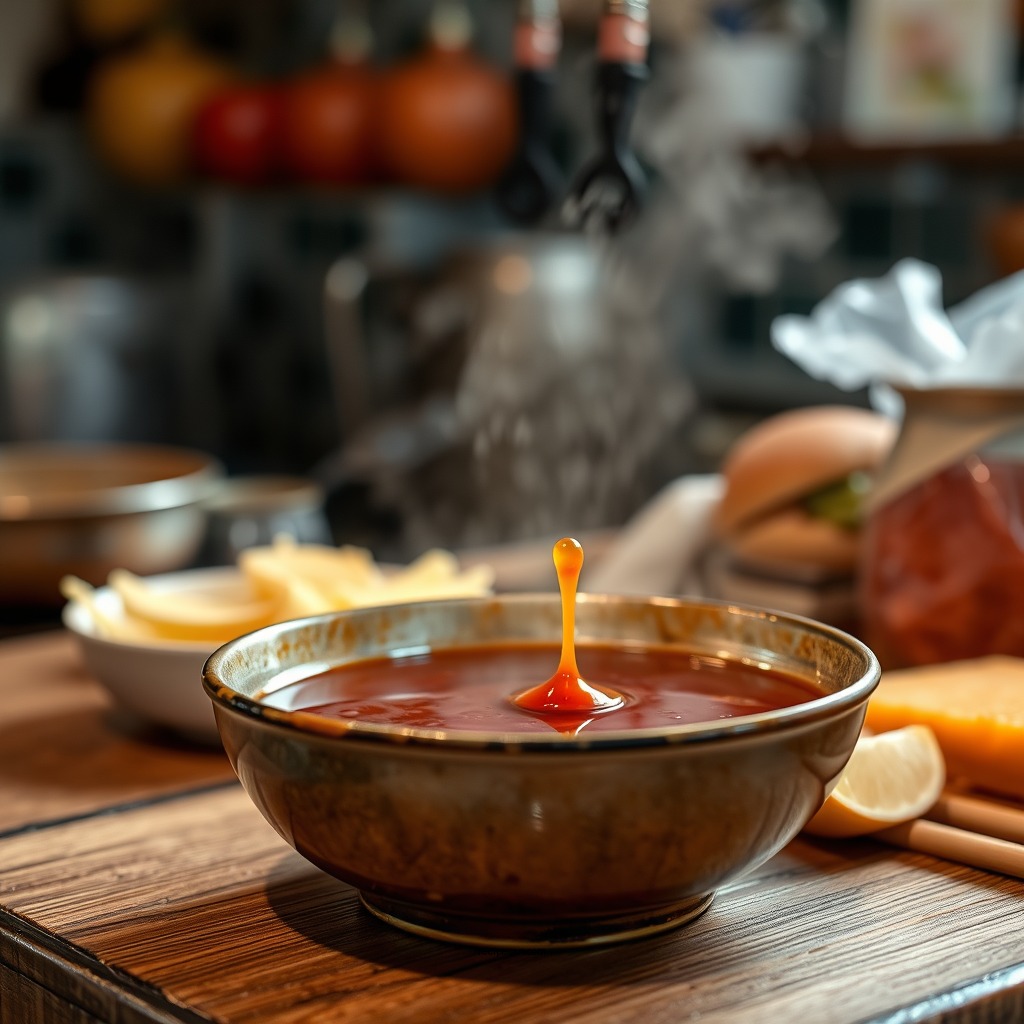
Stir fry sauce is a vital component that brings depth and flavor to your dishes. The foundation of a great stir fry sauce typically includes soy sauce, garlic, ginger, and sesame oil. These ingredients combine to create a balanced flavor profile that is salty, sweet, and umami-rich, which is essential for a satisfying stir fry experience. Understanding this balance will help you adjust the flavors to suit your personal taste while enhancing the overall dish.
A well-crafted stir fry sauce is versatile and can be used with various proteins and vegetables. By mastering the basic components, you can create an array of flavors that complement different ingredients, making your meals more exciting and enjoyable.
Essential Ingredients for Stir Fry Sauce
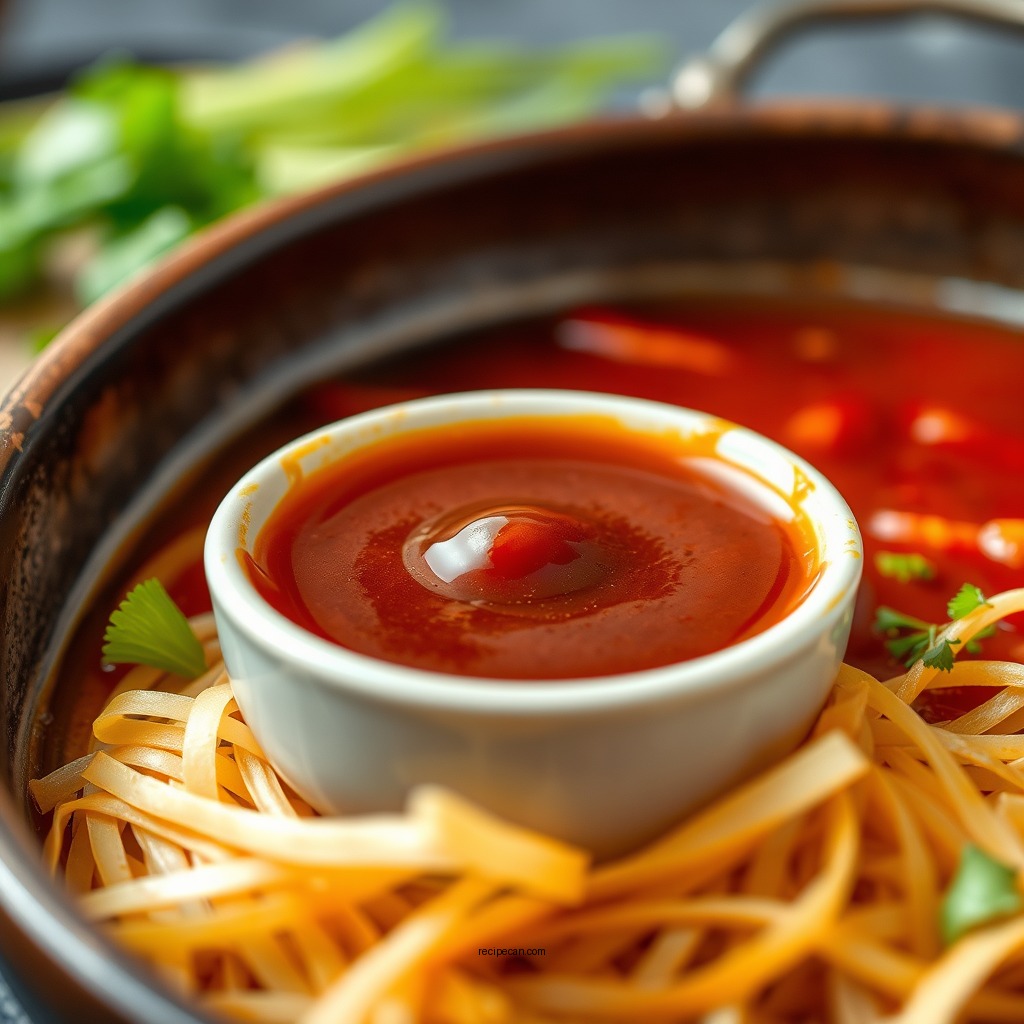
To create your homemade stir fry sauce, you’ll need a few key ingredients:
– Soy Sauce: This serves as the base, contributing a salty and savory flavor.
– Garlic and Ginger: Freshly minced garlic and ginger add aromatic qualities and depth to the sauce. They are essential for that authentic stir-fried taste.
– Sesame Oil: Adding a small amount of toasted sesame oil gives a rich, nutty flavor that rounds out the sauce.
– Sweeteners: You can use honey, brown sugar, or even maple syrup to introduce a touch of sweetness, which balances the saltiness of the soy sauce.
– Thickening Agent: Cornstarch mixed with water can be used to thicken the sauce, providing a glossy finish that coats your stir-fried ingredients beautifully.
Optional ingredients such as oyster sauce or hoisin sauce can also be added to enhance the depth and sweetness of your sauce, providing a more complex flavor.
Quick Steps to Make Stir Fry Sauce
Making your stir fry sauce is incredibly simple and quick. Follow these steps:
1. Combine Ingredients: In a bowl, combine ½ cup of soy sauce, 2 tablespoons of minced garlic, 1 tablespoon of minced ginger, and 1 tablespoon of toasted sesame oil. If you prefer a sweeter sauce, add 1-2 tablespoons of honey or brown sugar.
2. Whisk Until Smooth: Use a whisk to mix the ingredients thoroughly until well combined. This ensures that the flavors meld together beautifully.
3. Adjust Thickness: For a thicker sauce, mix 1 tablespoon of cornstarch with 2 tablespoons of cold water until smooth. Add this mixture to your sauce and stir well. Heat the sauce in a saucepan over medium heat until it thickens and becomes glossy.
4. Taste and Adjust: Taste your sauce and adjust the flavors as needed. You can add more soy sauce for saltiness, more sweetener for sweetness, or additional garlic and ginger for a stronger flavor.
Nutritional Comparison of Common Stir Fry Sauce Ingredients (per 1 tablespoon)
| # | Ingredient | Calories | Carbs (g) | Protein (g) | Fat (g) |
|---|---|---|---|---|---|
| 1 | Soy Sauce | 10 | 1 | 1 | 0 |
| 2 | Oyster Sauce | 25 | 6 | 1 | 0 |
| 3 | Hoisin Sauce | 30 | 7 | 1 | 0 |
| 4 | Sesame Oil | 120 | 0 | 0 | 14 |
| 5 | Brown Sugar | 52 | 13 | 0 | 0 |
| 6 | Honey | 64 | 17 | 0 | 0 |
| 7 | Cornstarch (mixed with water) | 30 | 7 | 0 | 0 |
Tips for Customizing Your Stir Fry Sauce
One of the best aspects of making your own stir fry sauce is the ability to customize it to your liking. Here are some tips for tailoring your sauce:
– Spices for Heat: If you enjoy a bit of spice, consider adding red pepper flakes or a dash of Sriracha. This will give your sauce an extra kick and enhance the flavor profile.
– Sweetness Variations: You can adjust the sweetness by using different sweeteners. For a more complex flavor, try using maple syrup or agave nectar instead of traditional sugar.
– Fresh Herbs: Incorporating fresh herbs such as cilantro or scallions can introduce brightness and freshness to the sauce, making it more aromatic and flavorful.
– Other Flavor Additions: Experiment with different sauces like fish sauce or chili garlic sauce for a unique twist. Each addition can dramatically change the taste of your stir fry.
By adjusting these components, you can create a sauce that perfectly complements your choice of protein and vegetables.
Storage and Usage of Stir Fry Sauce
Once you’ve prepared your homemade stir fry sauce, it’s essential to store it properly to maintain its freshness. Here are some guidelines:
– Storage: Transfer the sauce into an airtight container and store it in the refrigerator. It will typically last for up to a week. If you want to keep it longer, consider freezing it in ice cube trays for easy portioning.
– Usage: You can use the sauce immediately in your stir fry creations or let it marinate proteins like chicken, beef, or tofu for a more intense flavor. Just remember to adjust the cooking times accordingly, as marinated proteins may require slightly different cooking times.
Popular Stir Fry Combinations
Now that you have a base stir fry sauce, consider pairing it with a variety of proteins and vegetables for a nutritious and delicious meal:
– Proteins: Common choices include chicken, beef, shrimp, or tofu. Each protein brings its own unique flavor and texture to the dish.
– Vegetables: Enhance your stir fry with colorful vegetables such as bell peppers, broccoli, snap peas, carrots, and bok choy. Not only do these vegetables add nutrition, but they also provide a vibrant presentation.
Combining these elements with your homemade stir fry sauce will create a harmonious dish that is both satisfying and visually appealing.
Conclusion
Homemade stir fry sauce is a versatile and flavorful addition to your cooking repertoire. With just a few simple ingredients, you can create a sauce that not only enhances the taste of your stir fries but also allows for endless customization. Remember to experiment with different flavors and ingredients to make the sauce your own. Now that you know how to make a simple homemade stir fry sauce, gather your ingredients and try it out in your next stir fry dish! Enjoy the process of experimenting with flavors and combinations to create a meal that delights your palate.
Frequently Asked Questions
What are the essential ingredients for a basic stir fry sauce?
A basic stir fry sauce typically includes soy sauce, garlic, ginger, and a sweetener such as honey or sugar. You can enhance the flavor by adding sesame oil, rice vinegar, or chili paste for a bit of heat. These ingredients create a balanced sauce that complements a variety of vegetables and proteins.
How can I make a stir fry sauce that is gluten-free?
To create a gluten-free stir fry sauce, substitute regular soy sauce with tamari or coconut aminos, both of which are gluten-free options. Combine this with other ingredients like garlic, ginger, and a sweetener to achieve the desired flavor. Be sure to check labels on any pre-made sauces to avoid hidden gluten ingredients.
Why does my stir fry sauce taste bland, and how can I improve it?
A bland stir fry sauce often results from not balancing the flavors properly or using low-quality ingredients. To enhance the flavor, consider adding more garlic, fresh ginger, or a splash of rice vinegar. You can also incorporate spices like five-spice powder or chili flakes to elevate the taste.
What is the best way to thicken stir fry sauce?
The best way to thicken stir fry sauce is by creating a cornstarch slurry. Mix equal parts cornstarch and cold water, then add this mixture to your sauce while it simmers. This will help achieve a glossy, thicker consistency that clings well to your stir-fried ingredients.
Which types of dishes pair well with homemade stir fry sauce?
Homemade stir fry sauce pairs well with a variety of dishes, including vegetable stir fries, chicken, beef, or tofu stir fries. It can also be used as a marinade for grilled meats or a dipping sauce for spring rolls. The versatility of stir fry sauce makes it a fantastic addition to many Asian-inspired meals.
References
- Stir frying
https://en.wikipedia.org/wiki/Stir-fry - https://www.ncbi.nlm.nih.gov/pmc/articles/PMC6412989/
https://www.ncbi.nlm.nih.gov/pmc/articles/PMC6412989/ - https://www.ncbi.nlm.nih.gov/pmc/articles/PMC5417248/
https://www.ncbi.nlm.nih.gov/pmc/articles/PMC5417248/ - https://www.sciencedirect.com/topics/food-science/stir-frying
https://www.sciencedirect.com/topics/food-science/stir-frying - Stir fry sauce recipe | Good Food
https://www.bbcgoodfood.com/recipes/stir-fry-sauce - https://www.theguardian.com/food/2020/jan/07/how-to-make-the-perfect-stir-fry
https://www.theguardian.com/food/2020/jan/07/how-to-make-the-perfect-stir-fry - Google Scholar Google Scholar
https://scholar.google.com/scholar?q=recipe+for+stir+fry+sauce - Google Scholar Google Scholar
https://scholar.google.com/scholar?q=stir+fry+sauce+nutritional+information - Google Scholar Google Scholar
https://scholar.google.com/scholar?q=stir+fry+sauce+ingredients - recipe for stir fry sauce – Search results
https://en.wikipedia.org/wiki/Special:Search?search=recipe+for+stir+fry+sauce