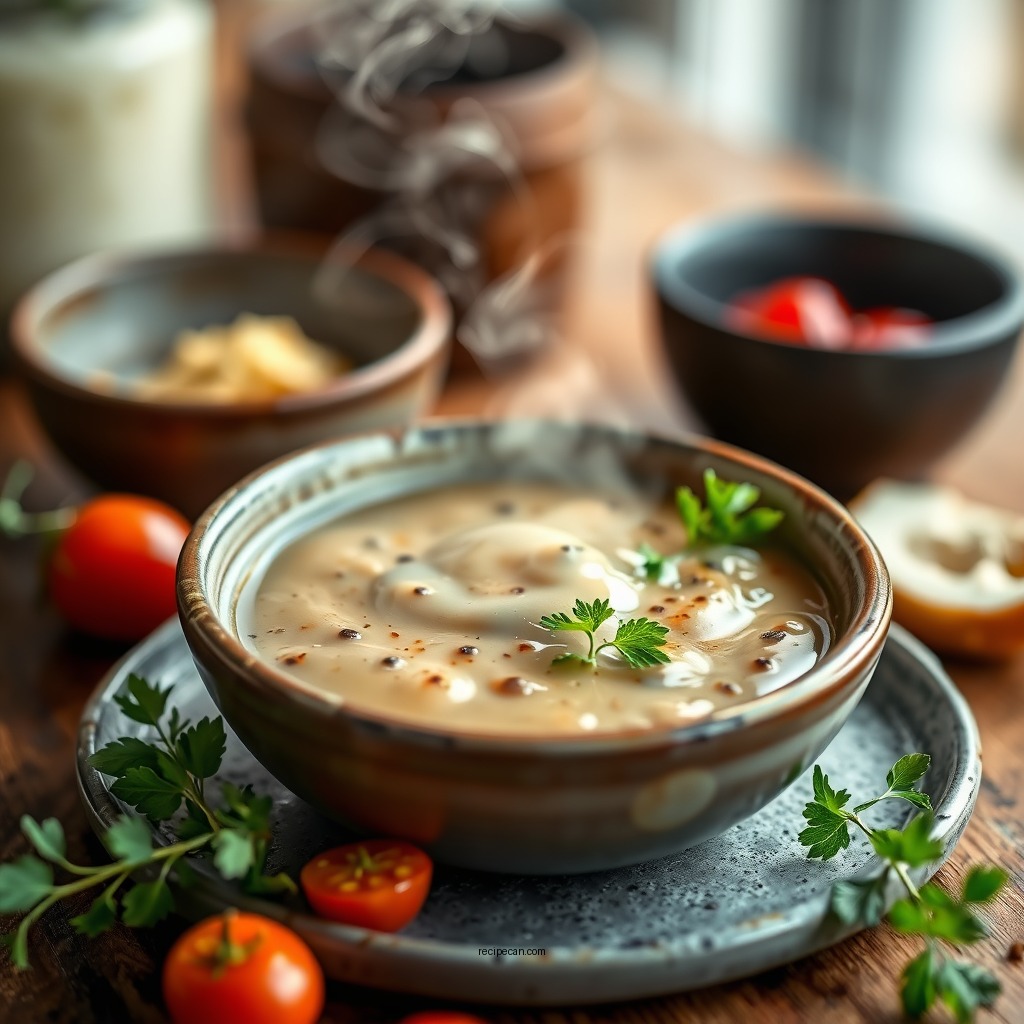
Mignonette sauce is a classic condiment for oysters, celebrated for its tangy flavor and refreshing acidity. In this guide, you’ll learn how to prepare this simple yet delicious sauce, along with tips for customizing it to suit your palate. Say goodbye to bland seafood experiences and elevate your next oyster tasting with this easy-to-follow recipe.
What is Mignonette Sauce?
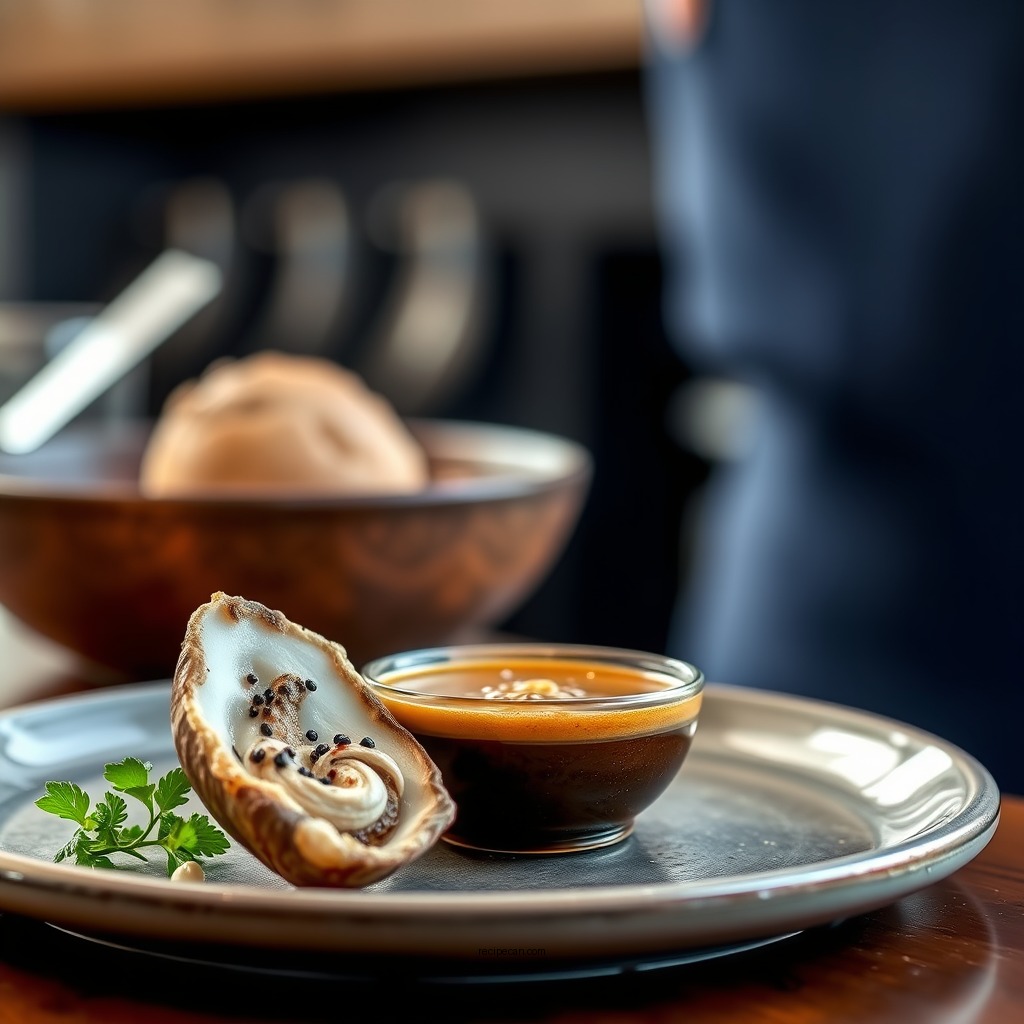
Mignonette sauce is a traditional French condiment typically served with raw oysters. The term “mignonette” translates to “small and delicate,” which aptly describes the sauce’s subtle yet vibrant flavors. The sauce traditionally consists of finely chopped shallots, cracked black pepper, and vinegar, combining to create a zesty accompaniment that enhances the natural brininess of oysters.
Historically, mignonette sauce has been a staple in seafood cuisine, especially in coastal regions where oysters are abundant. It is often served in a small dish alongside oysters on the half shell, allowing diners to drizzle the sauce over the oysters for added flavor. The sharpness of the vinegar cuts through the richness of the oysters, making each bite a refreshing experience.
Essential Ingredients for Mignonette Sauce
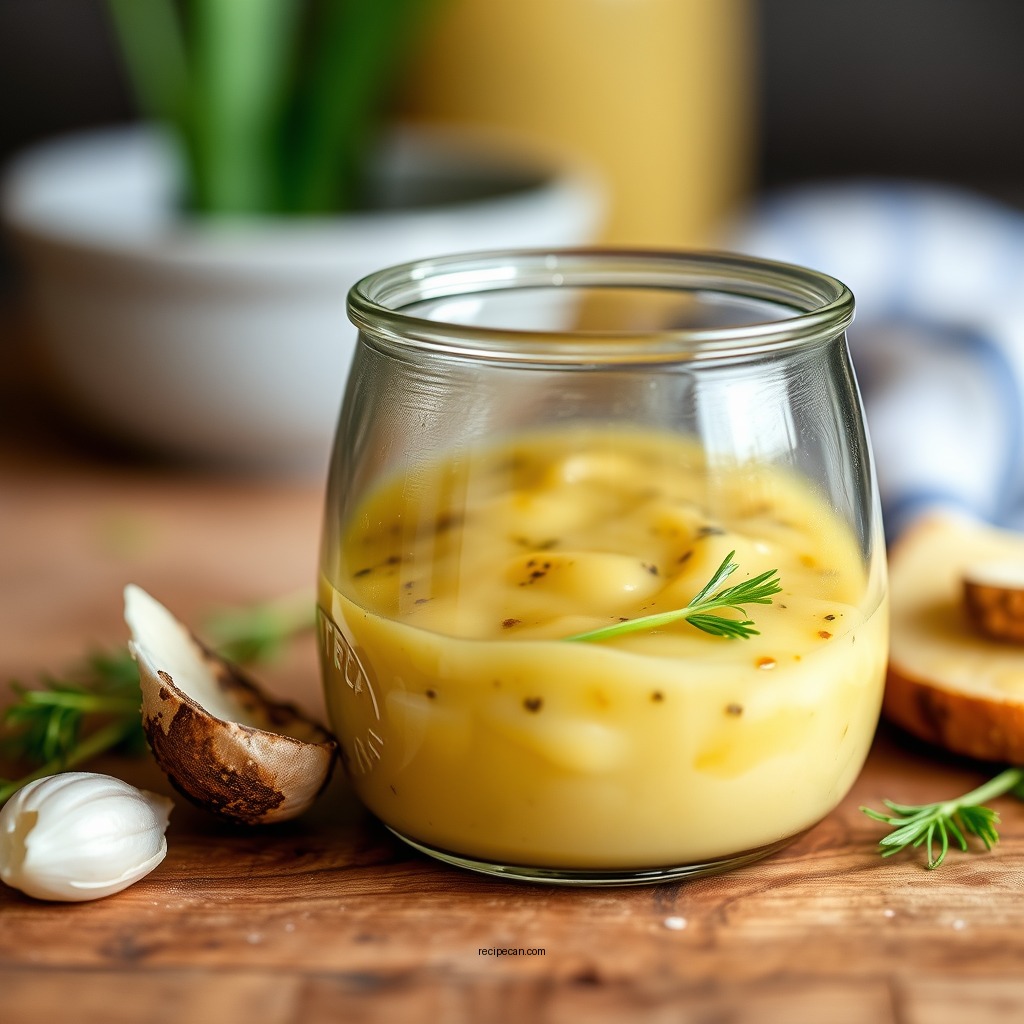
The core ingredients of mignonette sauce are straightforward yet impactful. Here’s what you need:
– Vinegar: The choice of vinegar is crucial, as it provides the sauce’s primary acidity. Common options include red wine vinegar, white wine vinegar, and champagne vinegar. Each type offers a different flavor profile, with champagne vinegar providing a milder taste and red wine vinegar delivering a more robust flavor.
– Shallots: Finely minced shallots add a gentle sweetness and complexity to the sauce. Shallots are milder than onions, making them an ideal choice for this delicate condiment.
– Black Pepper: Freshly cracked black pepper contributes a subtle heat that enhances the overall flavor without overwhelming the other ingredients.
In addition to these essentials, you can customize your mignonette sauce by incorporating herbs, such as parsley or dill, or by experimenting with flavored vinegars. For instance, a splash of citrus or a hint of fruit-infused vinegar can add an unexpected twist to your sauce.
Step-by-Step Recipe for Mignonette Sauce
Here’s a simple recipe to create your own mignonette sauce at home:
Ingredients:
– 1/2 cup vinegar (red wine or white wine)
– 1/4 cup finely chopped shallots
– 1/2 teaspoon freshly cracked black pepper
– A pinch of salt (optional)
Instructions:
1. Prepare the Shallots: Start by peeling and finely chopping the shallots. The smaller the pieces, the better they will blend into the sauce and complement the oysters.
2. Combine Ingredients: In a small mixing bowl, combine the chopped shallots, vinegar, and cracked black pepper. If desired, add a pinch of salt to taste.
3. Let it Marinate: Allow the mixture to sit for at least 30 minutes at room temperature. This resting period helps the flavors meld together, enhancing the overall taste of the sauce.
4. Taste and Adjust: Before serving, taste the sauce. If you prefer a stronger vinegar flavor, you can add more vinegar or adjust the amount of shallots and pepper to your liking.
5. Serve: Drizzle the mignonette sauce over freshly shucked oysters or serve it in a small dish for dipping.
Tips for Achieving the Best Flavor Balance
– Quality Ingredients: Use fresh, high-quality vinegar and shallots for the best flavor.
– Chill Before Serving: For an even more refreshing experience, chill the mignonette sauce in the refrigerator before serving.
Serving Suggestions
Mignonette sauce is most famously paired with raw oysters, but its versatility allows it to complement a variety of seafood dishes. Here are some excellent pairing suggestions:
– Clams: Just like oysters, clams benefit from the acidity of mignonette sauce, enhancing their natural flavors.
– Crab: Whether you’re enjoying crab cakes or steamed crab legs, a drizzle of mignonette can add a delightful zing.
– Fish Tacos: Use mignonette as a tangy topping for fish tacos to elevate the dish with a refreshing kick.
If you have leftover mignonette sauce, consider using it as a salad dressing or a marinade for seafood. Its bright flavor can enhance grilled fish or shrimp, bringing a touch of elegance to simple dishes.
Customizing Your Mignonette Sauce
The beauty of mignonette sauce lies in its adaptability. Here are some ideas for personalizing your recipe:
– Citrus Additions: Add a splash of fresh lemon or lime juice for a citrusy brightness that complements the vinegar.
– Herbs: Incorporate fresh herbs such as dill, cilantro, or parsley to add depth and freshness to the sauce.
– Spices: Experiment with different spices, such as red pepper flakes for heat or a dash of smoked paprika for a unique twist.
When adjusting the acidity and sweetness, taste your sauce frequently. If you find it too sharp, consider adding a touch of sugar or honey to balance the flavors.
Storing Mignonette Sauce
To keep your mignonette sauce fresh, follow these best practices:
– Refrigeration: Store the sauce in an airtight container in the refrigerator. It can typically last for about one week.
– Separation: If the ingredients separate over time, simply stir the sauce before serving.
Be sure to discard any sauce that has an off smell or appearance, as freshness is key to maintaining the sauce’s lively flavor.
Frequently Asked Questions
1. Can I make mignonette sauce in advance?
Yes, mignonette sauce can be made several hours or even a day in advance. Allow it to sit in the refrigerator to let the flavors develop.
2. What if my sauce is too acidic?
If the sauce is too tangy, consider adding a pinch of sugar or a small amount of honey to balance the acidity.
3. Is mignonette sauce suitable for cooked seafood?
While mignonette is traditionally served with raw oysters, it can also complement lightly cooked seafood dishes, adding a fresh contrast.
Now that you have the recipe and tips for mignonette sauce, it’s time to try making it yourself! Experiment with the ingredients and serving suggestions to find your perfect flavor combination, and elevate your seafood dishes to the next level. Enjoy the refreshing taste of mignonette sauce and impress your guests with this classic accompaniment.
Frequently Asked Questions
What are the main ingredients in a classic mignonette sauce recipe?
A classic mignonette sauce typically includes finely minced shallots, red wine vinegar, and freshly cracked black pepper. These simple yet flavorful ingredients combine to create a tangy and aromatic sauce that perfectly complements raw oysters.
How do you make mignonette sauce from scratch?
To make mignonette sauce from scratch, finely chop about two tablespoons of shallots and combine them with half a cup of red wine vinegar and a teaspoon of freshly cracked black pepper in a bowl. Mix well and let the sauce sit for at least 30 minutes to allow the flavors to meld before serving with oysters or other seafood.
Why is mignonette sauce served with oysters?
Mignonette sauce is served with oysters because its bright acidity and sharp flavor enhance the natural brininess of the seafood. The vinegar cuts through the richness of the oysters, creating a balanced and refreshing taste experience that many seafood lovers enjoy.
What is the best type of vinegar to use for mignonette sauce?
The best type of vinegar to use for mignonette sauce is red wine vinegar, as it offers a robust flavor that pairs well with the shallots and pepper. However, if you prefer a milder taste, you can also use white wine vinegar or champagne vinegar for a lighter version of the sauce.
Which variations of mignonette sauce can I try?
There are several delicious variations of mignonette sauce you can try, including adding finely chopped herbs like parsley or chives for freshness, or incorporating citrus juices like lemon or lime for additional acidity. Some recipes even experiment with flavored vinegars, such as rice vinegar or apple cider vinegar, to create unique taste profiles that complement different seafood dishes.
References
- https://en.wikipedia.org/wiki/Mignonette_(sauce
https://en.wikipedia.org/wiki/Mignonette_(sauce - https://www.bbc.co.uk/food/recipes/mignonette_sauce_11083
https://www.bbc.co.uk/food/recipes/mignonette_sauce_11083 - https://www.thespruceeats.com/mignonette-sauce-recipe-2216134
https://www.thespruceeats.com/mignonette-sauce-recipe-2216134 - https://www.seriouseats.com/mignonette-sauce-recipe-5111849
https://www.seriouseats.com/mignonette-sauce-recipe-5111849 - https://www.foodnetwork.com/recipes/food-network-kitchen/mignonette-sauce-recipe-2119290
https://www.foodnetwork.com/recipes/food-network-kitchen/mignonette-sauce-recipe-2119290 - https://www.cookinglight.com/recipes/mignonette-sauce
https://www.cookinglight.com/recipes/mignonette-sauce - Google Scholar Google Scholar
https://scholar.google.com/scholar?q=mignonette+sauce+recipe - Google Scholar Google Scholar
https://scholar.google.com/scholar?q=mignonette+recipe - Google Scholar Google Scholar
https://scholar.google.com/scholar?q=sauce+recipes+culinary+techniques - mignonette sauce recipe – Search results
https://en.wikipedia.org/wiki/Special:Search?search=mignonette+sauce+recipe