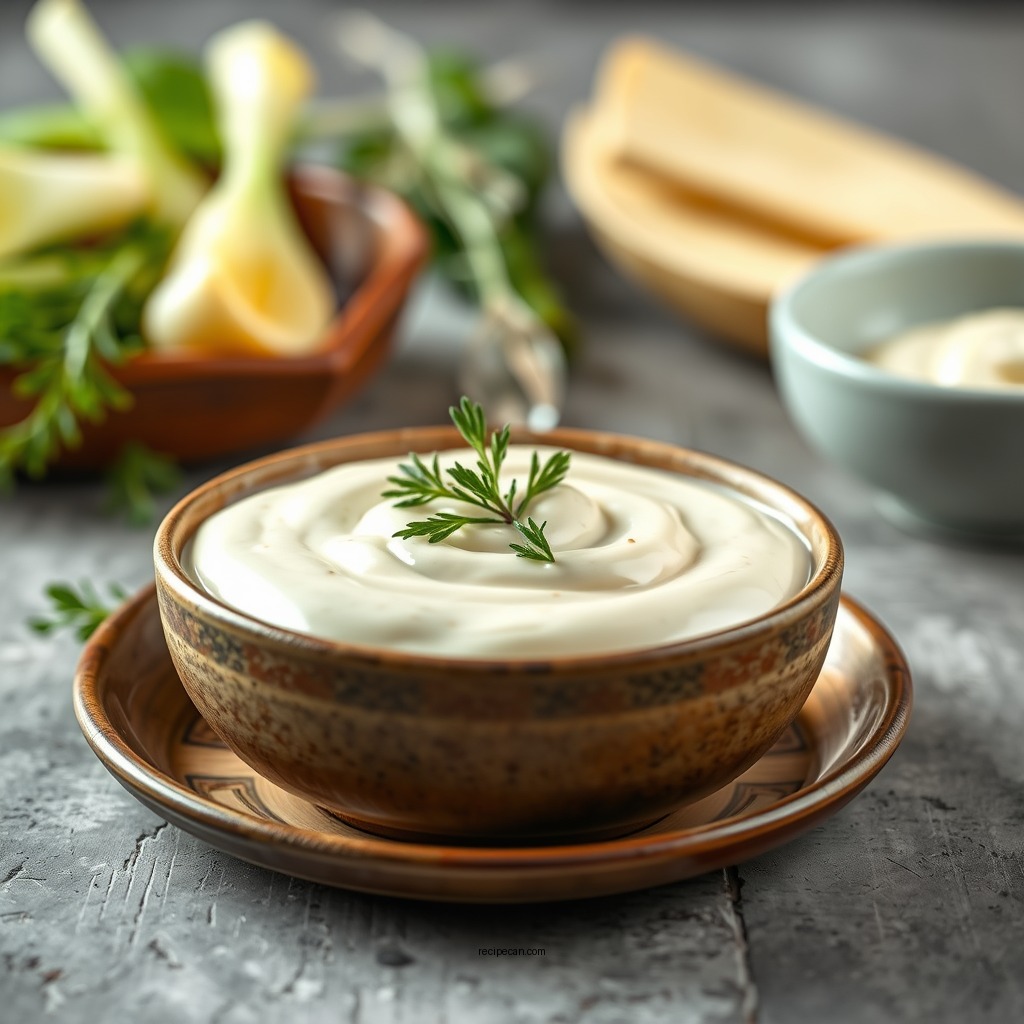
Crafting a creamy horseradish sauce at home is simple and rewarding, requiring just a few key ingredients to achieve a flavorful and versatile condiment. This sauce pairs perfectly with meats, seafood, and even roasted vegetables. In this article, you will learn how to make the perfect creamy horseradish sauce that enhances your dishes with a zesty kick.
Ingredients You’ll Need
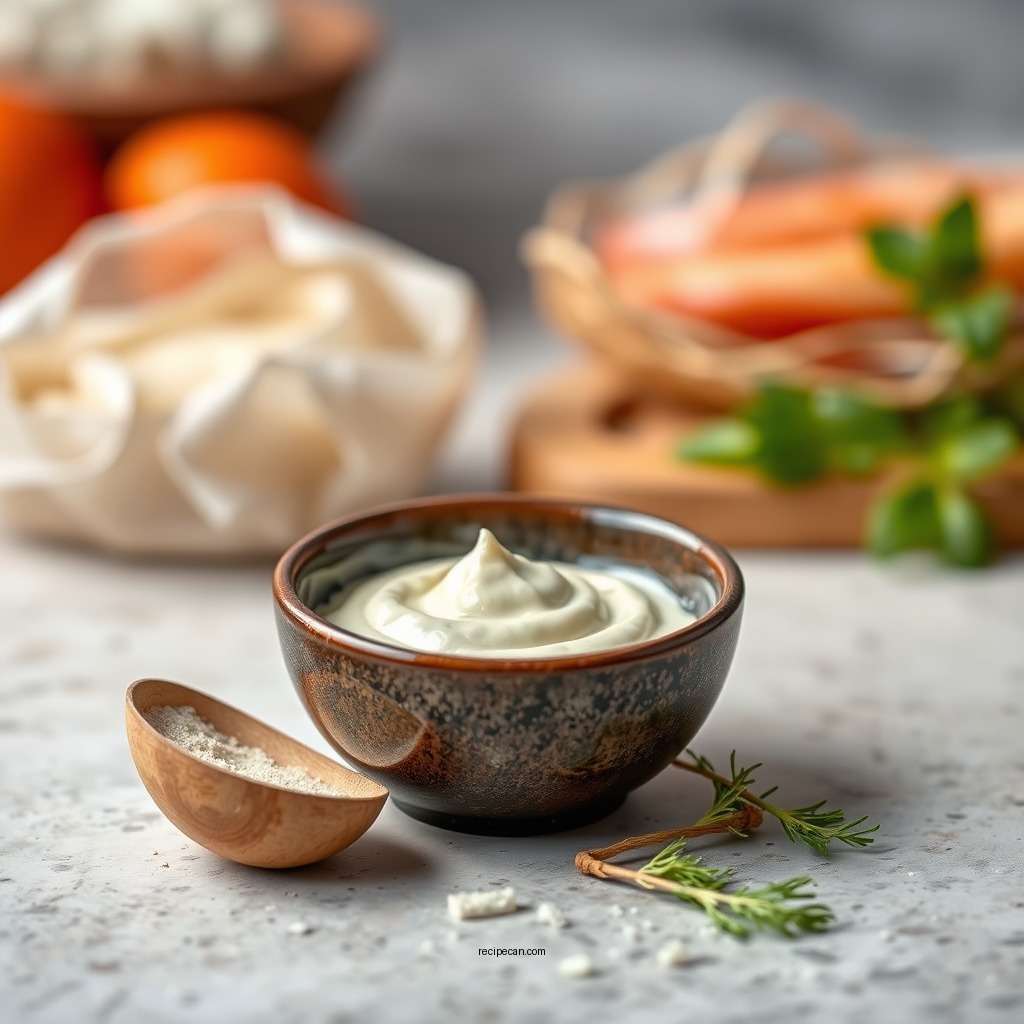
To make a delicious creamy horseradish sauce, you will need the following ingredients:
– Fresh horseradish root or prepared horseradish: Fresh horseradish root will provide a more intense flavor, while prepared horseradish is more convenient and can be found in most grocery stores. If using fresh, ensure it is firm and aromatic.
– Sour cream or Greek yogurt for creaminess: Sour cream gives a rich, tangy base, while Greek yogurt adds a lighter, protein-rich alternative. Choose based on your dietary preferences and desired flavor profile.
– Optional add-ins: Consider adding lemon juice for brightness, Dijon mustard for a sharp bite, or even a touch of garlic for depth. Each of these can enhance the complexity of your sauce.
Step-by-Step Preparation

Creating creamy horseradish sauce is straightforward. Follow these steps:
1. Peel and grate the horseradish: If using fresh horseradish, start by peeling the root. Use a box grater or a food processor to grate it finely. Be cautious, as horseradish can release a strong aroma that may irritate your eyes.
2. Mix the horseradish with sour cream: In a mixing bowl, combine the grated horseradish with sour cream or Greek yogurt. Stir thoroughly until the mixture is uniform.
3. Add optional ingredients: If you choose to include lemon juice, mustard, or garlic, add them now. Mix well to ensure everything is evenly distributed.
4. Taste and adjust: Taste your sauce and make any necessary adjustments. If it’s too spicy, add more sour cream to balance it. If you want more heat, add additional horseradish.
5. Chill: For the best flavor, let the sauce sit in the refrigerator for at least 30 minutes before serving. This allows the flavors to meld beautifully.
Adjusting Flavor and Consistency
Creating the perfect creamy horseradish sauce may require some adjustments based on your personal taste. Here are some tips:
– Taste the sauce: Start with a small amount of horseradish and gradually increase it if you prefer a spicier kick. Remember that the flavor will intensify as it sits.
– Consistency: If your sauce is too thick for your liking, thin it out with a splash of milk or water. This will create a smoother texture while maintaining flavor.
– Balancing flavors: If the sauce is too tangy or spicy, add a teaspoon of sugar or honey to balance it out. Similarly, if it’s too rich, a squeeze of lemon juice can brighten and cut through the creaminess.
Storage Tips
To keep your creamy horseradish sauce fresh and flavorful, follow these storage guidelines:
– Airtight container: Store the sauce in an airtight container in the refrigerator. This prevents the sauce from absorbing odors from other foods.
– Shelf life: For optimal freshness, consume the sauce within one to two weeks. Always give it a sniff and a taste before serving, as homemade sauces don’t contain preservatives.
Serving Suggestions
Creamy horseradish sauce is incredibly versatile. Here are some delicious ways to serve it:
– Pair with meats: This sauce is a classic accompaniment for prime rib, steak, and roast beef. It enhances the richness of the meat with its zesty flavor.
– Seafood dishes: Serve it alongside grilled fish, shrimp cocktails, or even as a topping for baked salmon. The horseradish adds a delightful contrast to the natural flavors of seafood.
– Vegetable dips: Use the sauce as a zesty dip for fresh vegetables or crackers. It can transform a simple veggie platter into something extraordinary.
– Sandwiches and burgers: Spread it on sandwiches or burgers to add a punch of flavor. It pairs particularly well with roast beef or turkey.
Variations to Try
Enhance your creamy horseradish sauce with these creative variations:
– Herb-infused: Add fresh herbs such as dill, chives, or parsley for an aromatic twist. This not only enhances flavor but also adds visual appeal.
– Garlic horseradish sauce: Mix in minced garlic or garlic powder for a savory depth. This variation works exceptionally well with grilled meats.
– Spicy horseradish sauce: If you enjoy heat, incorporate hot sauce or additional horseradish. This will elevate the sauce’s intensity, making it ideal for spice lovers.
– Smoky flavor: Add a touch of smoked paprika to create a unique smoky flavor profile. This pairs well with barbecue dishes.
Popular Horseradish Sauce Variations
| # | Variation | Main Ingredient | Flavor Profile | Popularity |
|---|---|---|---|---|
| 1 | Garlic Horseradish Sauce | Garlic | Savory, Rich | High |
| 2 | Spicy Horseradish Sauce | Hot Sauce | Fiery, Bold | Medium |
| 3 | Herb-Infused Horseradish Sauce | Fresh Herbs | Fragrant, Fresh | High |
| 4 | Smoky Horseradish Sauce | Smoked Paprika | Smoky, Depth | Medium |
Popularity of Horseradish Sauce Variations
Making your own creamy horseradish sauce is not only easy but also allows for customization based on your taste preferences. With just a few ingredients and steps, you can enjoy this zesty condiment that elevates any meal. Try this recipe today and discover how it can enhance your dining experience!
Frequently Asked Questions
What ingredients do I need for a creamy horseradish sauce recipe?
To make a classic creamy horseradish sauce, you’ll need prepared horseradish, sour cream, mayonnaise, lemon juice, and a pinch of salt. Optional ingredients like garlic powder or fresh herbs can enhance the flavor, making it a versatile condiment for meats and sandwiches.
How do I make homemade creamy horseradish sauce?
To prepare homemade creamy horseradish sauce, simply combine 1 cup of sour cream with 2 tablespoons of prepared horseradish, 2 tablespoons of mayonnaise, and 1 tablespoon of lemon juice in a bowl. Mix until smooth, and season with salt to taste. Adjust the horseradish amount based on your preferred spice level.
Why is my creamy horseradish sauce too spicy or not spicy enough?
The spiciness of creamy horseradish sauce primarily depends on the type and amount of prepared horseradish you use. If it’s too spicy, consider adding more sour cream or mayonnaise to balance the heat. Conversely, if it’s not spicy enough, you can gradually mix in more horseradish until you achieve your desired flavor.
What is the best way to store creamy horseradish sauce?
The best way to store creamy horseradish sauce is in an airtight container in the refrigerator. It typically keeps well for about one week, but always check for freshness before consuming. For longer storage, consider freezing the sauce, although the texture may change slightly upon thawing.
Which dishes pair well with creamy horseradish sauce?
Creamy horseradish sauce pairs excellently with roast beef, prime rib, and smoked salmon, adding a zesty kick to these dishes. It also works well as a dip for vegetables or as a spread on sandwiches and burgers, making it a versatile condiment for many meals.
References
- Horseradish
https://en.wikipedia.org/wiki/Horseradish - Horseradish | Description, Uses, Wasabi, & Facts | Britannica
https://www.britannica.com/plant/horseradish - https://pubmed.ncbi.nlm.nih.gov/1469430/
https://pubmed.ncbi.nlm.nih.gov/1469430/ - https://www.ncbi.nlm.nih.gov/pmc/articles/PMC4698607/
https://www.ncbi.nlm.nih.gov/pmc/articles/PMC4698607/ - Google Scholar Google Scholar
https://scholar.google.com/scholar?q=creamy+horseradish+sauce+recipe - Google Scholar Google Scholar
https://scholar.google.com/scholar?q=horseradish+culinary+uses - https://www.sciencedirect.com/topics/agricultural-and-biological-sciences/horseradish
https://www.sciencedirect.com/topics/agricultural-and-biological-sciences/horseradish - Page Not Found – Site Help – Mayo Clinic
https://www.mayoclinic.org/healthy-lifestyle/nutrition-and-healthy-eating/expert-answers/horseradish/faq-20058089 - https://www.healthline.com/nutrition/horseradish-benefits
https://www.healthline.com/nutrition/horseradish-benefits - https://www.ncbi.nlm.nih.gov/pmc/articles/PMC3951394/
https://www.ncbi.nlm.nih.gov/pmc/articles/PMC3951394/