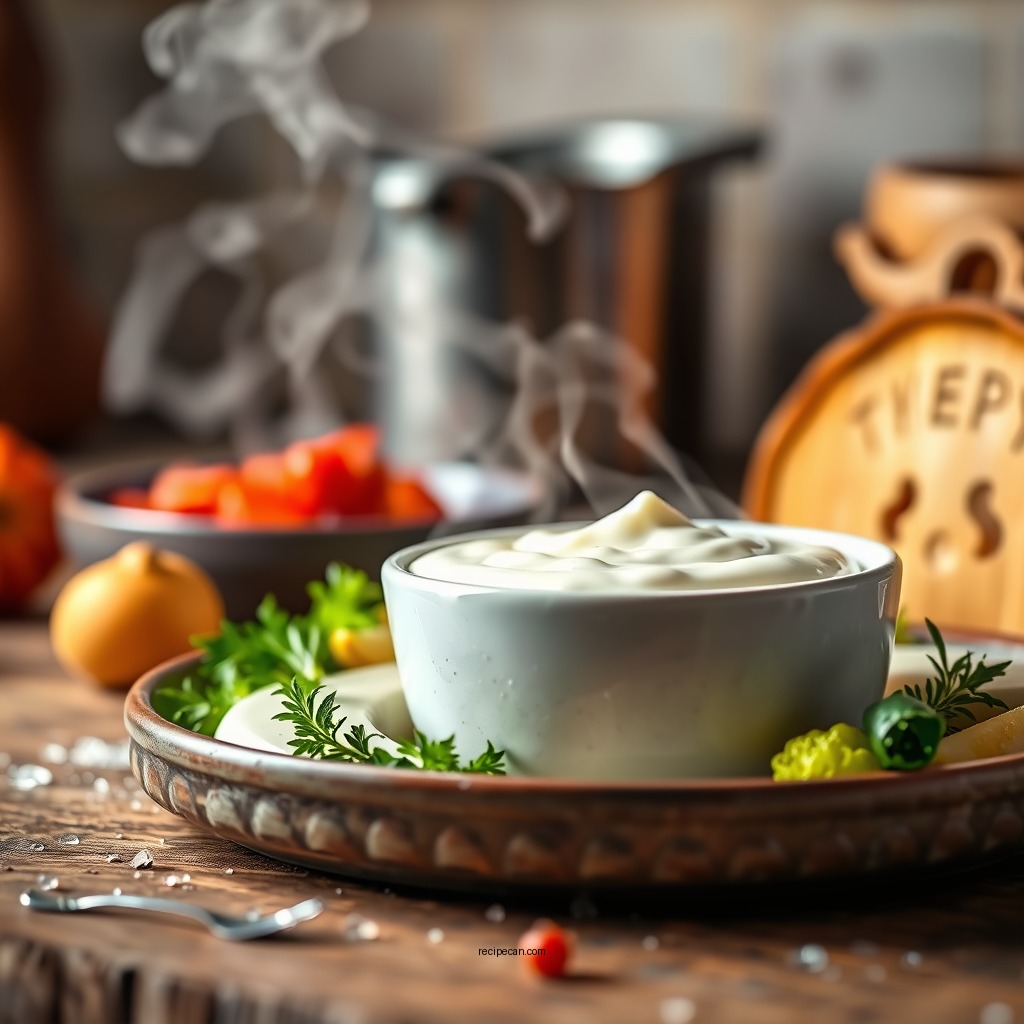
To make a classic white sauce, also known as béchamel, you’ll need just three basic ingredients: butter, flour, and milk. This versatile sauce serves as the foundation for many dishes, including pasta, casseroles, and creamy soups. In this article, you’ll learn how to create this simple yet essential sauce step-by-step, along with tips for flavor enhancements and variations.
Understanding the Basics of White Sauce
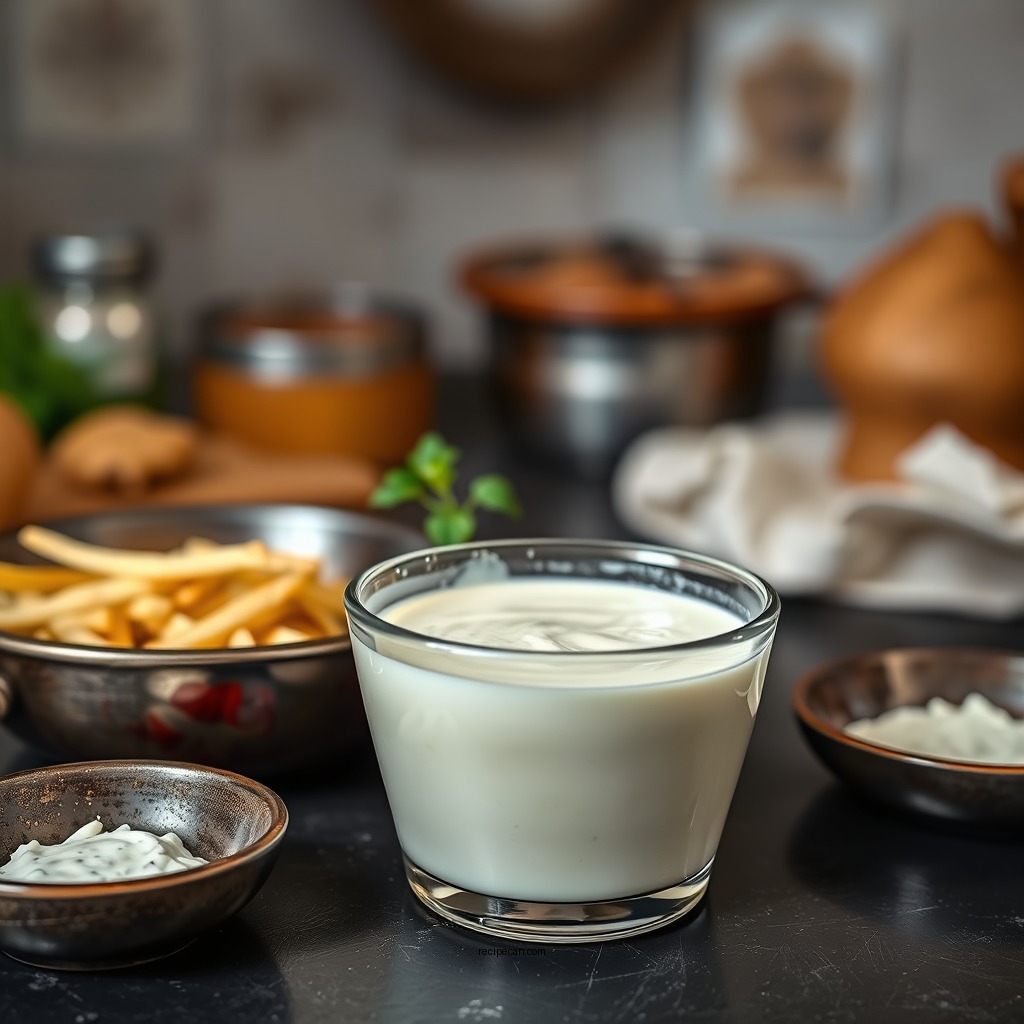
White sauce is a simple mixture of equal parts flour and fat, typically butter, cooked together and combined with milk. It is one of the five mother sauces in classical French cuisine and is known for its creamy texture and mild flavor. The technique of making white sauce is foundational in many culinary traditions, serving as a base for countless recipes, including macaroni and cheese, lasagna, and creamy soups. Knowing how to prepare white sauce not only enhances your cooking skills but also allows you to elevate a variety of dishes with minimal effort.
The beauty of white sauce lies in its adaptability. By mastering the basic technique, you can create different variations to suit your taste preferences or the specific requirements of a recipe. Whether you are preparing a comforting casserole or a delicate pasta dish, white sauce can provide the perfect creamy backdrop that binds all ingredients together.
Ingredients You’ll Need
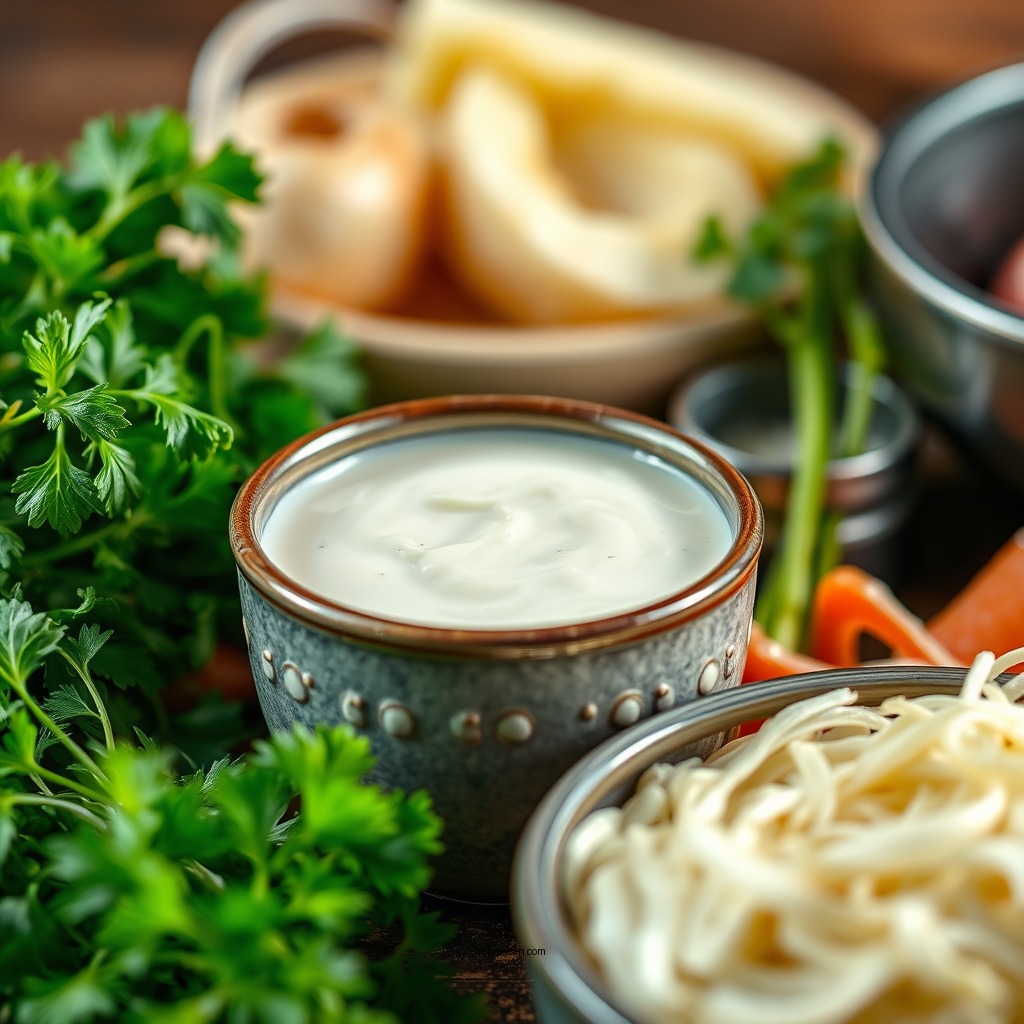
To create a classic white sauce, gather the following ingredients:
– 2 tablespoons of butter: This will be your fat base. Use unsalted butter for better control over the seasoning.
– 2 tablespoons of all-purpose flour: This thickens the sauce and gives it a smooth texture.
– 2 cups of milk: Whole milk is preferred for a creamier texture, but you can also use 2% or non-dairy alternatives based on dietary preferences.
– Salt and pepper: For seasoning to taste. You may also consider adding a pinch of nutmeg for a traditional touch.
These simple ingredients come together to form a base that can be enhanced in myriad ways, allowing you to customize it according to your dish’s needs.
Step-by-Step Instructions
Creating a classic white sauce is straightforward. Follow these steps for a successful outcome:
1. Melt the Butter: In a medium saucepan, melt the butter over medium heat until it begins to bubble. Be careful not to let it brown, as this will alter the flavor of your sauce.
2. Add the Flour: Once the butter is melted, stir in the flour, mixing it well with the butter to create a roux. Cook this mixture for about 1-2 minutes, stirring constantly. This step is essential as it cooks out the raw flour taste while developing a base flavor for your sauce.
3. Whisk in the Milk: Gradually whisk in the cold milk, ensuring that there are no lumps. Continue to whisk until the mixture is smooth. Keep stirring as the sauce begins to thicken, which will take about 5-7 minutes. You’ll know it’s ready when it coats the back of a spoon.
4. Season: Once thickened, season with salt and pepper to taste. If you want, you can also add a pinch of nutmeg for additional flavor.
By following these steps carefully, you will have a smooth and creamy white sauce that can be used in various recipes.
Tips for Perfecting Your White Sauce
– Use Cold Milk: Always use cold milk when adding to the roux. This helps prevent lumps from forming and ensures a smoother sauce.
– Stir Continuously: Stir continuously while adding the milk to ensure that the mixture is evenly combined and doesn’t clump.
– Adjust Cooking Time: Cooking the roux for a longer time can impart a nutty flavor to the sauce, which is desirable in certain recipes. However, be cautious not to let it brown, as this may lead to a different sauce altogether.
– Taste and Adjust: Always taste your sauce before serving. Adjust the seasoning as necessary, keeping in mind that some dishes may require a bit more salt or pepper.
Common Variations of White Sauce
Once you’ve mastered the basic white sauce, you can easily adapt it to create a variety of flavors. Here are a few popular variations:
– Cheese Sauce: To make a delicious cheese sauce, simply add shredded cheese to the finished white sauce, stirring until melted and smooth. This sauce is perfect for macaroni and cheese or drizzling over vegetables.
– Herb-Infused Sauce: For an aromatic twist, incorporate fresh or dried herbs into your white sauce. Popular choices include thyme, parsley, or basil, which can enhance the overall flavor profile of your dish.
– Creamy Mushroom Sauce: Sauté sliced mushrooms in a bit of butter before adding them to the white sauce. This adds a rich, earthy flavor that pairs wonderfully with pasta or chicken dishes.
– Mustard Sauce: Incorporating a tablespoon of Dijon mustard can give your white sauce an exciting tang. This variation is excellent for enhancing meat dishes.
📋 Data Table: Popular Dishes Using White Sauce
Top 7 Dishes Featuring White Sauce
| # | Dish | Main Ingredient(s) | Cooking Time | Serving Size |
|---|---|---|---|---|
| 1 | Macaroni and Cheese | Pasta, Cheese | 30 mins | 4 |
| 2 | Lasagna | Pasta, Meat | 1 hour | 6 |
| 3 | Creamy Soups | Vegetables, Stock | 20 mins | 4 |
| 4 | Gratin | Potatoes, Cheese | 45 mins | 4 |
| 5 | Croque Monsieur | Bread, Ham, Cheese | 15 mins | 2 |
| 6 | Fish Pie | Fish, Potatoes | 1 hour | 6 |
| 7 | Ratatouille | Vegetables, Herbs | 40 mins | 4 |
Storage and Reheating Tips
Proper storage and reheating of white sauce can extend its usability and ensure it retains its creamy texture. Here’s how to do it effectively:
– Storage: Store any leftover sauce in an airtight container in the fridge for up to three days. To prevent a skin from forming, press a piece of plastic wrap directly onto the surface of the sauce before sealing the container.
– Reheating: To reheat, gently warm on the stove over low heat, whisking continuously until smooth. If the sauce appears too thick, you can add a splash of milk to reach your desired consistency.
By following these guidelines, you can make the most out of your white sauce, ensuring it remains a convenient and delicious addition to your meals.
Mastering the art of making a classic white sauce opens the door to countless culinary possibilities. This simple yet essential sauce can elevate your dishes to a whole new level, whether you’re using it for pasta, gratins, or as a base for sauces. Enjoy experimenting with flavors and variations to make it your own!
Frequently Asked Questions
What are the main ingredients for a basic white sauce recipe?
A basic white sauce, also known as béchamel, typically requires three main ingredients: butter, all-purpose flour, and milk. To make it, you start by melting the butter in a saucepan, whisking in the flour to create a roux, and then gradually adding milk while stirring to achieve a smooth, creamy consistency.
How can I make my white sauce thicker?
To thicken your white sauce, you can increase the amount of flour used in the roux or let the sauce simmer longer to evaporate some of the liquid. Alternatively, you can add a cornstarch slurry (mixed cornstarch and cold water) to the sauce and cook until it thickens to your desired consistency.
Why does my white sauce have lumps, and how can I prevent them?
Lumps in white sauce usually occur when the flour is not fully incorporated into the butter or when cold milk is added too quickly. To prevent lumps, ensure the butter is melted completely before adding the flour and whisk continuously as you slowly add warm milk to the mixture.
What are the best uses for white sauce in cooking?
White sauce is incredibly versatile and can be used in a variety of dishes, including macaroni and cheese, lasagna, and creamy casseroles. It also serves as a base for sauces like Alfredo or Mornay, making it an essential component in many recipes.
Which milk is best for making white sauce?
While whole milk is the most commonly used for making white sauce due to its richness, you can also use 2% milk for a lighter version or even non-dairy alternatives like almond or soy milk. Just keep in mind that the flavor and creaminess may vary slightly depending on the type of milk used.
References
- Béchamel sauce
https://en.wikipedia.org/wiki/Béchamel_sauce - https://www.foodnetwork.com/recipes/articles/what-is-beshamel-sauce
https://www.foodnetwork.com/recipes/articles/what-is-beshamel-sauce - White Sauce – CooksInfo
https://www.cooksinfo.com/white-sauce - https://www.sciencedirect.com/topics/food-science/white-sauce
https://www.sciencedirect.com/topics/food-science/white-sauce - https://www.mayoclinic.org/healthy-lifestyle/nutrition-and-healthy-eating/in-depth/healthy-cooking/art-20044070
https://www.mayoclinic.org/healthy-lifestyle/nutrition-and-healthy-eating/in-depth/healthy-cooking/art-20044070 - Google Scholar Google Scholar
https://scholar.google.com/scholar?q=recipe+for+white+sauce - Google Scholar Google Scholar
https://scholar.google.com/scholar?q=white+sauce+recipes - Google Scholar Google Scholar
https://scholar.google.com/scholar?q=béchamel+sauce+history - recipe for white sauce – Search results
https://en.wikipedia.org/wiki/Special:Search?search=recipe+for+white+sauce - https://www.ncbi.nlm.nih.gov/search/research-articles/?term=recipe+for+white+sauce
https://www.ncbi.nlm.nih.gov/search/research-articles/?term=recipe+for+white+sauce