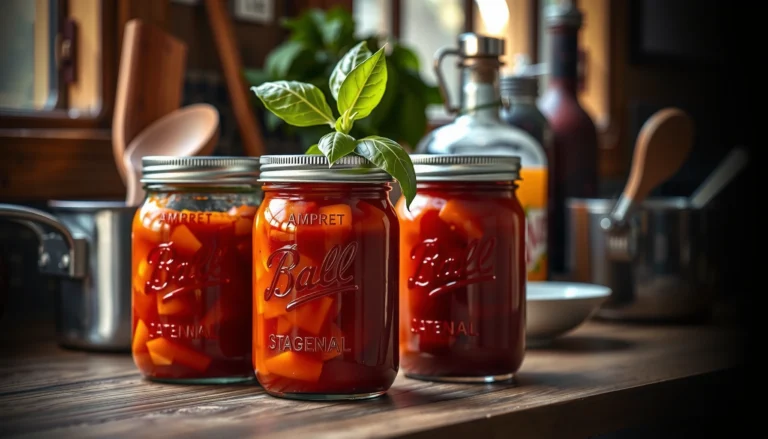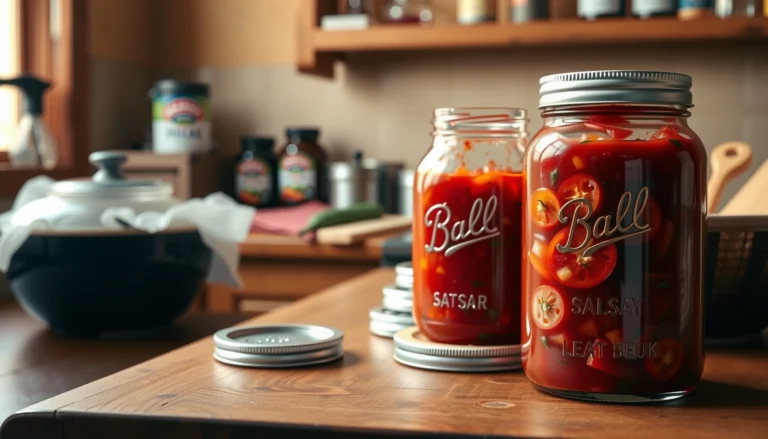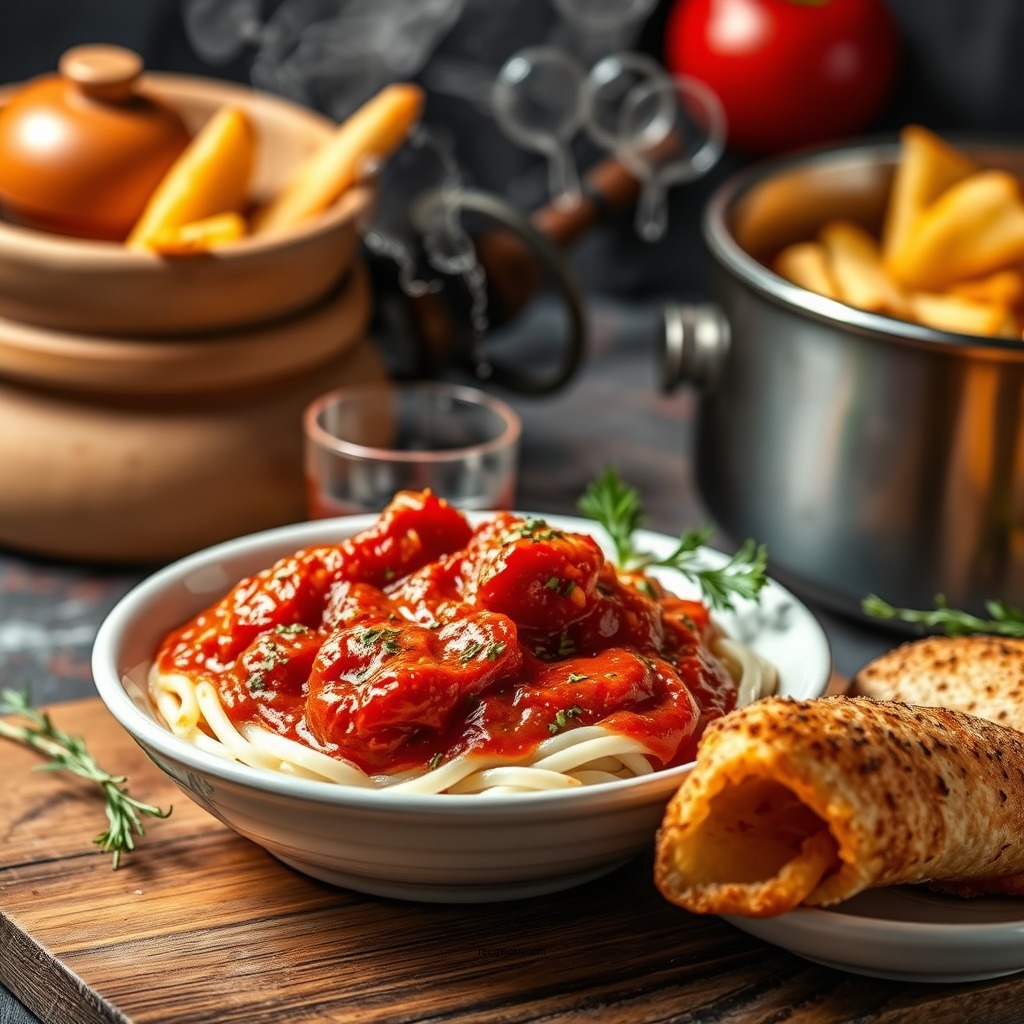
Puttanesca sauce is a robust and flavorful Italian sauce made from simple ingredients like tomatoes, olives, capers, and garlic. This recipe allows you to prepare this vibrant sauce quickly, providing an authentic taste of Italy right in your own kitchen. With its bold flavors and aromatic notes, Puttanesca sauce is a perfect addition to your pasta dishes, pizzas, or even as a dipping sauce for bread.
Ingredients You’ll Need
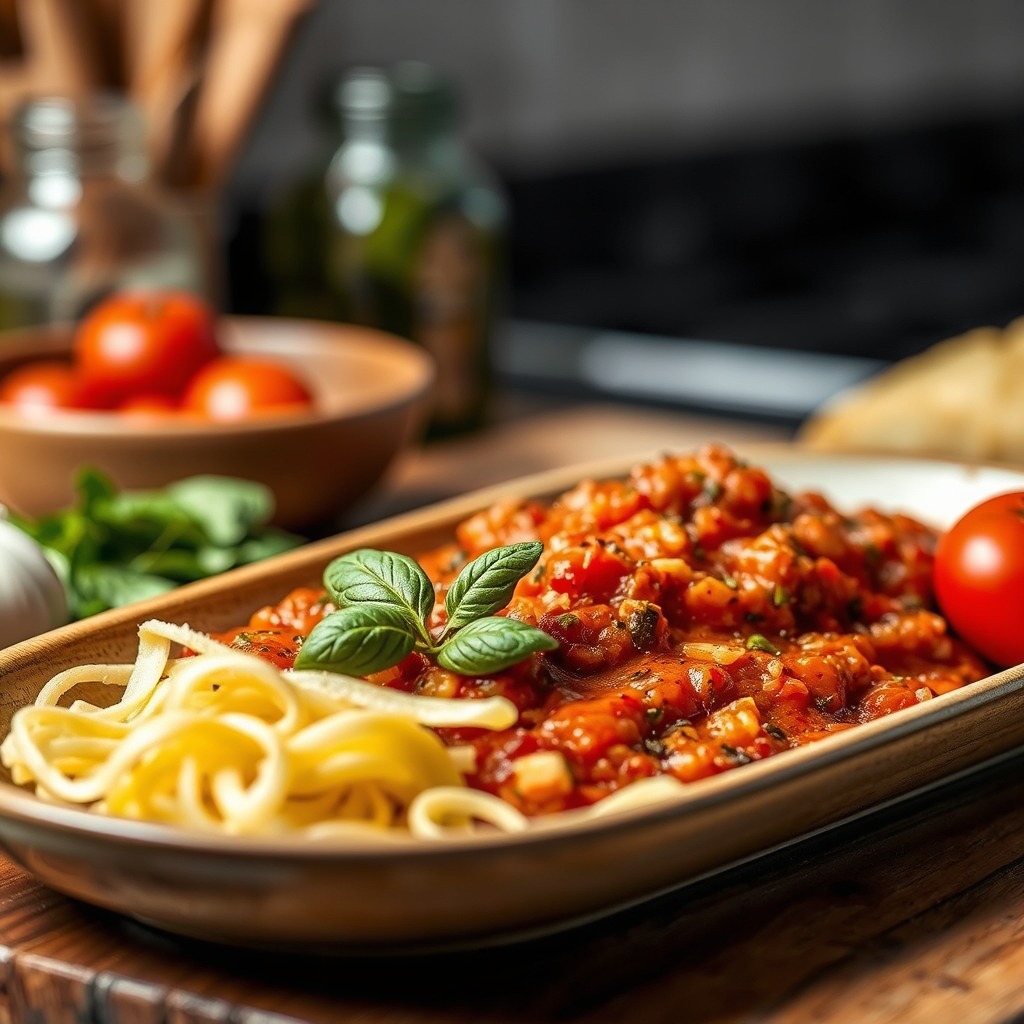
To create an authentic Puttanesca sauce, you will need the following ingredients:
– Ripe tomatoes or canned tomatoes for convenience: Fresh tomatoes bring a bright, summery flavor, while canned tomatoes are a practical option for year-round availability.
– Olives (preferably black): Olives add depth and saltiness, enhancing the overall flavor profile of the sauce. Look for varieties like Kalamata or Gaeta for the best results.
– Capers: These small, pickled flower buds add a briny kick, giving the sauce its distinctive tanginess. Make sure to rinse them before adding to avoid excess saltiness.
– Garlic: Fresh garlic cloves are essential for imparting an aromatic quality to the sauce.
– Red pepper flakes: These add a touch of heat, balancing the sauce’s rich flavors.
– Olive oil: A high-quality extra virgin olive oil is recommended for sautéing and enhancing the overall taste of the sauce.
– Fresh herbs (optional): While traditional recipes may not call for it, adding herbs like parsley or basil can provide freshness.
Preparation Steps
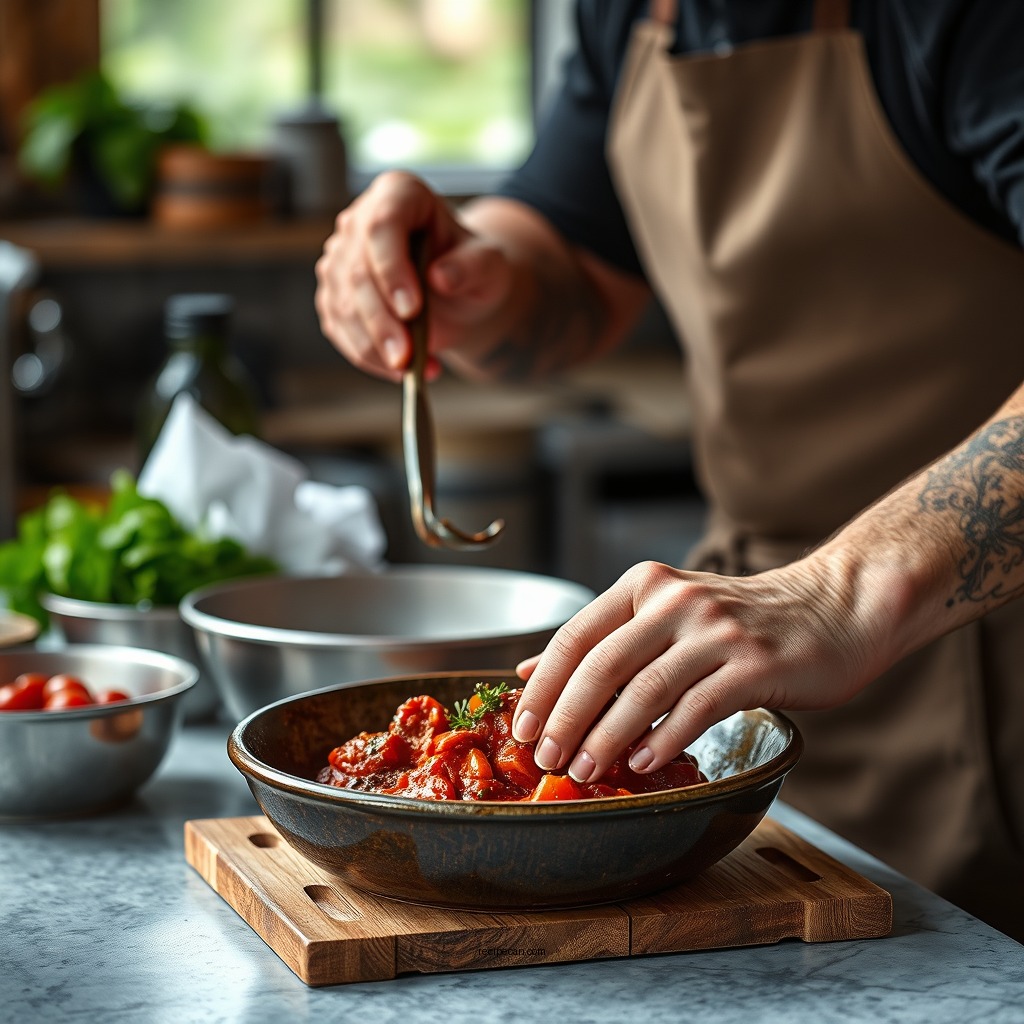
Creating a delicious Puttanesca sauce is straightforward and can be done in just a few steps:
1. Sauté the Aromatics: Begin by heating a generous amount of olive oil in a large skillet over medium heat. Add minced garlic and red pepper flakes, sautéing them until fragrant and golden, usually about 1-2 minutes. Be careful not to let the garlic burn, as it can turn bitter.
2. Add the Tomatoes: If using fresh tomatoes, chop them into small pieces and add them to the skillet. For canned tomatoes, crush them by hand or with a spoon before adding. Stir well to combine with the garlic and oil.
3. Simmer the Sauce: Allow the mixture to simmer for about 15-20 minutes, stirring occasionally. This step is crucial as it helps to thicken the sauce and deepen the flavors. The sauce should reduce to a rich consistency.
4. Incorporate Olives and Capers: Toward the end of the cooking time, add the olives and capers, stirring to combine. Let the sauce simmer for an additional 5 minutes, allowing the flavors to meld.
5. Season and Serve: Taste the sauce and adjust the seasoning if necessary. You might find that it needs a touch of salt or a sprinkle of fresh herbs. Serve hot over your favorite pasta, garnished with fresh basil or parsley.
Cooking Tips for Perfect Puttanesca
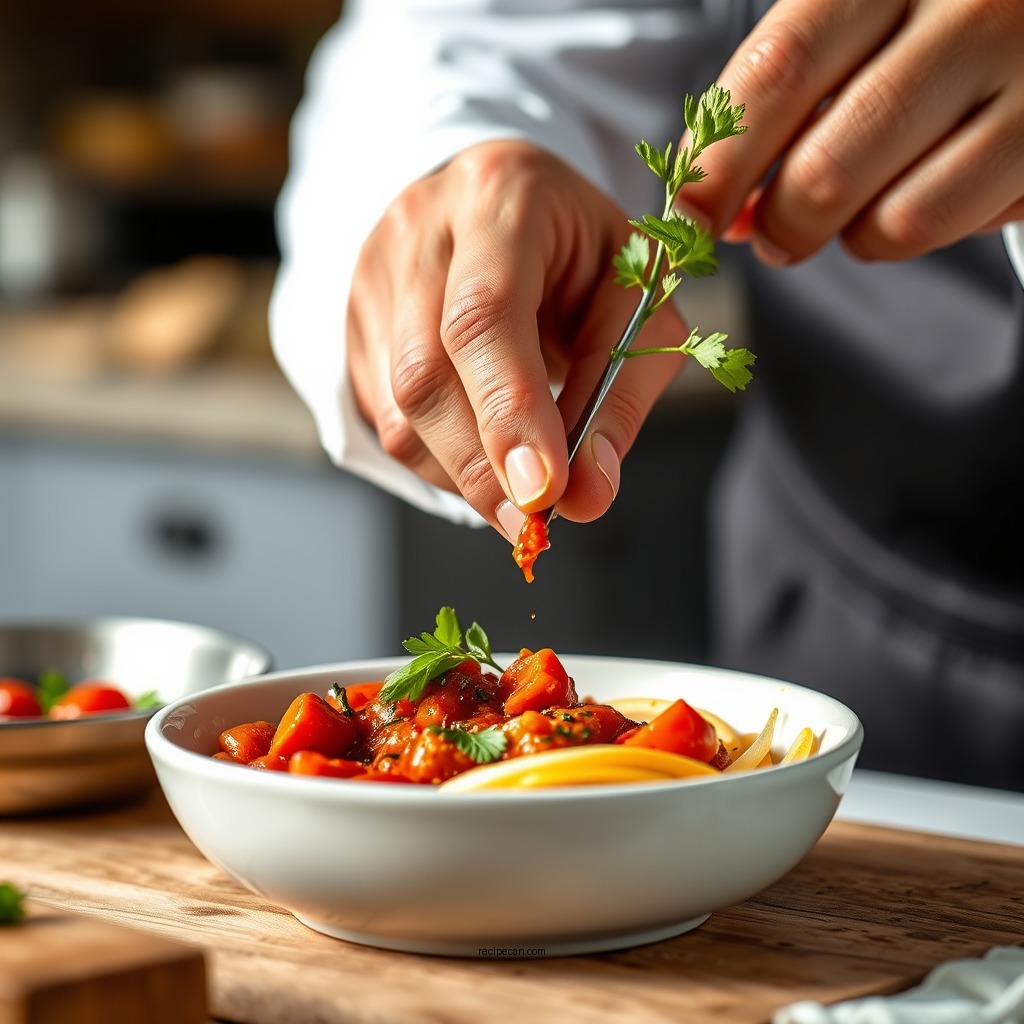
Here are some expert tips to elevate your Puttanesca sauce:
– Use High-Quality Olive Oil: The quality of your olive oil can significantly impact the flavor of the sauce. Opt for an extra virgin variety for the best results, as it will provide a rich, fruity undertone that complements the other ingredients.
– Allow the Sauce to Simmer Longer: For a more intense flavor, let the sauce simmer longer than the recommended time. This will help to concentrate the flavors and create a thicker, more robust sauce.
– Adjust the Heat Level: If you prefer a milder sauce, reduce the amount of red pepper flakes or omit them entirely. Conversely, if you like it spicy, feel free to add more.
– Experiment with Fresh Ingredients: Consider adding fresh basil or parsley for a burst of color and flavor. These herbs can brighten the sauce and add a fresh element to the dish.
Variations to Try
Puttanesca sauce is versatile and open to interpretation. Here are some variations to consider:
– Anchovy Paste: For an added umami flavor, incorporate anchovy paste when sautéing the garlic. This ingredient will dissolve and enhance the sauce’s depth without imparting a fishy taste.
– Gluten-Free Options: If you’re following a gluten-free diet, substitute traditional pasta with gluten-free varieties made from rice, quinoa, or legumes. This allows you to enjoy the sauce without compromising on dietary needs.
– Vegetable Additions: For a heartier sauce, consider adding sautéed vegetables such as bell peppers, zucchini, or spinach. This not only boosts the nutritional value but also adds texture and flavor.
Serving Suggestions
Puttanesca sauce pairs beautifully with various dishes:
– Pasta: The most classic pairing is with spaghetti, but feel free to use any pasta shape you prefer, such as linguine, penne, or fettuccine.
– Pizza: Use Puttanesca sauce as a base for pizza instead of traditional tomato sauce. Top with fresh mozzarella, olives, and a sprinkle of oregano for a delightful twist.
– Dipping Sauce: Serve the sauce as a dipping accompaniment for crusty bread or bruschetta, providing a flavorful starter or snack.
📋 Data Table: Key Ingredients and Their Benefits
Key Ingredients in Puttanesca Sauce
| # | Ingredient | Benefit | Usage |
|---|---|---|---|
| 1 | Tomatoes | Rich in vitamins and antioxidants | Base of the sauce |
| 2 | Olives | Healthy fats and flavor | Flavor enhancer |
| 3 | Capers | Adds tanginess | Key flavor component |
| 4 | Garlic | Boosts immune system | Aromatic base |
| 5 | Red Pepper Flakes | Adds heat | Spice element |
| 6 | Olive Oil | Heart-healthy fats | Cooking fat |
| 7 | Fresh Herbs | Enhances freshness | Garnish |
📈 Bar Chart: Flavor Components of Puttanesca Sauce
Flavor Components in Puttanesca Sauce (%)
Storing and Reheating
If you have leftovers, storing and reheating Puttanesca sauce is simple:
– Storing: Allow the sauce to cool completely before transferring it to an airtight container. It can be stored in the refrigerator for up to a week. For longer storage, consider freezing the sauce in portions, which can last up to three months.
– Reheating: When ready to enjoy, reheat the sauce on the stovetop over low heat. Stir occasionally to prevent sticking, and add a splash of water or olive oil if it appears too thick. This method helps retain the sauce’s flavors and prevents overcooking.
In conclusion, Puttanesca sauce is not only easy to make, but it also brings a bold Italian taste to your meals. By following this recipe, you’ll be able to create a delicious sauce that can be enjoyed on pasta, pizza, or as a dipping sauce. Its versatility and rich flavors make it a staple in Italian cuisine that everyone can appreciate. Try it today and elevate your Italian cooking to new heights!
Frequently Asked Questions
What are the key ingredients in a traditional puttanesca sauce recipe?
A traditional puttanesca sauce recipe typically includes key ingredients such as canned tomatoes, garlic, olives, capers, and anchovies. These ingredients combine to create a robust flavor profile that is both savory and slightly tangy, making it a popular choice for pasta dishes.
How do I make puttanesca sauce from scratch?
To make puttanesca sauce from scratch, start by sautéing minced garlic in olive oil until fragrant. Then, add crushed canned tomatoes, chopped olives, capers, and anchovies, and let the mixture simmer for about 15-20 minutes until it thickens. Season with salt, pepper, and red pepper flakes to taste, and serve over your favorite pasta.
Why is puttanesca sauce considered a quick meal option?
Puttanesca sauce is considered a quick meal option because it can be prepared in less than 30 minutes with minimal cooking time. The use of canned tomatoes and pantry staples like olives and capers means you can whip it up easily without the need for extensive prep work or fresh ingredients.
What is the best type of pasta to pair with puttanesca sauce?
The best type of pasta to pair with puttanesca sauce is typically spaghetti or linguine, as their long, thin shapes are excellent for catching the sauce. However, you can also use penne or rigatoni, which can hold the sauce well in their ridges, providing a delightful texture in every bite.
Which variations can I try to customize my puttanesca sauce?
You can customize your puttanesca sauce by adding ingredients like red pepper flakes for heat, fresh herbs like parsley or basil for freshness, or even vegetables like bell peppers or zucchini for added nutrition. Additionally, experimenting with different types of olives or omitting anchovies for a vegetarian version can also create unique flavor profiles.
References
- https://en.wikipedia.org/wiki/Puttanesca_sauce
https://en.wikipedia.org/wiki/Puttanesca_sauce - https://www.bbc.co.uk/food/recipes/spaghetti_puttanesca_46140
https://www.bbc.co.uk/food/recipes/spaghetti_puttanesca_46140 - https://www.nytimes.com/recipes/1019808/spaghetti-puttanesca.html
https://www.nytimes.com/recipes/1019808/spaghetti-puttanesca.html - https://www.sciencedirect.com/topics/food-science/puttanesca-sauce
https://www.sciencedirect.com/topics/food-science/puttanesca-sauce - https://www.britannica.com/topic/puttanesca-sauce
https://www.britannica.com/topic/puttanesca-sauce - https://www.thespruceeats.com/puttanesca-sauce-recipe-2017406
https://www.thespruceeats.com/puttanesca-sauce-recipe-2017406 - Google Scholar Google Scholar
https://scholar.google.com/scholar?q=puttanesca+sauce - https://pubmed.ncbi.nlm.nih.gov/?term=puttanesca+sauce
https://pubmed.ncbi.nlm.nih.gov/?term=puttanesca+sauce - https://www.jstor.org/stable/10.5325/jfoodscience.70.5.510
https://www.jstor.org/stable/10.5325/jfoodscience.70.5.510 - Google Scholar Google Scholar
https://scholar.google.com/scholar?q=puttanesca+sauce+recipe