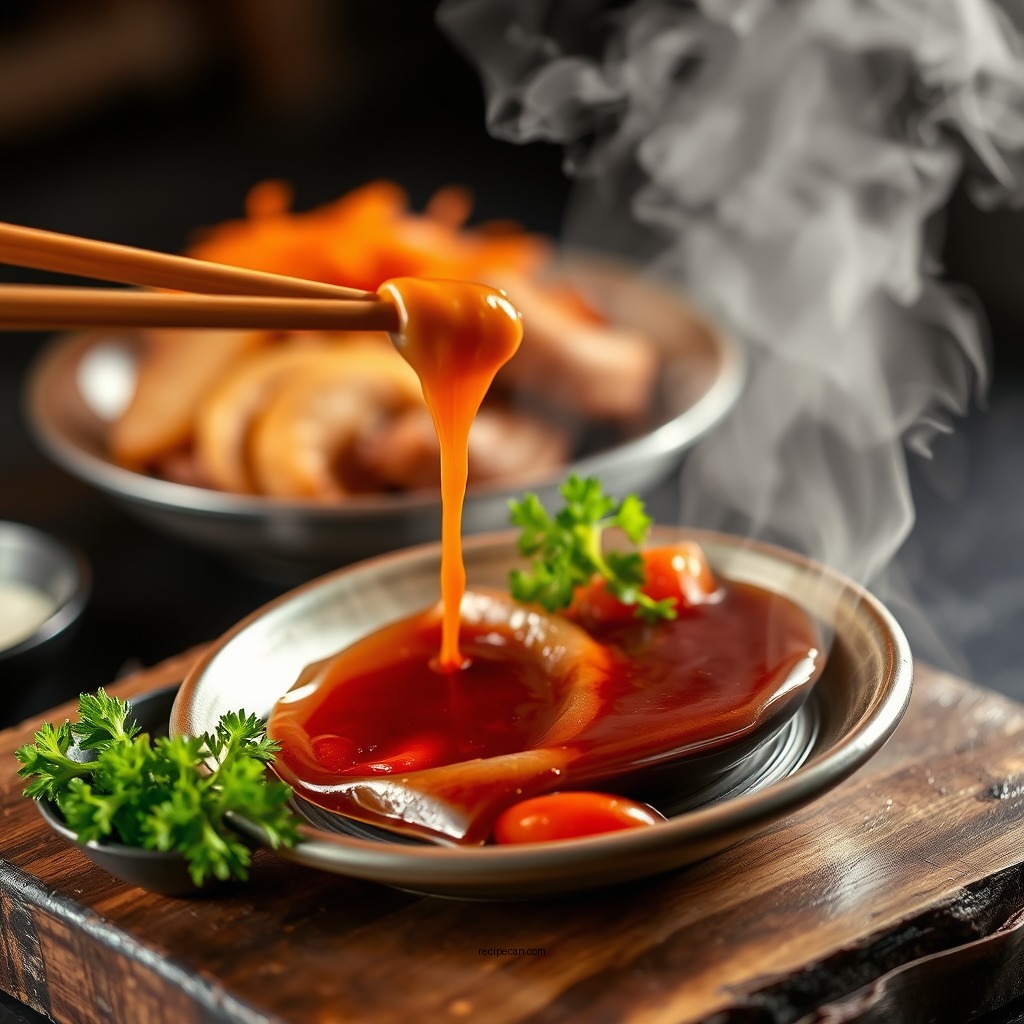
Hibachi sauce is a simple yet flavorful condiment that can elevate your grilled dishes, giving them that authentic Japanese steakhouse taste. In this article, you’ll learn how to create a delicious hibachi sauce at home using just a few ingredients. Follow this easy recipe to impress your friends and family with your cooking skills.
Ingredients You’ll Need

To create the perfect hibachi sauce, you only need a few essential ingredients that are easy to find at most grocery stores. Each ingredient plays a crucial role in developing the sauce’s unique flavor profile:
– Soy Sauce: This is the backbone of your hibachi sauce, providing a rich umami flavor that is both savory and satisfying. Opt for a high-quality soy sauce for the best results, as it can significantly affect the overall taste.
– Mirin or Rice Vinegar: Mirin is a sweet rice wine that adds both sweetness and acidity to the sauce. If you prefer a lighter flavor, rice vinegar can also work, though it lacks the sweetness of mirin. Both ingredients help balance the saltiness of the soy sauce.
– Garlic and Ginger: Freshly minced garlic and ginger bring aromatic depth to the sauce. They contribute a warm, spicy note that complements the other flavors beautifully.
Step-by-Step Instructions
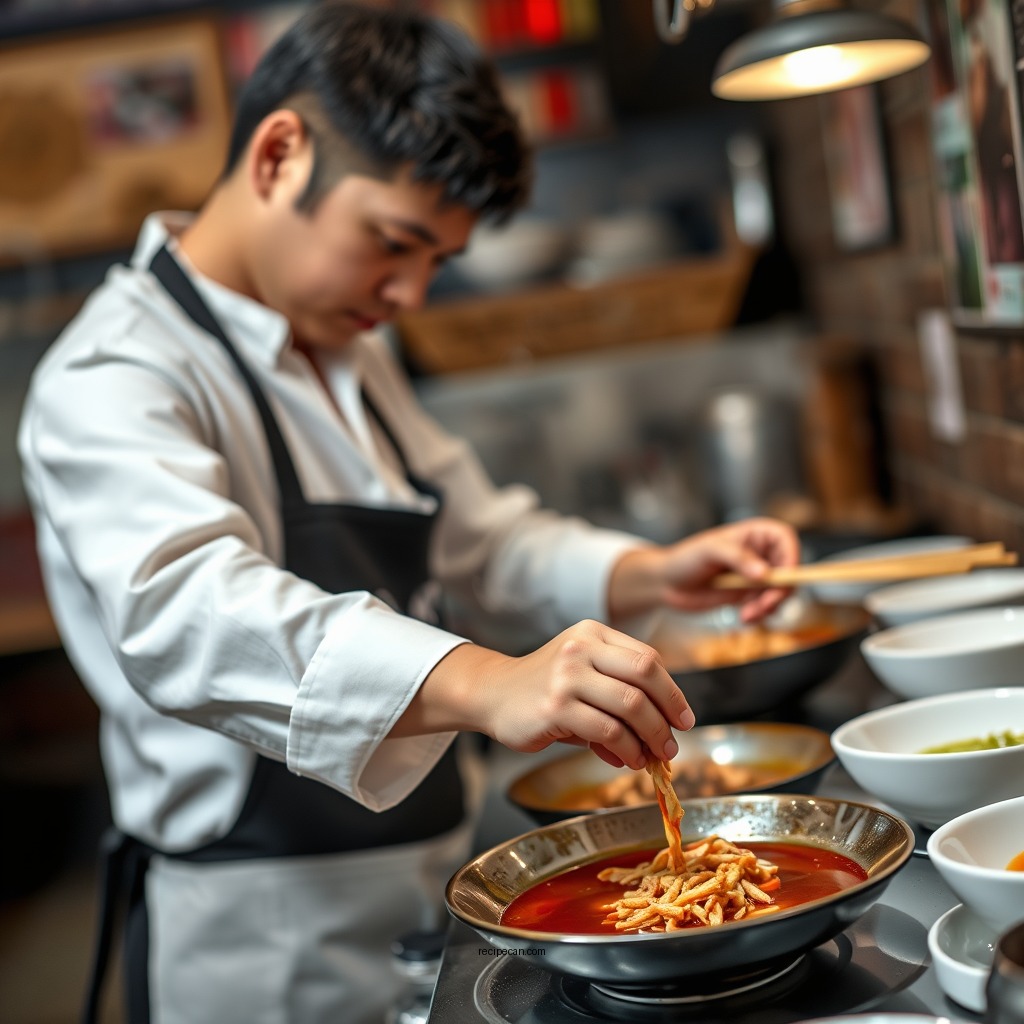
Making hibachi sauce is straightforward and requires minimal effort. Follow these steps for a delicious homemade condiment:
1. Combine the Ingredients: In a medium-sized bowl, mix together the soy sauce, mirin (or rice vinegar), minced garlic, and minced ginger. Use a whisk or fork to ensure everything is thoroughly combined.
2. Adjust Flavors: Taste the mixture after combining. Depending on your preference, you may want to add more mirin for sweetness or more soy sauce for saltiness. This step is essential to customize the sauce to your liking.
3. Let it Sit: Once you have adjusted the flavors, allow the sauce to rest for at least 30 minutes. This resting period is crucial as it allows the flavors to meld together, enhancing the overall taste of your hibachi sauce.
Popular Ingredients in Homemade Hibachi Sauce
| # | Ingredient | Usage (%) | Flavor Contribution |
|---|---|---|---|
| 1 | Soy Sauce | 50% | Umami |
| 2 | Mirin/Rice Vinegar | 30% | Sweetness/Acidity |
| 3 | Garlic | 10% | Aromatic |
| 4 | Ginger | 10% | Spicy |
Variations of Hibachi Sauce
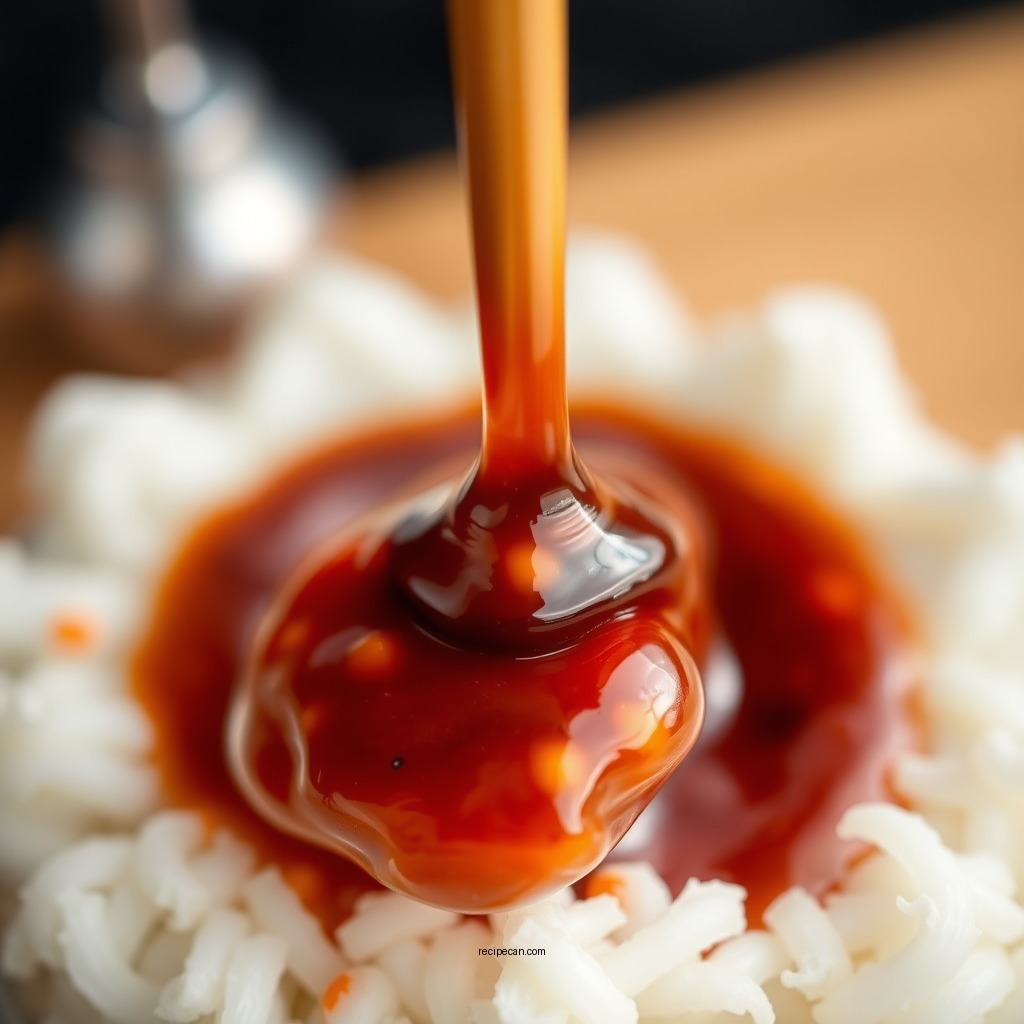
While the basic hibachi sauce is already delightful, you can easily customize it to suit your taste or to spice things up. Here are a few variations you might consider:
– Spicy Hibachi Sauce: For those who enjoy a bit of heat, add sriracha or chili flakes to your sauce. Start with a small amount and gradually increase it until you reach your desired spice level.
– Garlic Butter Hibachi Sauce: If you love the richness of butter, melt a tablespoon or two of unsalted butter and mix it into your sauce. This will give it a creamy texture and a delightful richness that pairs perfectly with grilled meats.
– Teriyaki-Style Hibachi Sauce: For a sweeter profile, incorporate brown sugar and sesame oil into your sauce. This variation is perfect for marinating meats or drizzling over stir-fried vegetables.
Serving Suggestions
The versatility of hibachi sauce makes it an excellent addition to various dishes. Here are some serving ideas to help you make the most of your homemade sauce:
– Dipping Sauce: Use hibachi sauce as a dipping sauce for grilled meats and vegetables. It pairs exceptionally well with shrimp, chicken, and tender grilled steak.
– Flavorful Drizzle: Drizzle the sauce over fried rice or noodles for an added flavor boost. The sauce complements the savory elements of these dishes beautifully.
– Marinade: Consider using hibachi sauce as a marinade for proteins before grilling. Allow the meat to soak in the flavors for at least 30 minutes (or longer for optimal taste) to enhance its flavor.
Storage Tips
To ensure your hibachi sauce stays fresh and flavorful, follow these storage tips:
– Refrigeration: Store any leftover hibachi sauce in an airtight container in the refrigerator. It can last for up to one week, making it easy to whip up quick meals throughout the week.
– Freezing: If you want to keep the sauce longer, consider freezing it. Pour the sauce into ice cube trays and freeze. Once frozen, transfer the cubes to a freezer bag. This allows you to use small amounts as needed without having to prepare the sauce from scratch each time.
Common Mistakes to Avoid
To make the most of your hibachi sauce experience, be mindful of these common pitfalls:
– Using Low-Quality Soy Sauce: The quality of soy sauce can make or break your hibachi sauce. Invest in a good quality soy sauce to ensure a rich flavor that enhances your dish.
– Skipping the Resting Time: Allowing the sauce to sit for at least 30 minutes is crucial for flavor development. Skipping this step can result in a bland sauce that lacks depth.
Crafting your own hibachi sauce at home is not only easy but also rewarding. With just a few simple ingredients and some quick steps, you can enjoy a delicious sauce that complements a variety of dishes. Don’t hesitate to experiment with flavors and find the perfect blend that suits your taste. Give this recipe a try and elevate your next meal!
Frequently Asked Questions
What are the main ingredients in a traditional hibachi sauce recipe?
A traditional hibachi sauce recipe typically includes soy sauce, garlic, ginger, and sesame oil. Some variations might also incorporate mirin for sweetness and rice vinegar for tanginess, creating a balanced flavor profile that enhances grilled meats and vegetables.
How can I make a homemade hibachi sauce from scratch?
To make a homemade hibachi sauce, combine equal parts soy sauce and water in a bowl, then add minced garlic, grated ginger, and a splash of sesame oil. Whisk the ingredients together and let it sit for at least 15 minutes to allow the flavors to meld. Adjust the proportions to your taste for a personalized touch.
Why is hibachi sauce so popular in Japanese cuisine?
Hibachi sauce is popular in Japanese cuisine because it complements the flavors of grilled meats and vegetables, enhancing the overall dining experience. Its savory and slightly sweet profile makes it a versatile dipping sauce that appeals to a wide range of palates, contributing to its widespread use in hibachi-style cooking.
What is the best way to store leftover hibachi sauce?
The best way to store leftover hibachi sauce is to transfer it to an airtight container and refrigerate it. It can typically last for up to one week in the fridge, allowing you to enjoy it with future meals. For longer storage, consider freezing the sauce in ice cube trays for easy portioning.
Which dishes pair well with hibachi sauce?
Hibachi sauce pairs well with a variety of dishes, including grilled chicken, steak, shrimp, and vegetables. It also complements fried rice and noodles, making it a versatile addition to your meal prep. Drizzling it over salads can also add an exciting flavor twist.
References
- Hibachi
https://en.wikipedia.org/wiki/Hibachi - https://www.britannica.com/topic/hibachi
https://www.britannica.com/topic/hibachi - Google Scholar Google Scholar
https://scholar.google.com/scholar?q=hibachi+sauce+recipe - https://pubmed.ncbi.nlm.nih.gov/
https://pubmed.ncbi.nlm.nih.gov/ - Google Scholar Google Scholar
https://scholar.google.com/scholar?q=sauce+recipes - https://www.ncbi.nlm.nih.gov/pmc/articles/PMC6632361/
https://www.ncbi.nlm.nih.gov/pmc/articles/PMC6632361/ - https://www.sciencedirect.com/topics/food-science/hibachi
https://www.sciencedirect.com/topics/food-science/hibachi - https://www.verywellfit.com/what-is-hibachi-5116396
https://www.verywellfit.com/what-is-hibachi-5116396 - Nutritional Values For Common Foods And Products
https://www.nutritionvalue.org/ - https://www.healthline.com/nutrition/hibachi-cooking
https://www.healthline.com/nutrition/hibachi-cooking