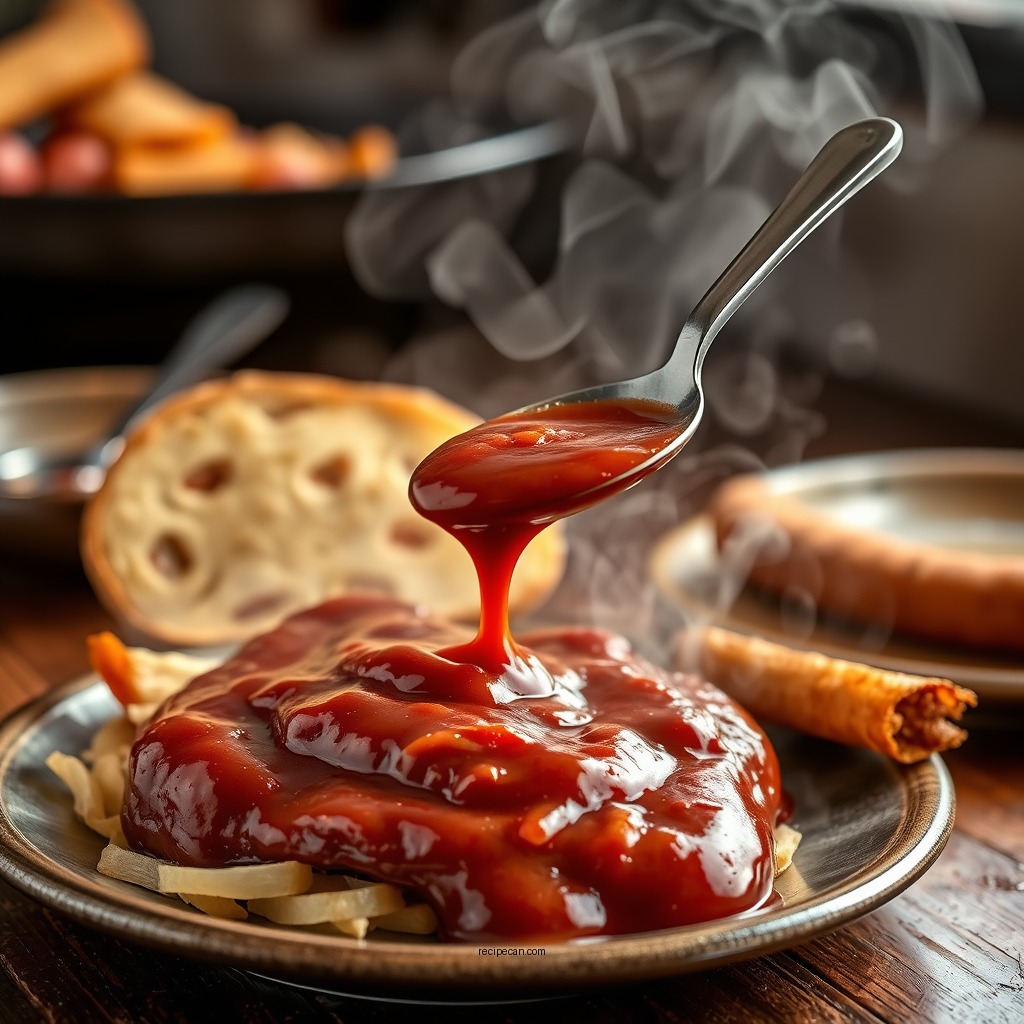
Carolina barbecue sauce is a quintessential Southern condiment celebrated for its distinctive tangy flavor profile, primarily derived from vinegar, mustard, and a medley of spices. This sauce not only enhances the taste of various barbecued meats but also serves as a zesty dipping sauce that can elevate your culinary creations. In this article, you’ll learn how to craft this iconic sauce at home, ensuring that your barbecue dishes are nothing short of spectacular.
Ingredients You’ll Need
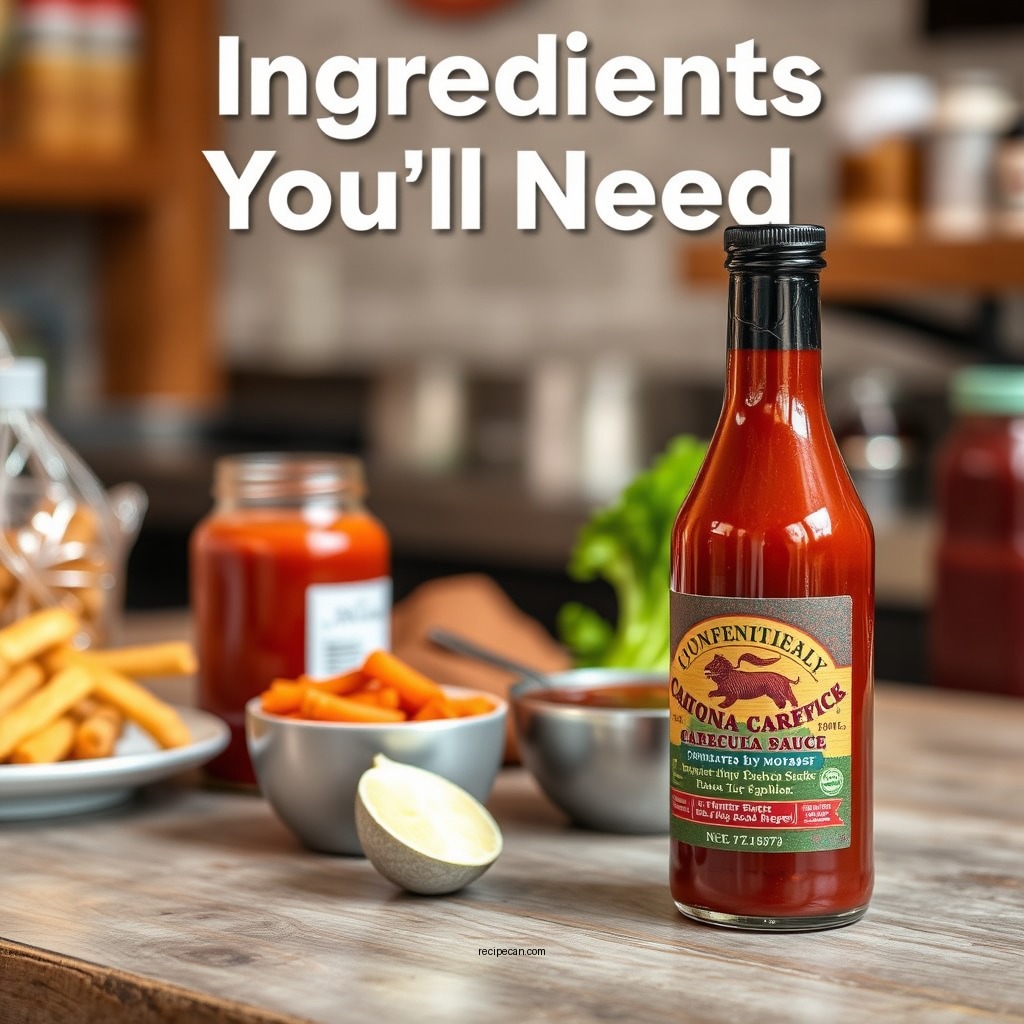
To create the perfect Carolina barbecue sauce, you will require a handful of essential ingredients, each contributing to the sauce’s signature taste. Here’s what you’ll need:
– Apple cider vinegar: This acts as the foundation of the sauce, delivering an unmistakable tanginess that is characteristic of Carolina barbecue. It also helps to tenderize meats when used as a marinade.
– Yellow mustard: Known for its mild flavor, yellow mustard adds depth to the sauce and introduces a subtle sweetness that balances the sharpness of the vinegar.
– Brown sugar: This ingredient plays a crucial role in providing sweetness and aids in caramelization during cooking, which enhances the overall flavor and texture of the sauce.
– Spices: Common spices include black pepper, cayenne pepper, and garlic powder, which can be adjusted according to your taste preferences.
Step-by-Step Instructions

Creating Carolina barbecue sauce is a straightforward process that can be completed in just a few simple steps.
1. Mix the ingredients: In a mixing bowl, combine 1 cup of apple cider vinegar, 1/2 cup of yellow mustard, 1/4 cup of brown sugar, and your choice of spices (typically about 1 teaspoon each of black pepper and cayenne pepper). Mix well until the sugar is completely dissolved.
2. Simmer the sauce: Transfer the mixture to a saucepan and bring it to a gentle simmer over medium heat. Allow the sauce to simmer for 15-20 minutes, stirring frequently. This process melds the flavors and slightly thickens the sauce, resulting in a rich and cohesive consistency.
3. Cool and store: Once the sauce has simmered and thickened to your liking, remove it from heat and allow it to cool. Store it in an airtight container in the refrigerator until you’re ready to use it.
Flavor Variations
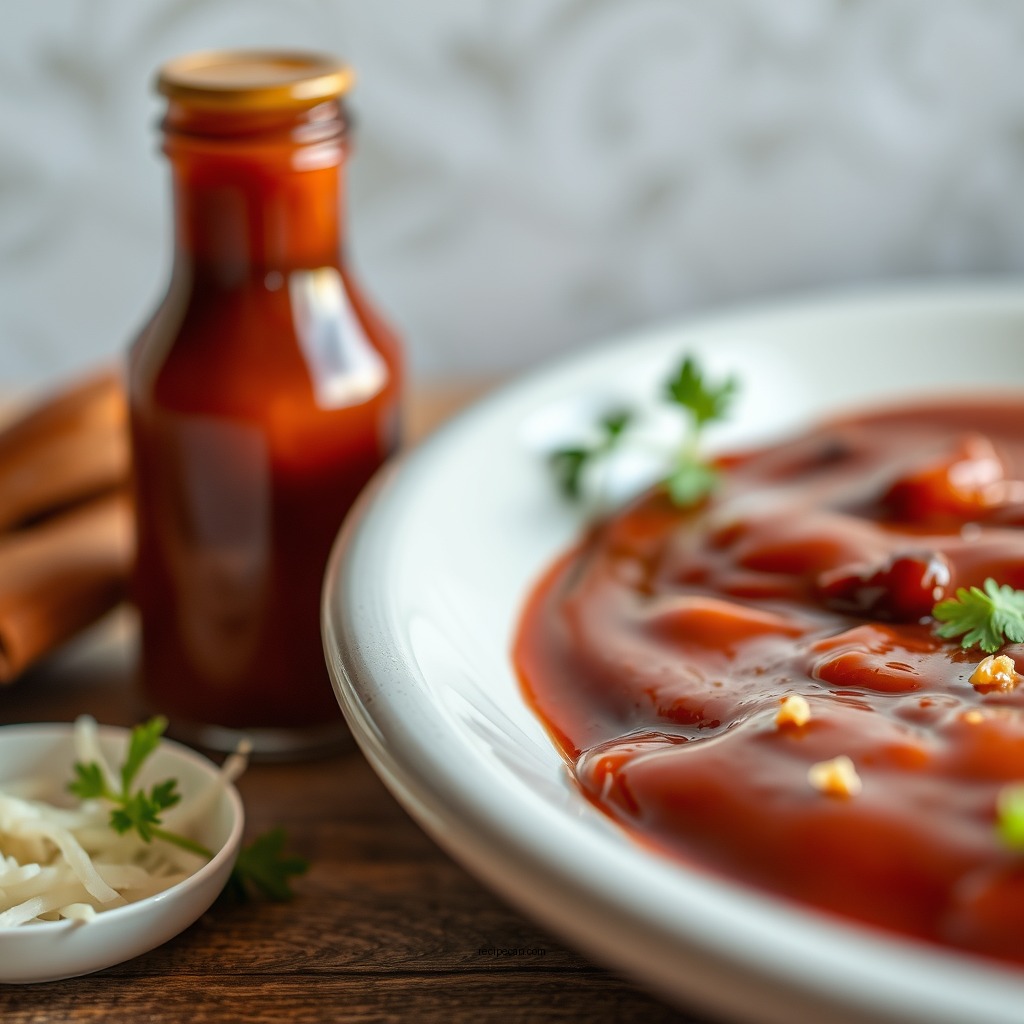
While the classic Carolina barbecue sauce is delicious on its own, there are numerous ways to customize it to suit your palate:
– Add hot sauce: If you enjoy a bit of heat, consider incorporating your favorite hot sauce to the mix. A few dashes of Tabasco or a sprinkle of crushed red pepper flakes can provide an exhilarating kick.
– Experiment with spices: Feel free to customize the flavor profile by adding other spices. Garlic powder, onion powder, or smoked paprika can enhance the depth and complexity of the sauce, making it uniquely yours.
Storage Tips
To ensure that your homemade Carolina barbecue sauce remains fresh and flavorful, follow these storage guidelines:
– Refrigerate: Store the sauce in an airtight container in the refrigerator, where it can last for up to two weeks. The flavors will continue to develop and deepen over time.
– Freeze: For longer storage, consider freezing the sauce. Pour the sauce into small, freezer-safe containers or ice cube trays for easy portioning. It can be stored in the freezer for up to three months.
Serving Suggestions
Carolina barbecue sauce is incredibly versatile and can be utilized in various ways:
– Pair with meats: This sauce is a natural complement to pulled pork, chicken, or ribs. Simply slather it on your grilled or smoked meats to enhance their flavor and moisture.
– Try it as a dip: Beyond being a marinade or sauce, it also serves as a delightful dip for fries, onion rings, or fresh vegetables. Its tangy flavor can add a refreshing twist to your appetizers.
Common Mistakes to Avoid
To ensure the best results with your Carolina barbecue sauce, be mindful of these common pitfalls:
– Skipping the simmering step: Failing to simmer the sauce can result in a disjointed flavor profile, where the individual ingredients do not meld properly. This step is crucial for achieving a well-rounded taste.
– Over-sweetening: While sweetness is essential, too much brown sugar can overpower the tanginess of the vinegar. Strive for balance by adjusting the sugar content to your liking while ensuring the vinegar shines through.
Top 7 Carolina Barbecue Sauces (2024)
| # | Brand | Taste Rating | Heat Level | Sugar Content |
|---|---|---|---|---|
| 1 | Duke’s | ★★★★☆ | Mild | 10g |
| 2 | Sweet Baby Ray’s | ★★★★★ | Medium | 14g |
| 3 | Carolina’s Finest | ★★★★☆ | Hot | 12g |
| 4 | Bone Suckin’ Sauce | ★★★★★ | Mild | 8g |
| 5 | Stubb’s | ★★★★☆ | Medium | 11g |
| 6 | Lillie’s Q | ★★★★☆ | Medium | 13g |
| 7 | BBQ Sauce Co. | ★★★☆☆ | Hot | 15g |
Popularity of Carolina Barbecue Sauce Variants (2024)
The Carolina barbecue sauce is a must-try for anyone looking to elevate their barbecue game. Perfect for summer cookouts or cozy family dinners, this sauce is sure to impress. Gather your ingredients, follow the steps, and enjoy this deliciously tangy addition to your favorite dishes!
Frequently Asked Questions
What are the key ingredients in a traditional Carolina barbecue sauce recipe?
A traditional Carolina barbecue sauce typically includes vinegar, tomato, mustard, and a mix of spices such as black pepper, cayenne, and sugar. The focus is often on vinegar-based sauces in Eastern North Carolina, while the Western region might incorporate tomato and mustard, providing a tangy and slightly sweet flavor profile that complements smoked meats perfectly.
How do I make a homemade Carolina barbecue sauce?
To make a homemade Carolina barbecue sauce, combine 1 cup of distilled white vinegar, 1/2 cup of ketchup, 1/4 cup of yellow mustard, 2 tablespoons of brown sugar, 1 teaspoon of black pepper, and a pinch of cayenne pepper in a saucepan. Heat over medium heat, stirring until the sugar dissolves, then let it simmer for about 10 minutes to meld the flavors. Allow it to cool before using it to baste meats or as a dipping sauce.
Why is vinegar a primary ingredient in Carolina barbecue sauce?
Vinegar is a primary ingredient in Carolina barbecue sauce because it adds a sharp tang that balances the richness of smoked meats, making it a perfect accompaniment. This acidity helps to tenderize the meat while enhancing the overall flavor profile, which is a hallmark of Southern barbecue traditions.
What is the best way to store homemade Carolina barbecue sauce?
The best way to store homemade Carolina barbecue sauce is in an airtight container in the refrigerator, where it can last for up to two weeks. For longer storage, consider freezing the sauce in ice cube trays or sealed containers, which allows you to easily thaw and use it as needed for your barbecue meals.
Which meats pair best with Carolina barbecue sauce?
Carolina barbecue sauce pairs best with pork, especially pulled pork and ribs, due to its ability to complement the meat’s rich flavors. However, it also works well with chicken and brisket, making it a versatile choice for various barbecue dishes and enhancing the taste of grilled or smoked meats.
References
- Barbecue in the United States
https://en.wikipedia.org/wiki/Carolina_barbecue - https://www.ncbi.nlm.nih.gov/pmc/articles/PMC4012711/
https://www.ncbi.nlm.nih.gov/pmc/articles/PMC4012711/ - https://www.britannica.com/topic/barbecue
https://www.britannica.com/topic/barbecue - https://www.sciencedirect.com/topics/food-science/barbecue
https://www.sciencedirect.com/topics/food-science/barbecue - https://www.verywellfit.com/what-is-carolina-barbecue-4689188
https://www.verywellfit.com/what-is-carolina-barbecue-4689188 - Google Scholar Google Scholar
https://scholar.google.com/scholar?q=carolina+barbecue+sauce+recipe - Google Scholar Google Scholar
https://scholar.google.com/scholar?q=carolina+barbecue+sauce - Google Scholar Google Scholar
https://scholar.google.com/scholar?q=barbecue+sauce+regional+variations - https://theconversation.com/why-carolina-barbecue-is-some-of-the-best-in-the-us-107799
https://theconversation.com/why-carolina-barbecue-is-some-of-the-best-in-the-us-107799 - https://www.cdc.gov/nutrition/food-safety.html
https://www.cdc.gov/nutrition/food-safety.html