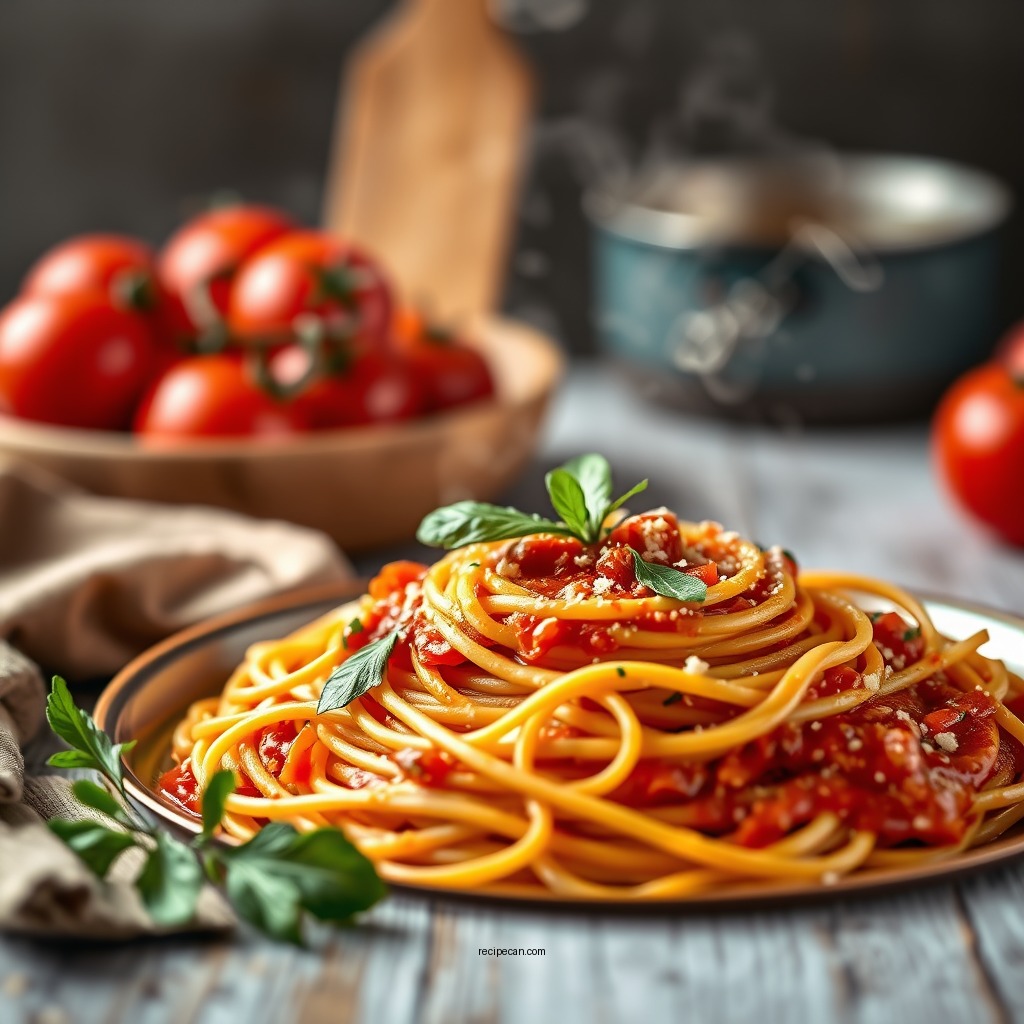
Creating a delicious spaghetti sauce with fresh tomatoes is both simple and rewarding. In just a few steps, you can transform ripe tomatoes into a rich, flavorful sauce that’s perfect for any pasta dish. This article will guide you through the key ingredients and steps to make the best spaghetti sauce using fresh tomatoes.
Choosing the Right Fresh Tomatoes
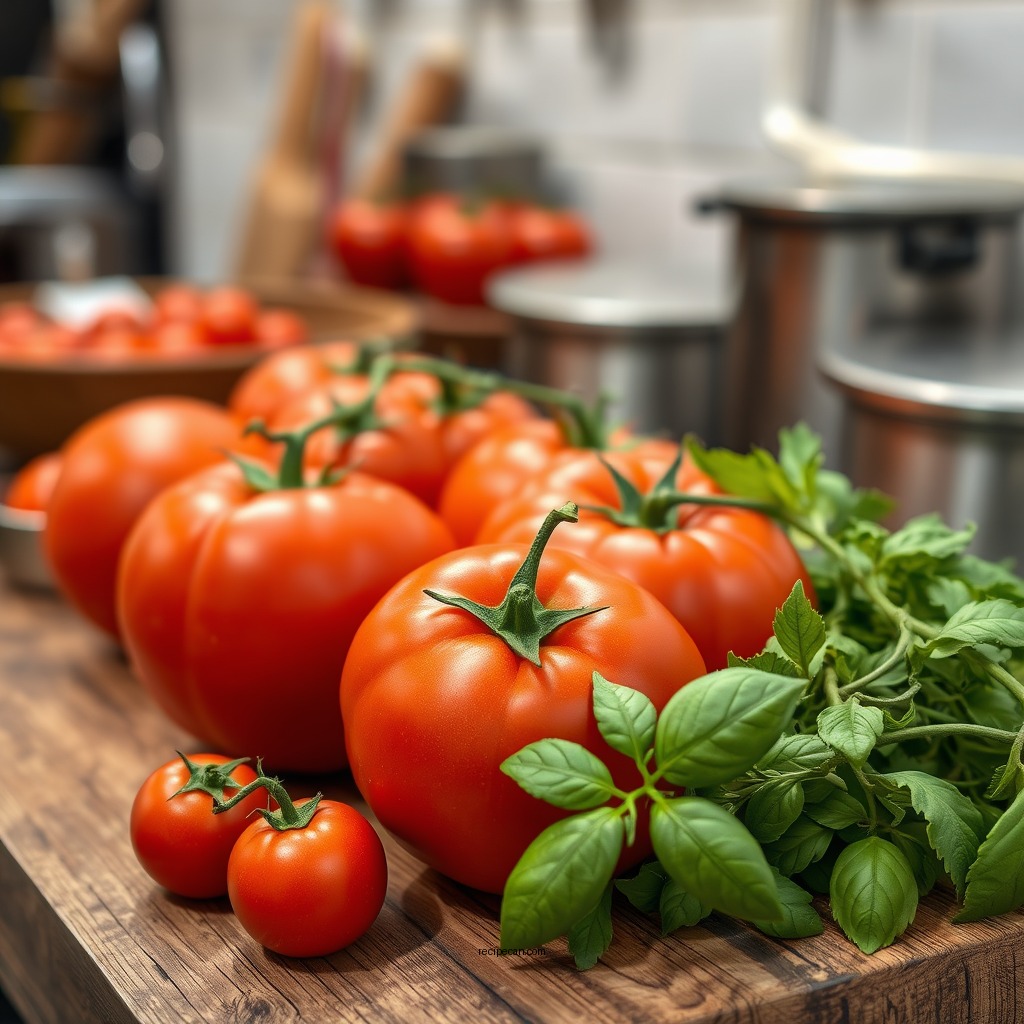
To achieve the best flavor and texture in your spaghetti sauce, selecting the right type of fresh tomatoes is crucial. Roma tomatoes and San Marzano tomatoes are often recommended for their meaty texture and balanced sweetness, making them ideal for sauces. Roma tomatoes have fewer seeds and thicker flesh, which allows for a denser sauce, while San Marzano tomatoes are celebrated for their rich flavor, bolstered by the volcanic soil of Italy where they are grown.
When shopping for fresh tomatoes, it’s essential to choose ripe specimens that are in season. Look for tomatoes that yield slightly to pressure and have a vibrant color. A peak season typically occurs in the summer, so visiting local farmers’ markets can be an excellent way to find the freshest produce. Always remember that the quality of your ingredients directly influences the final taste of your sauce.
Essential Ingredients for Your Sauce
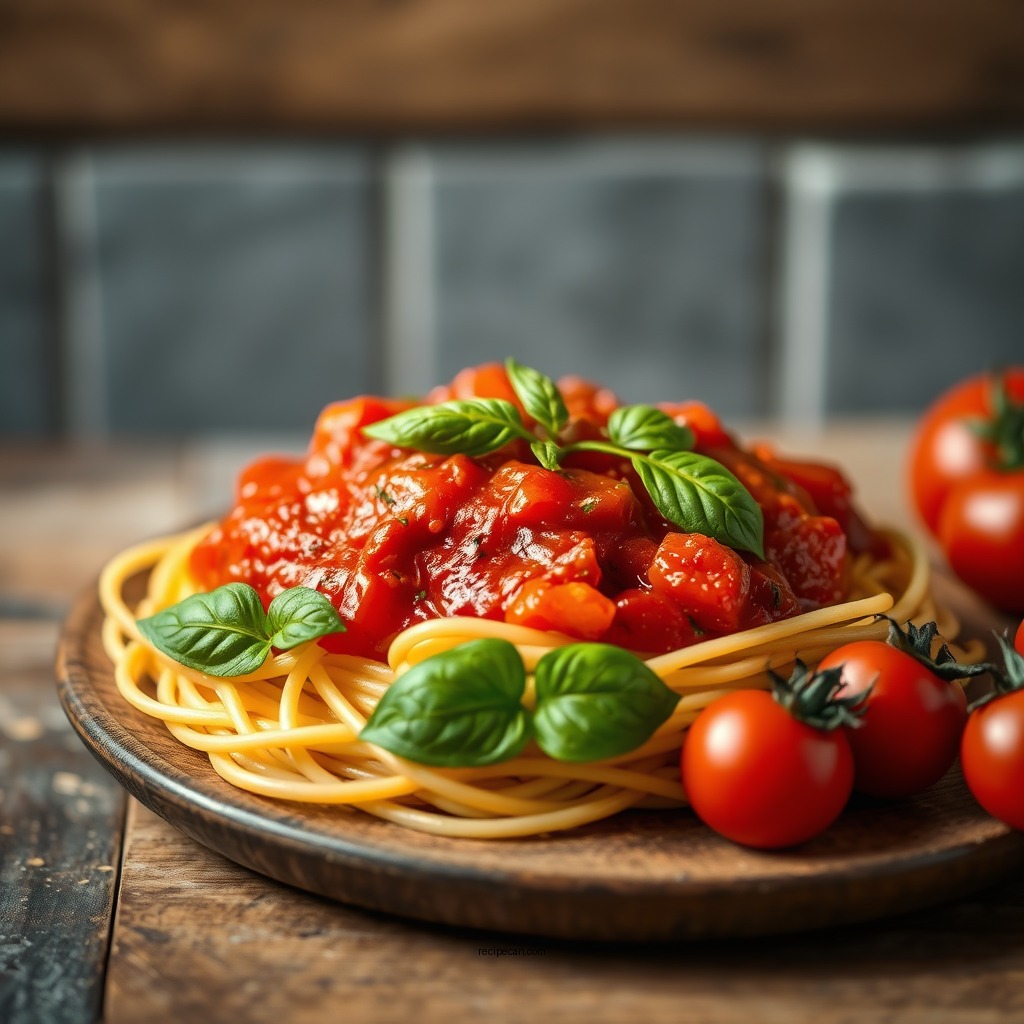
A few key ingredients form the backbone of a great spaghetti sauce. The primary component is, of course, fresh tomatoes. Additionally, you’ll need garlic and onion to add depth of flavor and aromatic notes. For the best results, consider the following essential ingredients:
– Fresh Tomatoes: About 2 pounds of ripe tomatoes will suffice for a family-sized batch.
– Garlic: 4-6 cloves, minced, to impart a robust flavor.
– Onion: 1 medium onion, finely chopped, adds sweetness and complexity.
– Olive Oil: About 3 tablespoons, which enhances the sauce’s richness.
– Salt and Pepper: To taste, for seasoning and balancing flavors.
These ingredients come together to create a sauce that is not only delicious but also allows the natural flavors of the tomatoes to shine through.
Step-by-Step Preparation
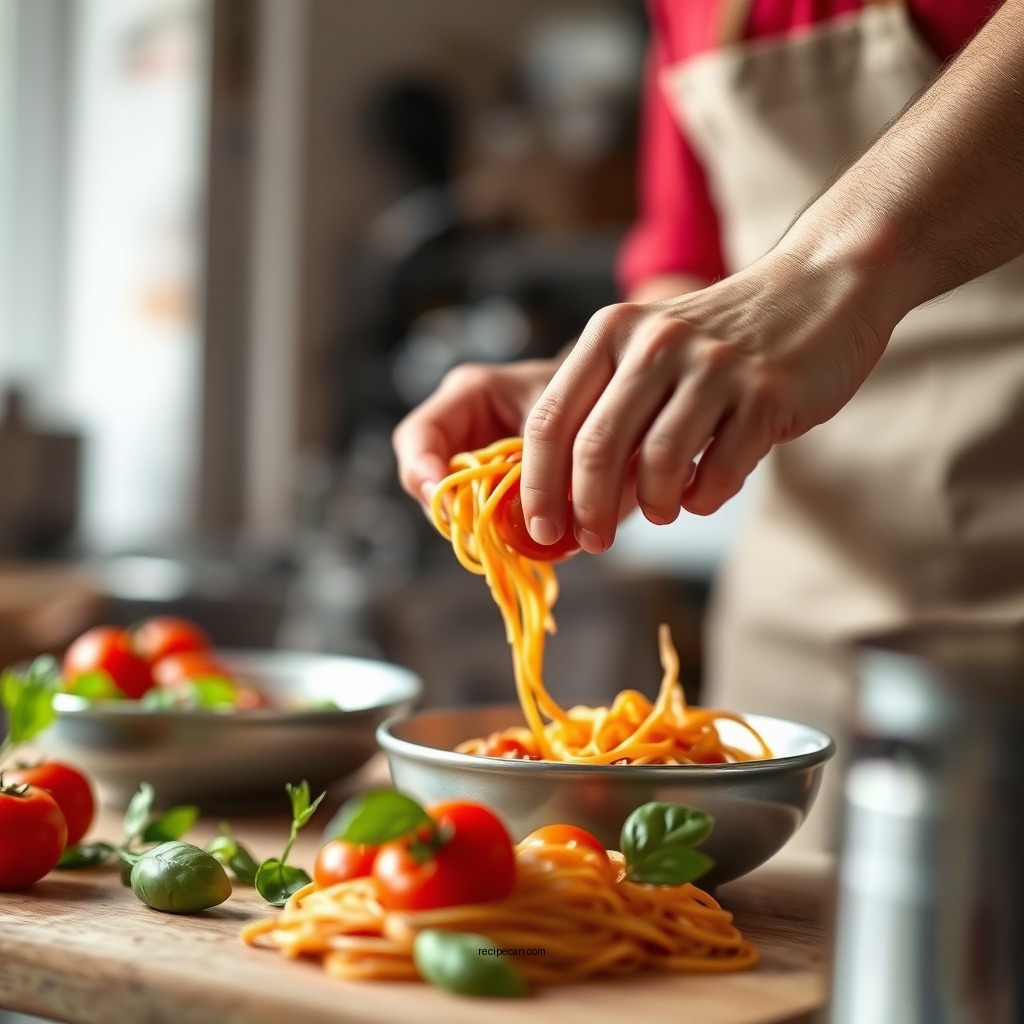
Preparing your spaghetti sauce is straightforward. Here’s a step-by-step guide:
1. Dice the Tomatoes: Start by washing and dicing your fresh tomatoes. You can remove the skins if desired, but this is optional. If you prefer a smoother sauce, consider blanching the tomatoes to easily slip off the skins.
2. Sauté Garlic and Onion: In a large skillet or saucepan, heat the olive oil over medium heat. Add the chopped onion and sauté until translucent, about 5 minutes. Then, add the minced garlic and sauté for another minute until fragrant.
3. Add Tomatoes and Simmer: Pour in the diced tomatoes, along with any juices. Bring the mixture to a gentle simmer. Reduce the heat to low and let it cook for about 30 minutes. This simmering process allows the tomatoes to break down and meld their flavors.
4. Stir Occasionally: During the simmering phase, stir the sauce occasionally to prevent sticking and promote even cooking. If the sauce appears too thick, you can add a splash of water or broth.
Top 7 Tomato Varieties for Spaghetti Sauce
| # | Variety | Flavor Profile | Best Use | Peak Season |
|---|---|---|---|---|
| 1 | Roma | Sweet, Mild | Sauces, Soups | Summer |
| 2 | San Marzano | Rich, Balanced | Sauces | Summer |
| 3 | Beefsteak | Juicy, Sweet | Fresh Eating | Summer |
| 4 | Cherry | Sweet, Tart | Salads, Sauces | Summer |
| 5 | Plum | Slightly Tangy | Sauces, Canning | Summer |
| 6 | Green Zebra | Tart, Unique | Garnishes | Summer |
| 7 | Heirloom | Complex, Rich | Sauces, Salads | Summer |
Flavor Enhancements
To take your spaghetti sauce to the next level, consider incorporating flavor enhancements. Fresh herbs are a fantastic way to add aromatic depth to your sauce. Basil and oregano are classic choices that pair beautifully with tomatoes. Add a handful of roughly chopped fresh basil leaves towards the end of the cooking process to preserve their flavor.
If you want to balance the acidity of your tomatoes, consider adding a splash of red wine or a pinch of sugar. The wine adds complexity, while sugar can help mellow out any excessive tartness. Other optional enhancements you may explore include:
– Crushed Red Pepper: For a hint of heat.
– Carrots: Finely grated, they can add natural sweetness.
– Parmesan Rind: Simmering a rind in your sauce can impart additional umami flavor.
Cooking Techniques for Depth of Flavor
The key to a rich and flavorful spaghetti sauce lies in the cooking techniques you employ. Here are some essential tips:
– Simmering: Allow your sauce to simmer on low heat for at least 30 minutes. This extended cooking time encourages the flavors to meld and develop complexity. The longer you simmer, the richer the sauce will become.
– Stirring: Stir the sauce occasionally to prevent it from sticking to the bottom of the pan. This also ensures that the heat is evenly distributed, leading to consistent cooking throughout.
– Texture Adjustments: If you prefer a smoother sauce, consider using an immersion blender or a regular blender after simmering to achieve the desired consistency.
Cooking Times for Optimal Tomato Sauces
Serving Suggestions
Once your spaghetti sauce is ready, serving it can be just as important as the sauce itself. Here are some suggestions to elevate your dish:
– Pasta Pairing: This sauce pairs well with various pasta types. Spaghetti is classic, but consider experimenting with fettuccine, penne, or even gnocchi for variety.
– Finishing Touches: Before serving, top your pasta with freshly grated Parmesan cheese and a sprinkle of fresh herbs like basil or parsley. This adds an extra layer of flavor and enhances the visual appeal of your dish.
– Accompaniments: Serve your pasta with a side of garlic bread or a fresh garden salad. The contrasting textures and flavors will round out the meal beautifully.
Storing and Reheating Your Sauce
If you have leftovers—or if you intend to make your sauce in advance—proper storage is key. Here’s how to keep your spaghetti sauce fresh:
– Refrigeration: Store any leftover sauce in airtight containers in the refrigerator for up to one week. It’s best to let the sauce cool to room temperature before sealing it to prevent condensation.
– Freezing: For longer storage, consider freezing the sauce in freezer-safe containers or bags. It can last for up to three months in the freezer. Labeling with the date can help you keep track of freshness.
– Reheating: When you’re ready to enjoy the sauce again, reheat it gently on the stove over low heat. If it appears too thick, add a splash of water or broth to achieve the desired consistency. You can also reheat it in the microwave, stirring occasionally for even heating.
Using fresh tomatoes to create a homemade spaghetti sauce not only enhances the flavor but also allows you to customize it to your liking. With these simple steps and tips, you’ll be able to impress family and friends with your culinary skills. Try this recipe today and elevate your pasta night!
Frequently Asked Questions
What are the essential ingredients for a spaghetti sauce recipe with fresh tomatoes?
To create a flavorful spaghetti sauce using fresh tomatoes, you’ll need ripe tomatoes, garlic, onions, olive oil, fresh basil, and salt. Optional ingredients include crushed red pepper for heat, sugar to balance acidity, and other vegetables like bell peppers or carrots for added sweetness. Using high-quality, fresh ingredients will enhance the overall taste of your sauce.
How do I prepare fresh tomatoes for making spaghetti sauce?
Start by blanching the fresh tomatoes in boiling water for about 30 seconds to loosen their skins, then transfer them to an ice bath. Once cooled, peel the skins off, core the tomatoes, and chop them into small pieces. This preparation ensures a smoother sauce without any tough skins, resulting in a rich and delicious spaghetti sauce.
Why is it better to use fresh tomatoes instead of canned for spaghetti sauce?
Fresh tomatoes often provide a brighter, more vibrant flavor compared to canned tomatoes, which can taste more processed or have added preservatives. Additionally, using seasonal, ripe tomatoes allows you to take advantage of their natural sweetness and acidity, creating a more authentic and satisfying spaghetti sauce. It’s a great way to enjoy the taste of summer all year round.
What is the best type of fresh tomatoes to use for spaghetti sauce?
The best types of fresh tomatoes for spaghetti sauce are typically Roma or San Marzano tomatoes, as they have fewer seeds and thicker flesh, which makes for a richer sauce. These varieties are known for their balanced flavor and lower moisture content, allowing for a sauce that is both robust and not overly watery. However, any ripe, flavorful tomato can work well in a pinch.
Which spices and herbs can enhance my spaghetti sauce made with fresh tomatoes?
Common herbs and spices that can elevate your spaghetti sauce include fresh basil, oregano, thyme, and parsley, which all complement the natural flavors of the tomatoes. A pinch of sugar can also help cut through acidity, while red pepper flakes or black pepper can add a touch of heat. Experimenting with these herbs and spices will help you create a customized sauce that suits your palate.
References
- Spaghetti
https://en.wikipedia.org/wiki/Spaghetti - https://www.sciencedirect.com/topics/food-science/spaghetti-sauce
https://www.sciencedirect.com/topics/food-science/spaghetti-sauce - NYT Cooking – Recipes and Cooking Guides From The New York Times
https://www.nytimes.com/recipes/1019908/spaghetti-sauce-with-fresh-tomatoes - https://www.huffpost.com/entry/fresh-tomato-sauce_n_5d5e1d4ae4b0c0c0a1ddf4b2
https://www.huffpost.com/entry/fresh-tomato-sauce_n_5d5e1d4ae4b0c0c0a1ddf4b2 - Google Scholar Google Scholar
https://scholar.google.com/scholar?q=spaghetti+sauce+recipe+with+fresh+tomatoes - Google Scholar Google Scholar
https://scholar.google.com/scholar?q=fresh+tomatoes+in+Italian+cuisine - Google Scholar Google Scholar
https://scholar.google.com/scholar?q=health+benefits+of+tomatoes - https://www.britannica.com/topic/pasta-dish
https://www.britannica.com/topic/pasta-dish - https://en.wikipedia.org/wiki/Special:Search?search=spaghetti+sauce+recipe+with+fresh+tomatoes
https://en.wikipedia.org/wiki/Special:Search?search=spaghetti+sauce+recipe+with+fresh+tomatoes - https://www.ncbi.nlm.nih.gov/search/research-articles/?term=spaghetti+sauce+recipe+with+fresh+tomatoes
https://www.ncbi.nlm.nih.gov/search/research-articles/?term=spaghetti+sauce+recipe+with+fresh+tomatoes