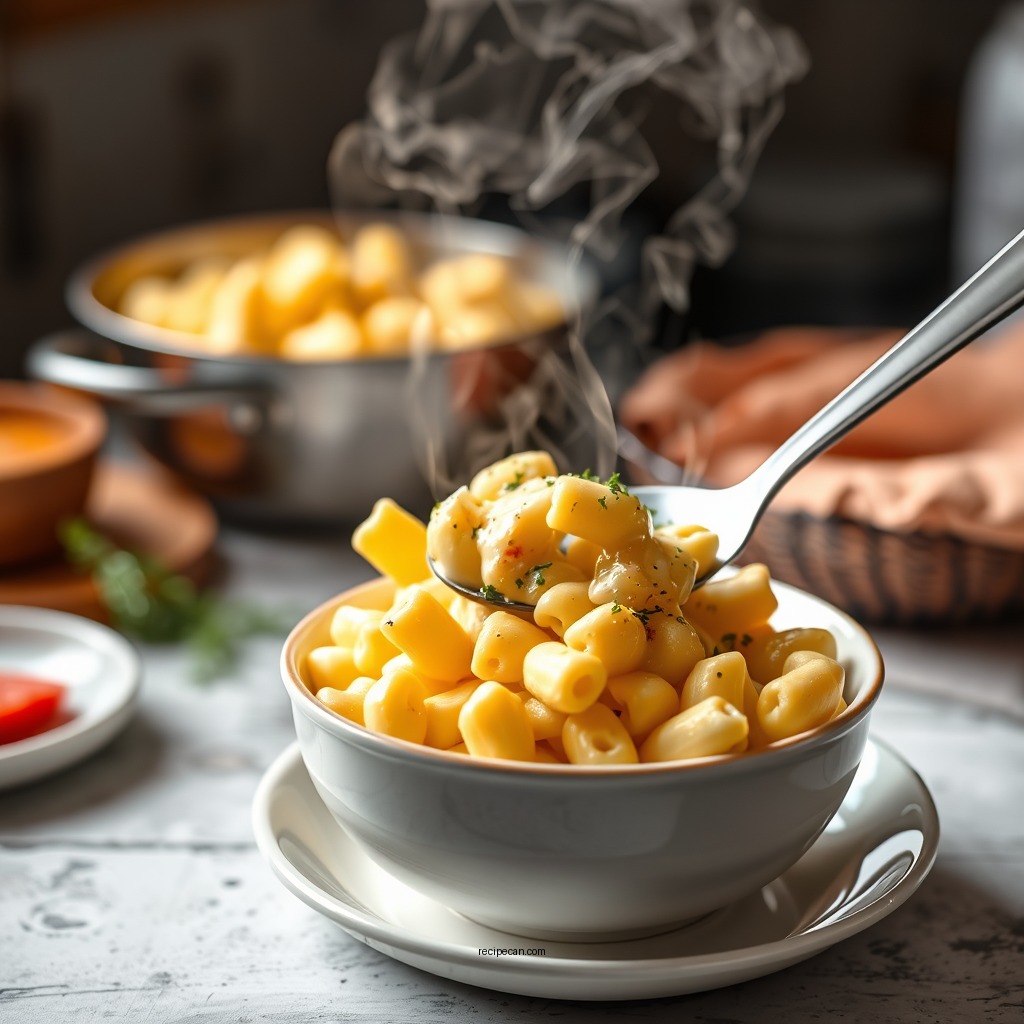
Making a delicious cheese sauce for mac & cheese is simple and rewarding. In just a few easy steps, you can create a creamy, flavorful sauce that transforms ordinary pasta into a comforting dish. This article will guide you through the process of making a perfect cheese sauce, including tips on ingredients and variations.
The Essential Ingredients
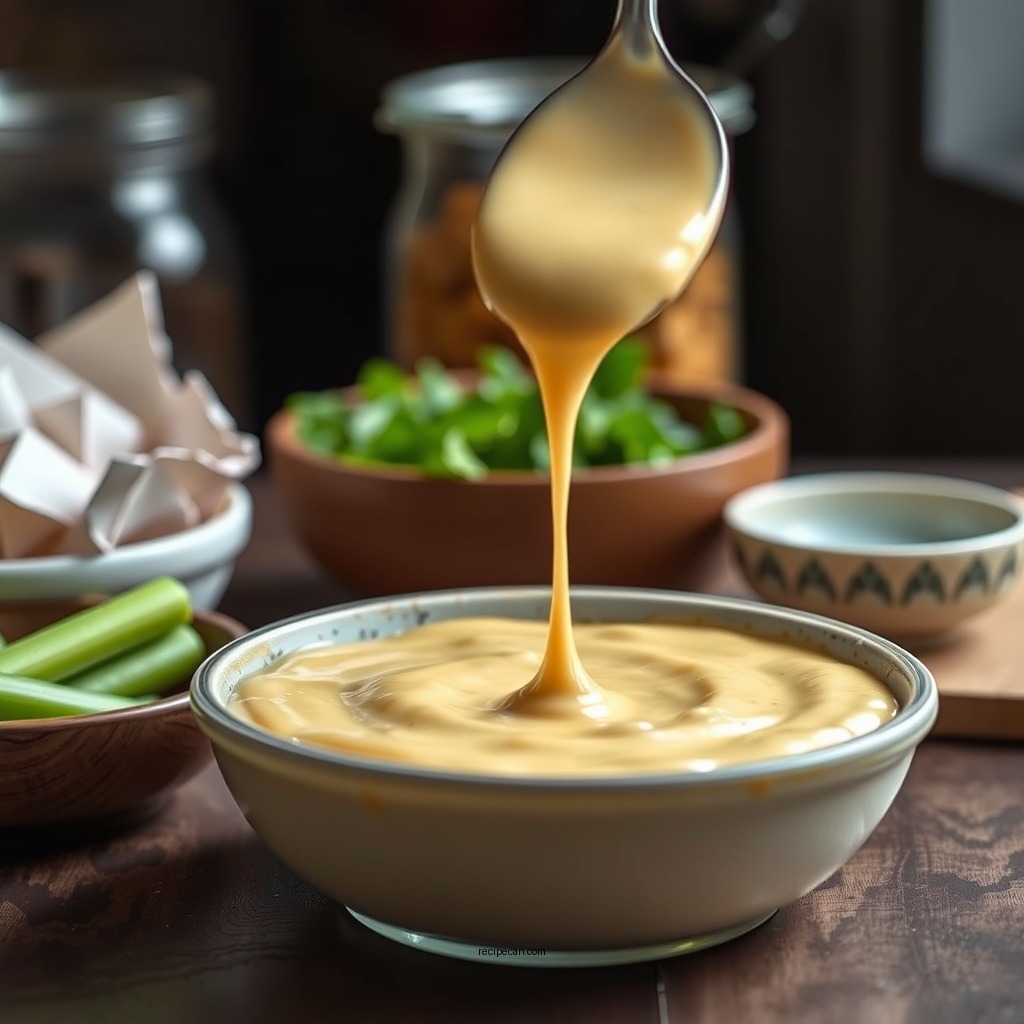
To achieve the perfect cheese sauce, it’s crucial to select the right ingredients. The foundation of your cheese sauce is the cheese itself. Cheddar cheese is a classic choice, known for its deep flavor and excellent melting properties. However, to elevate your dish, consider mixing in other cheeses. Gruyère adds a nutty taste, while mozzarella can lend a delightful stretchiness to your sauce. For those who enjoy bold flavors, incorporating a bit of blue cheese can create a unique twist.
Next, you’ll need a thickening agent. A roux, made from flour and butter, is the traditional choice for creating a creamy texture. Alternatively, cornstarch can be used for a gluten-free option. The key is to ensure that the thickening agent is well mixed with the fat (butter) before adding any liquid to avoid clumps in your sauce.
The Basic Cheese Sauce Method
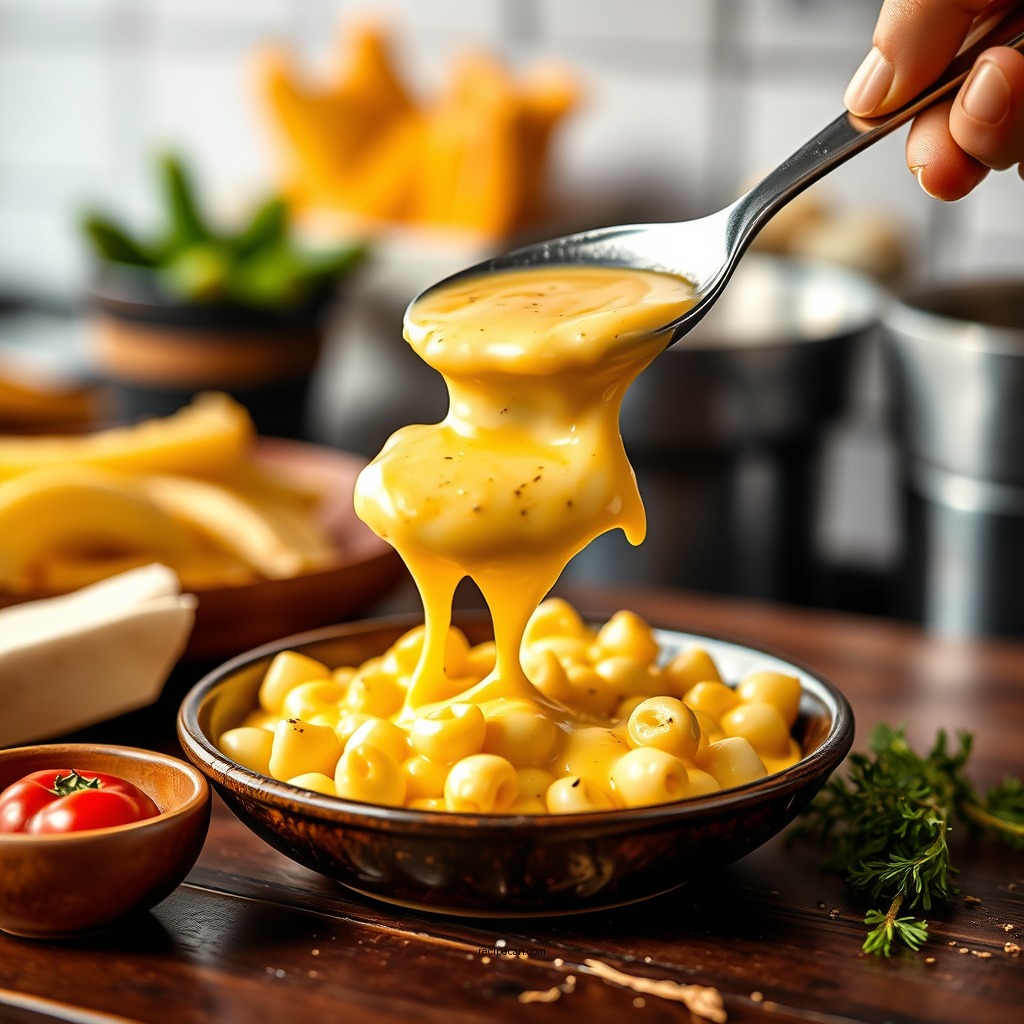
The basic method for making cheese sauce is both straightforward and effective.
1. Start with a roux: Begin by melting a couple of tablespoons of butter in a saucepan over medium heat. Once melted, whisk in an equal amount of all-purpose flour, stirring continuously for about two minutes. This cooking process eliminates the raw flour taste and creates a smooth paste.
2. Gradually add milk: Slowly whisk in milk (whole milk or even heavy cream for extra richness) while continuing to cook over medium heat. Stir constantly until the mixture thickens and begins to bubble. This should take about five to seven minutes, and you’ll know it’s ready when it coats the back of a spoon.
3. Incorporate the cheese: Once your base is ready, reduce the heat to low and slowly add your chosen cheese(s). Stir until melted and fully incorporated, creating a luscious, creamy sauce.
Flavor Enhancements
Even a basic cheese sauce can be transformed with a few strategic enhancements.
– Add spices: Incorporate garlic powder, onion powder, or even a pinch of cayenne pepper to give your sauce an extra kick. These spices deepen the flavor profile, making your mac & cheese more complex and satisfying.
– Experiment with herbs: Fresh or dried herbs like thyme, basil, or parsley can elevate the dish. For example, a sprinkle of fresh chives can add a delightful freshness that balances the richness of the cheese.
Variations of Cheese Sauce
To keep your mac & cheese exciting, consider trying these variations:
– Go gourmet: For a sophisticated twist, incorporate blue cheese into your sauce. This will give your dish a rich flavor that pairs well with a crisp white wine. A splash of white wine can also add depth and acidity to balance the creaminess.
– Make it spicy: If you enjoy heat, consider adding diced jalapeños or a dash of hot sauce to your cheese sauce. This spicy version can turn a classic dish into a fiery delight that excites the palate.
Top Cheese Varieties for Cheese Sauce
| # | Cheese Type | Flavor Profile | Melt Quality | Best For |
|---|---|---|---|---|
| 1 | Cheddar | Rich, sharp | Excellent | Classic mac & cheese |
| 2 | Gruyère | Nutty, sweet | Very good | Gourmet mac & cheese |
| 3 | Mozzarella | Mild, creamy | Excellent | Stretchy cheese pull |
| 4 | Parmesan | Salty, nutty | Good | Topping and flavor boost |
| 5 | Fontina | Rich, buttery | Excellent | Creamy sauces |
| 6 | Cream Cheese | Mild, tangy | Very good | Creamy texture |
| 7 | Blue Cheese | Strong, pungent | Good | Gourmet mac & cheese |
Pairing Your Sauce with Pasta
Once your cheese sauce is ready, it’s time to pair it with pasta.
– Cook pasta al dente: Cooking your pasta until it’s al dente ensures that it maintains a firm texture, allowing it to hold up well when mixed with the cheese sauce. Overcooked pasta can become mushy and lose its appeal.
– Combine thoroughly: In a large pot, combine your cooked pasta with the cheese sauce. Use a spatula or wooden spoon to mix thoroughly, ensuring that every piece of pasta is evenly coated with the creamy sauce. This step is crucial for achieving that classic, indulgent mac & cheese experience.
Baking Options
To take your mac & cheese to the next level, consider baking it:
– Create a baked mac & cheese: After mixing the pasta with the cheese sauce, transfer it to a baking dish. Top with breadcrumbs mixed with melted butter for added crunch, and bake in a preheated oven until golden brown. This not only adds texture but also enhances the overall flavor of the dish.
– Customize toppings: Don’t hesitate to get creative with toppings. Try adding crispy bacon, sautéed vegetables, or additional cheese before baking for an even richer experience. Each addition can bring a new layer of flavor and texture to your mac & cheese.
Cheese Sauce Ingredients Ratios
In conclusion, making a cheese sauce for mac & cheese is not only easy but also a chance to express your culinary creativity. By selecting high-quality ingredients, experimenting with flavors, and exploring different variations and baking techniques, you can create a comforting dish that is uniquely yours. Don’t hesitate to try different cheeses and spices to find the perfect combination that suits your taste. With this guide, you are well-equipped to whip up a creamy delight that will impress your family and friends. So roll up your sleeves, grab your ingredients, and enjoy the rewarding experience of making homemade mac & cheese!
Frequently Asked Questions
What are the essential ingredients for a creamy cheese sauce for mac & cheese?
To create a creamy cheese sauce for mac & cheese, you will need butter, all-purpose flour, milk, and your choice of cheese, such as cheddar or a blend. Additionally, incorporating seasonings like salt, pepper, and mustard powder can enhance the flavor of your cheese sauce.
How do I make a cheese sauce for mac & cheese from scratch?
To make cheese sauce for mac & cheese from scratch, start by melting butter in a saucepan, then whisk in flour to create a roux. Gradually add milk while stirring continuously until the mixture thickens, then add shredded cheese until melted. This simple method ensures a smooth and delicious cheese sauce.
Why does my cheese sauce for mac & cheese turn out grainy?
A grainy cheese sauce for mac & cheese usually results from adding cold cheese to a hot sauce or using low-quality cheese. To prevent this, always use freshly shredded cheese and allow it to come to room temperature before adding it to the sauce. This helps achieve a smooth and creamy texture.
What is the best type of cheese to use for mac & cheese sauce?
The best types of cheese for mac & cheese sauce include sharp cheddar, Gruyère, and Monterey Jack, as they melt well and provide a rich flavor. Combining different cheeses can elevate your cheese sauce, offering both creaminess and depth of flavor that enhances your mac & cheese dish.
Which method is better for thickening cheese sauce: flour or cornstarch?
Both flour and cornstarch can be used to thicken cheese sauce, but flour is typically preferred for its ability to create a stable roux. Cornstarch can also work, but it should be mixed with cold water first to avoid lumps. The choice depends on personal preference and dietary restrictions, as cornstarch is gluten-free.
References
- Macaroni and cheese
https://en.wikipedia.org/wiki/Macaroni_and_cheese - https://www.ncbi.nlm.nih.gov/pmc/articles/PMC6836449/
https://www.ncbi.nlm.nih.gov/pmc/articles/PMC6836449/ - https://www.sciencedirect.com/topics/food-science/cheese-sauce
https://www.sciencedirect.com/topics/food-science/cheese-sauce - https://www.bbc.co.uk/food/recipes/mac_and_cheese_2286
https://www.bbc.co.uk/food/recipes/mac_and_cheese_2286 - NYT Cooking – Recipes and Cooking Guides From The New York Times
https://www.nytimes.com/recipes/1019820/mac-and-cheese - Valerian: A safe and effective herbal sleep aid? – Mayo Clinic
https://www.mayoclinic.org/healthy-lifestyle/nutrition-and-healthy-eating/expert-answers/mac-and-cheese/faq-20057875 - https://www.britannica.com/topic/mac-and-cheese
https://www.britannica.com/topic/mac-and-cheese - Google Scholar Google Scholar
https://scholar.google.com/scholar?q=cheese+sauce+for+mac+%26+cheese+recipe - Google Scholar Google Scholar
https://scholar.google.com/scholar?q=cheese+sauce+recipe - https://scholar.google.com/scholar?q=macaroni+and+cheese+ingredients+and+preparation Google Scholar
https://scholar.google.com/scholar?q=macaroni+and+cheese+ingredients+and+preparation